




The Digestive Tract
Exploring the relationship between protein and cow performance.
January 6, 2026
Protein is one of the most critical nutrients influencing cow performance, reproduction and calf growth. It plays an essential role in maintaining body condition, supporting fetal development and producing milk.
However, not all protein is created equal for beef cattle. Understanding protein type (i.e., rumen degradability) and how it interacts with forage quality and rumen function can help cow-calf producers maintain herd performance during the winter and through the breeding season while being cost-effective.
The foundation
Daily energy intake can be a limiting factor for cow performance while grazing winter range or consuming harvested feedstuffs. As forages mature, crude protein (CP) levels decline, effectively limiting energy intake and overall forage consumption.
When forage CP falls below 7%, rumen microbes become nitrogen-deficient and cannot digest fiber efficiently. Essentially, forage stays in the rumen longer and takes longer to break down, which, in turn, reduces total forage intake and overall energy intake.
Here is a rule of thumb: If forage CP drops below 7%, supplementing with protein will typically improve forage digestion and total intake.
Cows consuming low-quality forages require additional protein to maintain performance. Feeding 0.3-0.6 pounds (lb.) of CP per day during late gestation generally supports both cow performance and fetal growth.
Protein supplementation does come with a lot of flexibility. Protein supplements can be provided daily, three times per week, or even once weekly while maintaining cow condition and performance.
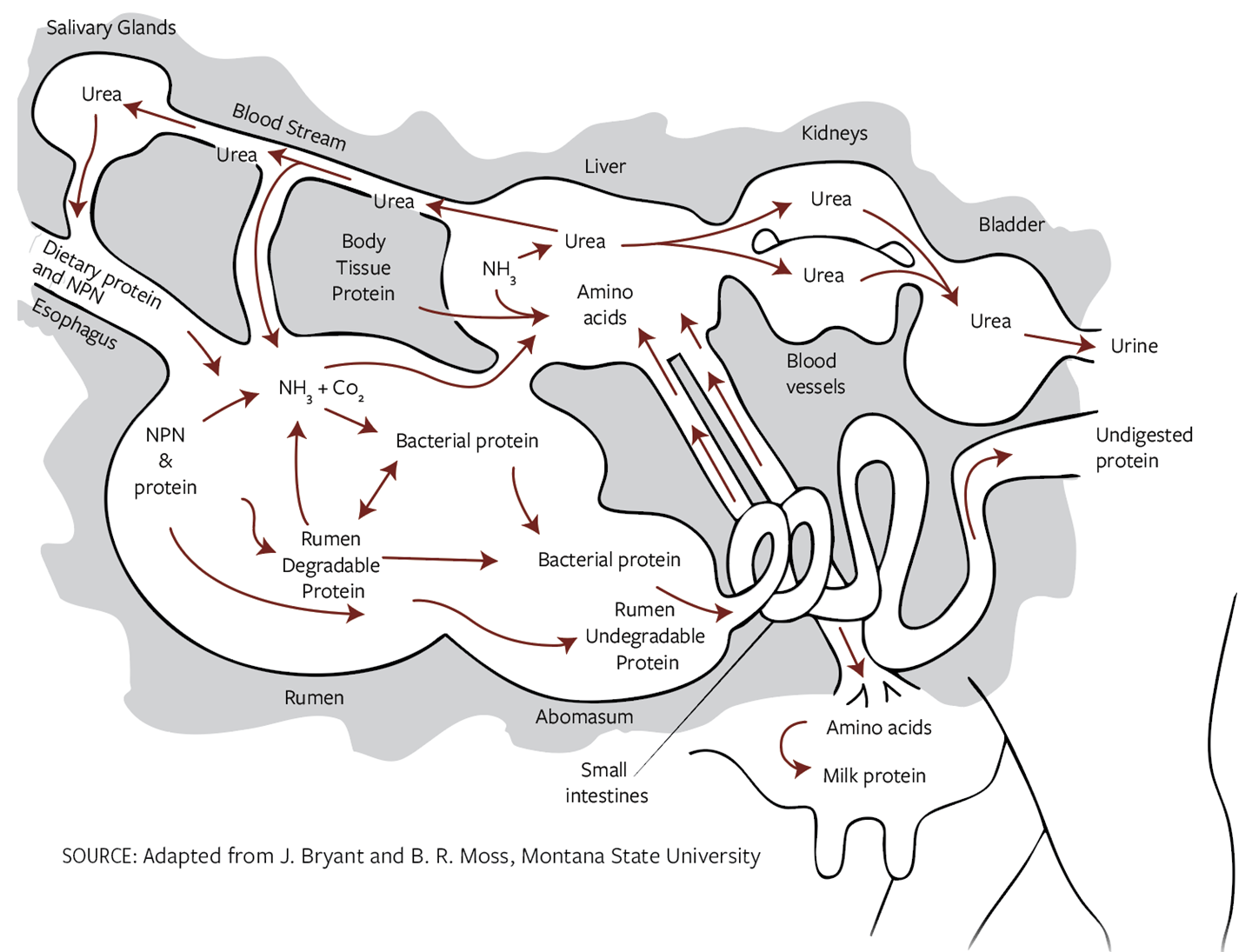
Fig. 1: Protein pathways in the ruminant

Types of protein
There are two forms of protein to keep in mind. Rumen degradable protein (RDP) and rumen undegradable protein (RUP).
RDP is broken down in the rumen and used by microbes. Supplying adequate RDP supports fiber digestion and intake of low-quality forages. Oversupplying RDP can cause excessive nitrogen loss.
RUP escapes degradation in the rumen and is absorbed in the small intestine in the form of amino acid structure it was fed.
Nonprotein nitrogen (NPN) sources, including urea and biuret, are commonly used NPN sources and are typically included in cooked molasses tubs or liquid-molasses feeds. These products are often less expensive per unit of crude protein and can be useful in certain feeding situations.
Urea works best with high-energy diets that contain crude protein levels below 12%. Higher-protein, manufactured supplements (30% or more CP) can contain as much as 15% of the protein from NPN with little change in animal response compared to supplements without urea.
Urea has a rapid rate of degradation in the rumen, which can result in lack of nitrogen use for forage digestion and result in increased nitrogen (protein) loss in urine. Even slow-release forms of urea (biuret) are usually not effective in improving urea use in forage-based diets due to nitrogen recycling of the rumen and liver.
Matching protein to the need
Due to rumen fermentation, the protein the cow absorbs and utilizes isn’t the same protein (amino acid composition) that was originally fed. Metabolizable protein is the absorbed protein that the cows uses, which is made from RUP that escapes ruminal degradation and microbial crude protein.
Microbial crude protein (MCP), which mainly originated from bacterial sources (about 90%), is the protein content of ruminal microorganisms that pass and are absorbed by the small intestine. In addition, MCP synthesis in the rumen is dependent on the energy supply [i.e., total digestible nutrients (TDN) of the diet].
Low-TDN diets or low-quality forages will have decreased MCP synthesis compared to greater quality, which decreases overall metabolizable protein to the cow if not offset with increased RUP supply.
Developing a protein supplementation strategy starts with defining your goal. Two supplements labeled as 30% CP may produce very different results depending on both the type and ratio of RDP and RUP.
Remember, the cow and the rumen microbes each have their own protein requirements.
Keep in mind that rumen microbes need nitrogen to digest forage. The first goal of protein supplementation is to meet rumen microbe requirements first.
Research shows that meeting microbial nitrogen needs first through RDP supplements and then supplying the remaining protein as RUP improves:
- metabolizable protein supply to the cow;
- reproduction and body condition;
- body weight gain for yearlings and cows overwinter; and
- nitrogen and protein use efficiency.
Bottom line
Protein supplementation is one of the most effective management tools for maintaining cow performance during winter grazing or when feeding low-quality forages. But it’s not just about how much protein a supplement contains. It’s about the type of protein it provides.
By balancing rumen degradable and undegradable protein, cow-calf producers can improve forage utilization, maintain body condition and support reproductive success while managing feed costs more efficiently.
Editor’s note: “The Digestive Tract” is a regular column focused on nutrition for the beef cattle life cycle. Travis Mulliniks is the Glenn & Mildred Harvey Professor of Beef Cattle Management, as well as the associate head of the Department of Animal and Rangeland Sciences, at Oregon State University.
Related Content



Current Angus Beef Bulletin
Our November issue focuses on the females of the herd and the records that validate them.