




Take Simple Steps to Avoid Cattle Deaths
Johnsongrass troubles have increased because of weather conditions.
September 20, 2012
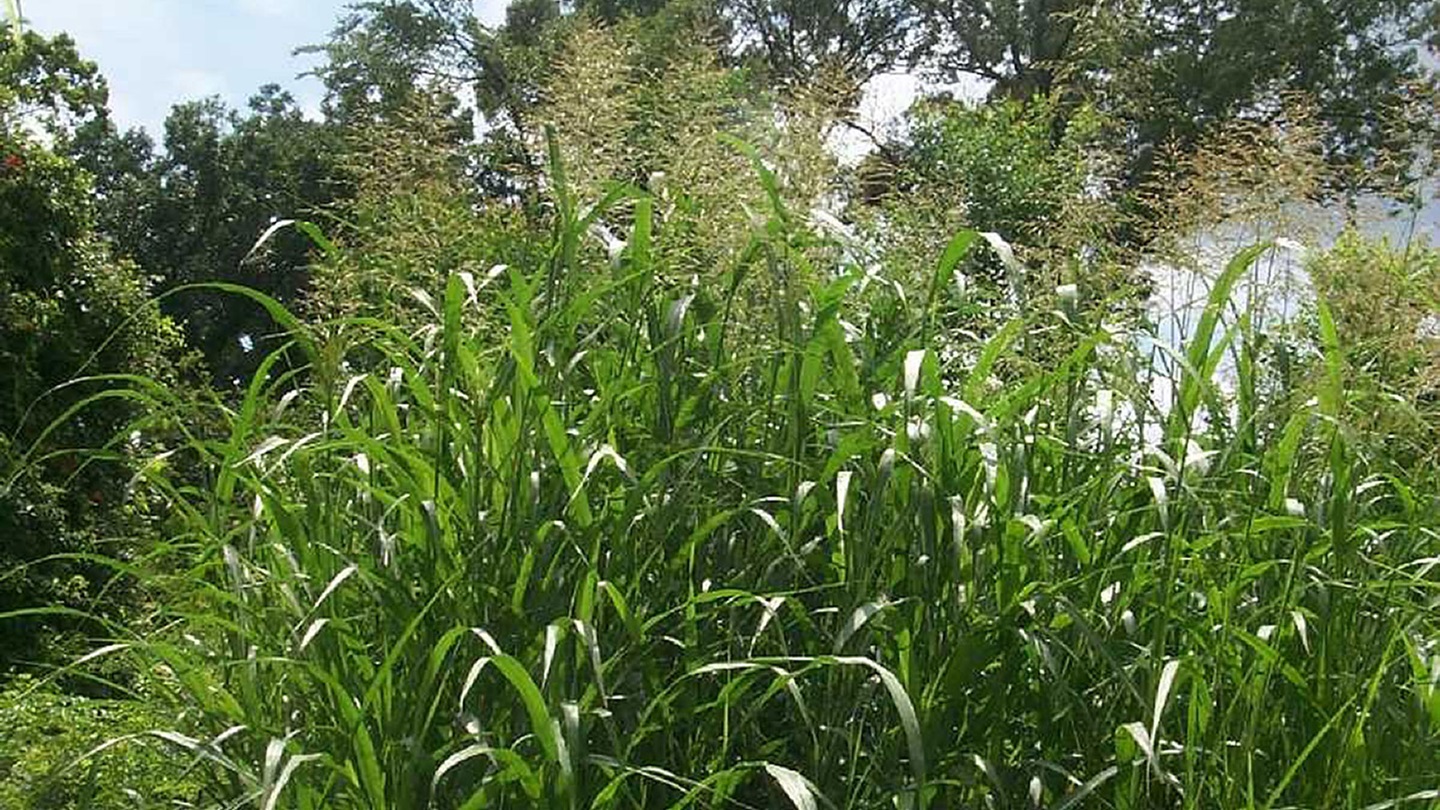

It has been known for years that Johnsongrass has the potential to be a livestock killer because of two lethal issues: prussic acid poisoning and nitrate accumulation. Even though the amount of Johnsongrass has been increasing in pastures and along roadsides for a number of years, there has been minimal concern because veterinarians have not seen cases of prussic acid poisoning — until recently.
"Even though there has been an abundance of Johnsongrass in past years, too, cattle seemed to graze it with minimal problems," said Eldon Cole, a livestock specialist with University of Missouri Extension.
Apparently, the summer of 2012 and the accompanying drought have changed that situation. There have been a number of deaths due to grazing Johnsongrass reported in southwest Missouri in the last six to eight weeks, Cole said in late August 2012. In most cases, the diagnosis was by circumstantial evidence.
"Most of the reports were simply finding dead cows or yearlings near a patch of Johnsongrass after they'd been turned into a field with short Johnsongrass in it. As a rule, only a small percentage of the animals in the herd will die," said Cole.
In a couple of incidents the farmer was hauling a bale of hay into a pasture and a couple of hungry cows beat him through the gate and started eating lush, 12-inch-tall Johnsongrass along the road.
"The first farmer was fortunate; after the cows went down, he contacted a veterinarian and was able to treat and save both cows," said Cole.
In the other situation, the farmer went ahead and unloaded the bale and went back to get the cows back in the pasture. By that time they were shaking and struggling. One died, but the other survived without treatment, Cole reported.
The weather stress this year (2012) likely contributed to an abnormally high accumulation of prussic acid in the tissue of Johnsongrass, grain sorghum, sorghum-Sudan grass crosses, forage sorghums and shattercane. Sudan and pearl millet generally have a very low prussic acid potential.
"The conditions that may enhance the poisoning risk is if the lush plant is damaged by freezing, chewing or traffic running over it. This frees a larger amount of the cyanide, which is more lethal," Cole said.
Symptoms of prussic acid poisoning occur quickly, often within 15 minutes. Farmers who are turning cattle that have not recently grazed Johnsongrass into a field with lots of Johnsongrass are advised to only turn a few head in at first.
"It's also a good idea to check with a veterinarian regarding actions in case cows do have a reaction. Make sure the cattle are full and wait until the Johnsongrass is at least 24 inches tall before turning them in," Cole said.
Cows affected by cyanide will have bright, cherry red blood. It may clot slowly or not at all. Cows tend to bloat quickly.
For more information on grazing plants at high risk for containing prussic acid, contact your veterinarian or a local extension livestock specialist.
Editor's Note: This article was provided by University of Missouri Extension. Lead photo by James Henson, USDA/NCRS Plants Database.
September 20, 2012, Vol. 4, No. 9
Topics: Feedstuffs , Health , Management , Pasture and Forage
Publication: Angus Beef Bulletin
Related Content


Current Angus Beef Bulletin
Our September issue focuses on the females of the herd and the records that validate them.