



In the Cattle Markets
Placements of cattle on feed up 6%.
June 3, 2026

by Bernt Nelson, American Farm Bureau Federation
USDA’s latest Cattle on Feed report, released May 22, delivered slightly bearish news as higher-than-expected placements combined with lower marketings resulted in the first increase in the number of cattle on feed in 18 months.
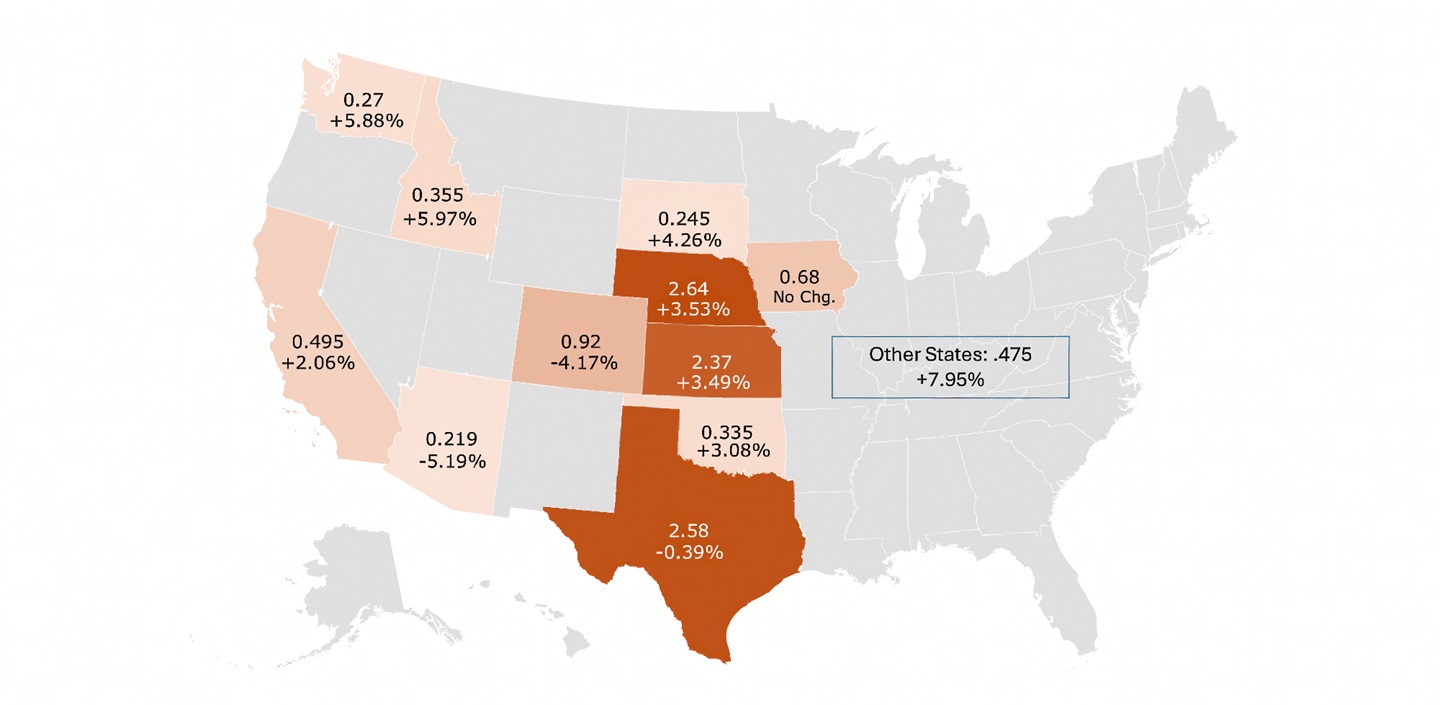
Fig. 1: May cattle on feed up 2% from 2025
May 1 COF inventory and percent change, by state, million head, annual, May 1, 2026
Sources: USDA NASS, analysis by American Farm Bureau Federation.

As of May 1, 2026, total cattle on feed (COF) in U.S. feedlots with a capacity of 1,000 head or more reached 11.6 million head, up about 2%, or 62,000 head, from May 2025. Placements totaled 1.7 million head, an increase of 89,000 head, or 6%, year over year, while marketings of fed cattle came in at 1.64 million head, roughly 10% lower than last year.
The report does not suggest herd expansion, but rather a modest uptick in the number of cattle being fed for beef production. Broader conditions in the cattle industry continue to limit expansion.
According to Derrell Peel of Oklahoma State University Extension, more than 79% of the beef cow herd across the 26 largest cattle-producing states is currently affected by drought conditions, representing greater than 70% of the total U.S. herd. As drought persists, producers are dealing with elevated feed, hay and water costs. These difficult conditions, along with continued record cash prices, may have encouraged farmers and ranchers to place heifers on feed that otherwise would have been retained as replacement females that could lead to long-term herd rebuilding.
At the same time, strong consumer demand continues to provide underlying support for cattle prices. Beef demand is expected to strengthen further during the summer grilling season, which could push prices for cattle and beef to new record highs. This sustained demand can be traced back to the COVID-19 pandemic, when beef became the preferred protein for many consumers cooking at home.
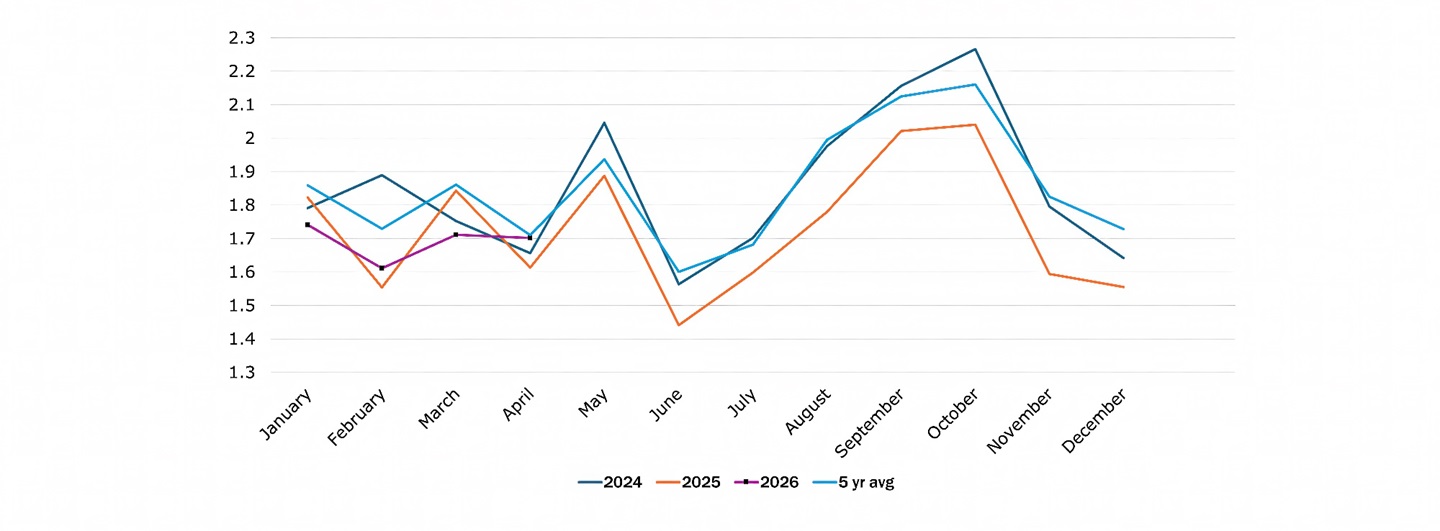
Fig. 2: April placements of cattle on feed +6% from 2025
Total cattle placed in U.S. feedlots, million head, monthly, January 2024-April 2026 and five-year average
Sources: USDA NASS, analysis by American Farm Bureau Federation.

USDA’s latest World Agricultural Supply and Demand Estimates (WASDE) report projects that U.S. beef consumption in 2026 will reach 29.38 billion pounds (lb.). This represents an increase of 1.3%, or 390 million lb., from 2025, and a 7.7% (approximately 1.8 billion lb.) increase compared to 2019 levels.
Looking ahead, significant uncertainty remains. Herd rebuilding decisions continue to be clouded by ongoing challenges, including persistent drought, elevated input costs and animal health risks such as New World screwworm. These factors are likely to keep production risks elevated even while beef demand remains strong, suggesting continued volatility in the cattle market in the months ahead.
The markets
The bearish report generated a strong futures response on Friday, while cash markets remained more resilient. The Five-Area average weekly price for all grades of live, fed cattle was $260.49 per hundredweight (cwt.), down $2.36 per cwt., or less than 1%, from last week but up $33.52 per cwt., or almost 15%, from last year. This demonstrates that despite the bearish news, strong fundamentals continue to provide the framework for the cash cattle market:
- Cattle supplies are at a 75-year low.
- Consumer demand is strong.
- Herd rebuilding takes two years from the time a heifer calf is born until she can have a calf of her own and create meaningful herd expansion.
- Approximately 70% of the total U.S. cattle inventory is under drought conditions.
Editor’s note: Bernt Nelson is an economist with the American Farm Bureau Federation (AFBF).
Angus Beef Bulletin EXTRA, Vol. 18, No. 6-A
Topics: Marketing , Management
Publication: Angus Beef Bulletin
Related Content


Current Angus Beef Bulletin
Our November issue focuses on the females of the herd and the records that validate them.