



A Bull Breeding Soundness Exam Pays
With cattle prices this high, skipping the exam could be an expensive mistake.
February 4, 2026
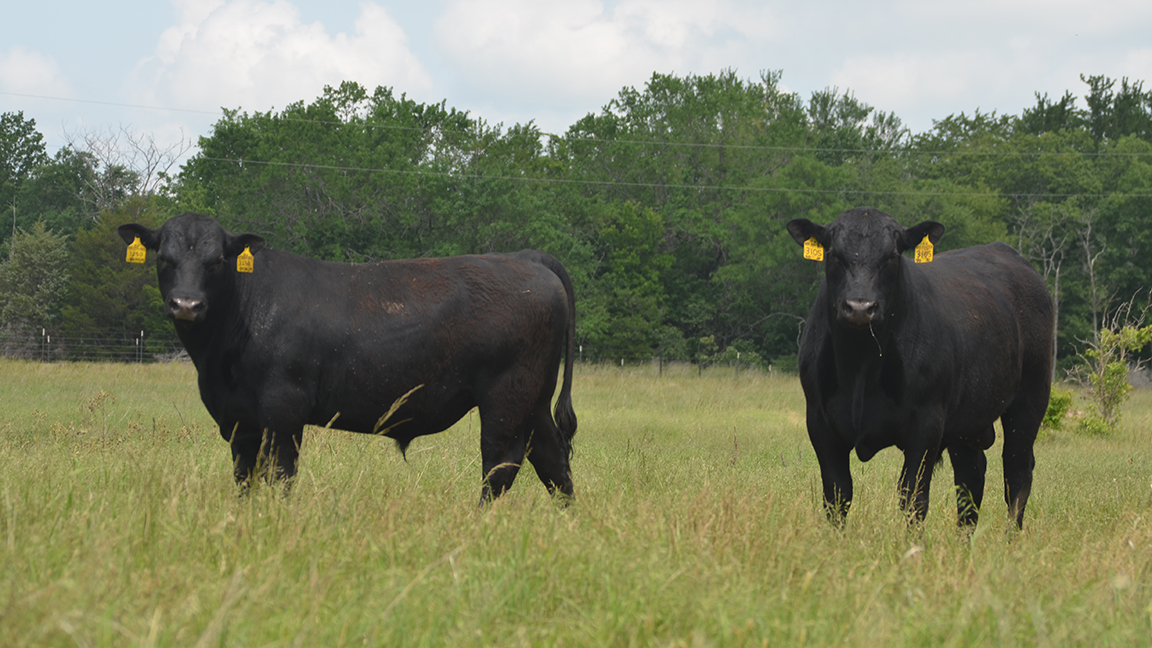
Subfertile bulls result in a 16% reduction in pregnancy and younger, lighter calves at weaning.

by University of Missouri Extension
“A bull breeding soundness exam (sometimes referred to as a BSE) is suggested prior to each breeding season to make sure a bull is physically and reproductively sound to breed females,” says Patrick Davis, University of Missouri (MU) Extension livestock field specialist.
During fall 2025, MU Extension cooperated with veterinarians and a pharmaceutical company to provide education and collect data during bull “BSE Days.” Davis provides results from these events and discusses why the breeding soundness exam pays.
“A bull breeding soundness exam is suggested prior to each breeding season to make sure a bull is physically and reproductively sound to breed females.” — Patrick Davis
During fall BSE Days at two veterinary clinics in southwestern Missouri, 109 bulls were tested from 25 different farms. Of the 109 bulls from six farms, 11 failed or were deferred, which is a 10% fail/deferral rate.
Of the 11 bulls, the veterinarian deferred five and suggested they be retested. If they fail the retest, they need to be culled like failed bulls.
These findings are similar to data collected at previous BSE Days hosted in southwestern Missouri. They are also similar to North Dakota State University data, summarizing the testing of 5,800 bulls in 2014. NDSU found 9% of mature bulls and 17% of yearling bulls failed their breeding soundness exam.
“There were multiple reasons for bull deferral or failure,” says Davis of the Missouri data. Those reasons included no sample, lacerated penis, poor morphology, injured prepuce and scrotum injury. Some of the younger bulls showed underdeveloped sperm morphology. These bulls were deferred due to their potential to improve sperm morphology with an additional 30-60 days of maturity, at which time they may pass a breeding soundness exam. One bull was deferred as he was healing from a lacerated penis, and the veterinarian felt that giving him a breeding season off and retesting in the spring might yield a sound bull.
The Alabama Cooperative Extension System reports subfertile bulls had a 16% reduction in pregnancy rate compared to fertile bulls in a 63-day breeding season. Furthermore, the subfertile bulls took longer to get cows pregnant, which means younger, lighter calves at weaning. Both fates result in fewer pounds of calf to market, which influences operation income and profitability.
The MU BSE Days identified subfertile bulls that would not have been found without testing. Davis suggests, with cattle prices as they are, not doing a breeding soundness exam is an expensive mistake.
For more information about bull breeding soundness exams and management before and during the breeding season, contact your local livestock extension specialist.
Editor’s note: Patrick Davis is a University of Missouri Extension livestock field specialist. [Lead photo by Kasey Brown.]
Angus Beef Bulletin EXTRA, Vol. 18, No. 2-A
Topics: Management , Reproduction , Sire Evaluation
Publication: Angus Beef Bulletin
Related Content


Current Angus Beef Bulletin
Our September issue focuses on the females of the herd and the records that validate them.