



Data-Driven Progress and Partnerships
Industry leaders identify premium-capturing strategies at Feeding Quality Forum.
October 21, 2025
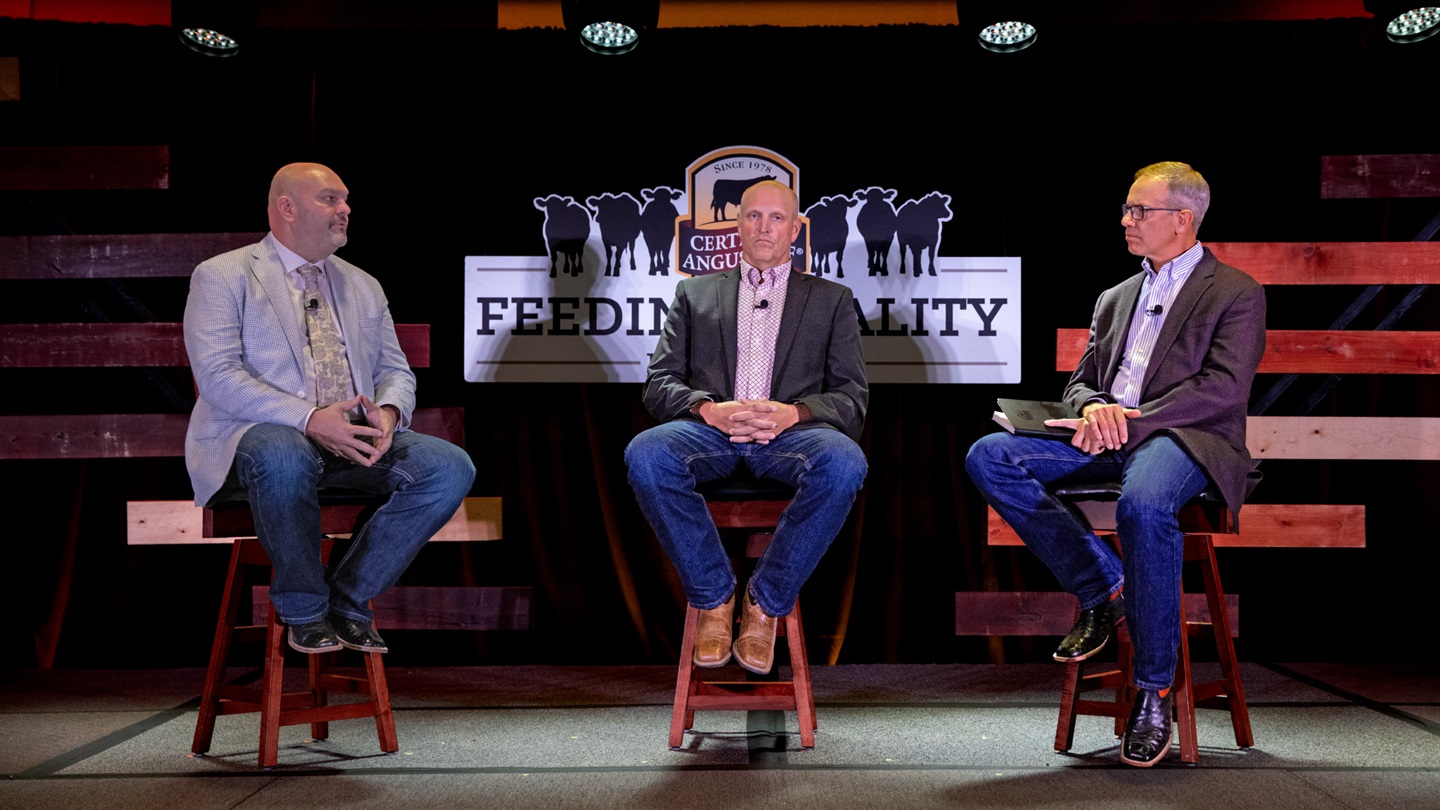
From left, panelists Travis Thomas, Dallas Knobloch and Paul Dykstra discuss the opportunity Prime provides in today’s cattle market at Feeding Quality Forum.

by Kylee Sellnow, Certified Angus Beef LLC
Carcass quality, consumer demand and the power of producer-packer partnerships present an opportunity for Prime success in today’s cattle market. Certified Angus Beef LLC’s (CAB) Paul Dykstra was joined by Dallas Knobloch of 4K Cattle LLC and Travis Thomas of Upper Iowa Beef for a panel discussion at the 2025 Feeding Quality Forum in Rochester, Minn., to explain how.
Dykstra shared market insights, starting with signals that 2025 will hit a new record-high for Prime-grade carcasses driven by genetics, management and market conditions.
USDA Prime accounts for 12.6% of carcasses today, with combined USDA Choice and Prime reaching 84%. While higher-quality cattle flood the market, the Select supply continues to drop.
As Prime rates rise, so do Yield Grade 4s and 5s, prompting discussions on balancing quality with efficiency.
“I can’t ask you to make the cattle better if I don’t give you the information on the backside to help you do that.” — Travis Thomas
“Carcass weight has gone up significantly this year, yet data shows us that it is not required for a Prime carcass to be heavier,” Dykstra said. Citing CAB’s Consist Study, he noted: “In 2024, Prime carcasses only weighed 2 pounds heavier on average versus their premium-Choice counterparts.”
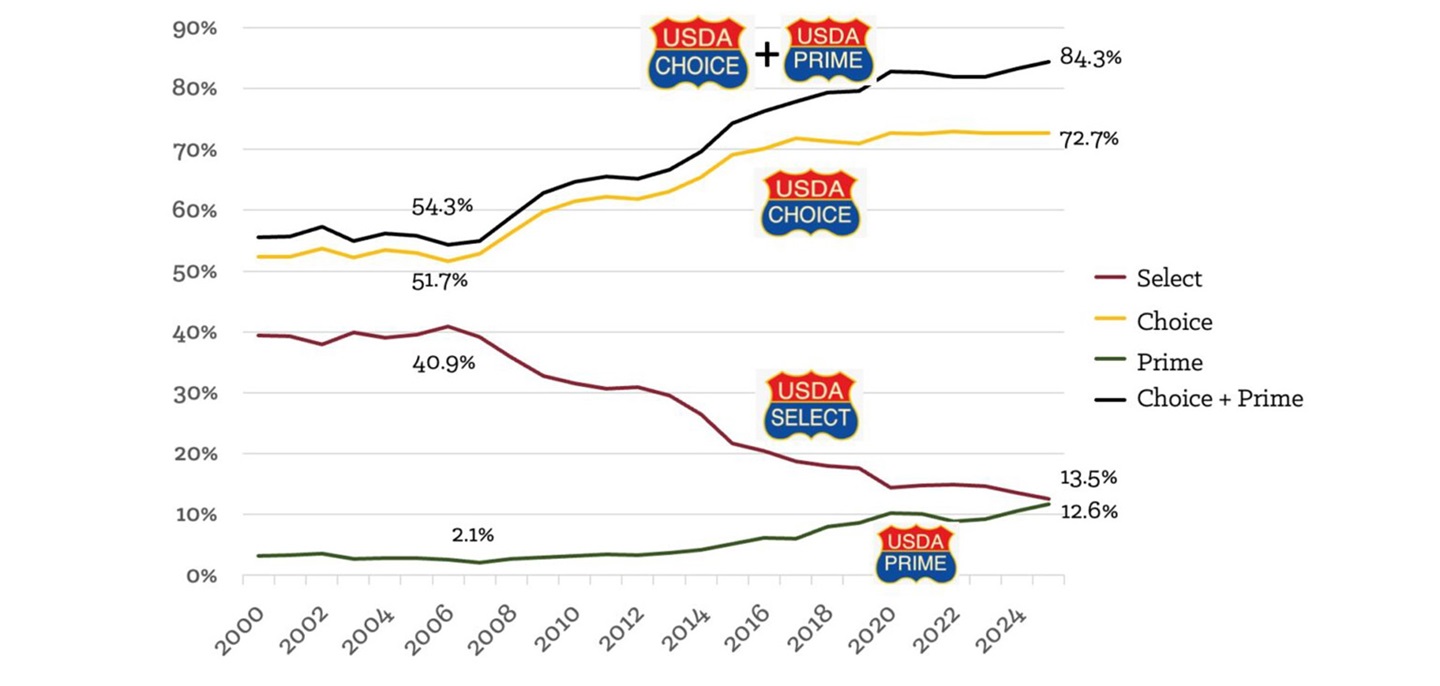
Fig. 1: USDA quality grade evolution

The same Consist Study shows backfat measurements are up, with Prime averaging 0.71 inches (in.) and premium-Choice averaging 0.64 in. in 2024.
Quality grid premiums reached higher in the last year, too. Late 2024, USDA Prime premium averages reached $289.54 per head. CAB averaged $135.24, and Choice followed at $90.80.
Northern states like Nebraska, Iowa and Minnesota lead in Prime carcass percentages in 2025, with Texas carcasses showing notable year-over-year improvement. Quality premiums are reflected regionally, with Iowa/Minnesota sharing $7.31 and Nebraska $6.75, respectively, August 2024 to August 2025, according to USDA data.
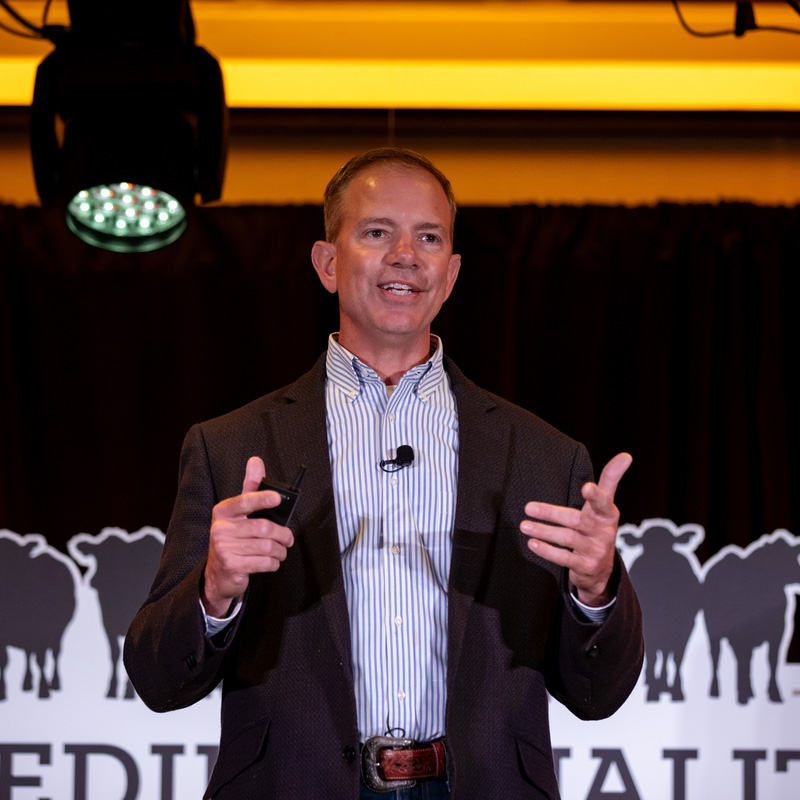
Paul Dykstra walks through market insights, highlighting the position producers are in to capture Prime premiums.

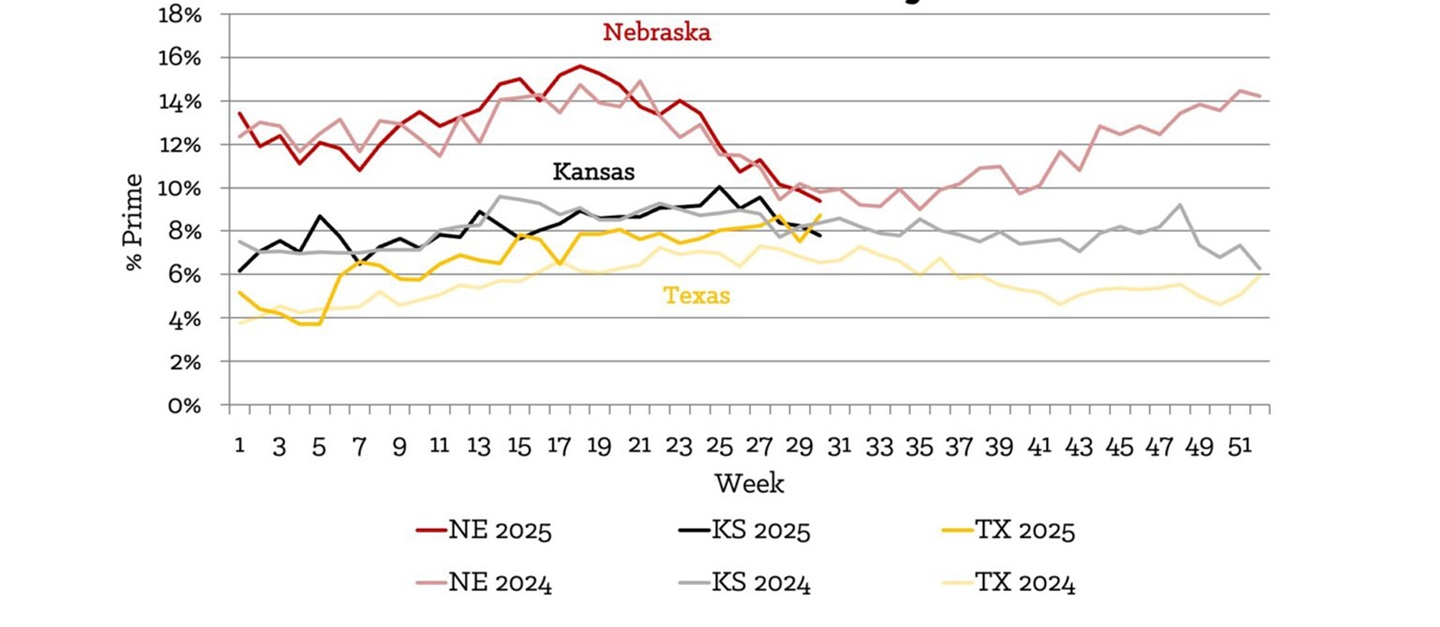
Fig. 2: Percent USDA Prime grade, by state

Market reward
Industrywide progress starts at the ranch and relies heavily on the balance of management and genetics. It helps when there are market targets that reward everyone.
“Certified Angus Beef has helped us add value and gotten us this far,” Knobloch said. “But, it takes discipline to stay true to making a product the consumer wants and not just keep feeding that steer.”
While cattlemen continue to see the reward for their commitment to quality, consumers are demanding more. Despite inflation, consumers continue to prioritize taste and freshness over price, reinforcing the value of high-quality beef.
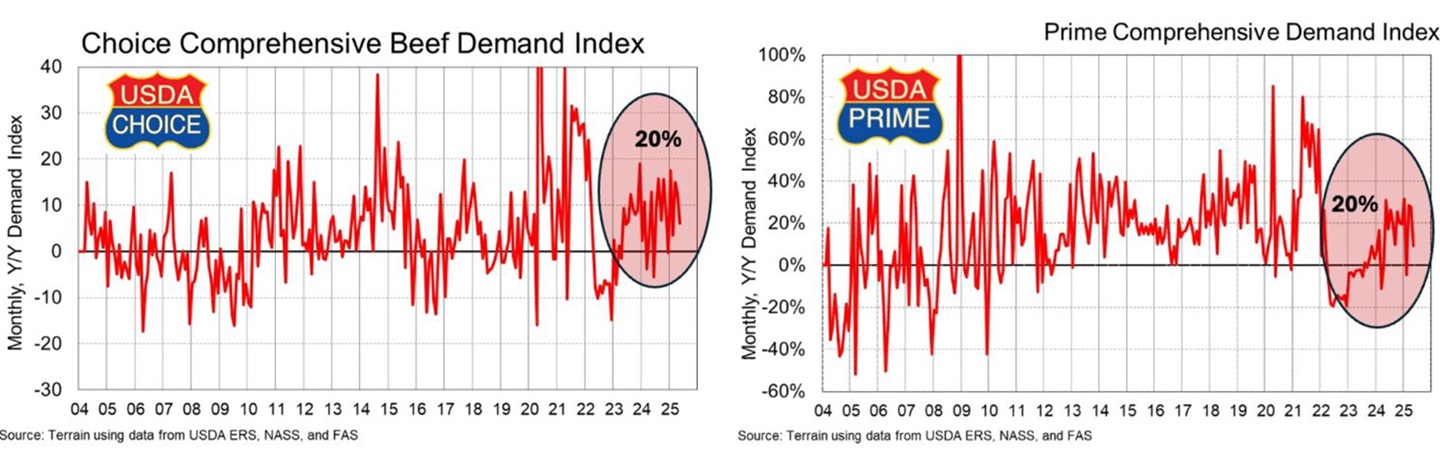
Fig. 3: USDA Choice and Prime consumer demand

“The consumer is voting for quality with their dollar,” Dykstra noted. USDA and Terrain data show demand for USDA Prime beef remains strong amidst historically high prices at retail (see Fig. 3). The index shows USDA Prime demand has risen 20% year-over-year, while Choice demand stays just under the same threshold.
The data-driven approach to carcass grading and marketing is helping producers reduce variability and capture more premiums. Thomas emphasized transparency and feedback loops with cattle producers as essential tools for improving quality.
“I can’t ask you to make the cattle better if I don’t give you the information on the backside to help you do that,” Thomas said.
Knobloch echoed the value of feedback, highlighting the role of disciplined feeding and genetic selection in achieving high Prime rates without excessive backfat.
“It’s not just about price. It’s about getting everything else right first, at least the variables we can control,” said Knobloch. He uses carcass data and shares it back with his cow-calf producers to help guide bull selection and herd health.
He noted that ranchers he’s worked with have been able to diagnose heart-health issues and remove those bulls from their programs. “That wouldn’t have happened if they were just hauling those cattle to the sale barn.”
Relationships across the entire supply chain matter — especially for a Prime target.
Thomas and Knobloch agreed there have been key drivers when aiming higher than Choice.
- First, use carcass data from packers to help guide genetic and feeding strategies.
- Second, address herd health protocols and stress management early to set the stage for success on the rail.
- Third, managing by group and environment leads to a more uniform set of cattle to market.
Using genomic tools like AngusLinkSM will accelerate progress in the feedyard, and on the ranch, Dykstra added.
Knobloch wants to have more retained ownership in his yard because this gives ranchers a “literal stake in where their product goes,” shaping how their feedyard rewards quality improvements.
“It’s not just about price. It’s about getting everything else right first, at least the variables we can control.” — Dallas Knobloch
Discussions at Feeding Quality Forum reaffirmed the industry’s commitment to quality, transparency and innovation. With record Prime rates and strong consumer demand, producers who invest in genetics, health and relationships are positioned to drive progress and capture premiums.
Editor’s note: Kylee Sellnow is assistant director of communications and community for Certified Angus Beef LLC. The 2025 Feeding Quality Forum was sponsored by Alltech, AngusLink, NCBA Cattlemen’s Education Series sponsored by National Corn Growers Association, Diamond V, Drovers, FeedLot, Rabo AgriFinance, Select Sires, Selko, and Upper Iowa Beef. Click here to find more event coverage. [Photos courtesy Certified Angus Beef LLC.]
Angus Beef Bulletin EXTRA, Vol. 17, No. 10-B
Topics: Events , Feedyard , Genetics , Management , News , Record Keeping
Publication: Angus Beef Bulletin
Related Content


Current Angus Beef Bulletin
Our November issue focuses on the females of the herd and the records that validate them.