



Fall Is Prime Time to Establish Cool-season Forages
Here are some tips for getting a good stand.
September 15, 2025

Story & photos by MU Extension
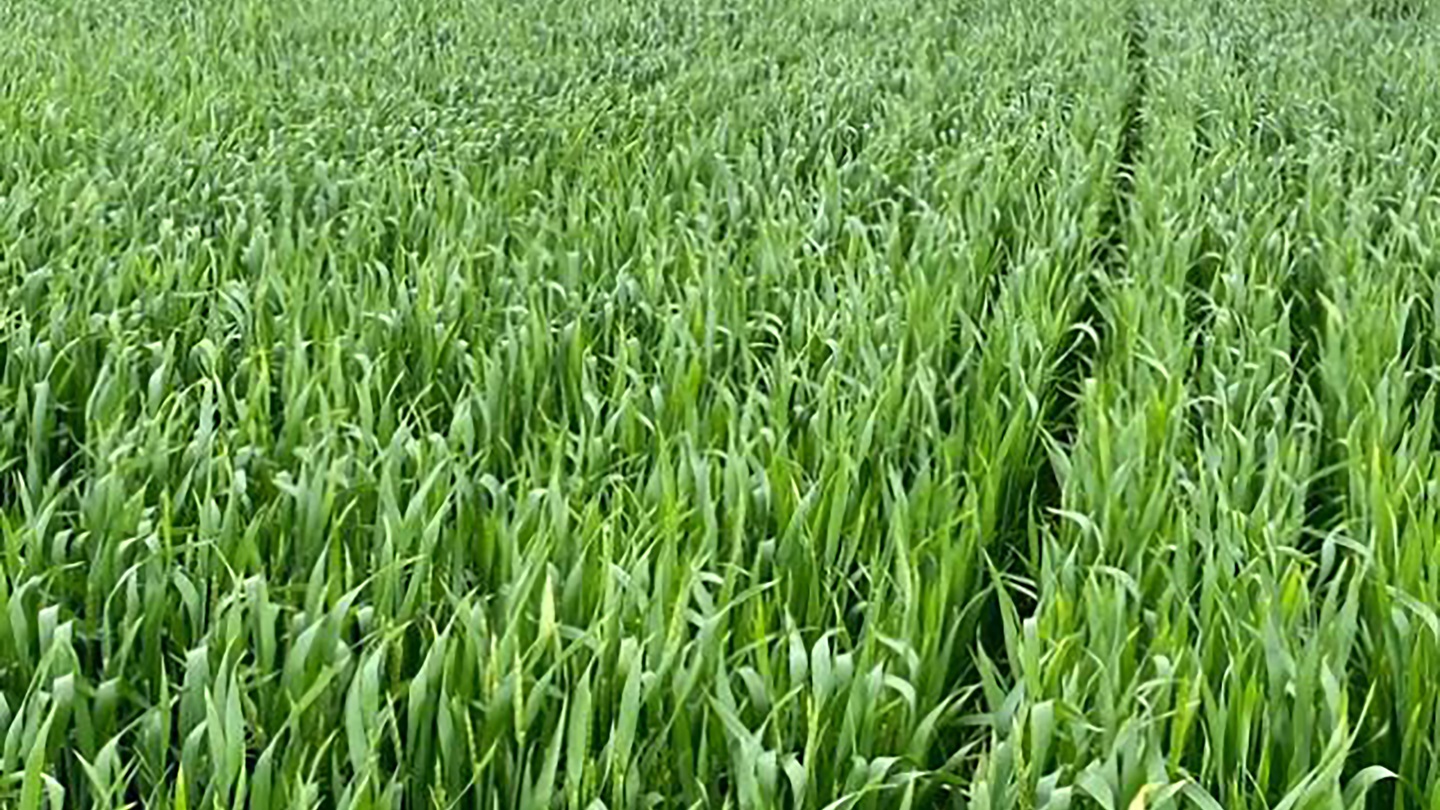
Fall offers the best opportunity to establish or renovate cool-season forages like tall fescue, orchard grass and winter annuals such as brassicas, oats, wheat, rye and triticale. With strong cattle prices and improved cash flow, now is a smart time to invest in your forage base, says Tim Schnakenberg, agronomy specialist for University of Missouri (MU) Extension. Here are some tips to keep in mind.
Scout and assess your fields. Evaluate forage stands for drought damage, overgrazing, weed pressure and poor species diversity. Watch for issues like excessive Kentucky bluegrass, Johnsongrass or brushy species. Consider drainage, fertility and phosphorus levels.
Walk your fields and take notes. If the stand looks thin or patchy, it may be time to renovate.
Choose the right establishment method. No-till seeding is preferred. It conserves moisture, reduces erosion and lowers costs. If using a rented drill, clean and inspect it thoroughly to avoid seed tube blockages. Practice using the drill before planting. Make sure seed flows evenly, and calibrate for accuracy.
Time planting with the weather. Fall droughts have made timing tricky, says Schnakenberg. While grasses tolerate later planting, legumes such as clover and alfalfa must reach the third trifoliate stage before frost.
Watch the forecast. Avoid planting just before a light rain unless more moisture is expected soon.
Burndown vs. no-till. If your pasture is dominated by Kentucky bluegrass or other perennials, a full chemical burndown may be necessary. For summer annuals, you can drill directly, or wait until they die back naturally.
Monitor seed depth and placement. Most cool-season perennials should be planted ¼ to ½ inch deep. Deeper planting may delay emergence, especially in dry soils. Get on your hands and knees to check seed depth. Use GPS or crisscross patterns to avoid gaps.
Planting timeline
- Late August: oats and brassicas.
- Early September: legumes.
- Mid-to-late September: small grains for spring forage.
Consider low-tech and high-tech seeding options. Drone seeding is great for hard-to-reach areas. For low-tech methods, ensure good seed-to-soil contact.
If broadcasting, it may be best to disturb the soil before broadcasting seed, says Schnakenberg. However, if letting livestock trample the seed into the ground, they can come in after broadcasting.
Don’t just scatter seed and hope; it needs contact with soil to germinate.
Use cover crops wisely. Cover crops like oats or rye can protect seedlings and reduce erosion, but don’t let them outcompete your main forage crop. Use low seeding rates for cover crops, and avoid harvesting them in spring if your goal is a permanent stand.
For more guidance, see MU Extension’s Cool Season Pasture Establishment Planning Budget, or reach out to your local MU Extension agronomy specialist.
Editor’s note: This article provided by MU Extension.
Angus Beef Bulletin EXTRA, Vol. 17, No. 9-B
Topics: Feedstuffs , Management , Pasture and Forage
Publication: Angus Beef Bulletin
Related Content


Current Angus Beef Bulletin
Our November issue focuses on the females of the herd and the records that validate them.