Understand Calf Digestive Development
K-State experts explain how early nutrition affects rumen development — and what beef producers can learn from dairy practices.
August 6, 2025

by Chevy-Lynn Vaske, Kansas State University
A calf’s digestive system is shaped by more than time. Diet, milk intake and early environmental exposure influence rumen development.
On a recent episode of the Kansas State University Beef Cattle Institute’s Cattle Chat podcast, specialists discuss how differences in calf nutrition between beef and dairy systems affect herd performance.
Billy Brown, K-State dairy cattle nutritionist, says dairy calves are introduced to grain from Day 1, even though they consume very little early on.
“We’re trying to get fermentable carbohydrates into the rumen early,” Brown says. “Fermentation produces volatile fatty acids, which stimulate the growth of rumen papillae, which is essential for nutrient absorption.”
Since dairy calves are weaned at 6-8 weeks, their rumen must develop quickly. These calves often eat 5-8 pounds (lb.) of grain daily by 2 months of age.
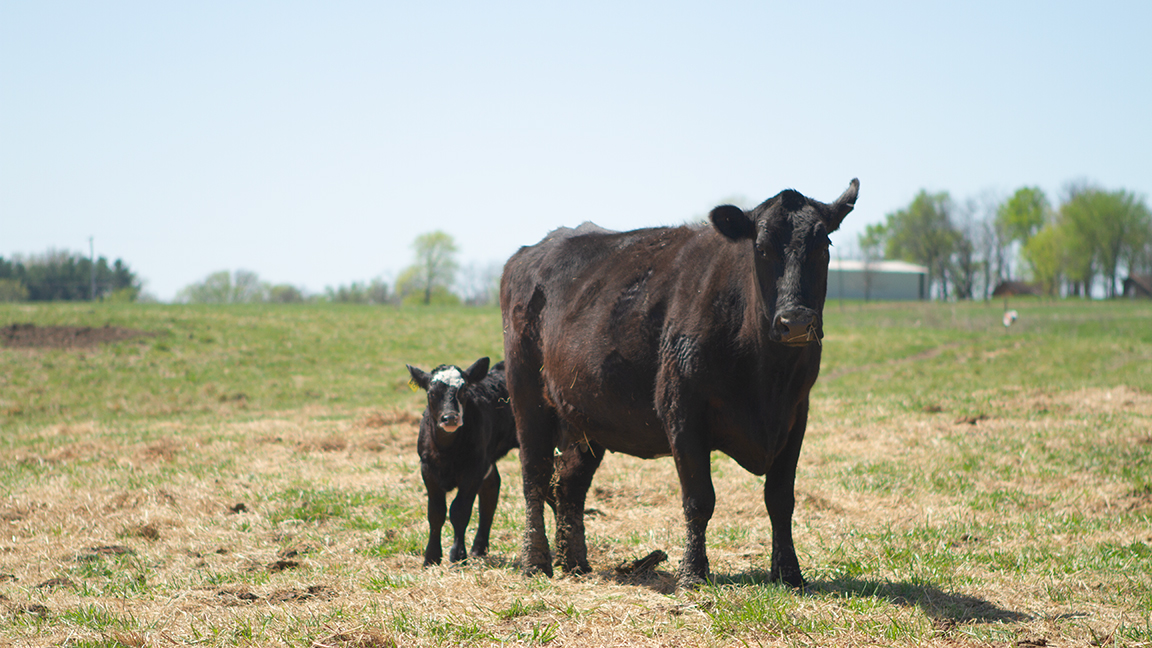
In contrast, beef calves develop slower due to different management strategies, says Phillip Lancaster, K-State beef cattle nutritionist.
“Beef calves are on pasture, learning by watching their dams,” he says. “They might nibble grass and hay, but usually only eat about a pound of forage per day at 2 months.”
Microbial colonization in the rumen begins within days of birth in both systems. Calves pick up microbes through their environment and dams, which jump-starts rumen activity. However, diet dictates how quickly the rumen matures.
K-State veterinarian Bob Larson says milk production also affects intake of solid feed.
“A high-milking cow may delay the calf’s interest in solids, while a lower-producing dam may encourage earlier forage intake,” he says.
In dairy systems, early grain intake is essential to prepare calves for weaning. Without proper rumen development, a postweaning slump can occur, Brown says.
“Accelerated milk programs grow calves fast, but they may not eat enough grain before weaning, which can slow adjustment (from milk to grain),” he says.
Though beef calves are typically weaned later — often at 5-7 months — producers should monitor signs of rumen development, including behavior and pasture consumption.
“Beef cows generally peak in milk between 30 and 90 days postcalving,” Larson says. “That’s when calves get the most milk and may limit solid intake.”
Regardless of the production system, early digestive development is key to future performance.
“Whether a calf is on pasture or in a hutch, getting the rumen working early supports better health and productivity,” Brown says.
For more on calf development and feeding strategies, listen to the latest episode of the BCI Cattle Chat podcast online.
Editor’s note: Chevy-Lynn Vaske is a content marketing specialist for K-State Research and Extension, which provided this article.
Angus Beef Bulletin EXTRA, Vol. 17, No. 8-A
Topics: Nutrition
Publication: Angus Beef Bulletin
Related Content


Current Angus Beef Bulletin
Our November issue focuses on the females of the herd and the records that validate them.