



Summer Pneumonia in Calves
Maintaining good husbandry and making sure cows have immunity play important roles in battling disease.
February 21, 2026
Bovine respiratory disease (BRD) is a major cause of economic loss for cattle producers. We typically think of it as being problematic in very young calves, at weaning, or after transport and feedlot entrance. Yet, cases occurring in nursing calves, a situation called summer pneumonia, has merited study in recent years.
BRD is due to a combination of factors, including stress, which compromises immune defenses, and infection with one or more respiratory viruses. Viral infection and subsequent inflammatory response further compromise the calf’s defenses, allowing pathogens access to pulmonary tissues.
Pneumonia is generally caused by bacteria that are normally found in the nasopharynx. Viral infection opens the way for them to enter the lungs.
Summer pneumonia is frustrating because the cause is not always easy to determine — often appearing during good conditions when we don’t think of calves as stressed.
“Preweaning pneumonia in beef calves is a condition we’re still trying to understand,” says Russ Daly, extension veterinarian and associate professor at South Dakota State University (SDSU). “We understand the stress of transport, weaning, dusty corrals and factors that affect pneumonia in feedlot calves; but, those stresses usually aren’t factors with summer pneumonia.”
Daly was part of a multistate case-control study in 2012-2013, looking at herds that experienced significant preweaning pneumonia — comparing them with nearby herds that had no problems.
“We were trying to find out if there were differences in how they manage and commingle cattle, move cattle or administer vaccination programs,” says Daly. While there’s not much “new” knowledge, research continues to reinforce what they discovered.
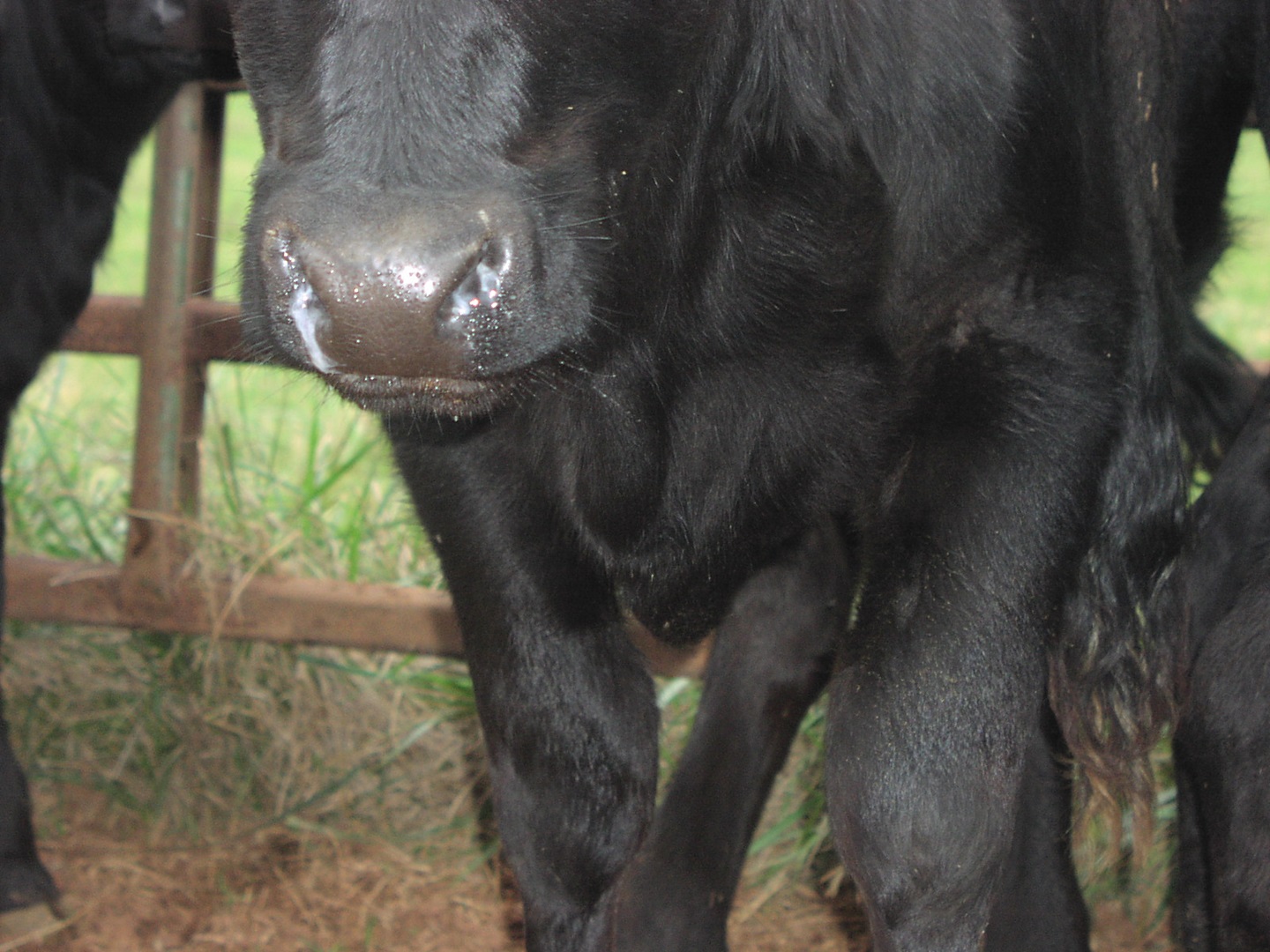
SDSU’s Chris Chase calls summer pneumonia an erratic disease, ranging from nonexistent to severe from one year to the next.

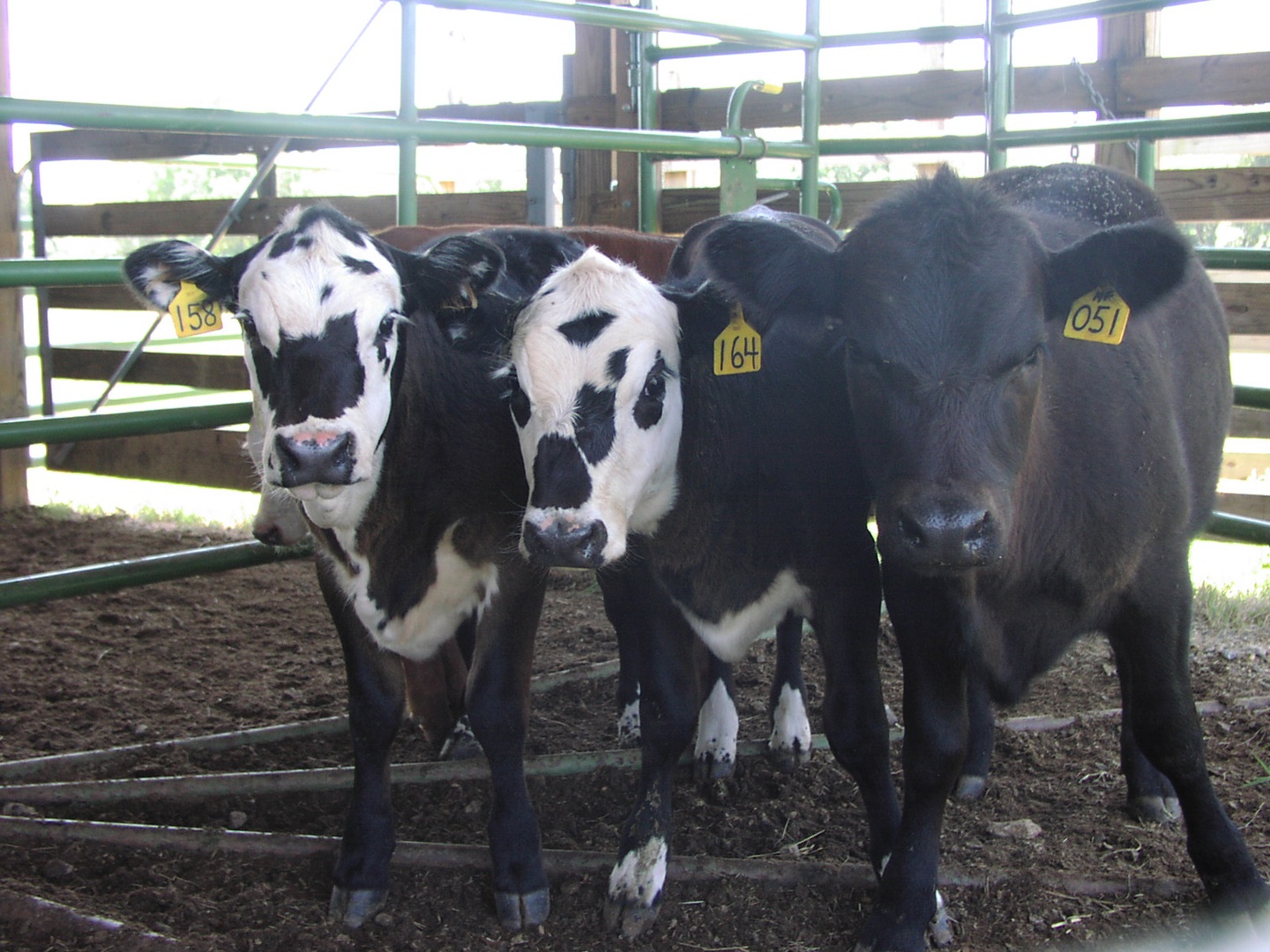
Management that increases stocking densities or opportunities for calves to have close contact with other calves increases risk for disease.

Risk factors
“Not all calf pneumonias are the same regarding risk factors,” Daly says, dividing calves into two age groups. For young calves, 1-2 months old, not getting enough antibodies through colostrum — due to quantity or quality — can put them at risk of respiratory infections.
The other group is older calves out on pasture with their mothers.
“They are probably all losing their maternal antibodies around the same time,” Daly says. “Sometimes what they’ve had (or not had) in terms of vaccination can make a difference in when they get pneumonia and how severe it is, and there may be other factors we are unaware of.”
Incidence is variable. Some herds never experience calf pneumonia. Others may experience cases sporadically and not every year, he says. “It’s not something we can predict. It’s hard to identify the herds we think will have problems.”
One risk factor may be herd size. Large groups, when calves all lose their maternal antibodies at once, may have more cases.
“We sometimes see more cases in well-managed herds, on farms and ranches that do a good job vaccinating and looking after their calves — detecting and treating the sick ones,” says Daly, adding, “but maybe they’re just more likely to report cases.”
There’s generally not a large death loss with summer pneumonia. These calves often respond well to treatment, and some recover without treatment, Daly says. “They usually recover if treated with appropriate antibiotics, but it’s hard to find and treat them in big pastures or out on summer range.”
The fact that antibiotic treatment is helpful indicates infection is either bacterial or an initial viral infection complicated by secondary bacterial invaders, he says. “Most cases of pneumonia (regardless of the animal’s age) are bacterial by the time we see them. Viral infections like BRSV (bovine respiratory syncytial virus) or bovine respiratory coronavirus simply set up those calves for bacterial infection.”
Stimulating the calf’s immune system as early as possible makes sense, such as before pasture turnout. But, this often means vaccinating a very young calf, which may not work very well.
“The immune system of calves less than a month old usually isn’t geared up to mount good response,” Daly says. “We don’t get the response we see with older calves.”
A year with bad weather or hot, dry, dusty periods in late summer may put calves at risk. Dust clogs the natural defenses of windpipe and lungs, making the calf more vulnerable. Changeable weather such as hot days and cold nights, coupled with dusty conditions might be a factor.
“Extreme swings in temperature tend to allow pathogens to thrive in the nasal passages,” Daly says.
Diagnostics challenging
Chris Chase, professor emeritus within the Department of Veterinary and Biomedical Sciences at SDSU, calls summer pneumonia an erratic disease. A rancher may have sick calves one year and no problems the next. “We don’t always know what the differences are from year to year, and some cases are challenging diagnostically.”
For prevention in young calves, producers have been fairly successful by vaccinating cows before calving.
“Good colostrum makes a difference in calf immunity. Vaccinating calves at appropriate times also helps, such as at branding time and again before weaning,” Chase says.
He notes that viruses like BRSV and coronavirus my be involved, but by the time he gets to examine a sick calf or get a sample, it may be too late to find the initial pathogen causing sickness. The major bacterial pathogens are always present.
“With summer pneumonia we often see Mycoplasma bovis and Pasteurella multocida, and these are both very common in the upper respiratory tract and in the nose,” he says. “We can’t vaccinate for these bacteria very effectively. Trying to get an accurate diagnosis is difficult, and not knowing the actual pathogen, we can’t use an intranasal vaccine.”
Chase says in the majority of cases, infectious bovine rhinotracheitis (IBR) is not a factor in calf pneumonias. So, just vaccinating for IBR and parainfluenza-3 virus (PI3) may not be protective.
“PI3 is an interesting virus,” Chase says. “We’ve been using it for so long in vaccines that we don’t know if this virus is actually playing a role in these diseases. If we find PI3 in an animal, we don’t know whether it is from vaccine or from natural infection.”
Going deeper
Issues with BRSV and even coronavirus are sometimes seen in years that are dry and dusty.
“There’s not much we can do about coronavirus,” he says. “There is an oral vaccine, but it’s not labeled for respiratory disease. In young calves we’ve also seen Mannheimia outbreaks — just a bacterial pneumonia. Some of these are probably stress-related.”
The mucociliary escalator
Viruses like coronavirus, BRSV and even PI3 are endemic — ever-present in the environment. Bacteria like Mannheimia and Pasteurella are almost always residing in the upper respiratory tract in healthy cattle. Stress or dusty conditions give them opportunity to invade the lower respiratory tract.
“Dust can carry bacteria that are already in the upper respiratory tract down into the lungs; calves inhale them. Dust also damages the mucociliary escalator that is crucial to respiratory health,” Chase explains. This self-clearing mechanism in respiratory passages uses coordinated waves of cilia (microscopic hair-like structures that line air passages) and mucus to trap and remove inhaled particles, pathogens and debris from the airways.
This system is vital for lung health, moving mucus upward toward the esophagus, where it can be swallowed. The calf continually coughs up this debris and swallows it, and this is a hugely important defense mechanism. To do this, however, and provide enough mucus production, hydration is important.
Hydration matters
In summer heat, calves need to stay hydrated. If they can’t get to water, or water is poor quality, they won’t drink enough. This can have adverse effects on their immune system.
“With the immune system, everything must keep moving, whether it’s mucus in the upper respiratory tract to clear things out or fluid in other body systems,” Chase says. If the animal is dehydrated, nothing works optimally.
In hot weather, ponds and creeks may dry up.
“In our part of the country, it’s stock ponds/dams,” Chase says. Range cattle often have to travel long distances to water, and if troughs get low on water, calves may not be able to reach it.
When good is bad
David Smith, epidemiologist and beef program leader at Mississippi State University, spent several years looking at summer pneumonia. He and several colleagues investigated outbreak situations in Nebraska herds. Dale Grotelueschen at the University of Nebraska, Amelia Woolums at the University of Georgia at that time and SDSU’s Russ Daly were involved in these studies.
“Our major findings were that larger herds and ranches that practiced intensive grazing or used AI (artificial insemination) were more likely to have problems,” he says. Anything that stresses or groups/confines calves or separates them from their mothers can be a factor.
“Cattle have opportunity to share pathogens when congregated during AI procedures, or during intensive grazing/mob grazing. Ranchers have told us that as the industry has gotten better at grass management and intensive grazing, we’ve seen more incidence of calf pneumonia,” Smith says. “Producers must be aware that as they increase stocking densities or opportunities for calves to have close contact with other calves, it increases risk for disease — just like sending your kids to day care or kindergarten.”
He says the industry needs to find ways to minimize the risk and to achieve active immunity as early as possible.
Age component
“Pneumonia in calves has a component of age susceptibility, like a childhood disease. From about 90 to 150 days of age, calves are very susceptible because maternal antibodies have disappeared,” he says. The calf’s own immune system is trying to come up to speed.
“If you have a short breeding/calving season, calves will be approximately the same age, within six to eight weeks of each other, and all lose that temporary protection at about the same time,” Smith says.
Avoiding opportunities for exposure at that age may help reduce the risk, Smith says. “During that window of increased susceptibility, it is prudent to minimize commingling and stress.”
Smith recommends low-stress handling during AI protocols, minimizing separation time for pairs, and making sure holding facilities are dust-free.
“This is probably not the time to vaccinate the calves,” he says. “For herds that are not having problems with pneumonia prior to weaning, you might vaccinate at a slightly older age, when they are more capable of mounting good immunity. If you are having problems with pneumonia in calves prior to weaning, you need to start vaccinations at an earlier age.”
It may be hard to do, but administering two doses of vaccine before calves are 3 months old might provide better immunity, Chase says, recognizing most ranchers give one vaccination at branding and don’t handle the calves again until fall. It’s in the interim when summer pneumonia may occur.
“The research that we’ve done suggests that about 20% of beef herds experience pneumonia preweaning,” says Woolums, now in the Department of Pathobiology and Population Medicine at Mississippi State University. Progressive practices like heat synchronization for AI can increase the risk.
Synchronization protocols often require cows make several trips through the chute.
“During this process, calves are put in a separate pen, and we believe that this experience is one of the things that can increase incidence of pneumonia,” Woolums says. The stress of being separated from mom, crowded together in a pen, maybe with dust churned up, might make calves more vulnerable to pneumonia.
“Some people vaccinate calves at that point, but there may not be enough time for them to mount an immune response,” she says.
“We also worked with ranches that do intensive grazing and had problems with calf pneumonia,” Woolums says. She likens the process of bringing pairs together in a tight group for intensive grazing to a big family gathering where it’s easy to share germs.
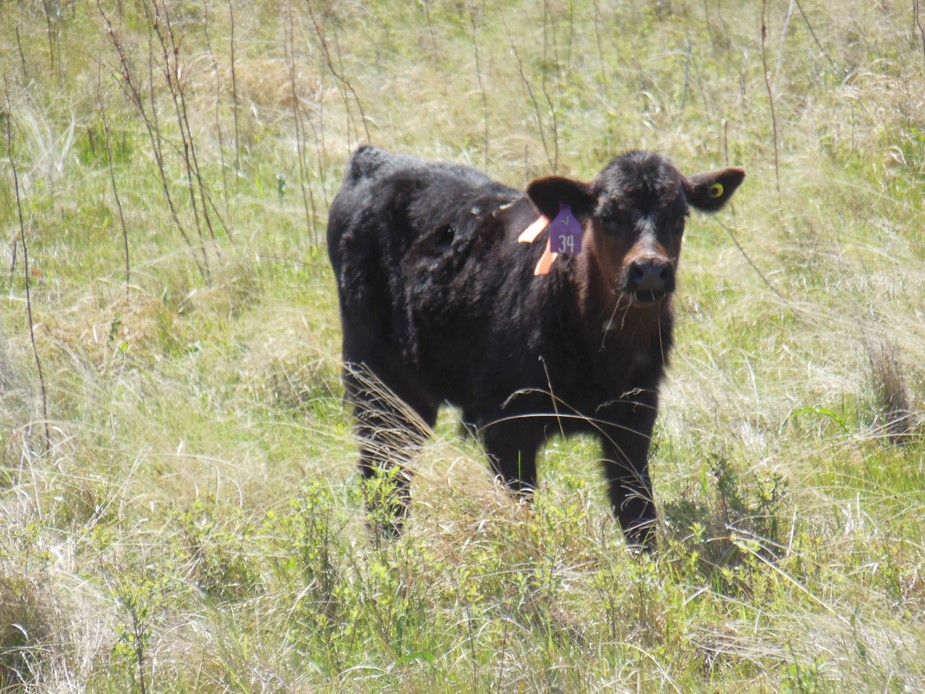

“On big ranches, even if groups of cattle are from the same ranch, they can be like immunologically different herds,” Woolums says. “When they bring them together for working, there can sometimes be outbreaks of BRD.”
Prevention
There is nothing new in the way of prevention; it is still important to maintain good husbandry and make sure cows have immunity so calves receive good antibody levels (for temporary immunity) from colostrum.
“Vaccinating cows for respiratory viruses makes sense — even if we don’t see respiratory disease in cows — in order to help cows maintain antibodies they can pass to calves in colostrum,” Woolums says.
She recommends getting two doses of vaccine into calves at least a month apart, with the last dose timed a month before you’d expect to see disease.
“Many people have told me they tried one dose and it didn’t seem to help, but if they can get two doses into those calves, at least a month apart, or even two or three months apart, they have better success,” she says.
Like with human respiratory diseases, vaccination my not prevent all disease. But it should reduce the severity of disease when it occurs, Woolums says.
Editor’s note: Heather Smith Thomas is a freelance writer and cattlewoman from Salmon, Idaho.
Related Content


Current Angus Beef Bulletin
Our September issue focuses on the females of the herd and the records that validate them.