Calves Worth More Than Corn
Recognizing the most profitable commodity — calves or corn — and being flexible with resources is key to this farm’s success.
October 14, 2025
The sudden death of his father and the hospitalization of both his mother and his wife, right during spring planting, forced Terry Quam to do some creative thinking about how he was going to care for two young children; care for feedlot cattle, cows and calves; and plant the crops.
“You have to make changes. You realize that you just can’t do it,” Quam admits. “I’d like to say I went with no-till for all the soil health reasons; but no, it was for my health reasons, so I could actually get things done.”
No-till planters were on the market in the early 1980s, but according to Quam, owner of Marda Angus Farm from Lodi, Wis., they weren’t up to par. Quam decided to build his own no-till planter — much to the dismay of some of his neighbors. Some even warned he was bound to lose yields and have weed problems by not tilling his farmland.
Today, Quam and his family farm 1,000 acres, and they don’t own any tillage equipment. If he needs the ground worked, he hires it done.
Quam’s philosophy is that cattle are worth more than corn and more than soybeans, so he is using his cropping system to meet the demands of his cattle operation.
Evaluating farm ground
During the last five years, Quam has evaluated and set yield goals for every farm he owns or rents. For corn, it’s 225 bushels (bu.) per acre.
“If that field cannot produce 225 bushel of corn to get into a profitable cash crop or breakeven cash crop scenario, we’re going to change our practices; and that’s where the beef cows come in,” he says. “Because we have those 285 beef cows, we can use a lot of alternative forages. We can do the cover-crop systems and make them work extremely well for us, especially back on our corn-silage ground.”
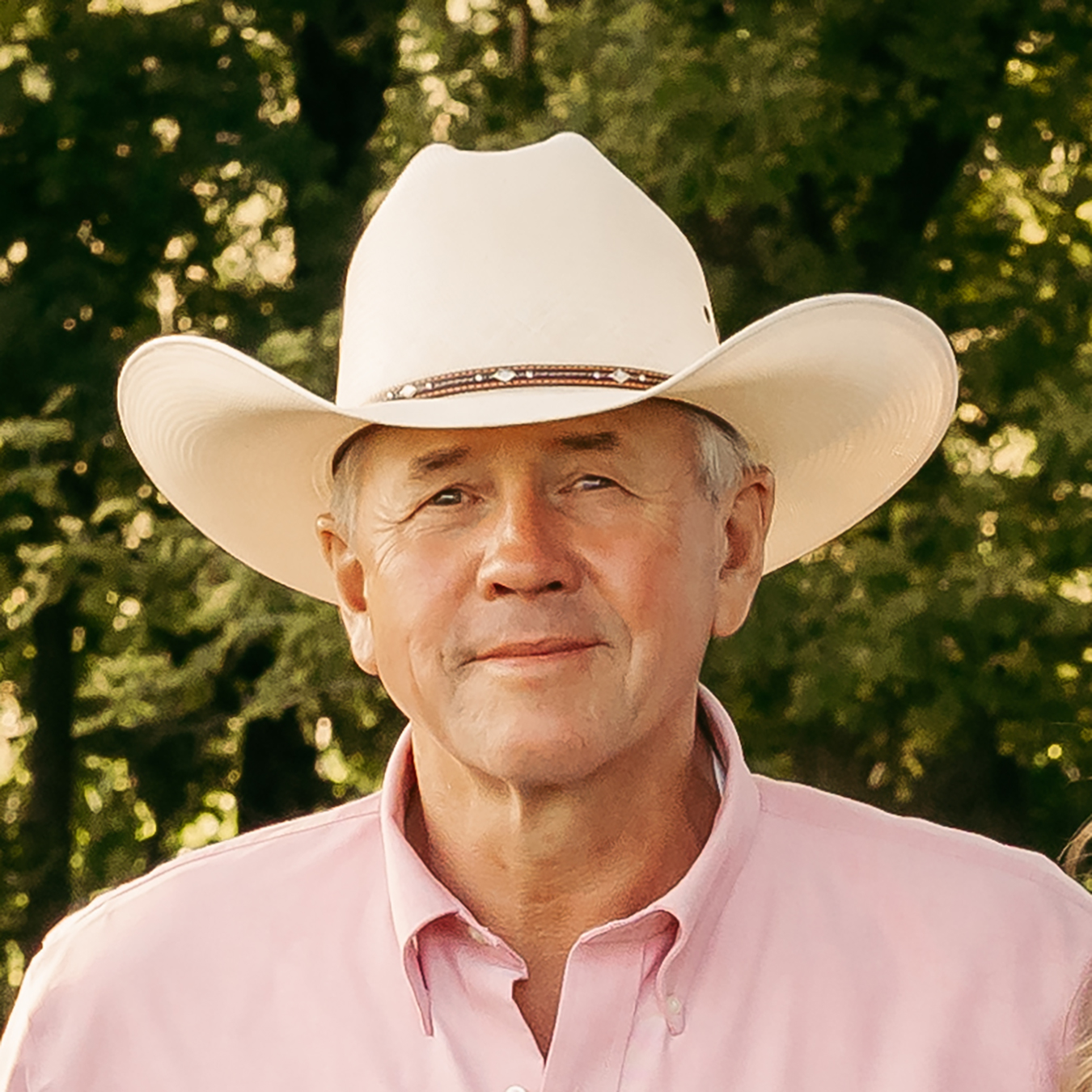
Terry Quam is using his cropping system to meet the demands of his cattle operation.

Cover-cropping and double-cropping systems serve both as weed suppressants and as a way to grow forage for cattle feed. Ground that grows sweet corn for the local canning company can be seeded with oats or triticale in early August. It’s then harvested as forage feed in late October.
His marginal ground is used to grow winter wheat and winter rye. The wheat can be sold as a cash crop or cut for feed, and the straw is either fed or used for bedding.
About half of the winter rye is harvested as a high-protein feed in early summer, sacrificing some of the yield for the quality. The remaining winter rye is harvested for yield, sacrificing some quality. Quam says he raises alfalfa with more protein than he needs.
“I have way too high of protein products at my disposal. I’m wasting protein,” he admits. “I’ve gone to crops that give me high, low-cost yields that I can blend with my high-quality protein products.”
In addition to the forage he grows, Quam utilizes byproducts like potatoes, sweet corn silage, and cotton and ethanol byproducts as cattle feed.
“My goal on this operation is to blend cattle and crops together to both increase soil health, maintain the soil in a better condition, and be more profitable as an operation,” says Quam.
At the end of the growing season, he has 11-12 products to choose from when putting a ration together.
“The beef cow is a very diverse animal. We can change diets quicker and more easily than our counterparts in the dairy industry. So, we can use products that would go to waste normally at different times of the year when different feeds are available, and we can turn them into high-quality protein,” he touts.
Quam recently purchased his mother’s family operation, Miller Farm Shorthorns. He says the operation has some gorgeous crop ground.
“The very first thing my neighbors asked me was, ‘Are you going to get those cattle off and plow that up for corn?’”
His answer: “No, I’m not going to plow it up because right now, the cattle are more profitable than the corn system is. It gives us options.”
Knowing costs and profit potential
Quam’s business theory for agriculture has always been to make decisions based on a net-profit scenario vs. a gross-income scenario. It’s one of the reasons he converted to no-till 30 years ago.
“I had to cut my hours down because I didn’t have the help anymore,” he says. An added benefit is that it has trimmed his overhead costs.
“While everybody else owns a huge, mega line of equipment, I only own a corn planter,” he says. “I don’t own any tillage equipment.”
Quam says his thinking throughout the year revolves around using cattle to make marginal ground that would lose money on a bad year, actually break even or make money in any given year.
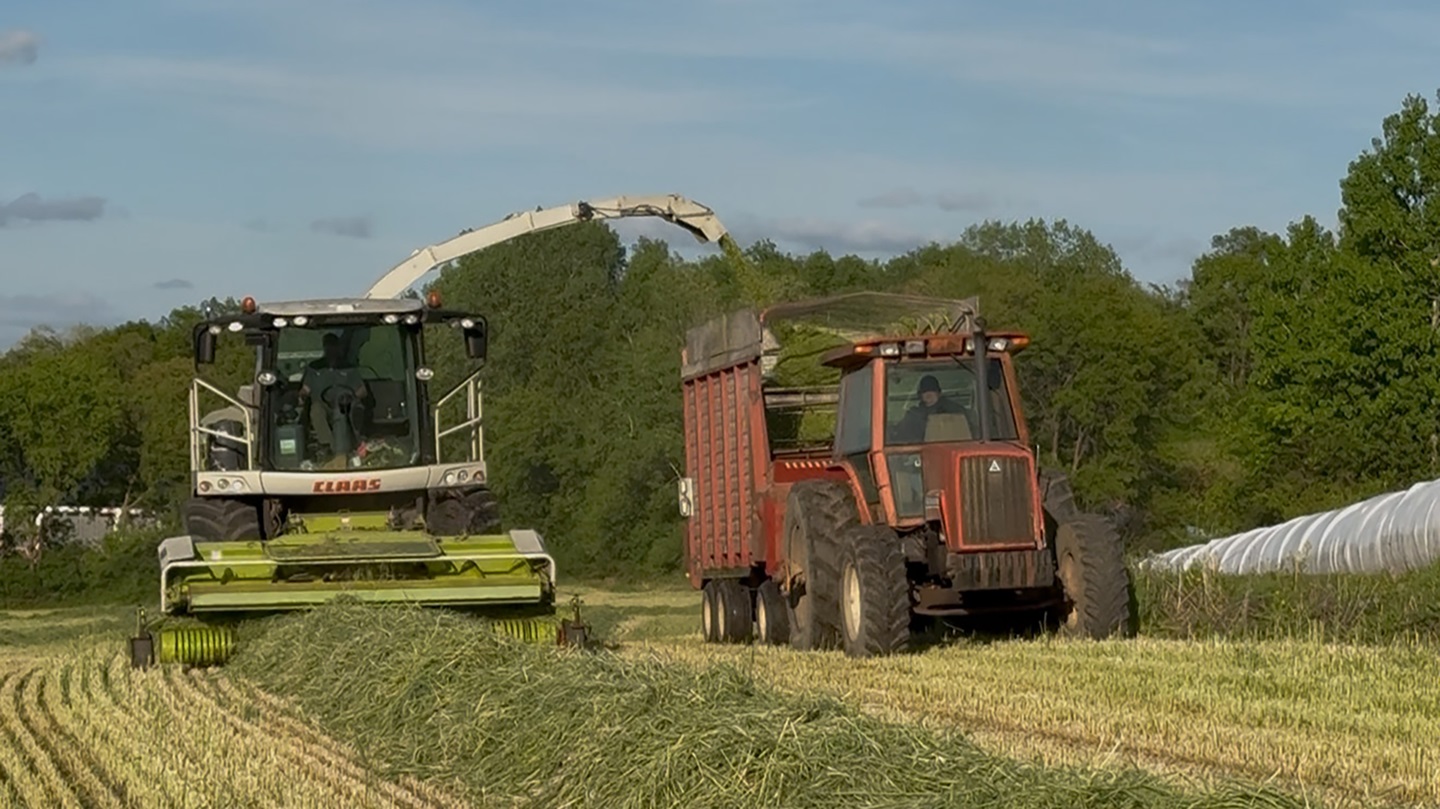
Growing wheat and rye as forage crops gives Terry Quam management flexibility in his harvest timing. He can harvest early for high protein content or wait for lower quality but more biomass.


“Right now, it doesn’t take much to figure out that cattle are worth more than grain,” he says with a smile. But nothing is permanent in agriculture, he adds.
“In our country, where we do get adequate water 90% of the time, I can take a field that I’ve grazed cattle on during the really super-high times, and if cattle prices get lower, and I need to change it up, I can terminate that field [and] put it back into row crops in a heartbeat.”
What makes Quam’s strategy strong is his willingness to be flexible. Before putting any seed in the ground, he looks at commodity prices (both crops and cattle), weather tendencies, and even seed prices. Planting soybeans on July 15 isn’t something he shies away from.
“I have gone into my local co-op and asked, ‘What do you have for soybean seed left?’ They’ll discount it. I’ll harvest them either right before or after a frost and make a forage out of them.”
Pushing a pencil
Quam can afford to be flexible because he knows his input costs. To figure out what a feed is going to cost to grow, first he calculates fertilizer, seed, machinery and the plastic wrap for the harvested product.
Next, he estimates the average tonnage harvested and divides the tonnage by the input costs to determine the cost per pound of feed. Then, he estimates the worth of the cattle. Can they gain enough and sell for enough to offset the price of the feed?
“If one crop gets too expensive, figure out a different one,” he advises.
Quam can offset some of his fertilizer costs by spreading manure, but he notes, spreading manure isn’t free. Manure-spreading equipment isn’t cheap, and neither is fuel. Those costs need to be taken into account.
He says one of the biggest keys to his operation’s success is having a great agronomist and nutritionist who are open-minded and willing to continue to learn, just like he is.
Editor’s note: Paige Nelson is a freelance writer and cattlewoman from Rigby, Idaho.
Topics: Business , Management , Pasture and Forage , Ranch profile , Success Stories
Publication: Angus Beef Bulletin
Issue: November 2025
Related Content



Current Angus Beef Bulletin
Our November issue focuses on the females of the herd and the records that validate them.