



A Means to an End
Wyoming commercial ranch uses Angus genetic tools to meet high-quality targets, earning CAB honors.
September 26, 2025
Six generations of Willises have made a living on their ranch lands in Wyoming and Utah. But only the last two have turned out Angus cows.
Starting in 1969, Roland and Linda Willis had 916 acres with 125 Hereford cows, but they wanted better. Angus was the answer.
“We always bought the best genetics we could possibly afford,” Linda says, noting the budget increased through the years. “With Angus, we felt that we got the quality and the production we wanted.”
For Willis Ranch, the best Angus cattle thrive in the high desert and produce calves that can become productive replacement females or high-quality carcasses.
Their decades-long and successful mission to produce truly premium beef earned the Willis family the 2025 Commercial Commitment to Excellence award from Certified Angus Beef LLC (CAB).
Though Roland died in 2017, he always encouraged his boys to “figure it out” on their own, Linda says. His legacy of old-fashioned cowboy knowledge, along with the next generation’s embrace of the latest technology, helped find a means to an end.
The means
Sons Jordan and Jed manage the Angus cows, while James grows crops that feed the cattle. Jordan’s wife, Jennie, provides support, whether it’s feeding the crew, running errands, hauling bulls or her favorite job — baling hay.
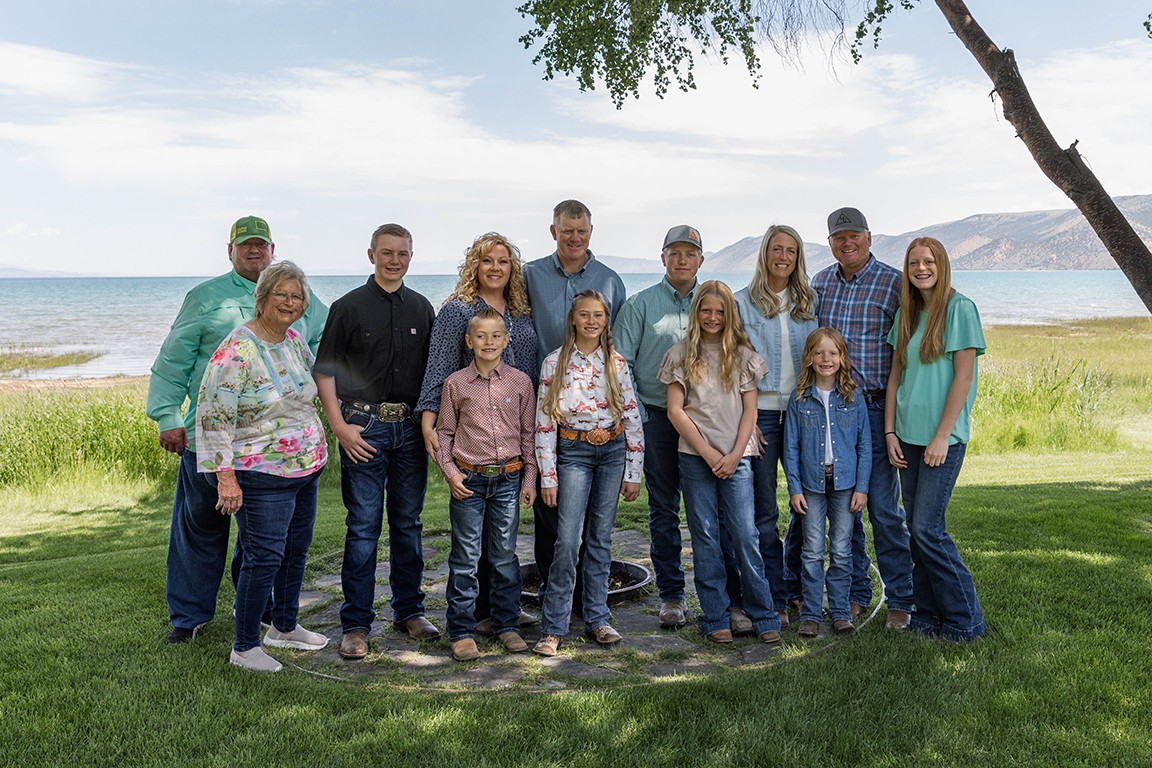
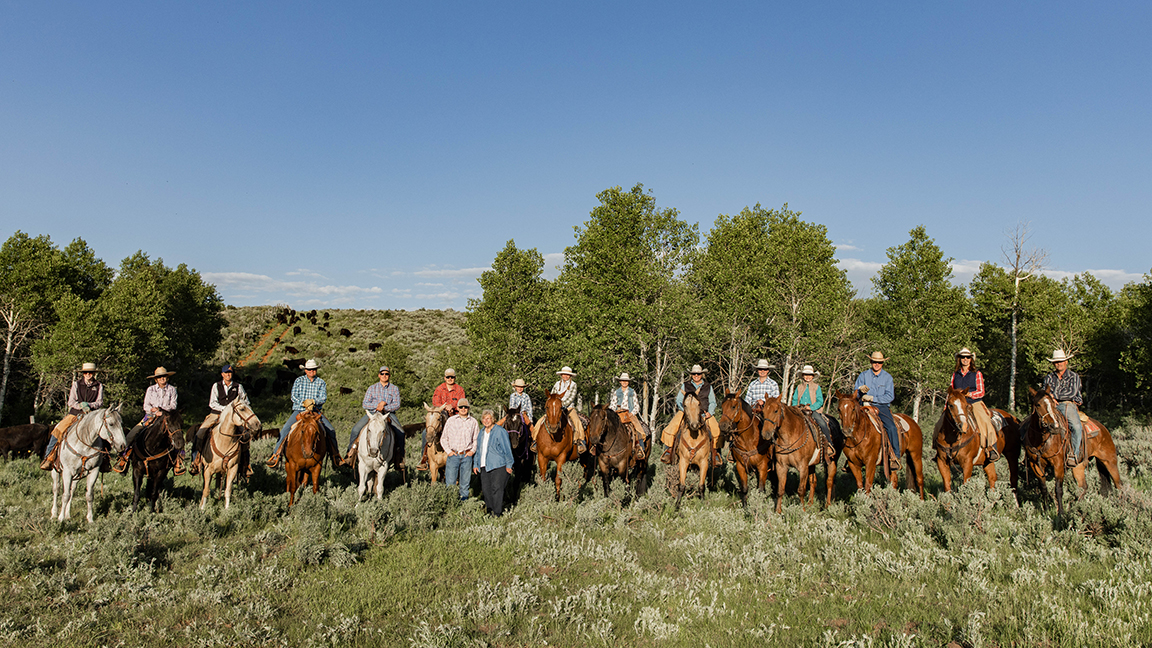
The Willises include (from back left) James, Linda, Grant, Stephanie, Jed, Jackson, Jennie, Jordan, Joslyn, (front left) Garrett, Sienna, Jentry and Journee.

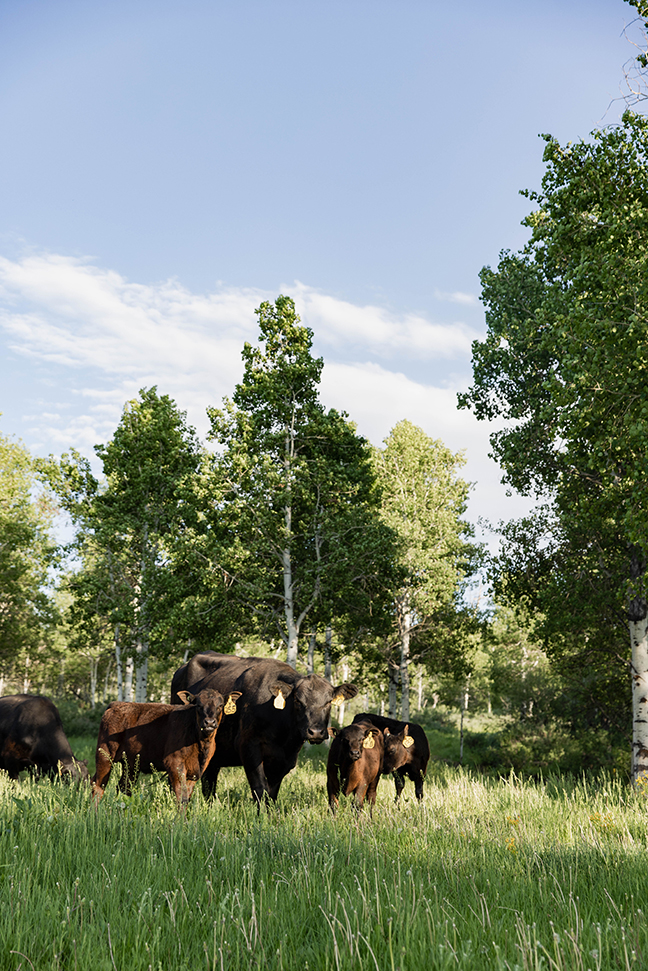
Jordan Willis likes an easy-fleshing, maternal cow that thrives in their dry environment, and a calm disposition so their kids can join in the work.

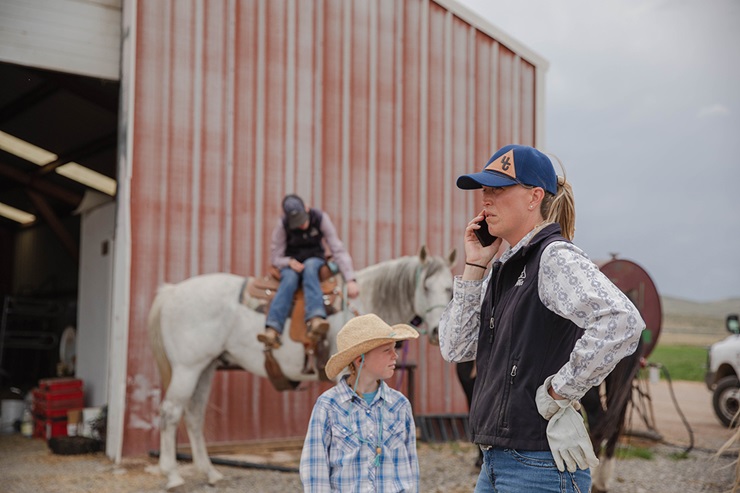
Jennie Willis provides support for every job on the ranch, while being shadowed by her kids.
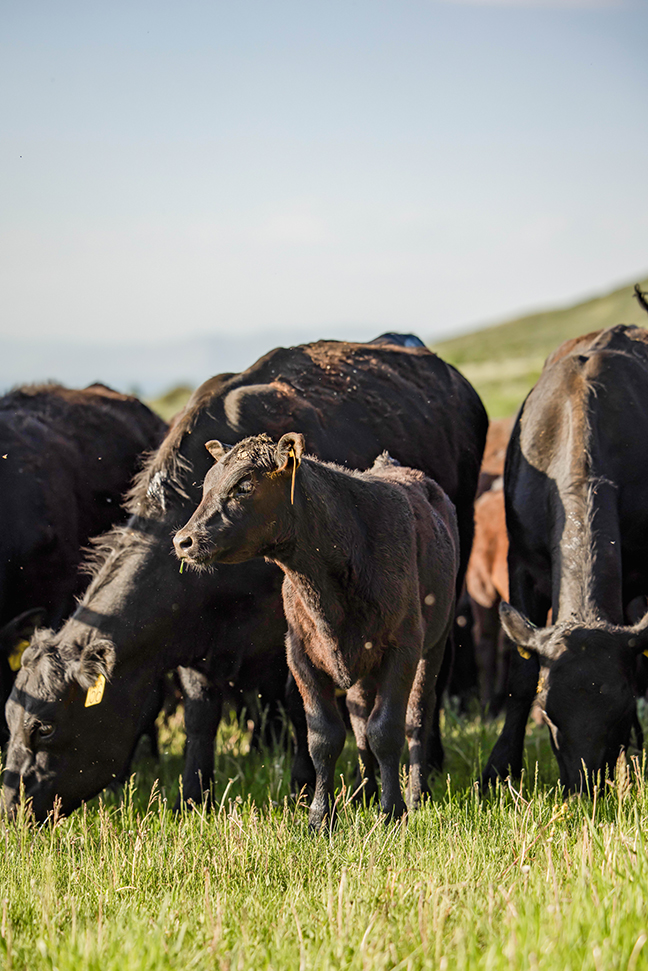
Angus thrive in the high desert, and produce calves that grade.
Jordan is always learning new tricks of the trade by attending meetings and trying new programs to advance and stay on the leading edge of what’s new, Jed says.
“Something my dad told me years ago — and I’ll never forget, and someone had told him — if you want to be successful in this business, you’ve got to buy the best,” Jordan says.
They found a seedstock partner in Basin Angus in Montana and began buying bulls there.
“With all the technology and tools that we have at our hands today, you can have it all,” Jordan says. “But, you still need to be a cattleman, and you’ve still got to have an eye for cattle.”
He likes an easy-fleshing, maternal cow that thrives in their dry environment, and a calm disposition so their kids can safely join in the work. She should also be well-rounded, because not only is she raising replacement heifers, but also the calves that carry carcass merit to qualify for the Certified Angus Beef ® (CAB®) brand.
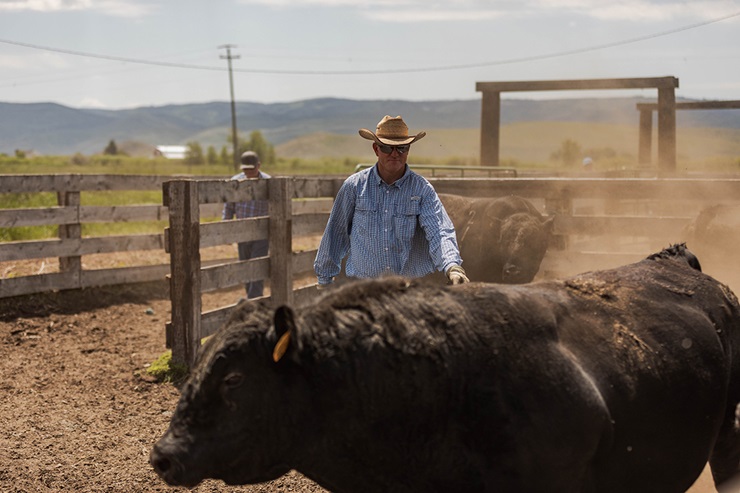
Jed Willis sorts bulls that will go to work on a spread of Bureau of Land Management (BLM) ground.
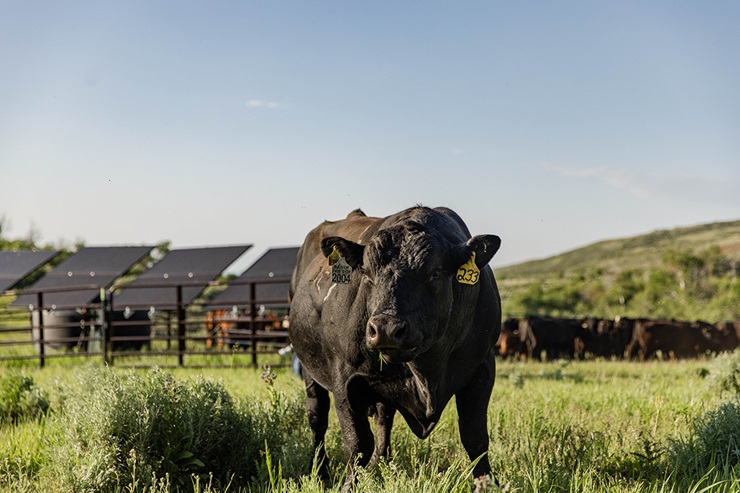
“You need to keep moving your herd forward,” Jordan says.
The Willises rely on available tools for what the eye of a stockman can’t measure, such as expected progeny differences (EPDs) and DNA testing. For 13 years, Jordan has used GeneMax® Advantage™ to select replacement heifers. These tools are his means to a highly marketable calf crop — whether he’s selling heifers or feeder calves — and a premium end product.
Taking tissue samples at branding allows time to get data back, analyze it and use that information chuteside during preconditioning and sorting calves at weaning.
Jennie says it’s Jordan’s perfectionist attitude that motivates the entire family.
“He likes things done just right and wants to do a good job every day. So, we try to do our best and work hard,” she says. “Jordan doesn’t think he’ll be able to improve, but he does.”
Every year, calves are better because of their investment in tools like GeneMax.
“For a small investment, GeneMax Advantage testing offers much more in return,” Jordan says. “My theory is that it takes as much grass or feed or resources to feed a poor animal. You may as well have a good one.”
The end
The females are bought by Noble Ranch in Colorado to be developed into bred heifers. Ryan Noble, commercial rancher, and Jordan met through Basin Angus.
“Between the elevation challenges; long, tough winters; and sparse range conditions in the summer, every cow is tasked with bringing home a calf that will get on a truck and go out to add value to whomever buys it,” Noble says. “It’s a daunting challenge, but Willis Ranch seems to have put all of the pieces together.”
Noble says he buys a lot of heifers from several states, but when other cattlemen stop to visit, “it seems like we always take a few extra minutes to look at the Willis heifers because of the obvious quality and uniformity.”
After fall and winter grazing, Noble brings the heifers into the grow yard to synchronize and artificially inseminate. Heifers that are open after being exposed to cleanup bulls head to a feedyard. Bred heifers are sold to commercial ranchers, including Willis, as replacements.
The steers are marketed with AngusLinkSM at weaning. They enroll in the AngusVerifiedSM and Genetic Merit ScorecardSM (GMS). While AngusVerified guarantees calves are at least 50% Angus (sired by a registered Angus bull), GMS describes genetic potential for a group of feeder calves. It bridges a gap between buyers and sellers, giving customers insight into how calves should perform at the feedyard.
“So many cattle are sold on video auctions,” Jordan says. “How do you distinguish yourself from the others? AngusLink provides that tool.”
Recent carcass data from multiple calf crops representing more than 1,500 head revealed the Willis calves achieved 52% Prime and 94% upper-two-thirds Choice.
Not by chance, but by a deliberate and consistent drive to be the best.
“The market isn’t always going to be this great,” Jordan says. “You need to keep moving your herd forward, because when the market goes down, you’re going to need the cow herd and the programs to make ends meet.”
Editor’s note: Morgan Boecker is senior manager, producer communications for CAB.

The why
The Willis family is blessed by numbers. The days they move cows are a sight: Nine young cowboys and cowgirls atop their horses (or four-wheelers) peek out above the sagebrush.
“We work with our family, with our kids, every day,” Jordan says. “One reason we continue our education, through programs like Beef Quality Assurance, is for the next generation, so our kids can grow up and do what we’re doing today.”
While the ranch has grown in quantity and quality, their “why” is the same.
“We love cattle, love family, love being ranchers, love helping people and taking care of people,” Linda says. “Cooking dinner for them, even.”
They feed a big crew, but know their daily work puts beef on many family tables. They hope those families have confidence in the quality of beef they are raising.
“When other moms are at the grocery store, I hope they look for the Certified Angus Beef ® (CAB®) logo and they take that home to their families and feel like they have bought something really, really delicious and nutritious for their family,” Jennie says.
They want to provide the same thing for their family. That’s why it’s important to hit a high target, like CAB, Jordan says.
When the target moves higher, they’ll adjust to keep getting better.


Topics: Award winner , Feeder-Calf Marketing Guide , Management , Marketing , News , Ranch profile , Success Stories
Publication: Angus Beef Bulletin
Issue: November 2025
Related Content


Current Angus Beef Bulletin
Our November issue focuses on the females of the herd and the records that validate them.