Outside the Box
Be intentional about making room for the ‘pause.’
August 1, 2025
Beef production introduces us to the limits of our capacity for control. It tests tolerance for change with the recognition that there is no “off switch” for the enterprise. In short, raising cattle has a cadence unlike most businesses — the activities typically create a cycle of continuous motion wherein each season brings a set of tasks that are critical to the next phase of work.
We continuously adjust to each changing season of the calendar while managing a production cycle that allows for little down time. Our minds are captured by the work of the day and with the next set of tasks that follows.
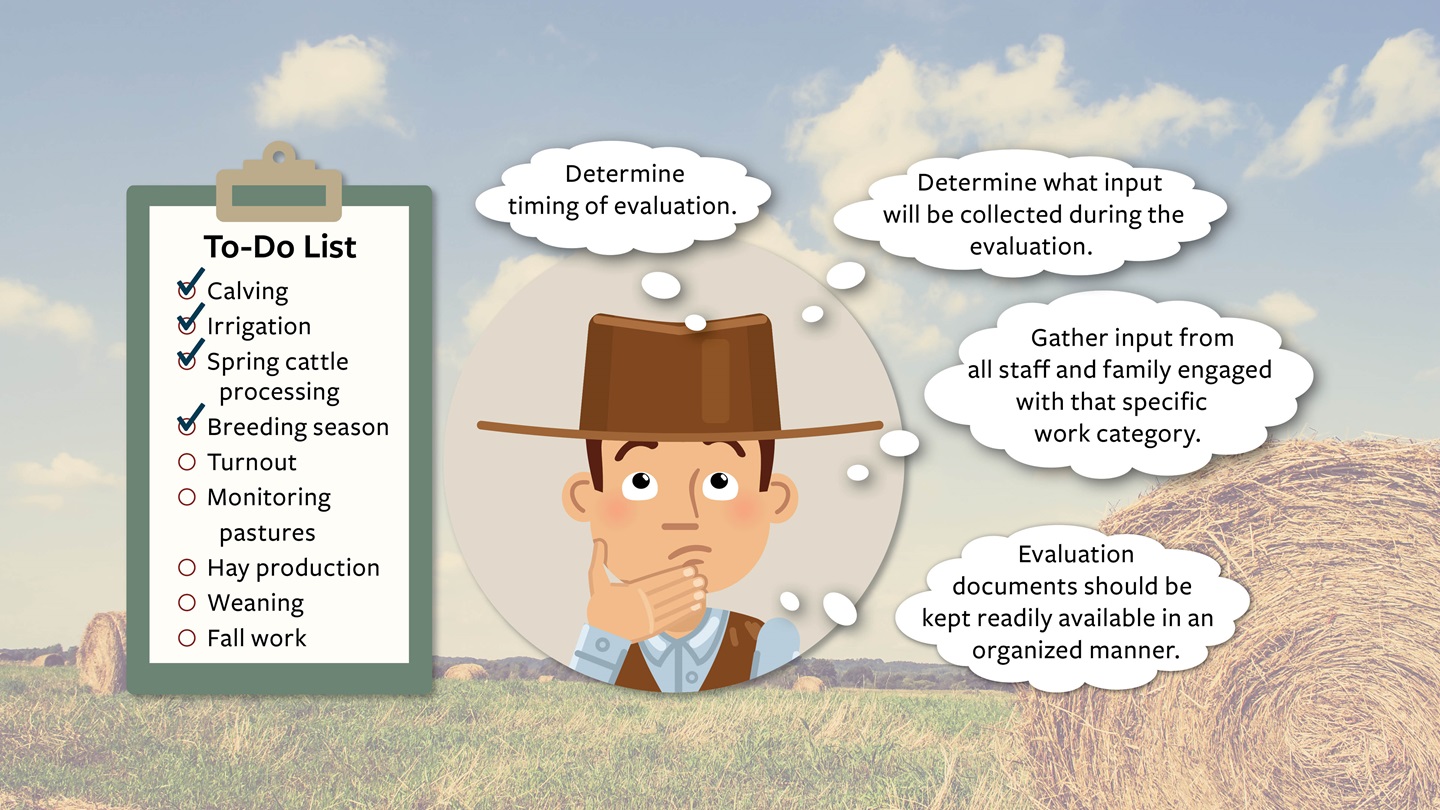
On a ranch, for example, we move so quickly from calving to irrigation to spring cattle processing, preparing for breeding season, turning out and monitoring pastures, hay production, weaning and fall work that minimal — if any — time is allocated to pause, reflect and evaluate. The same is true for seedstock, feedyard and stocker enterprises.
Different perspective
Twenty-five years ago, I had the opportunity to spend time with a collegiate basketball coaching staff as part of a leadership development program. From my time observing their approach, I learned several important lessons:
- Excellence requires more than adroitly playing the game; preparation born of reflection and careful evaluation is essential for sustained success.
- In the heat of a game, during a timeout, the coaches would huddle as the head coach listened to concise input from his staff to inform his decision. He wanted to see the challenge from multiple perspectives.
- Every game was followed by an organized evaluation process — not to place blame, but to seek growth and improvement. Thus, both coaches and players were engaged.
- The basketball season is demanding and even chaotic, but the process of evaluation was deeply valued. Even when time seemed extremely short in supply, and while complete control was never assured, the preparation process was honored.

Applying lessons
Certainly, managing a ranch is not basketball; but, perhaps there are a few ideas to be gained. We find ourselves operating as a run-on sentence without pause or punctuation — continuously in motion as we move from activity to activity and task to task. In the process, we tend to keep our eyes focused on the next thing while rarely making the time for reflection and evaluation.
However, the pursuit of continuous improvement demands that time and attention be set aside for the important work of assessing the good, the bad and even the ugly of our process, decision-making and outcomes.
In the face of multiple demands, adding an evaluation process is easy to ignore, and even more so if the concept seems process-heavy. Reflection and evaluation need not be overly complicated, and the process can be modified to fit the needs and cadence of an individual enterprise.
The first step is to determine the timing of evaluation. As a starting point, choose either a one-hour monthly meeting, or schedule the evaluation session within a few days of completing a major cycle of work such as calving, breeding season, fall processing, haying season and so forth. Gaining the benefit of evaluation will depend on committing to a workable schedule that informs without causing additional complications in an already challenging business.
The next step is to determine what input will be collected during the evaluation. Consider taking a sheet of paper and creating two columns underneath a heading of either the month or event being evaluated. The column headings are simple — “keep doing” and “change.” This approach keeps the focus on determining what went well and what improvements could be made after evaluating the problems or challenges encountered.
Gathering input should include all staff and family who were engaged that month or in that specific work category to harvest the full spectrum of good ideas. Finally, the one-page documents should be kept readily available in an organized manner and revisited quarterly to assure the suggested pivots or changes can be effectively implemented in the next season.
Committing to team meetings focused on evaluation and reflection is an important step in the pursuit of continuous improvement. It will increase team cohesion when the process is focused on growth and improvement.
If this seems uncomfortable, identify a successful leader in another profession and ask them for input as to how they build reflection and evaluation in their organizations.
Being intentional about making room for the “pause” will be a game changer.
Editor’s note: In “Outside the Box,” a regular, separate column in both the Angus Journal ® and the Angus Beef Bulletin®, author Tom Field shares his experience as a cattleman and his insightful perspective on the business aspects of ranching. Field is director of the Engler Agribusiness Entrepreneurship Program at the University of Nebraska–Lincoln, where he holds the Paul Engler Chair of Agribusiness Entrepreneurship.
Related Content


Current Angus Beef Bulletin
Our November issue focuses on the females of the herd and the records that validate them.