Foot Rot in Cattle
How to address foot rot, an infectious disease of cattle, causing swelling and lameness, in your herd.
July 20, 2021

by Rosslyn Biggs, Oklahoma State University
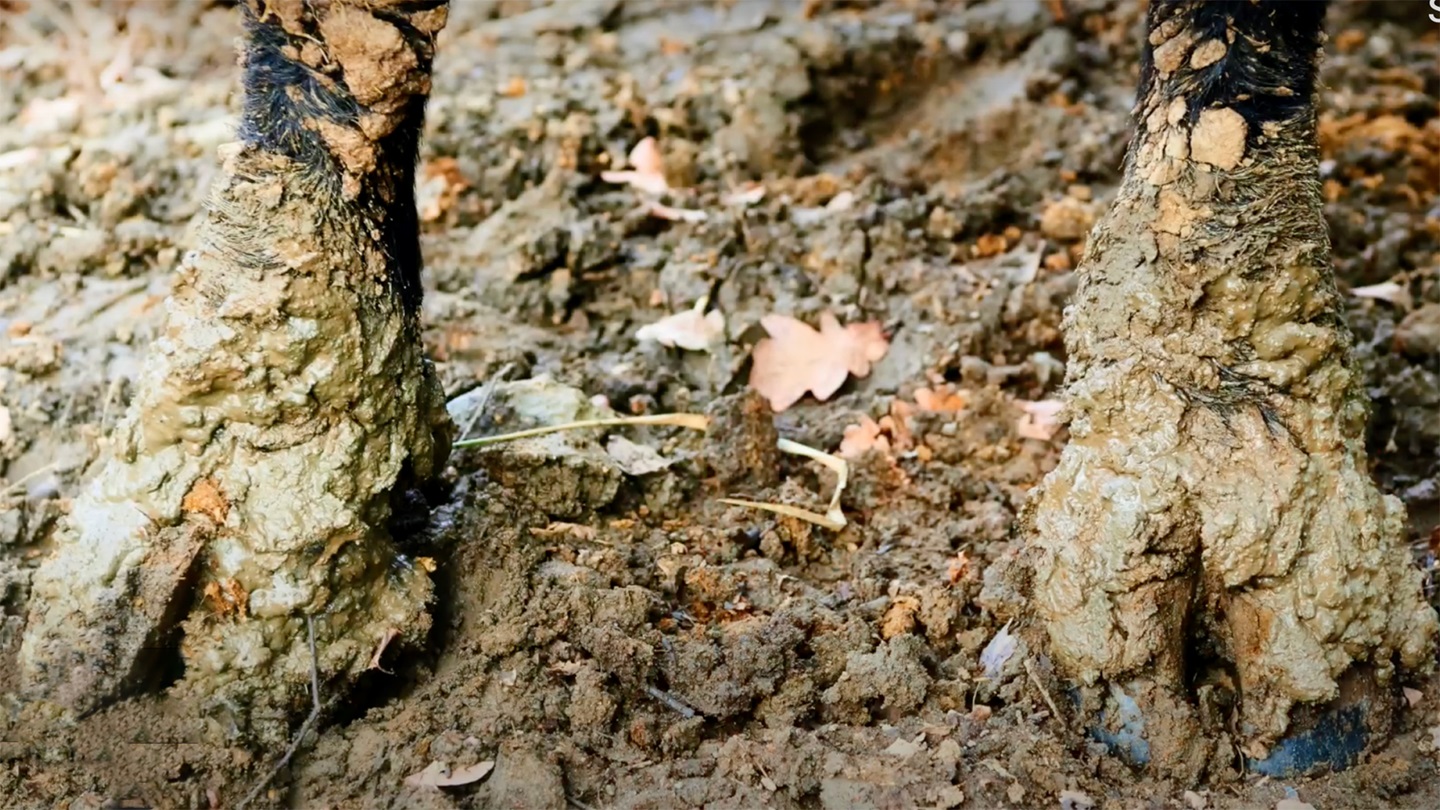
Foot rot is an infectious disease of cattle, causing swelling and lameness in at least one foot. The associated lameness often leads to decreased appetite and overall performance. It is not uncommon for multiple animals in a herd to be affected.
Foot rot can occur in cattle of all ages, and cases are often seen in wet and humid conditions, but can also occur when it is hot and dry when cattle congregate together. Standing in pens or lots heavily contaminated with feces and urine softens the skin and provides high exposure to the causative bacteria. High temperatures and humidity will also cause the skin to chap and crack, leaving it susceptible to bacterial invasion.
Fusobacterium necrophorum is the bacterium most often isolated from infected feet. This organism is present on healthy skin, but it needs injury or wet skin to enter the deeper tissue. F. necrophorum appears to act cooperatively with other bacteria to cause disease. Moisture, nutrient deficiency, injury or disease can result in compromised skin or hoof wall integrity, increasing the likelihood that the bacteria will invade the skin.
Diagnosis of foot rot is typically made following thorough cleaning and examination of the foot, particularly the space between the digits following sudden lameness. Fever may also be noted. If treatment is delayed, deeper structures of the foot may become affected, leading to a chronic condition and decreased chance of recovery.
Once foot rot has been confirmed, treatment should be administered. Antibiotics and pain medications along with addressing housing and environmental conditions should be considered. A vaccine does exist, but producers should consult with their veterinarian to see if it is a good option. As with most infectious diseases, affected cattle should be isolated.
Notable improvement should be seen within three to four days following treatment. If the animal is not responding during this period, it should be evaluated by a veterinarian. “Super foot rot” has been seen in certain areas of the country. It is more aggressive and is not as responsive to standard treatment.
Additionally, there are multiple other conditions that cause cattle lameness. Producers should consult with their veterinarian on diagnostic and treatment options, particularly for lameness that does not resolve in the time expected. Approximately 20% of all diagnosed lameness in cattle is not foot rot.
Editor’s note: Rosslyn Biggs is an Extension beef veterinarian at the Oklahoma State University College of Veterinary Medicine.
Angus Beef Bulletin EXTRA, Vol. 13, No. 7
Topics: Health , Animal Handling , Management
Publication: Angus Beef Bulletin
Related Content


Current Angus Beef Bulletin
Our November issue focuses on the females of the herd and the records that validate them.