Eyes in the Sky
Canadian researcher uses drones in conjunction with virtual fence.
June 3, 2026
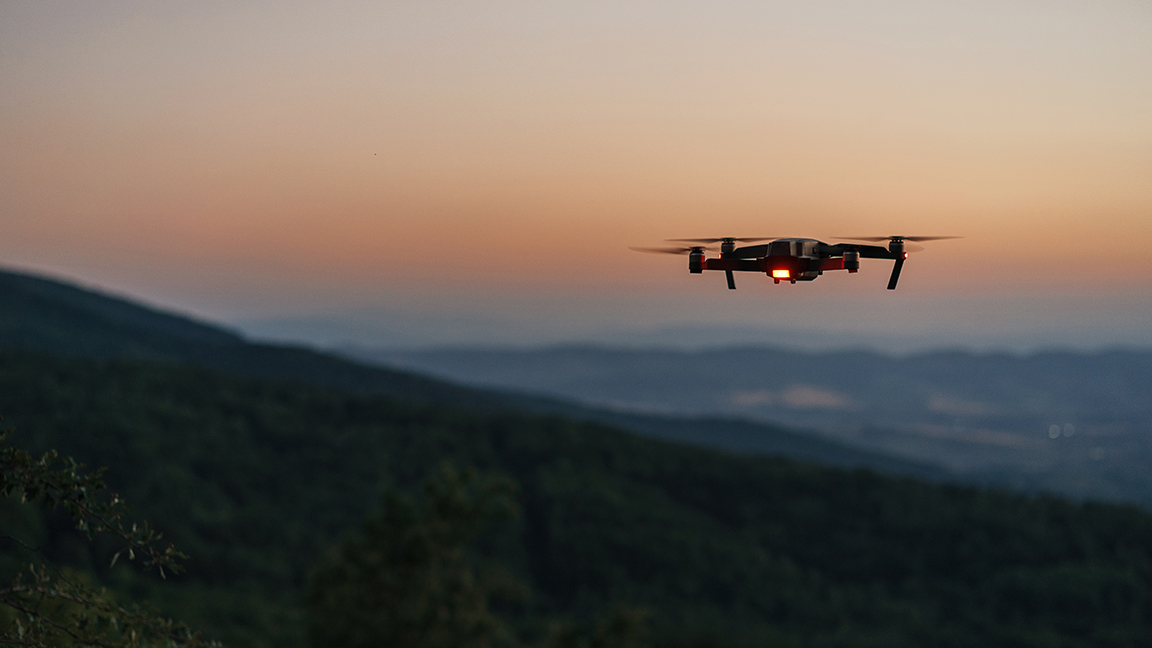

John Church has been doing research for many years to find ways to improve production and sustainability on cattle ranches. A professor of natural resource science at Thompson Rivers University, Kamloops, B.C., he teaches ag students and is the BC Regional Innovation Chair in cattle industry sustainability. His job is to bring new techniques and new technologies to the table to make ranching more sustainable.
Church says he first started thinking about using drones 15 years ago when he watched children playing with toy drones in a park and realized a person could see what that camera was seeing from up in the air.
“This is a great way to extend your vision. This alone is a huge benefit to cattle ranchers,” he says. He began working with drones — their cameras and heat sensors, etc. — and teaching his students how to use them.
Drones and their capabilities have improved tremendously. In the past few years they have proven to be a great tool to augment and aid the day-to-day operation of a ranch if you want to look at what’s over the ridge or in a group of trees, or some other place you can’t access as readily or immediately.
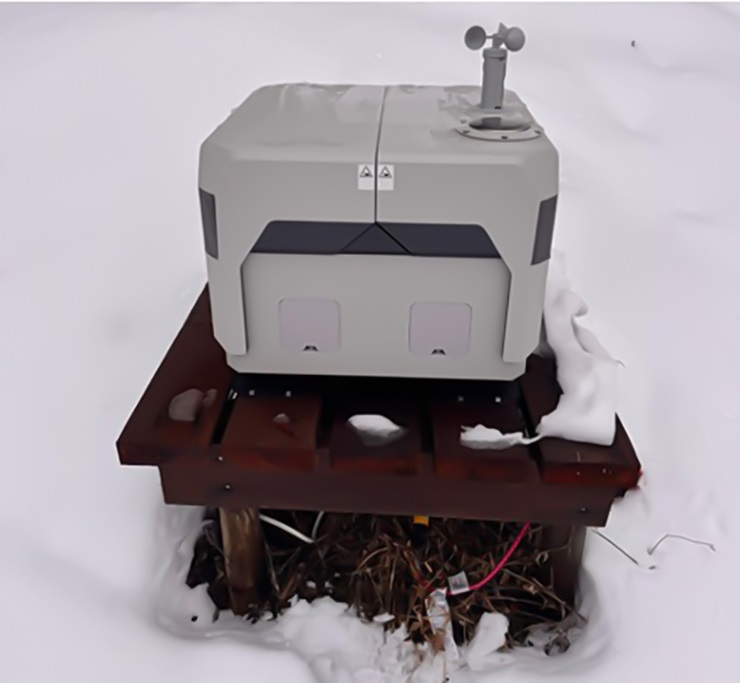
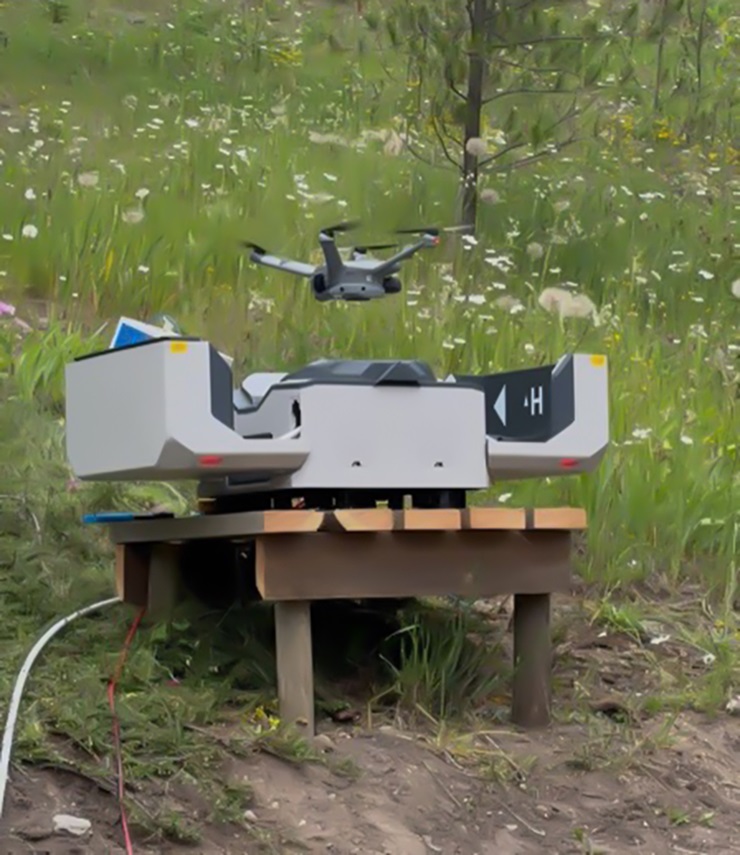
“In addition, I have done a lot of work on Precision Ranching where we are using virtual fencing collars, but the unique thing about our research is that we have integrated the collars with a drone-in-a-box solution (DJI Dock 2). Now I can fly a drone remotely from anywhere in the world to check on my cattle on range pastures. We can fly very quickly to the locations supplied by the GPS coordinates on the collar,” he says.
“I think there is definitely some benefit to producers if they are aware that the technology currently exists to do this. If someone wants to learn more, we could even arrange for a live demonstration of our system,” says Church.
He is currently living and working in Xanxere, Brazil, where he is collaborating with Brazilian researchers at a small university in Santa Catarina on genetic projects to produce heat-tolerant composite cattle, and he has been using his drones to check on cattle in British Columbia.
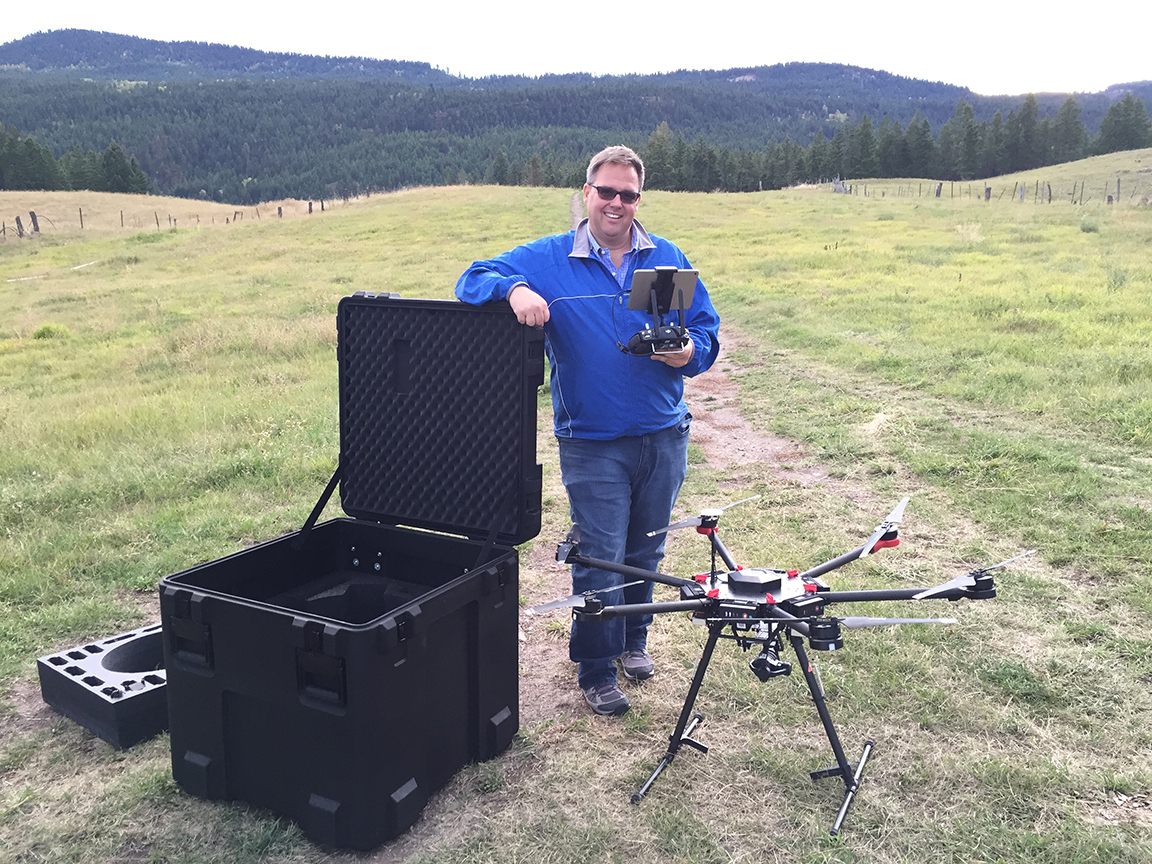
“This is a great way to extend your vision,” says John Church of the drone technology. Church uses drones to check cattle in British Columbia while he working in Brazil.

“My drone is being operated by a master of science student (Felipe Futema) that I am supervising here in Brazil, who is 7,500 miles away. The main drone for the small demonstration herd at Wildrye ranch in central British Columbia is being operated by a student from a laptop here in Brazil, from his home in San Paulo State. He remotely flies and checks on the cattle on a daily basis,” says Church.
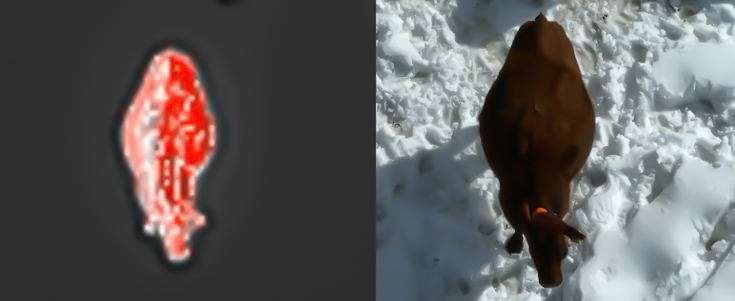

Drones and virtual fencing are both quickly moving from concept to practical ranch tools, and the combination could fundamentally change how cattle are managed across large landscapes. Speaking at the first Ag Drone Summit in Camrose, Alta., earlier this year, Church stated that both virtual fencing collars and drone technology have reached a tipping point after years of development. The idea of virtual fencing has been around for decades, but recent advances have made these tools “farmer ready” and are now being utilized on working ranches.
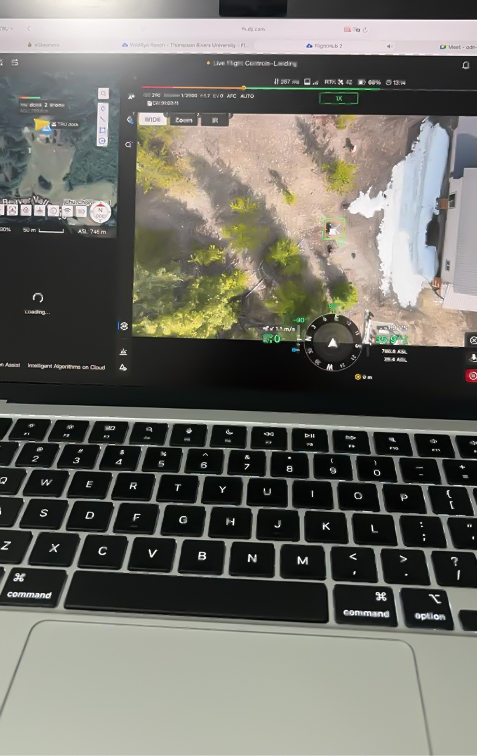

Drones and virtual fencing are both quickly moving from concept to practical ranch tools, and the combination could fundamentally change how cattle are managed across large landscapes.
Cost is still an issue; the collars, infrastructure and subscription fees are expensive. But, when compared to traditional fencing, especially in difficult terrain or post-disaster rebuilds, the economics change. Church pointed out one case in which replacing fire-damaged barbed-wire fencing was estimated at more than $500,000, while a virtual fencing system would be roughly $86,000, with the additional advantage of flexibility for rotational grazing and herd movement.
The technology gets even more interesting when pairing collars with drones. By linking GPS data from individual animals directly to a drone, producers can locate cattle with remarkable accuracy in a fraction of the time.
“We can use that GPS location and quickly transfer to the drone and it will fly right there. Even after 10 minutes, 85% of the time the animal will be at that location.”
As integration of these technologies improves, Church envisions even greater potential, particularly in combining livestock tracking with advanced sensors for pasture management.
Editor’s note: Heather Smith Thomas is a freelance writer and cattlewoman from Salmon, Idaho. [Photos courtesy of John Church. Lead photo by Pixelfit, iStock / Getty Images Plus.]
Angus Beef Bulletin EXTRA, Vol. 18, No. 6-A
Topics: Equipment / Facilities , Management , Success Stories
Publication: Angus Beef Bulletin
Related Content


Current Angus Beef Bulletin
Our November issue focuses on the females of the herd and the records that validate them.