



From the Field
Notes from your regional managers on preparing for calving season.
February 19, 2026
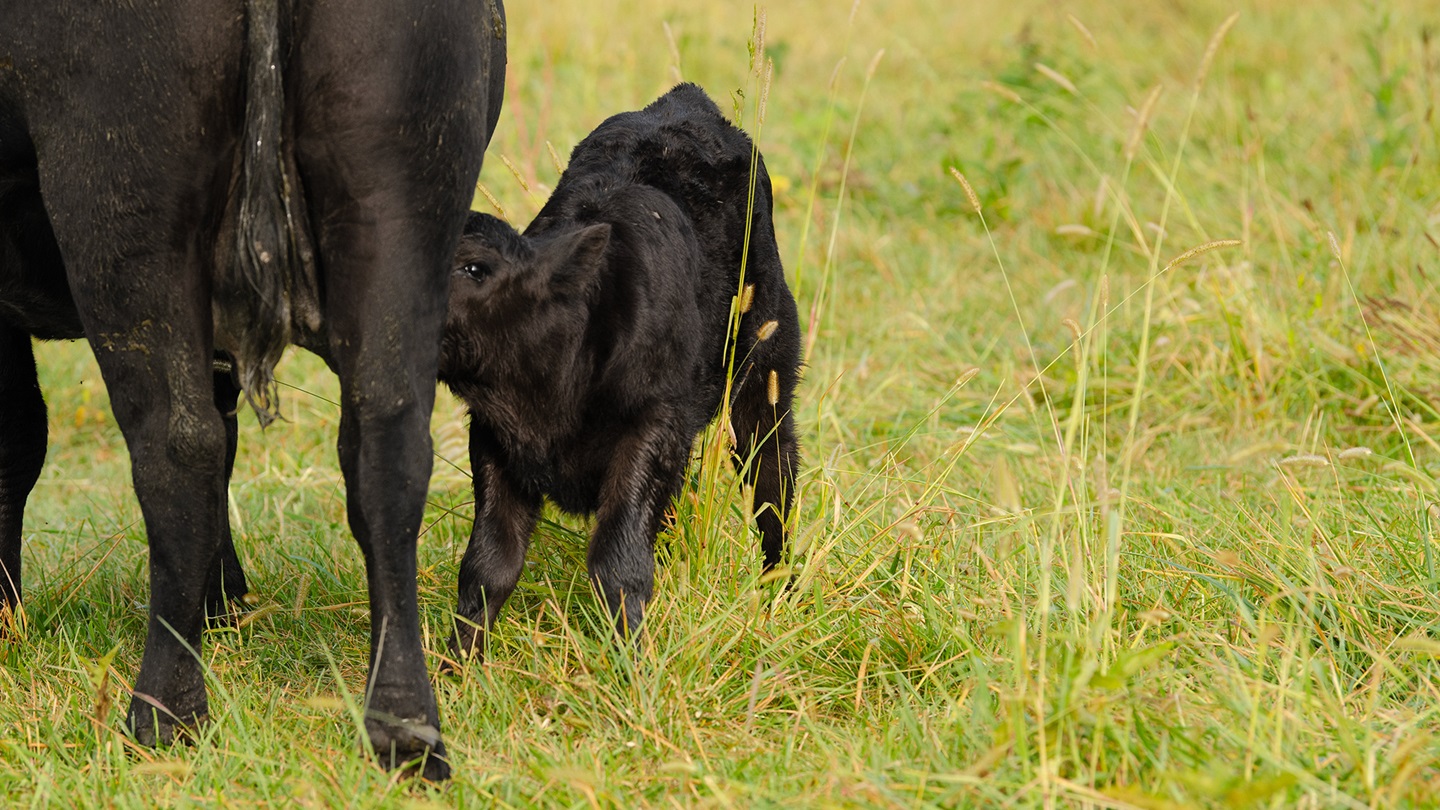

 One of my favorite things in the world is listening to a newly calved cow talk to her calf. There seems to be so much communicated in such a short amount of time, but — if all goes well — those crucial first moments can set the tone for a calf’s future success well down the line.
Our cows work for us day in and day out. With that in mind, in this month’s edition of “From the Field,” our team visited with regional managers (RMs) David Gazda, Trevor Haney and Landon Andrews regarding preplanning, why calving preparedness is important, why you should reach out and renew the relationship with your veterinarian, and more.
Identifying your goals
Every rancher hopes for healthy, happy cow-calf pairs by the time calving season concludes. The chance of that happening depends heavily on having a well-executed strategy.
Planning for success starts well in advance of calving season, says Haney, RM for Region 13.
“If I was helping a producer make a plan for calving season, I would say start off with your goals,” Haney says, explaining that the direction you want your cow herd to go and how cattlemen intend to market calves have a heavy hand in prebreeding decisions. “It all starts from what genetics you bring in and how you want to market those calves, whether you’re keeping replacements, a terminal herd or a little bit of both.”
The right answer will be different for each cow-calf producer, but coming to a decision on the question is critical to plan strategically for the future.
Another factor that plays into success, says Haney, is cow nutrition. Body condition scores and a good understanding of minerals available can yield a great deal of information that can be used to effect positive change within the herd.
“If you don’t have [a plan] in place or your cattle aren’t in good shape, that can put you behind the ball,” Haney concludes.
Be prepared
For Region 11 RM Landon Andrews, preparation extends to facilities and equipment, as well.
Whether that means going over facilities to ensure they’re safe prior to calving or digging out the calving supplies to restock and evaluate, time spent preparing now can save precious seconds down the line.
“I would recommend producers be prepared,” Andrews reiterates. “Depending on your situation, you need to have your cows accessible and have a catch pen or trap you can put them in as they get closer.”
Having cows and heifers accessible so you can keep a better eye on them can provide cattlemen peace of mind, but what happens if calving doesn’t go exactly as planned?
“Have everything on hand — chains, antibiotics, colostrum, a drench gun. Have everything you need,” stresses Andrews, noting that Murphy’s law is always in play.
When it comes to supplies, Andrews recommends visiting with your veterinarian about which medications, antibiotics and products to keep on hand.
“If it starts losing its value or it starts not working, you may need to consider switching brands, switching things up and getting a different [product],” notes Andrews.
Know when to step in
When cattle have problems calving, it’s never a good realization. For Region 2 RM David Gazda, it seems like dystocia happens in the middle of the night or some other unfortunate time.
“It’s not going to be during the daytime hours. When it’s kind of an emergency situation, it never fails,” Gazda says.
You don’t need your veterinarian an hour and a half or two hours down the road, he adds. You need them right then.
“Have a good relationship with your large-animal [veterinarian] — someone who understands how to assist an animal if you have to pull a calf, reposition it or you have to do a C-section,” Gazda stresses. “It’s pretty important.”
For Gazda, taking chances is something he doesn’t tend to advise.
To know when there is an issue, producers need to be familiar with what a normal presentation looks like and how quickly a cow should proceed through the stages of labor, as well as how a healthy newborn calf looks and acts.
“I tend to err on the side of caution. It never fails that you will go out and you see one, but don’t know exactly what stage of labor they’re in,” Gazda says, explaining that producers ought to see feet fairly quickly. “Even though I think sometimes we may be jumping the gun a little bit, a dead calf doesn’t do you much good.”
Editor’s note: “From the Field” is a regular Angus Beef Bulletin EXTRA column featuring advice, industry news and Angus updates from regional managers of the American Angus Association. For information on how to contact your regional manager, click here. [Lead photo by Shauna Hermel.]
Angus Beef Bulletin EXTRA, Vol. 18, No. 2-B
Topics: Health , Management , Reproduction
Publication: Angus Beef Bulletin
Related Content


Current Angus Beef Bulletin
Our November issue focuses on the females of the herd and the records that validate them.