


From the Field
Notes from your regional managers on what to keep in mind when selecting your next bull and seedstock supplier.
January 21, 2026
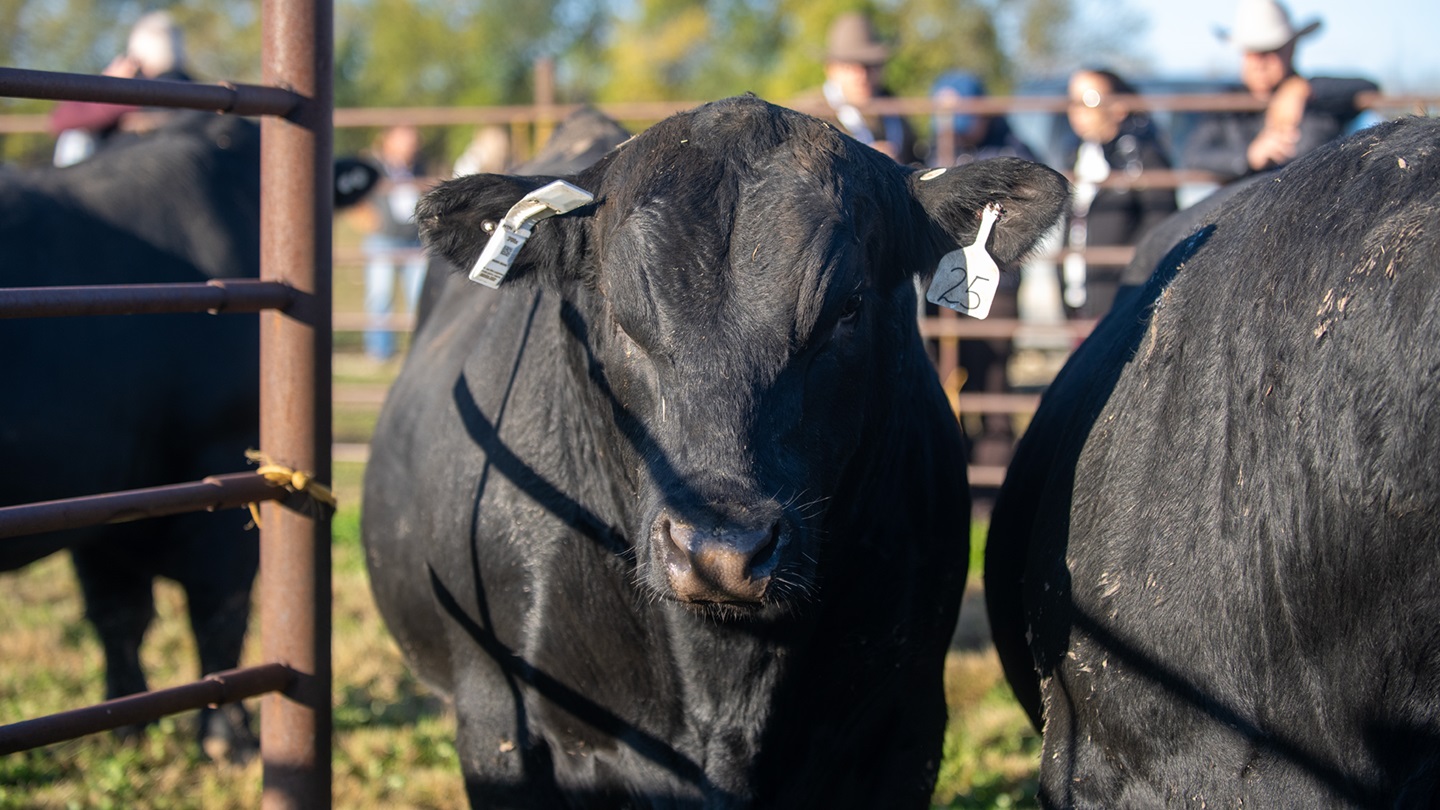

 For many parts of the country, bull sale season is upon us! No matter what you’re looking for — whether in a seedstock supplier or individual bull — chances are you can find it within The Business Breed. But, how do you go about making your selections?
In this month’s edition of “From the Field,” we visited with regional managers (RMs) Kurt Kangas and Radale Tiner to discuss how to find a seedstock provider, what tools are available to help make selections on bulls and why building a relationship with your seedstock supplier is important.
Making connections
From the outside looking in, the beef business could be seen as solely focused on the livestock. For those involved with cattle daily, we know it’s equally focused on the people.
This is a people business, and people really do tend to gravitate toward people, says Kangas, RM for Region 10. While a lot of bulls in his region sell on reputation and a history of customer service, Kangas says technology is opening doors to help match commercial producers with breeders and bulls.
“The technology today has really changed the way that this bull business is run. Where it used to be that people would call the owners of the cattle and visit with them, now they can jump online, take a look at the videos and sort cattle a hundred different ways,” Kangas says. “That makes it a lot easier for people to find those bulls they’re looking for.”
Finding bulls that fit the bill is certainly important, but finding a seedstock provider who is a match to your operational goals is potentially just as high on the list.
“It’s of the utmost importance. Find somebody who is on the same page as you, and ride the wave together,” stresses Tiner, RM for Region 9. “If your seedstock provider is successful, they want you to be successful and vice versa, right? Find somebody that you know, that you like and that you trust.”
While online tools help narrow down the pool of potential bulls, Kangas recommends people go look at the cattle in person before purchasing.
“There are ranches that have people buy on order all day long, and that’s effective for those larger ranches,” Kangas says. “If you can make it to the sale, put eyes on them.”
The Angus toolbox
When it comes to the tools available to both Angus producers and those looking to purchase Angus bulls, the options abound. Knowing where your operation is currently and identifying where you want to head in the future is helpful when breaking into the Angus toolbox.
“Figure out where you need help in your cow herd,” Tiner recommends, “whether it’s wanting to focus on maternal traits, needing to increase milk, increasing weaning weight or bumping up yearling weight — whatever it is. Maybe my cows are getting too big and I want to lower mature weight. Start identifying where you need to improve and draw those lines in the sand.”
For anyone looking to purchase Angus cattle, the Sale Books web page on Angus.org is one of the best resources available, says Kangas.
“If you’re looking for Angus cattle, [Angus.org] is the best for trying to find sale books for those different programs that you might be interested in,” Kangas adds, pointing to a search option that allows potential buyers to set parameters for what they are looking for and then to search the sale books posted online. “Some of those sale books out there will be sortable, and that’s really handy for the buyers who know what traits they’re looking to focus on.”
When it comes to sorting sale books online, a major starting point would be identifying which expected progeny difference (EPDs) a producer is looking for, Tiner says.
“Breaking it down and going, ‘OK, I want something that’s 2.0 or lower on birth weight.’ Or ‘I want something that’s got at least an 80 on weaning weight.’ Whatever the numbers are that they’re wanting,” Tiner says. “That gives you a list of everything that you need to look at in that book. If birthweight is a major concern for you and we know something has a huge birth weight number, there’s no need wasting our time looking at him.”
Generating a list of bulls that meet your own criteria — whether that is birth weight, weaning weight or calving ease — is a very powerful tool, Kangas notes, referring to the watchlist feature.
“Even if you have a paper sale book in front of you, you can go online, search and generate a list that you can then make your decisions on,” Kangas says. You can even have the watchlist emailed to yourself or someone else at a specified time before the sale.
Online videos are another powerful tool to combine phenotype and genotype when making decisions, he adds.
Not going to be able to attend to view cattle in-person? Kangas recommends leaning on your support system.
“In any sale book, there’s a list of representatives that will be there. Whether it’s the ranch, regional managers or anybody else listed in that sale book, those guys are great assets to use to get eyes on the cattle. They’ll represent them to the best of their ability.”
Editor’s note: “From the Field” is a regular Angus Beef Bulletin EXTRA column featuring advice, industry news and Angus updates from regional managers of the American Angus Association. For information on how to contact your regional manager, click here.
Angus Beef Bulletin EXTRA, Vol. 18, No. 1-B
Topics: Reproduction , Selection , Management , EPDs , Genetics
Publication: Angus Beef Bulletin
Related Content


Current Angus Beef Bulletin
Our September issue focuses on the females of the herd and the records that validate them.