



Hold Up a Bit on That Lice Control
Tips for when to time lice control application for greatest effect.
November 4, 2025

by Kirk Ramsey, Neogen
When I hear the word lice, two pictures come to mind: One is of me as a kid, lined up with my friends on a cold Idaho morning, waiting for the school nurse to tell us we couldn’t share hats anymore. The other is of my cows in winter, rubbing themselves raw against the feed wagon as I beg them to move so I can finish chores in the snow. Different scenes, same reminder: As long as mammals have existed, so have lice. The reality is when it comes to lice, “an ounce of prevention is worth a pound of cure.”
Application timing and best practices
Timing lice control is what makes prevention difficult.
One of the most common wintertime complaints cattle veterinarians receive is that cattle still have lice even though they were treated the last time they were worked. Most spring-calving herds do all their herd work in the fall. This means cattle are vaccinated, checked for pregnancy, dewormed and treated to prevent lice in October or November. The problem with that logic is that, in many parts of the country, very few lice will be present at that time. It may be a month or two until the weather deteriorates enough for lice to really be a problem. To reduce risk and create control measures, understanding the life cycle of lice and targeting application times are paramount.
To achieve season-long control, you must break the life cycle. If treatment is completed too early in the fall, it’s possible only adult lice will be eliminated, not the eggs they laid. Producers will not have that season-long effect because the life cycle was not broken.
Where you will really find success is using a product labeled for lice that has an insect growth regulator (IGR) to help break the life cycle of the louse. Selecting a formula that includes an IGR, such as diflubenzuron — which disrupts nymph maturity — minimizes handling time and labor costs. It’s key to note here that most products include an adulticide, which treats adults, but the adulticide will not affect nymphs or eggs.
When selecting an insecticide, be sure to consider its active ingredients and mode of action. It is important to also consider that insecticide resistance may be present in ectoparasite populations in various geographic locations, so a chemical control strategy that rotates between classes of insecticides is recommended.
Breaking the life cycle
The key to breaking the life cycle is to first understand how lice develop. First, you have eggs — also referred to as nits, which develop into nymphs within 10-20 days, which then transform into adults. Adults live from two to six weeks, with the female laying 30-60 eggs in her lifetime. It may not seem like that massive of a number, but it is a decent number when considering this is just from one female, and you are never going to have just one in an infestation.
The key to breaking the life cycle is to first understand how lice develop.
Signs of lice
Clinical signs of lice in cattle can include intense itching, patchy and flaky skin, hair loss, lethargy, decreased gain, and weight loss. Cattle can become anemic, look very ill and have a poor hair coat. A study from the University of Nebraska indicates heavy lice populations may reduce weight gain by as much as 0.21 pounds (lb.) per day.
Types of lice
There are two types of lice: sucking and chewing. In its simplest form, chewing lice feed off skin debris and hair, to some extent, which causes itching. Sucking lice feed on blood, causing anemia and pathogen transmission. The sucking louse can be a biological vector for diseases like anaplasmosis or theileriosis.
Lice can be present on the skin surface at the base of the hair. They also have a predilection for the face, neck, shoulders, back and tailhead of the animal.
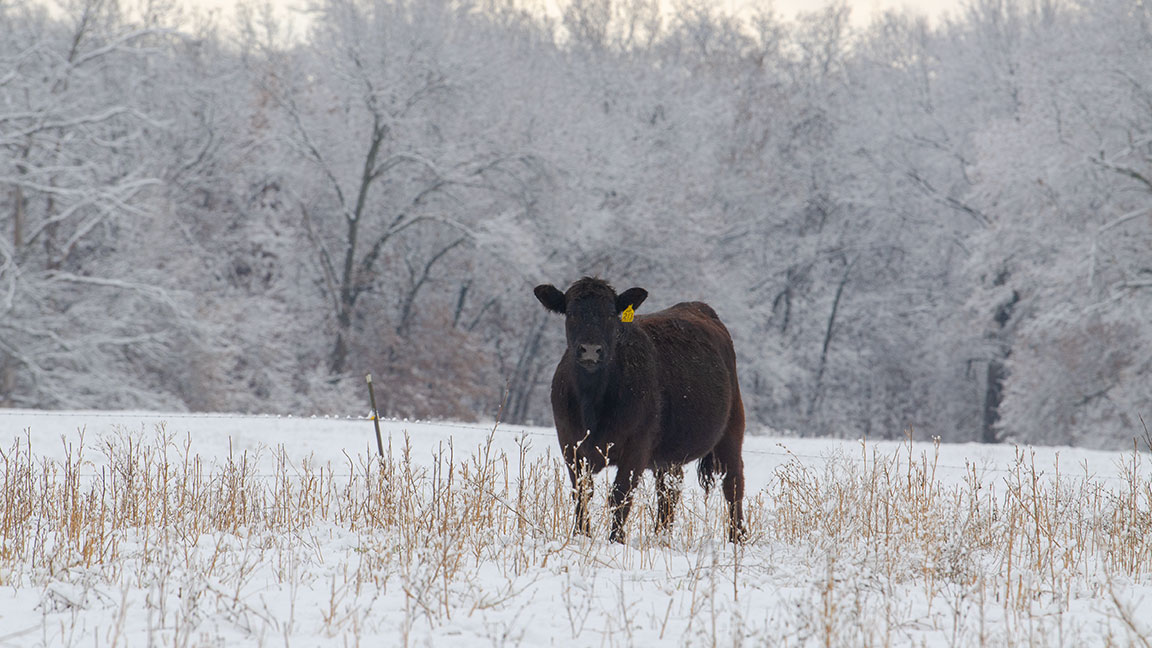
Editor’s note: Kirk Ramsey is a professional services veterinarian with Neogen, which supplied this article. To continue learning, visit neogen.com and speak with your herd health veterinarian. [Lead photo by Shauna Hermel.]
Angus Beef Bulletin EXTRA, Vol. 17, No. 11-A
Topics: Health , Management
Publication: Angus Beef Bulletin
Related Content


Current Angus Beef Bulletin
Our September issue focuses on the females of the herd and the records that validate them.