



From the Field
Notes from your regional managers on winter-feeding and weather challenges.
November 19, 2025
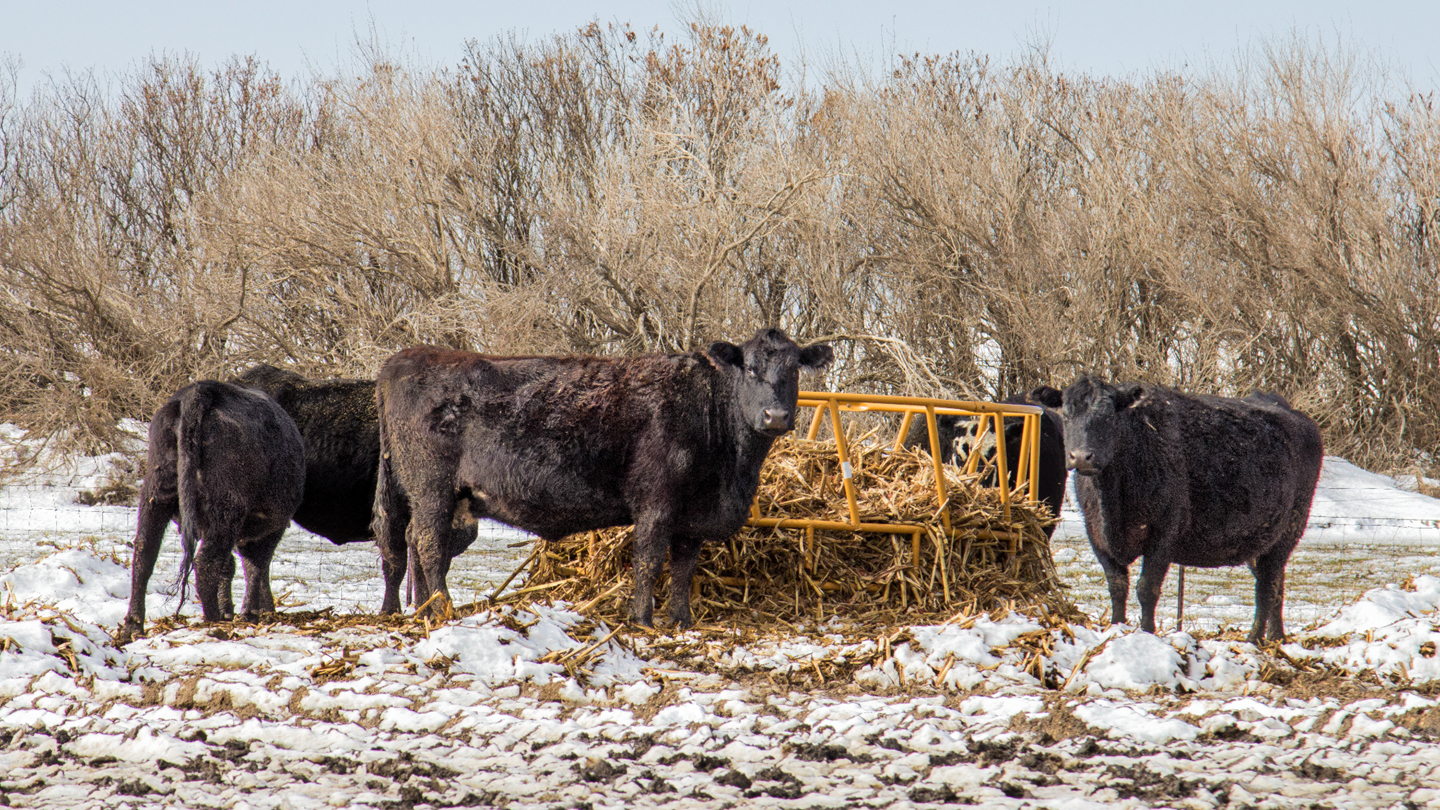

 Meteorologists are trying their best, but getting a handle on what this winter could look like is next to impossible with Mother Nature ping-ponging between seasons so late in the year. While some regions are in a good spot when it comes to forages for winter feeding, the temperature swings and potential winter weather have many producers prepping a bit more this year.
In this month’s edition of “From the Field,” we visited with regional managers Will Harsh and Radale Tiner to discuss what winter-feeding typically looks like in their regions, as well as the challenges winter weather might present this season.
Options for winter feeding
When it comes to feeding cattle in the winter, strategies vary — much like the unique environments within which Angus cattlemen across the country operate.
One thing that doesn’t change: the need to deliver the correct amount of protein and fiber to keep cattle (and their rumens) functioning at an optimal level.
Region 9 producers — whether they’re on the Gulf Coast or feeding cattle on the New Mexico state line — set out to tackle those requirements in much the same way, says Tiner.
“For a lot of producers in [Texas and New Mexico], a combination of grazing and supplementing cattle with cubes seems to work well,” says Tiner, noting that some producers may choose a different method. But, that wouldn’t be common practice. “Cows out on some kind of forage is much more the norm.”
Depending on the part of Region 9 in question, those forages can be quite different. From Coastal pastures to irrigated wheat or triticale, native grass and even cornstalks, the right balance of forage with protein can serve cattle well over the winter.
The story of topographical differences is much the same in Region 7.
“We’re really fortunate to have a corn and row-crop influence across the flatter parts of Nebraska and Colorado,” says Harsh when quizzed on typical winter-feeding trends in the area. “Our region is so environmentally diverse. Whether it’s the Sandhills; the flatter, row-crop parts of Nebraska; the high mountain country of Colorado; or the northeastern front range of Colorado, we have very unique environments.”
Those differences mean, much like Region 9, producers in Region 7 are able to take advantage of local resources, including an abundance of corn silage.
With corn prices what they are, many producers in Nebraska and Colorado have decided to capitalize on feeding corn silage once cattle are done grazing this fall.
Winter weather challenges
Unseasonably warm temperatures and increased moisture in parts of the country are certainly to thank for the extended grazing days some producers are now enjoying, but all good things must come to an end.
The trick is making sure cattlemen (and their cattle) are ready for the swift change in temperatures that might be headed their way.
“The challenges that would probably affect my area the most are the really nasty pop-up winter blizzards and harsh winter events that seem to happen around the first of the year,” Harsh explains. “Our producers often try to strategically move cattle where they’re going to have some sort of a windbreak or a barrier to help keep cattle out of the elements as best they can.”
While the extended cold weather is less of an issue farther south, sharp changes in temperature continue to be a plague when it comes to herd health.
While a solid herd health plan and nutrition can help to keep cattle on the straight and narrow, Tiner notes keeping cattle healthy can be daunting when temperatures drop suddenly and rise again.
“It seems like the last several years, the coldest part of our winter is late January and into February,” Tiner says, pointing out that, despite cold days in late fall to early winter, the snow and ice seem to hold until after the new year. “For now, the biggest challenge is keeping cattle healthy when you see all four seasons in one day.”
Editor’s note: “From the Field” is a regular Angus Beef Bulletin EXTRA column featuring advice, industry news and Angus updates from regional managers of the American Angus Association. For information on how to contact your regional manager, click here. [Lead photo by PBouman from Getty Images.]
Angus Beef Bulletin EXTRA, Vol. 17, No. 11-B
Topics: Feedstuffs , Health , Industry Insights , Management , Nutrition
Publication: Angus Beef Bulletin
Related Content


Current Angus Beef Bulletin
Our September issue focuses on the females of the herd and the records that validate them.