



Armor Up Against Bovine Respiratory Disease
With weather changes approaching, reacquaint yourself with preventing and treating bovine respiratory disease.
October 7, 2025

There are plenty of things to love about fall, but new babies, crisp air and the first freeze (hopefully signaling the death of biting flies for the season) are at the top of my list this year. While those cooler temperatures are welcome after a warm and humid summer, temperature fluctuation and potential weaning stress necessitate familiarizing ourselves with prevention and treatment of bovine respiratory disease (BRD).
On this episode of the Angus at Work podcast, our Angus Beef Bulletin team visited with Ron Tessman, veterinarian and beef cattle technical consultant with Elanco, regarding why producers should be concerned about BRD, how to prevent illness, treatment options for sick cattle and why nutrition is critical to setting cattle up for future immunity.
The ABCs of BRD
One of the things about cattle, says Tessman, is that their lungs are smaller physiologically than other species relative to their size. While increased efficiency does mean the average animal is larger than previous years, even well-managed herds can still battle with BRD.
All of this means cattle are just a little more prone to bacterial pneumonia than some other species. So, when BRD does pop up, how do we mitigate the severity of the illness in our herds?
“I always say it as a joke, a little bit because I trained vet students for several years: When you graduate from vet school, you’re an expert on BRD. You know the four bacterial pathogens (Mannheimia, Pasteurella, Histophilus and Mycoplasma); you know the four major viruses [infectious bovine rhinotracheitis (IBR), bovine viral diarrhea (BVD), bovine respiratory syncytial virus (BRSV) and bovine parainfluenza-3 (PI3) virus], and you know that it’s [caused by] stress,” says Tessman. “So you’re an expert, but we still haven’t really solved that puzzle.”
You may have heard the adage, “An ounce of prevention is worth a pound of cure.” That is one statement Tessman’s team at Elanco echoes. Working with an individual to understand their operation and herd is crucial to developing an effective targeted recommendation, he says. After all, he can make a broad recommendation to prevent BRD, but it’s always going to be wrong.
— Ron Tessman
“It’s never going to fit everybody,” Tessman notes. “I think it’s important to try and understand exactly [which] management practices may be leading to [illness] and how we can work through that in a more systems-type approach.”
An ounce of prevention
It’s clear that preventing BRD infection is in the best interest of cattle, as well as cattlemen. Where better to start than the heart of a healthy calf — its mother. It can be easy to forget, when focusing on the disease, the influence a well-developed immune system has on safeguarding cattle from illness. Development of that immune system begins while calves are still in utero.
“We’ve got to really look back to that cow because we want that cow in good condition. If that cow is in good condition, good nutrition, that calf is going to grow great in utero,” says Tessman. “It’s going to have all of the good things that it needs to set up its immune response. Then when it hits the ground, that cow — hopefully — will have great immunoglobulins in her colostrum. Now we have a healthy calf, and then that healthy calf can go on and then grow and respond.”
Providing adequate nutrition to growing and pregnant females, developing a comprehensive herd vaccination protocol, ensuring calves have access to and consume high-quality colostrum, and managing calves effectively all play into future success.
While vaccination plays an important role in keeping cattle healthy, it is possible to overdo a good thing, says Tessman.
“Sometimes I think vaccines are wonderful, but we can get into this thing where, ‘We’ve got a problem this year, let’s add another vaccine. We get into a problem next year. Let’s add another vaccine,’” Tessman notes. “Sometimes we need to think about the management and really be judicious in our vaccination so that we can get the most out of [vaccines].”
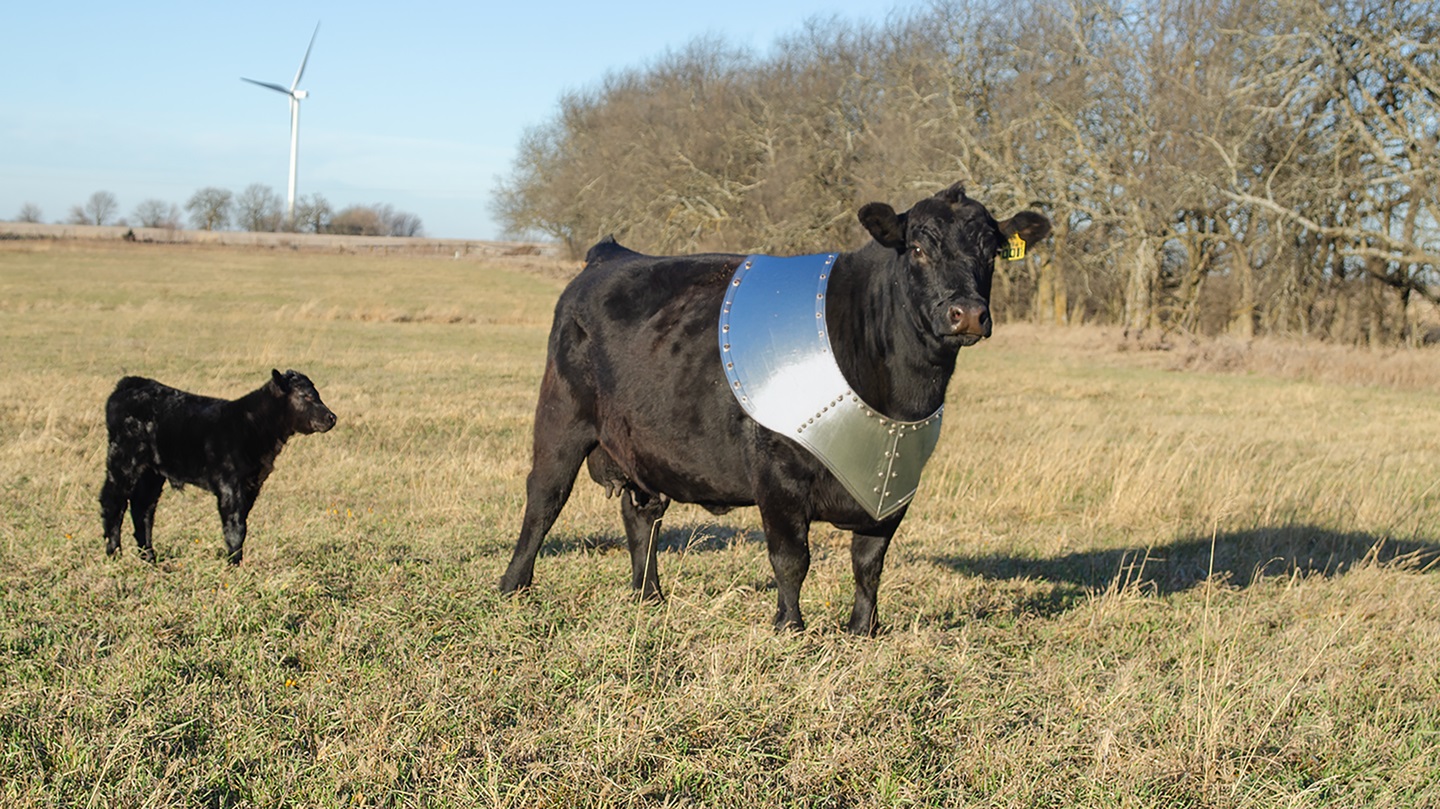
Editor’s note: The information above is summarized from the Sept. 14, 2022, episode of Angus at Work. To access the full episode — including more information on BRD, vaccination and cultivating a relationship with your local veterinarian — check out our Angus at Work archive on www.angus.org. [Lead photo by Shauna Hermel; armor illustration by Leann Schleicher using Adobe Photoshop.]
Angus Beef Bulletin EXTRA, Vol. 17, No. 10-A
Topics: Health , Management
Publication: Angus Beef Bulletin
Related Content


Current Angus Beef Bulletin
Our September issue focuses on the females of the herd and the records that validate them.