From the Field
Notes from your regional managers on weaning plans and preg-checking cows in the current market.
October 22, 2025


Whether you’re weaning calves, turning out bulls or planning for the future, developing a marketing plan that allows for capturing the highest value for your cattle is critical to the long-term success of any beef producer.
In this month’s edition of “From the Field,” we visited with regional managers Alex Tolbert and Kurt Kangas to discuss the importance of planning for weaning, as well as how pregnancy-checking cattle can help when it comes to marketing calves and open females.
An ounce of prevention
When it comes to developing a weaning strategy, each individual operation is going to look a little different. Yet, most will agree: Having some sort of plan in place for managing weaned cattle is needed to ensure their productivity down the line.
In Region 3, there are a lot of calves that get weaned on diesel fumes, says Tolbert, referring to calves being separated from their mamas and directly loaded on a trailer to somewhere.
“That is a strategy. I don’t know that [it] does your customer much service, especially this time of year when October is notorious for having cool nights and still-warm days,” says Tolbert, noting a more traditional weaning method is common amongst producers in his region. “Producers will run pairs through and catch those calves. Typically, we’ll put those calves in a smaller pen, paddock or run. They’re going to walk, bawl and do all those things, but containing them in a well-fenced area will help keep newly weaned calves safe.”
In his area, if calves are pulled off the cow and go directly to a sale barn, it can spell disaster. Most Region 3 producers instead choose to gather calves, vaccinate and “precondition” them for 45 to 60 days.
“If I’m buying those cattle knowing [they haven’t been weaned], I’m going to price those things accordingly,” Tolbert says.
For some Region 10 producers, having a weaning plan could mean not weaning cattle at home.
If producers are unfamiliar with weaning cattle, the weather isn’t ideal or cattle are contracted to a program that limits treatment options, it could make more sense to ship bawling calves on to their buyer so they can be brought into a facility better able to manage the unique needs of recently weaned calves, says Kangas.
“We live in a region that’s pretty unique, and the premium for weaned cattle generally doesn’t always match up with the cost of weaning. Even the different weaning programs on [video sales], if you’re not weaning 45 days plus, they won’t pay at all for [weaning],” he says, mentioning that some producers might wean because that’s how long it takes those operations to gather calves or because weaning might offer flexibility on when calves are shipped. “It’s simply because by the time buyers get those calves, they can be super vulnerable to illness.”
The more you know
The market is still treating cattlemen well, and pregnancy-checking could give producers additional data to work with.
Preg-checking females gives critical information on pregnancy status and stage of gestation. The simple service can allow producers to tighten their calving window by marketing later-bred females and moving open females down the road.
“In my part of the world, there’s still a lot of guys that may calve year-round. Les Anderson with the University of Kentucky has a great way of putting it: ‘They say they’re doing that for cash flow, but the problem is the cash doesn’t flow too good,’” says Tolbert. “Pregnancy-checking not only simplifies calving and allows you to market calves in larger groups, but it also identifies those cows who aren’t doing their part.”
“With the cost of production today, if she hasn’t calved in a year and a half, she needs a new home.” — Alex Tolbert
It’s never fun to realize your favorite female came up open. However, by knowing her pregnancy status, producers can make a management decision using all the available information, says Tolbert. If after preg-testing a producer makes the decision to keep an open female, they’ve made the conscious decision to allow that cow to eat for free and not produce a calf.
“With the cost of production today, if she hasn’t calved in a year and a half, she needs a new home,” stresses Tolbert. “Pregnancy-checking gives you the data to identify cattle who are not in your window.”
Kangas has a similar perspective when it comes to outing females who don’t fit within each operation’s front-loaded calving window.
There are still producers who don’t preg-check in his region, but with one simple check, producers could cut their winter feed bill considerably by not running those open cows through calving season.
“When they’re at the barns, test them. You can get rid of those cattle earlier or make a different management plan for them,” Kangas suggests, noting that just because cattle don’t fit into your breeding interval, doesn’t mean they won’t fit within someone else’s.
“Lots of people, if you’re in a spring breeding program, they’ll take those rebreeds someplace where they fall calve,” Kangas says. “Checking allows you to capitalize on that rebreed market, be a little more flexible in your management style and get the cattle off inventory that you don’t want to feed through the winter.”
Editor’s note: “From the Field” is a regular Angus Beef Bulletin EXTRA column featuring advice, industry news and Angus updates from regional managers of the American Angus Association. For information on how to contact your regional manager, click here.
Angus Beef Bulletin EXTRA, Vol. 17, No. 10-B
 Relieving Weaning Stress
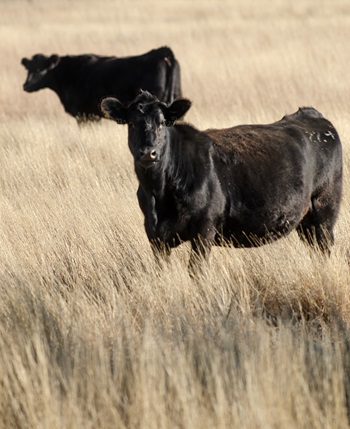
In many parts of the country, September was a month filled with the sound of cattle being weaned. For calves, this is a completely new experience, similar to a child’s first day of kindergarten. For our cows, we’re asking them to wean a calf while still caring for another baby in utero. Easy, right?
While there is a little social discomfort associated with weaning (and calves aren’t afraid to let you know about it), there are a number of methods deployed by cattlemen across the country to help their calves — and cows — come through weaning successfully.
 We welcome you to listen in as we visit with Ted Perry of Purina Animal Nutrition regarding:
- the stressors both cows and calves go through at weaning;
- how we can alter our management to address stress;
- the role nutrition plays; and
- how you can implement a few strategies to set your cattle up for improved performance long past weaning
Topics: Management , Health , Reproduction
Publication: Angus Beef Bulletin
Related Content


Current Angus Beef Bulletin
Our November issue focuses on the females of the herd and the records that validate them.