


Long-Term Considerations When Investing in Replacements
Whether you should buy that heifer depends on more than her price tag.
September 16, 2025

by Hannah Baker, University of Florida / IFAS Extension
Due to current inventory levels and producers beginning to think about expansion, the value of young cows and heifers is increasing as demand for breeding stock increases. As discussed in last week’s In the Cattle Markets issue, pastures in the majority of the country are in better condition than they have been since 2019, which will play a key role in producers’ ability to start expanding. However, there are still no strong signs of heavy retention efforts when looking at the percentage of heifers on feed (38.1%). The next quarterly Cattle on Feed report in October will provide more insight into whether more heifers are being retained.
On average (heavy emphasis on average), bred heifers are selling between $3,500 and $4,500 per head. The cost of raising your own replacements, depending on the development program, may not be too far off from that range when considering the opportunity cost of keeping a weaned heifer calf.
Is it financially feasible to make the necessary investments and/or changes to increase the chances of her getting bred that second time?
Prices for a 500- to 600-pound heifer calf in the cash market were approximately 30% higher year-over-year in July, varying by state and region. In Florida, August prices for heifer calves were 40% higher year-over-year. Whether buying replacements or raising them, rebuilding efforts are going to be large, upfront investments in the current market as we move closer to a period of expansion.
Looking past the initial investment of buying or raising replacement heifers, the investments do not stop there. The hardest year for a heifer to get rebred is with her second calf. A first-calf heifer needs to conceive within about 83 days of calving — while still growing and raising her first calf. So, the follow-up question would be: “Is it financially feasible to make the necessary investments and/or changes to increase the chances of her getting bred that second time?”
Here are a few considerations when thinking about the long-term productivity and profitability of replacements.
- Are there solid nutrition and forage programs in place that are going to meet the nutritional requirements of a growing, first-calf heifer?
- Is there a plan to implement management practices, such as early weaning, to lengthen recovery time and improve the chances of rebreeding?
- Do breeding season protocols need to be altered to best accommodate for first-calf heifers?
In the current market, an open cow is costly when calves are bringing $4.00 per pound, with those prices expected to move higher. An open cow, regardless of age, often costs more than she earns over time, even if cull cows are currently selling for $1.60 per pound. Market prices will inevitably fluctuate, influencing profitability. However, not having a calf to sell results in a more significant negative effect on profitability.
There are many factors — some controllable, some not — that influence a cow’s reproductive performance. Adopting management strategies that improve the likelihood of having a calf every year is essential in today’s market. This will help ensure investments in young breeding stock continue to deliver returns, even in years when market prices are less favorable.
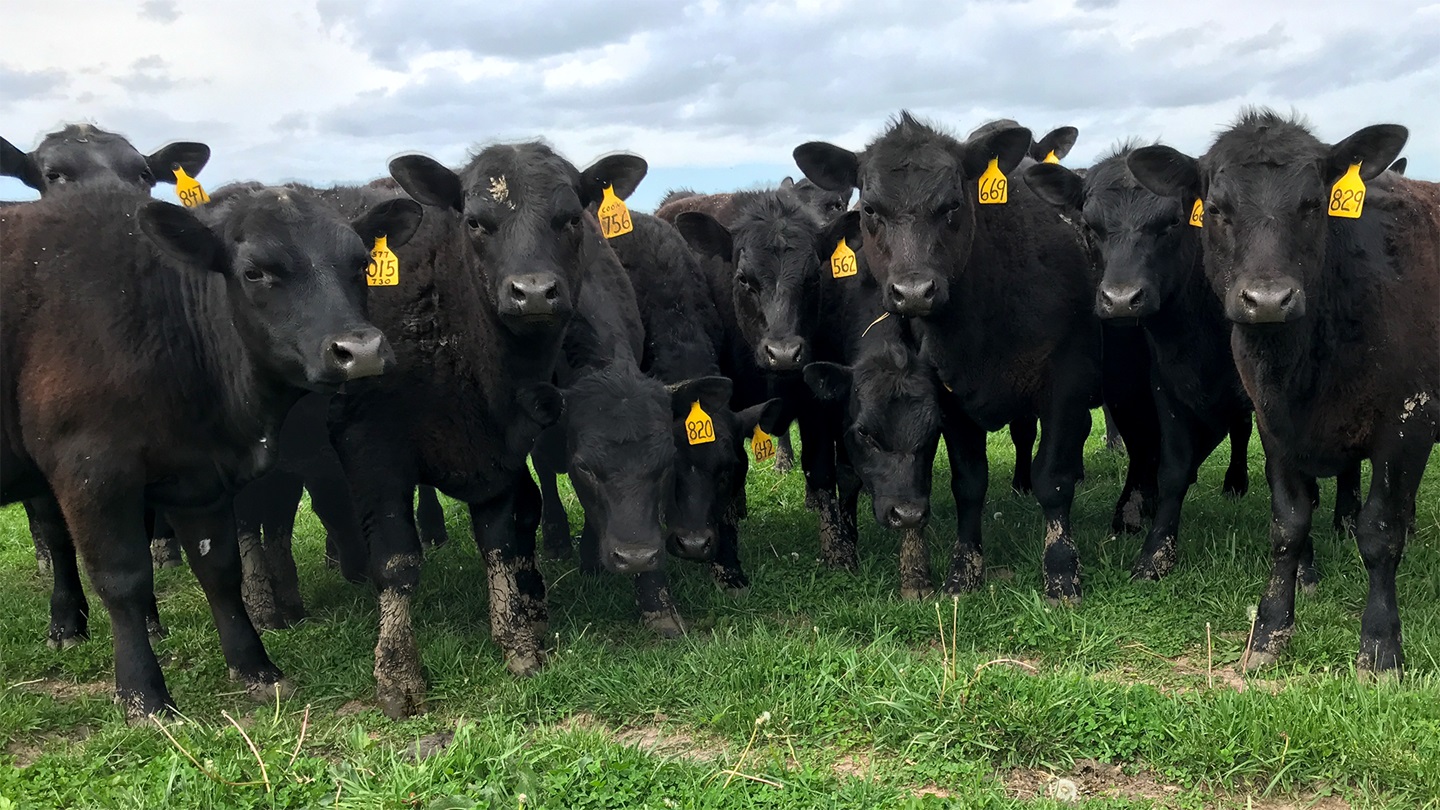
Editor’s note: Hannah Baker is a state extension specialist at the Beef and Forage Economics Range Cattle Research and Education Center for the University of Florida/IFAS Extension. This article is reprinted with permission from https://lmic.info. [Lead photo by Shauna Hermel.]
Angus Beef Bulletin EXTRA, Vol. 17, No. 9-B
Topics: Female Foundations , Genetics , Management , Nutrition , Pasture and Forage , Selection
Publication: Angus Beef Bulletin
Related Content


Current Angus Beef Bulletin
Our September issue focuses on the females of the herd and the records that validate them.