


From the Field
Notes from your regional managers on summer water sources and developing Angus youth.
July 24, 2025

In this month’s edition of “From the Field,” we visited with regional managers Reese Tuckwiller, Alex Tolbert and Quanah Gardiner to discuss high-quality water sources from region to region, why taking advantage of conservation programs is beneficial, developing youth through the livestock industry, Angus scholarships and more.
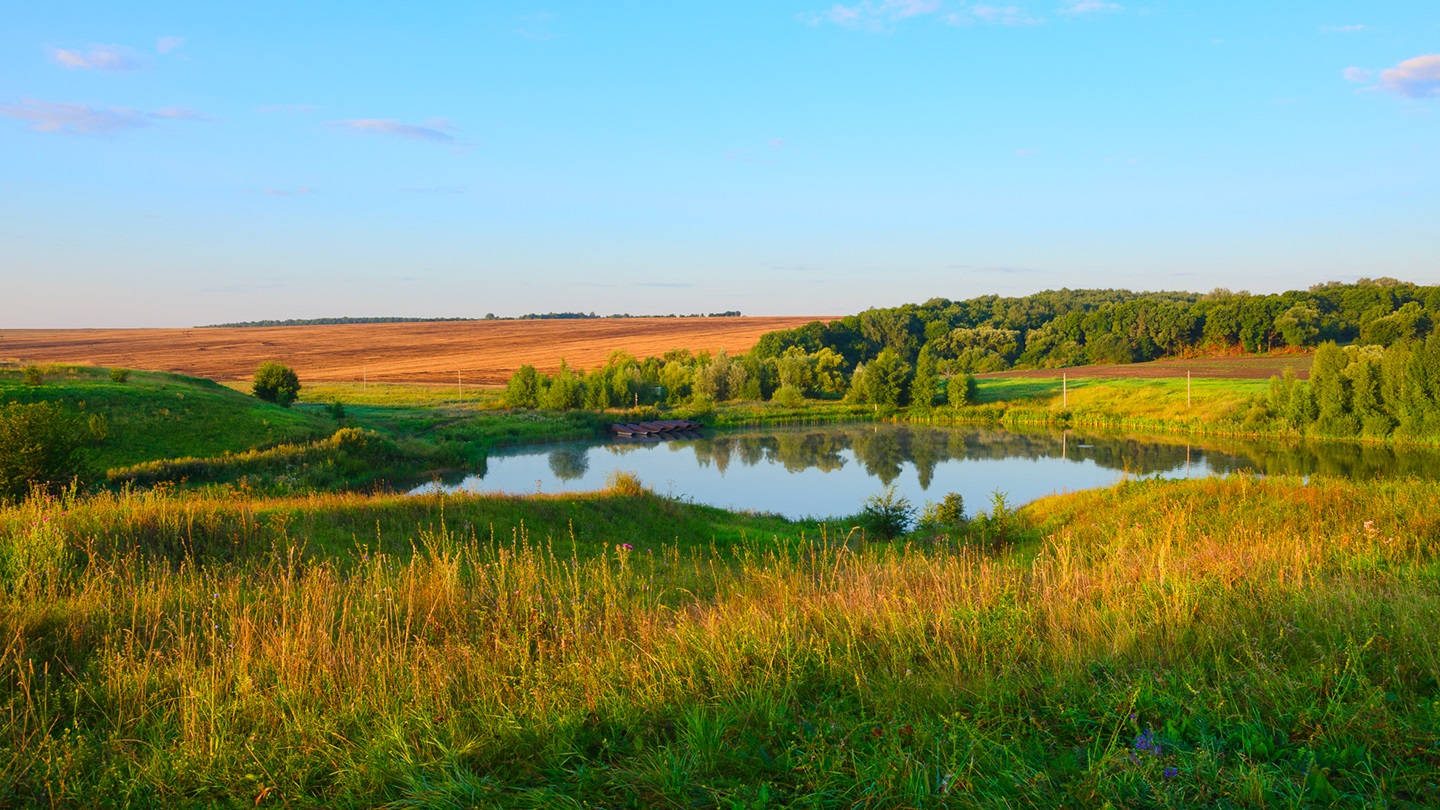
Water livestock well
Whether the norm in your region is to water from a natural source or pipe water into a water trough, there can be no argument that cool, clean water makes a world of difference when cattle are battling the heat. When it comes to precipitation in 2025, Tuckwiller, regional manager for Region 1, says most of his producers have enough water for the moment.
“You almost feel bad saying it, but there are a lot of producers wishing it would stop raining for a bit,” Tuckwiller notes. “In eastern Pennsylvania and northern Maryland, we’re potentially looking at replanting anywhere from 35% to 40% of the 2025 crop.”
After several years of consecutive drought, the recent rain was much needed in states like Virginia to help recharge groundwater sources. With an estimated 80% of producers in his region watering cattle with springs or via well water pumped into troughs, maintaining those groundwater levels is crucial, Tuckwiller says.
Transitioning from existing natural water features to more ecologically minded watering methods presents several challenges, including questioning the need for change, as well as the cost of undertaking such a project.
“Talk to your local Natural Resource and Conservation Service staff, then state extension specialists and university resources,” suggests Tuckwiller, noting that water quality testing and considering the likelihood of disease spread from contaminated water are two things that can drive the conversation. “With this Farm Bill getting ready to get pushed through and with the Big Beautiful Bill, there should be some awesome funding opportunities available to producers.”
Looking for information on drought across the country? Check out the U.S. Drought Monitor from the University of Nebraska–Lincoln.
The next generation
There is little room to argue that one the best places to raise kids is with animal agriculture. With the potential to teach life lessons, responsibility and financial readiness, children raised in the cattle industry are uniquely prepared for real life in a way their peers often are not.
For Quanah Gardiner, regional manager for Region 12, the answer to the question of getting youth involved in the cattle industry is a simple one.
“The cattle industry is an on-ramp for agriculture, and it’s an industry that is, unfortunately, aging. You’re seeing more and more ranches disperse, and that ground will never be cultivated for agriculture again. It will be urbanized,” stresses Gardiner. “It is an ever-closing window for those who want to be involved, but it is an opportunity, one where you do get to live a life of service working with good people within agriculture. If we don’t get kids involved, then it’s all going away.”
While the cattle industry — commercial, seedstock or show cattle — are all avenues for youth involvement, the Angus breed is a common denominator for Region 3’s Alex Tolbert.
“These cattle are just the means to develop youth, but I genuinely believe that the Angus breed is the best way,” says Tolbert. “If they’re going to get into production beef cattle, I think Angus is the way to go.”
On the heels of the largest Angus youth event of the year, there are many reasons for youth to be involved in the American Angus Association as juniors outside of the show ring, including skill development contests and scholarship opportunities. For more information on scholarships awarded at National Junior Angus Show, check out “On the Road to Success, Angus Juniors Awarded Scholarships.”
“Whether it’s the Commercial Cattlemen scholarships, scholarships made possible by partners who share the Angus mission or National Junior Angus Association scholarships, there is so much opportunity,” Gardiner says, noting that some juniors may not know about these opportunities or could use a helpful reminder to apply.
Interested in further details on available Angus scholarships? Visit the Angus Foundation Scholarships page for a deep dive.
Asked for his final thoughts following the NJAS, Tolbert didn’t hesitate in saying: “I think [the National Junior Angus Show] is one of the best things that we do all year as an organization. … The best of what this country was built on — the values and the families — are represented right there in that barn.”
Additional resources:
Here are a few stories from the Angus Beef Bulletin archives that provide a deeper look into water quality concerns and potential opportunities.
Editor’s note: “From the Field” is a regular Angus Beef Bulletin EXTRA column featuring advice, industry news and Angus updates from regional managers of the American Angus Association. For information on how to contact your regional manager, click here.
Angus Beef Bulletin EXTRA, Vol. 17, No. 7-B
Topics: Management , Pasture and Forage , Sustainability
Publication: Angus Beef Bulletin
Related Content


Current Angus Beef Bulletin
Our November issue focuses on the females of the herd and the records that validate them.