


Management to Minimize Injuries in Bulls
Breeding bulls typically experience two types of injuries: reproductive and musculoskeletal.
April 26, 2023
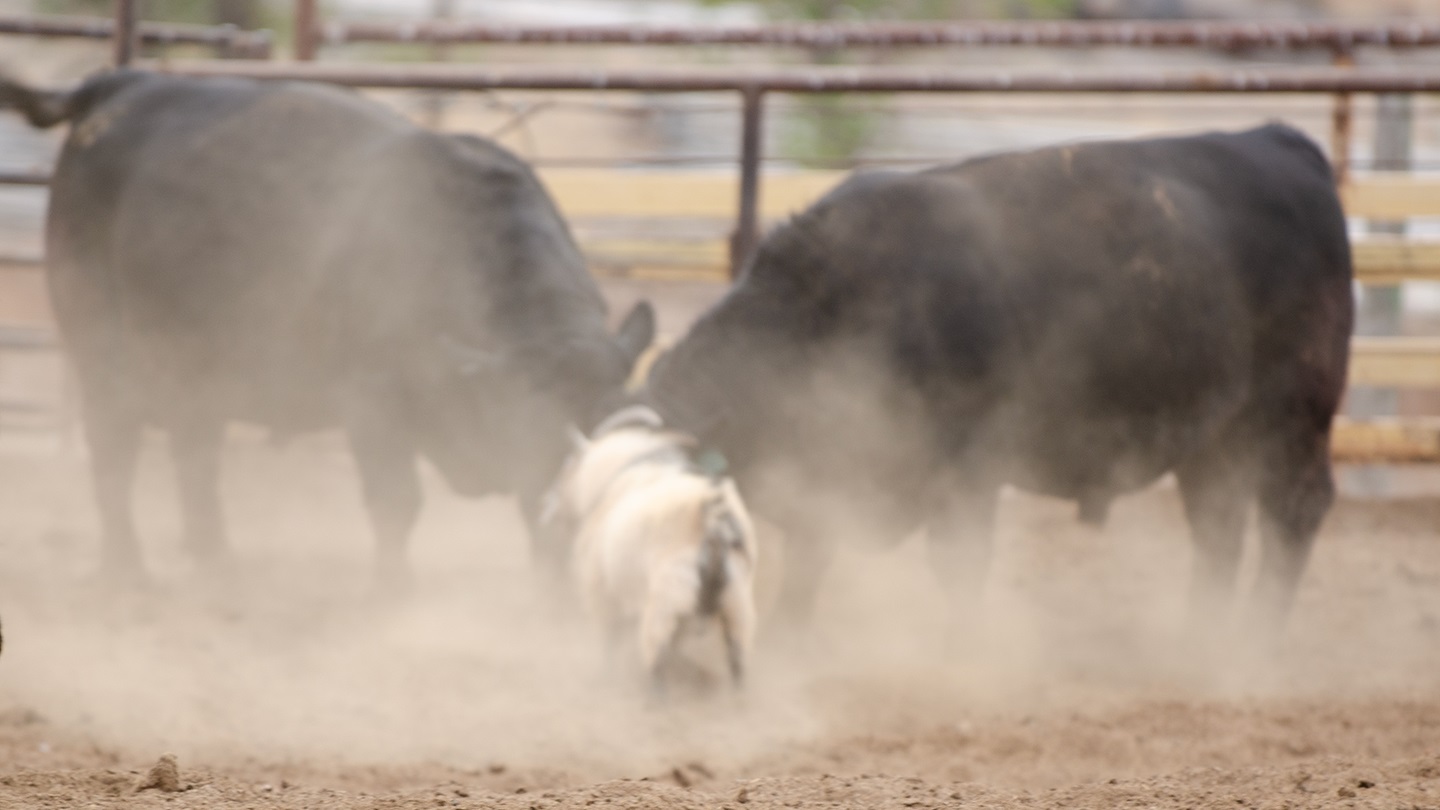

Bulls are strong and durable and can generally withstand the abuse they give each other when fighting. Yet bulls occasionally get injured, and it’s frustrating to have a good bull out of action when you were counting on him.
Most injuries seen in bulls happen during breeding season, says Jennifer Pearson, assistant professor in the Department of Production Animal Health at the University of Calgary. “These fall into two categories: reproductive injuries and musculoskeletal injuries — usually feet and legs.”
Reproductive injuries
“A common reproductive injury is a penile hematoma (often called a broken penis). When the connective tissue surrounding the penis is bent too much, it breaks/tears and the leakage of blood creates swelling,” she explains. These injuries are common in bulls that are breeding cows out at pasture [vs. in a confined, controlled situation or being collected for AI (artificial insemination)].
“It’s like a football injury where the linebacker gets hit from the side and a joint crumbles or the bone breaks.” — Jennifer Pearson
Bulls can also develop what is called a penile or preputial laceration where the tissue that covers the penis is injured due to a breeding injury. This can happen if the tissue gets caught between the bull and the cow’s hip bones or when traveling through shrubs. A bull might be following a cow through the brush and hasn’t completely retracted the penis, and its covering gets snagged, says Pearson.
Either type of injury results in soreness and swelling, and the bull won’t want to breed cows. Other issues can arise from these injuries, as well, like scar tissue and adhesions. There are, however, several treatment options. The injury may heal and recover, depending on how severe it is, she explains.
“These can be treated surgically or medically. For medical treatment, we usually put them on antibiotics and possibly on pain medication, as well. Cold water therapy is helpful, such as cold hosing, to try to decrease inflammation and swelling,” Pearson says. “Inflammation is important for healing, but too much inflammation can lead to scar tissue and adhesions that make it impossible for the bull to extend the penis and breed cows.”
Musculoskeletal injuries
Musculoskeletal injuries include broken legs, torn ligaments in the stifle joint and various lameness issues. This includes foot and claw lesions like foot abscesses, foot rot, etc., that impair the bull’s ability to travel and breed cows. These kinds of injuries are hard to predict and hard to prevent. The bull may be trying to breed a cow and another bull rams him; or two bulls may be fighting and braced head-to-head and a third bull rams into one of them. If another bull hits full force while the hind legs are braced, a bone could snap.

Allowing bulls to establish their social order before they start breeding cows may reduce fighting-related injuries. [Click for larger image. Photo courtesy Ahmed Tibary, Washington State University.]

“I’ve seen this type of injury, and what we think happens is the bull was mounting a cow (with all his weight on his hind legs) and another bull rammed him from the side. It’s like a football injury where the linebacker gets hit from the side and a joint crumbles or the bone breaks,” she says.
Foot and claw injuries can sometimes be prevented by making sure the bull’s feet are not too long and overgrown. In some cases, it pays to trim bulls’ feet well ahead of breeding season, especially if bulls have been confined or on soft footing all winter and spring, with no chance to wear their feet normally.
“Keeping feet at normal length can help prevent some of the issues associated with long toes or overgrown feet,” says Pearson. “If we are looking at and trimming feet, we can find and deal with some of these issues — before they become lame — or prevent the issues that might lead to lameness.”
One of the challenges of using community pastures and bringing bulls together from different sources is that they spend a lot of time fighting until they get their social hierarchy established, says Pearson. “We don’t have any way to prevent that, unless you can introduce bulls before they have to breed cows. If you can have preselected breeding groups, so they’ve already settled their dominance order, this might help.”
Often the younger bulls are timid enough to keep out of the way of the older bulls. But if you put two older, dominant bulls together, they may never quit fighting until one of them gets thoroughly beaten. If they are evenly matched, they may fight all summer.
Editor’s note: Heather Smith Thomas is a freelance writer and cattlewoman from Salmon, Idaho. [Lead photo by Shauna Hermel.]
Angus Beef Bulletin EXTRA, Vol. 15, No. 4-B
Topics: Animal Handling , Health , Management
Publication: Angus Beef Bulletin
Related Content


Current Angus Beef Bulletin
Our November issue focuses on the females of the herd and the records that validate them.