



More Than Meets the Menu
Inside the foodservice beef business.
August 26, 2026
"Our part of the whole equation is making sure that your hard work doesn't go to waste,” said BJ Johnson, director of sales at Buckhead Beef of Atlanta.
Johnson works day-to-day in foodservice distribution and is one of the last stops in the supply chain before a diner gets beef on their plate. He and his colleague Pat Shepherd, director of beef procurement for the specialty meat company, recently joined The Angus Conversation to discuss their role in marketing beef.
“Our business doesn’t start at the loading dock. It starts at that family farm,” Johnson said, noting that’s part of their “why” in doing what they do for a living. They channel that purpose as they take on extended learning opportunities or train new recruits.
"We don't want salesmen,” he continued. “We want consultants that go out and talk about product, understand the story of the product, how we get it to market, all those things, so they can consult with a customer."
Shepherd and Johnson represent both the buy and the sell in the beef marketing equation. From sourcing and procurement to restaurant partnerships and consumer expectations, the message is clear — they don’t want beef they have to push, they want pull-through demand.
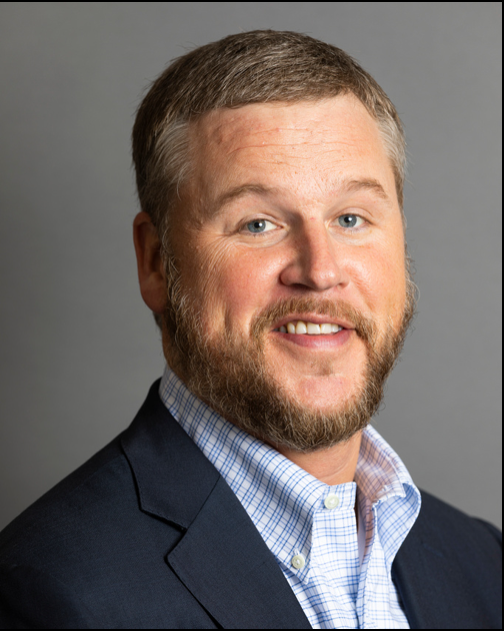
BJ Johnson
director of sales, Buckhead Meat of Atlanta

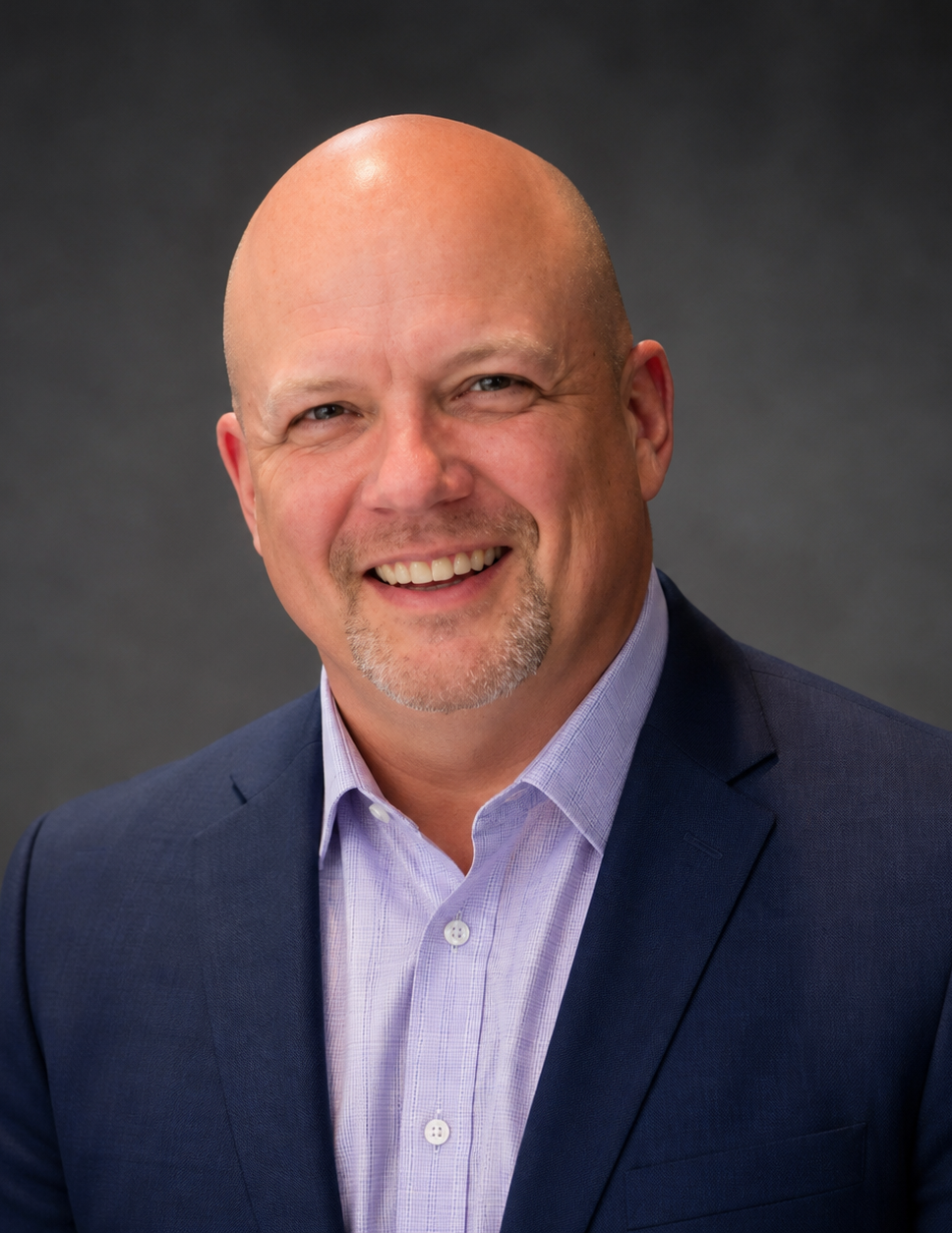
Pat Shepherd
director of beef procurement, Buckhead Meat Company

Johnson works day-to-day in foodservice distribution and is one of the last stops in the supply chain before a diner gets beef on their plate. He and his colleague Pat Shepherd, director of beef procurement for the specialty meat company, recently joined The Angus Conversation to discuss their role in marketing beef.
“Our business doesn’t start at the loading dock. It starts at that family farm,” Johnson said, noting that’s part of their “why” in doing what they do for a living. They channel that purpose as they take on extended learning opportunities or train new recruits.
"We don't want salesmen,” he continued. “We want consultants that go out and talk about product, understand the story of the product, how we get it to market, all those things, so they can consult with a customer."
Shepherd and Johnson represent both the buy and the sell in the beef marketing equation. From sourcing and procurement to restaurant partnerships and consumer expectations, the message is clear — they don’t want beef they have to push, they want pull-through demand.
"Quality brings people back through the door,” Shepherd said, even when supplies are tight and that influences price.
"I'd rather apologize for price than apologize for quality,” Johnson added.
Even with the steep increase in grade in the last few decades, the men say they could sell more.
“Keep producing Prime, and we'll keep moving it. The market wants it. The market will buy it,” Johnson said.
As supplies have tightened and carcass weights have ratcheted up, they’ve encouraged their customers to be creative in menu offerings and using different cuts.
"There’s no new subprimals or muscles on the animals. That is something that the produce guys have over us. They can mix some seeds and come up with a purple carrot ... or a purple pineapple,” Shepherd said. “We don't have any new muscles coming on the animals. You've got to utilize what you have.”
Even though the average foodservice distributor carries “tens of thousands” of items, beef gets a lot of attention.
“When people go out to eat, they’re not looking for or no one is talking about the carrots, the sour cream, you’re talking about that steak,” Shepherd said. “That’s what drives you to go out to eat and enjoy that experience.”
When trying to get beef out to the masses, there’s a step in the supply chain that has a lot of influence on what beef goes where: foodservice distributors. Hear from BJ Johnson and Pat Shepherd, who represent both the buy and the sell side of that equation. From sourcing and procurement to restaurant partnerships and consumer expectations, the message is clear — they don’t want beef they have to push, they want pull-through demand. The pair covers the emerging Prime trends, how they combat volatility and the importance of being able to talk about all the work that happens back on the ranch.
HOSTS: Miranda Reiman and Mark McCully
GUESTS:
BJ Johnson, director of sales, Buckhead Meat of Atlanta
Growing up near his family’s farm in Huntsville, Ala., where they raised Angus cattle, cotton and soybeans, BJ developed a deep appreciation for agriculture and the food industry. He attended the University of Alabama, where he studied management, and later graduated from Johnson & Wales University with a degree in Culinary Arts in 2002. That same year, he began his career with Sysco.
Over the past two decades, BJ has served in roles across Alabama, Charlotte, Atlanta and Chicago, holding leadership positions in three of those markets. Alongside his teams, he helped launch two highly successful Certified Angus Beef® programs in North Carolina and Georgia and was honored as Certified Angus Beef® Marketer of the Year.
Today, BJ serves as director of sales for Buckhead Meat of Atlanta where he leads a team of 26 sales consultants across the Southeast. Together, they proudly lead the nation in Certified Angus Beef® Prime sales.
Pat Shepherd, director of beef procurement, Buckhead Meat Company
Pat oversees beef sourcing and purchasing strategies for Buckhead Meat Company, the specialty meat division of Sysco, one of the nation’s leading foodservice distributors. A University of West Georgia graduate with a culinary background, Shepherd joined the company in 2010 and discovered a passion for the beef industry. Today, he collaborates across the supply chain to ensure consistent quality, manage inventory and procurement, and help foodservice operators deliver an exceptional beef experience to consumers.
SPONSOR:
SenseHub Cow Calf®: Cattle reproductive success has relied on visual observation for decades ... until now. SenseHub® Cow Calf provides a new approach to breeding success and time management. Learn about 24/7 collection of data and insights you can use to detect heats and more at SenseHub-CowCalf.com.
Angus Media: Don't let a busy schedule stop you from being the most informed breeder in the room. Click here to subscribe to the AJ Daily or the AJ Weekly.
Miranda Reiman (00:00:02):
Welcome to the Angus Conversation. I'm your host, Miranda Reiman, with my co-host, Mark McCully, CEO of the American Angus Association. And Mark, you were gathered in Texas earlier this week with a bunch of cattle feeders at the Feeding Quality Forum. Why don't you just give me. I didn't get to go this year, so of course I have all the FOMO, so you got to give me the recap.
Mark McCully (00:00:24):
No, it was a great event. I think for some that know that we've been doing this Feeding Quality Forum for, oh gosh, now getting over
Miranda Reiman (00:00:31):
20 years
Mark McCully (00:00:31):
20 years. Yeah, close to 20 years. And it's really been fun to watch how that forum originally when it was established was really focused on just cattle feeders and topics and agenda for just feedyard managers. And what we found is over time, there's as many cow-calf folks coming to that, registered Angus breeders coming to that. It's really all segments of the supply chain. We had some large stocker operators there, and so most of the agenda is focused, those definitely on the cattle feeding side, but more discussion around genetics, around, and even I got to moderate a panel there at the end talking about, so now what's all this mean for the cow side of things? How do we make all of this happen in keeping our functional maternal base of the Angus breed? And so it was a great event. We had just an excellent crowd, and Amarillo was a great host.
Miranda Reiman (00:01:25):
Kara Lee, I was talking to her, of course, from the Certified Angus Beef team. Her and that team do a lot of work organizing it, and she said that it was a record large attendance. So that's exciting when you put a lot of work into the topics and you hope that they're interesting to people from all over and it appears that they were. So that's exciting.
Mark McCully (00:01:44):
Yeah, it was a great program.
Miranda Reiman (00:01:46):
One of the things that I think Feeding Quality Forum, which you just illustrated with the variety of people that now come to that event, it's not just cattle feeders, illustrates a trend across the industry that there's just more and more focus on across the industry, the partnerships that are throughout. And one of the panelists that were there at the Feeding Quality Forum, we got to have here on the podcast today to help us see more of the other side.
Mark McCully (00:02:14):
Yeah, we get to pick the brains of a couple in the foodservice distribution business. Miranda, you and I, spending time at Certified Angus Beef, and I always say one of my favorite parts of being a part of this organization is this organization is plugged in literally from the genetics all the way to the chef and such a fascinating industry with so many moving parts and so much coordination and collaboration that has to happen. I've always been just fascinated by the foodservice world, the foodservice distribution world. I sometimes joke that cattle producers think that they've cornered the passion for this business. You might think that until you get around some foodservice people, and I think that came through today.
Miranda Reiman (00:02:58):
Absolutely. I think you guys are really going to enjoy this conversation. It's a great way to kick off season nine. So today on the podcast, we have a real treat for you. We're going to uncover a side of the beef business that I would say, Mark, most of our Angus breeders would feel probably least familiar with than maybe all of the segments.
Mark McCully (00:03:20):
Oh, I think you're totally right there, Miranda. I think in the cattle production side, we typically have a pretty good understanding of what happens all the way up to maybe the packing plant, and then we walk into a restaurant and we get a steak that maybe what happens between there sometimes in the foodservice world in particular is a bit of a mystery, but we're going to talk to two really smart guys that have worked their career in that segment here today and shed some light on that. Absolutely.
Miranda Reiman (00:03:47):
We're very happy to have BJ Johnson. He's the director of business development for Buckhead Beef of Atlanta. BJ, you and Mark were just in the same place at the same time, and now you're back in your own respective places, so glad to have you on the end of a busy travel week.
BJ Johnson (00:04:02):
Yes, ma'am. Thank you for having me.
Miranda Reiman (00:04:05):
So just looking through your, I guess, resume a little bit, the first thing I want to point out is you've been a long time Certified Angus Beef partner and supporter and had a long history of the brand throughout your career.
BJ Johnson (00:04:17):
I have. I have. It means a lot to me and it's meant a lot to me to my family actually because we were a registered Angus cattle producer, I should say, growing up. So we did in Huntsville, Alabama. Back in the '70s and '80s, we ran black baldies, still had some of my grandfather's old registries from his cattle. So Certified Angus Beef meant a lot to us back then, and then to be able to work in it now is an honor. I'm lucky enough to work in one of those things where I don't feel like I work a day of my life.
Mark McCully (00:04:46):
B.J., help us understand your path to where you're at today. You grew up in the cattle side, went to school for management, but then you ended up in culinary school. Do I remember all that right?
BJ Johnson (00:04:57):
Yes, sir. I'm one of those that did go to culinary school, but I'd be the first to tell you that just because you go to culinary school, it doesn't make you a chef any more than going to an art school, makes you a great artist. So what happened with me is growing up in North Alabama, being an idealistic kid, I loved growing up around the farming. It meant a lot, but I wanted to get far away from it because I wanted to go form my own identity and go do my own thing. So I decided to go the restaurant path because it was this fun party and it was so alive and it's so ... roots, much like the cattle industry. I mean, it's very blue collar and passionate. So I went down that path and I decided I wanted to go to culinary school to learn more about it and what it taught me, much like in the beef business, I though I knew a lot, taught me what I didn't know.
(00:05:41):
But it also taught me that, man, I don't want to work in restaurants anymore and I really do love the beef industry fully. It kind of took me back to my childhood and I wanted a way to be able to parlay those two things together. So I've been blessed enough to work in something where I get to take that cattle passion that we grew up with as well as that passion for the restaurant industry that I do not want to work in the back of the house of anymore. And it kind of brought the two together so we can consult with chefs on product. So it's just good having an understanding of both sides from being on both.
Mark McCully (00:06:17):
I think that might surprise a lot of our listeners. I would think most would think, well, you go to culinary school, you go to be a chef, and why else would you go to culinary school? But there's probably a lot in your organization that are out selling to or consulting with chefs and restaurants today that would have maybe a similar kind of at least culinary background. Would that be accurate to say?
BJ Johnson (00:06:38):
A hundred percent. Once you've lived in that world, because that is a very unique world to live in, it gives our sales consultants an advantage to understand what a day in the life of a chef looks like. So they're able to go in and just understand their world better. Because again, what we talk about here is we've got 26 sales consultants that we have in the Southeast that work for Buckhead Meat of Atlanta. We don't want salesmen. We want consultants that go out and talk about product, understand the story of the product, how we get it to market, all those things, so they can, again, consult with a customer because this isn't a one-time sale business that we're in. We don't just go in and, "Hey, buy this thing that's going to change your life." We got to look you in the eyes the next week and see how it performed and then continue to make decisions together because we're trying to form a partnership there that helps them succeed and therefore we hope to grow with them as they succeed or to be able to say, "You know what? We might not be the best partner for you in this. Have you though about contacting this company?" So it just makes that relationship so much stronger when we have people that understand both sides. And I'll take that a step further. We find that the people that have worked in the culinary industry that come over to this side, they live and die in the minute. So they have this sense of urgency that they can bring to the business because we also live and die in the minute. It's a fast-paced business. Our plant manager, our GM is a guy named Quentin Donnaud. Quentin, he worked for Emeril Lagasse. He was on Chopped or won an episode of that. He came into this with a complete chef background, and then he went into sales and then he was director of merchandising, and now he's running this entire facility, but that sense of urgency and that passion that he brings to it relates straight back to the chef.
Miranda Reiman (00:08:22):
Well, I definitely want to dig into some of that, how you connect the cattle side to the restaurant side and all of that, but I also want to get to our second guest of the day so that we can let Pat have a moment to talk. BJ had spoke on a panel at Feeding Quality Forum this week, and I understand it was a fabulous panel, but when we asked you to talk, BJ, you said, "Hey, there's a guy that I think ought to come on this podcast with me." So I want to introduce Pat Shepherd, or is it the Pat Shepherd who's the director of beef procurement at Buckhead Meat Company?
Pat Shepherd (00:08:56):
Thank you. Thank you for having me on, ... No, just Pat Shepherd, just Pat Shepherd.
Mark McCully (00:09:02):
So Pat, BJ was talking about what he sells, but before he can sell anything, you got to get it bought, right? So talk about a little bit of your path to Buckhead and a little bit of what you do today.
Pat Shepherd (00:09:12):
My path is very similar. I came from a culinary background, but I did not have the family cattle business at all. My dad was a banker. I was involved in sports. There were no cattle in my life coming out of Georgia. So I went to school for management also at University of Georgia, and did not see any animal science at all in my. Had never been mentioned to me, never even thought about it in my life. And then coming out of the kitchen, I hooked onto Buckhead Meat of Atlanta in 2010, and that's where I thought I knew a lot of meat, about steaks, coming into this role, found out that I knew nothing about it and really discovered my passion. I got into it here and just was Certified Angus Beef and learning the science behind the animal, just who knew as a young kid, I had no idea that that passion was in me for this business.
(00:10:12):
And then obviously I've made a career out of it since then. It's the purchasing side and just the hustle like we spoke of, or BJ was talking about the hustle and it's a fast-paced business. And on the purchasing side is too, every second counts getting product bought. You go into the day thinking, "Okay, this is going to be an easy Friday."
Miranda Reiman (00:10:37):
And then you get invited on a podcast.
Pat Shepherd (00:10:40):
And then the market moves or this is available and this is here and this and that. Then all the alarms start going off like, "I've got to get this, this." You got 15 different holes in the boat and 14 things to plug them with, so you've got to act fast before the boat sinks. So that's kind of how I attack each day. Like I said, I didn't know this would be, if you'd asked me 20, 25 years ago if this is where I'd be right now, I would never have guessed this has been my path, but here I am. But yeah, also the teamwork, the teamwork of working in a restaurant, in the back of the house, in front of the house, I feel that that's a natural attribute that comes out of that business that helps this business thrive too. You rely on your fry guy, your hostess, your service.
(00:11:26):
Everybody's working as a team to make a building function, and then you look inside Buckhead Meat of Atlanta and it's very similar. It's a lot of team, there's no "I''s", there's a lot of let's get the job done. Kind of the same feeling at the end of a shift too. Very similar, very similar.
Mark McCully (00:11:45):
We've kind of skimmed over Buckhead. We keep talking about Buckhead and Sysco. Maybe explain a little bit to the listeners, who is Buckhead? Who is Sysco?
BJ Johnson (00:11:55):
Sysco is the largest food distributor arguably in the world, and we're one of the sister companies that was acquired many, many years ago. So what Sysco does is Sysco moves product to restaurateurs from producers everywhere. They don't make anything. They don't fabricate anything. So we're a fabrication arm that also has a direct street team as well that sells direct because some chefs would prefer to buy direct. Some want to buy through Sysco, so we handle both those. Sysco stepped in and bought meat companies. Anything right of the Rockies is known as Buckhead Meat. Anything left of the Rockies is known as Newport Meat. I believe there's 25 operating companies now, which includes a couple in Canada. That number is kind of moving and shaking a little bit, so don't quote me perfectly on that. I know it was 27 at one point in time, but our region alone, we handle from New Orleans, South Mississippi, Alabama, Tennessee, North and South Carolina, Georgia, the panhandle of Florida.
(00:12:56):
And now our president just picked up the rest of Florida, and so she handles all the facilities. Julie Toman, who you know very well, represents all the way down through that market as well. So our Southeast market is fast and we move a lot of meat. We move a lot of meat, but we can't do any of that without the ranch purchasing that meat first. Just so you know, a little history on Shepherd and I is we launched Certified Angus Beef together at Sysco Atlanta. That's where we met. He came down from Buckhead. I came over from Charlotte, and together we were able to. The credit goes to him. We launched the most successful first year launch of Certified Angus Beef. I think US Foods Denver held it before, and I think somebody's broken our record since, but it was really more from his efforts and not mine.
(00:13:44):
So Shepherd and I go back many years, and I handle the sales side. He handles the buy side, but he doesn't just do that. He's worked on that as well. We cross a little bit, but anyhow.
Miranda Reiman (00:13:57):
And that's a good place to put a pin in it while we hear from today's podcast sponsor.
Speaker 1 (00:14:02):
Cattle reproductive success has relied on visual observation for decades, until now. SenseHub Cow-Calf provides a new approach to breeding success and time management. Utilizing AirTag monitors, the SenseHub Cow-Calf system provides 24/7 collection of data and insights you can use to detect heats and more with custom alerts and reports sent right to your smartphone, tablet, or computer. You can keep closer tabs on your herd and win back personal time. This changes everything. Learn more at senshub-cowcalf.com.
Mark McCully (00:14:33):
So we're really going to talk about beef today. Sysco, how many SKUs, how many products would an average Sysco warehouse carry roughly?
Miranda Reiman (00:14:46):
We're not going to fact check you. We have no way to know.
Pat Shepherd (00:14:48):
Yeah, I mean thousands of SKUs. I mean, it is just thousands of SKUs.
BJ Johnson (00:14:53):
I believe last I was at Sysco Atlanta, it was like 18,000 SKUs that they have access to. It might not all be stocked in the building, but it's a city.
Mark McCully (00:15:04):
From cooking oil to silverware to beef, right?
BJ Johnson (00:15:08):
If you see it inside of a facility, they've got it. From equipment all the way down, I mean everything. Food products is the main part of that obviously, but it's anything you see inside of a restaurant.
Mark McCully (00:15:20):
So then with that, and I think this is. Again, I'm talking about things that I've kind of experienced and got to learn because I knew none of this coming from the animal science side. How important is beef or meat, but specifically beef when you're carrying nearly 20,000 items in your catalog, how important is beef to getting that sale or building that business?
BJ Johnson (00:15:43):
One thing we used to talk about, I've been doing this for 24 years now, I believe, and the story was always, if you control the center of the plate, then you've earned the opportunity to work with that partner on all their other items. With that being said, it's incredibly important. I mean, absolutely important that you have the right product, you have the right knowledge to be able to move that product, have it aged properly, have it priced accordingly, all those things. But yeah, I mean, if you don't control that middle, you're not the main partner in that account.
Pat Shepherd (00:16:11):
Yeah, I look at it as like when people go out to eat, they're not looking for. No one's talking about the carrots, the sour cream, you're talking about that steak. That's what drives you to go out to eat and enjoy, have that experience. And no shame on. I know vegetables are important, but center of the plate's where it's at.
BJ Johnson (00:16:37):
Protein drives everything.
Mark McCully (00:16:39):
Well, and that's why I think as someone in the beef industry, am I so proud when I see a Buckhead truck or a Sysco truck wrapped, the semi wrapped with a Certified Angus Beef branded steak on it, and that truck is carrying, you don't see cooking oil on it or a package of carrots, right? Pat, to your example, and again, not to take a lot of pride in that, but also to understand the importance of delivering that great beef experience to you guys, for you guys as business to sell everything else. I've learned that, that's really so vital to your business. So thus you wrap a semi with just one product.
BJ Johnson (00:17:17):
Mark, you look at it. I mean, beef is sexy. There's really no other way to say it. I mean, it just is. It's the sex you sell.
Mark McCully (00:17:23):
You may have found our tagline.
BJ Johnson (00:17:24):
It is.
Mark McCully (00:17:25):
The name of this podcast, Beef Is Sexy.
BJ Johnson (00:17:28):
Look, it is primal. It is encoded in our DNA. It is sexy. And that's the fun thing to go out and talk about, to be able to tell that rancher's story, that family's story, to be able to connect that whole thing. Like Shepherd said, you don't flip a menu over and read the story about where they procure their carrots from, but they will talk about their procurement strategies on proteins and things like that. I mean, that's what it always comes down to. When people think about the holidays, you don't think about what that broccoli casserole smelled like. It's what that prime rib smelled like and how you satiate thinking about it. I mean, it elicits all these emotions out of people. But Mark, I want to go off what you said. If you look at it, the rancher and the chef and the sales consultant, they may never shake hands, but economically, we're all partners in this.
(00:18:18):
I mean, this is so symbiotic that we can't take care of our families and go out and take care of our partners and their families if that ranching family doesn't start the whole process. So I'm able to take care of my family because of what's done at that farm level, and incredibly thankful. When we have sales reps come in, new sales consultants or new team members for that matter, we tell them, "But before we teach you how to sell a ribeye, we want you to understand where that ribeye came from and the families and their livelihoods that are tied to it because our business doesn't start at the loading dock, it starts at that family farm. So go hug a farmer, go thank them because you would not be taking care of your family today if they didn't do what they did. And what they do is a hard job.
(00:19:04):
It's a very hard job, but all steps along the way, it's so incredibly important from the farmer to the feedyard, to the harvesting facility, to the trucking company that gets this to us, how we fabricate it, how it's handled at that point in time in the sale, how's it taken care of from a sales consultant chef standpoint? And then it gets to the chef and the chef has to do the work of making sure that beautiful canvas that we gave them to create from, that they now can create a dish that a consumer's going to sit down. They could be celebrating something, they could be mourning something, who knows why they're at your restaurant, but there's an emotional connection there. And if they have this amazing product that started three years before at conception and all the steps that had to take place and everything had to go right for that eating experience that that person could sit down and talk about that great steak they had five years ago at this one place, all that work went into it, all of it, and each step is important.
Miranda Reiman (00:20:01):
We're all kind of nodding along with that, but I think that's a great illustration of, I always say that the food service distributors are sort of the ambassadors for our product to those who will then be serving it to the consumers. So maybe tell us a little bit about how you actually do that. When you go to present beef to a customer, you're trying to convince them to carry this product, what's that process involve?
BJ Johnson (00:20:24):
Well, the first process is understanding what their needs are more than anything because look, we want to sell product to somebody, we want to sell them Certified Angus Beef, and that's what we lead with. As a partner, that's what we want to take them to. We don't walk in talking to them about Select beef. We don't walk in talking about commodity Choice, because we know it's not the best thing for their business as a whole typically. You don't want to gamble with your beef dollars. Let's get you into something that's going to perform at a high level each and every time. So it's kind of an insurance policy for the customer. We've got to understand what they're currently doing and who they're currently doing that with. So we want to know what brand they're using, what the dishes are, what's going on, how are you working with this product first and foremost, before we can go back and say, "All right, I've got a great product for you to take a peek at that I think will take you to that next level." So understanding their world and their business and that operation inside of that restaurant and those four walls is the first step in that entire process.
(00:21:22):
So it's understanding what they're doing and how they're doing it so then we can go back and look at our arsenal of items and start helping them identify products that can help them succeed even more.
Mark McCully (00:21:33):
Guys, maybe talk a little, I think probably most listeners would first start envisioning a steakhouse and probably envision you walking into a steakhouse, and of course what we'll call a traditional steakhouse, a pretty important customer, but you have lots of different types of customers. Maybe walk through what does your customer base look like from. When we say foodservice, it's not just white tablecloth restaurants.
BJ Johnson (00:21:56):
No, no. I'd say the majority is not the white tablecloth. Think about any experience you've had going out and eating a meal that wasn't at your house, or heck, it could even be at your house because we deal with retail and butcher shops and things like that as well. Anywhere where you've gone in and had a bite to eat and had a steak, or it could be ground beef, it could be burgers, as Shepherd said, it could be tacos, whatever it may be, and we're trying to utilize that entire carcass. So Mark, I would say anywhere you've dropped a dollar to buy a protein, we're involved in it in some way, from hospitals to universities, to restaurants, to you name it.
Mark McCully (00:22:37):
Cruise ships, too, right? All of the
BJ Johnson (00:22:40):
Mean, everything. Anything you can imagine. We do business with the airlines and food that goes on, if you can find an airline where you get a prepared meal now, we deal in that as well. I mean, it's all encompassing.
Pat Shepherd (00:22:55):
Gas stations, I mean, you look at somebody like a Buc-ee's, it's everywhere.
BJ Johnson (00:23:00):
And funny you say that, gas stations. Talking about Louisiana, I mean, it's the one state I've been to where you can walk into a convenience store and you can see Prime Beef sitting behind the counter where you can pick up a strip, a ribeye, a full tank of gas, a Mountain Dew, or whatever else you're going to grab, and hit the road. I mean, I've never seen anything like that as in New Orleans, but you'd be surprised where you can get high-quality beef.
Miranda Reiman (00:23:26):
I think some people would be surprised to know that quality has a home in all of those places. They might think those are your Select customers, and then.
BJ Johnson (00:23:35):
I'd say more so nowadays. I mean, goodness gracious, I can think back to starting with working with Certified Angus Beef product. I don't know, Mark. I can't tell time anymore, I'm getting old, but 15 to 18 years ago.
(00:23:48):
And you look at 35% of the market was Select, 2% was Prime, and now we've seen those things switch. Well, not 2% on Select, but it seems to be heading that way where we're seeing a 10% to 15% grade out in Select, and we're seeing a 10 to 15% grade out in Prime, which is phenomenal. We're seeing that high Choice category take up more and more and more because the reason we see it ultimately is because consumers are willing to pay for it. They vote with their dollars as to what they want and they want high quality. I think we saw in a slide the consumption of beef was down half a pound per year per consumer, and I may be wrong on that, but I think it was 5.7 versus 5.1, and maybe that's a weekly consumption. I just remember seeing that it's dipped a little bit, but what we see is when people go out to have a great steak, they have a destination in mind.
(00:24:43):
They know where they're going. You don't really happen upon a great steak, you know where you're going. So you might not eat it as much, but you know the place you're going to get it when you're going to go drop the dollars for it. So for me, quality, it's gotten so much more important and it continues to get more important every day, which is why when we sat and talked to that panel, "Hey, keep producing Prime and we'll keep moving it. The market wants it, the market will buy it." That's what the consumer wants. Shepherd, you can talk to this more than I can, but I can't tell you the last time I had a conversation with somebody about a great Select steak and tried to get a Select program.
Pat Shepherd (00:25:19):
Operators realize that quality brings people back through the door and they put their money into the quality, it brings people back, those return customers, and that's how you succeed. So that's a lot of these little places that we mentioned where there's a truck stop or a lot of food trucks and stuff like that, that brings. A lot of food trucks get their start with quality and they're able to go to that brick and mortar based off serving quality and bringing people lines at food trucks. So it's the building block of success if you're in this business.
BJ Johnson (00:25:55):
We would see, for instance, on, let's say a place that's known for seafood, 10 years ago they would say, "All right, I got to have a steak on the menu. Let's give me a Select ribeye." I mean, that was kind of the mindset. And now to be able to sit down with them and go, "All right, you're known for all this great seafood. Don't you want to be known for a great steak when somebody decides to buy that as well?" That's a reflection on the rest of the menu, and we're seeing more people start that conversation with us versus we start it with them now. So the mindset, it's shifted entirely in the industry and people want something that's going to sit on that plate and perform. Even if they're not known for a great steak, they're known for seafood. They want something that accompanies that, that will equally reflect how great their seafood is inside of their beef program.
Mark McCully (00:26:43):
Pat, if you could give us a little bit of a deeper insight into a day in the life for you. You say, well, you're procurement and you're buying product and you're matching sales with what's out there, but it's obviously quite sophisticated. So maybe give us a little bit of an insight of how you procure product, how you know what to procure, how that all works, and maybe how it's changed a little bit over your career.
Pat Shepherd (00:27:07):
Well, I would say you feel better about taking chances on quality versus taking chances on something that doesn't have quality to it, your lower grade beef products. It doesn't take a lot to move the needle for me to go procure something that's got quality behind it. If someone asks like, "Hey, I'm interested in a Certified Angus Beef Prime bottom flat," my ears perk up like, "Oh, OK, let's go. Let's do this. Let's push it. Let's move the needle. Let's see where we go with this. If we can grow that line, get this started, I'm behind you on pushing quality because at the end of the day, it's going to outperform. It's going to look good. If you're doing sandwich meats, anything like that, it's going to perform. And as a purchaser, I want things off the shelf and I don't want things sitting. I like things to flow in, they flow out.
(00:27:58):
I want everything to be structured, and that quality helps that go, and it's just easier to move, easier to get behind from my chair. And that's where I'm always looking, is trying to move that needle in quality and what are we missing in our lineup? What else can we add? What can we cut? Coming from a corporate buying and also from the ... the food distribution, the Sysco side of buying, being at Buckhead where it's production, what can we produce? What is the yield on this? What can we make? If we cut it this way, what do we do here? What byproducts can we use on this? That's where it gets really fun sitting in this chair is like, what artistry, what art can you create from this meat that you can bring in? And finding new ways because there's no new subprimals or muscles on the animals.
(00:28:56):
That is something that the produce guys have over us. They can mix some seeds and come up with a purple carrot or something or a purple pineapple. We got grade, we don't have any new muscles coming on the animals. You got to utilize what you have. And one of the biggest things I see now is utilizing the offals. There's a big push on those, like oxtails and tongues and utilizing the entire animal. From my chair, it's just like I said, that flow and quality helps. Quality helps. I'm always a big one of quality and I try to talk people into. I had a conversation with a rep that day. He's like, "Do we have Select?" "No." "Do we have Choice?" "No." "Let me get this straight. I have one option?" I'm like, "Yeah, you've got one option to get this done on this top round.
(00:29:45):
Let's go." Well,
BJ Johnson (00:29:47):
I think what Shepherd's looking for in his chair as well is he wants products that's going to pull through the system versus just having to push it through the system. What we find so often when we pull in a no roll fed program or whatever it may be, and there's a home for that stuff, make no mistake. But it ends up being that product ... sit on that shelf that seventh, eighth week, which is fine because it'll take age, but he's having to work hard to push that stuff through the building like, "Hey, please clean me out." When it's quality stuff, he's trying to keep up on the buy so often because it's pulling through, the market keeps pulling it versus us having to just push that stuff through and try to get it out. So he really downplayed what he does on a day. This guy gets up very early, gets his finger on the pulse of an ever-moving market very, very early. And that guy is the last one to leave this building often. And I always know that I'm going to get a phone call from Shep on his hour drive home because he lives in Atlanta, which could be one mile, but it's going to take him a while to get there.
(00:30:48):
But we're going to talk about things that happen throughout the day. Very, very connected in what we do. But in our building, and just like we started at the ranch, we say the whole business starts at the ranch. Well, in our building, everything starts with him.
(00:31:03):
What did he procure? What's in the building? What's going on? Did he buy it at the right time? What did he have to maneuver? Where's it coming from? All those things start with Shepherd. They start with him. So our team has to have the confidence that Shepherd, pardon me, the Shep, has his position exactly where we need to be to go get it.
Pat Shepherd (00:31:20):
I feel the same way about other departments too. I mean, that's a lot and I appreciate that. But I also look at the sales team that BJ leads and all our sales leaders do, and the guys behind the scenes that are cutting back there on the saw and it's a team effort. There's no one department that can do it all. We all have to work together and we've got a fabulous group that listens and they're passionate. We've had people come in and they've quickly learned that this is a high-quality building. We push the numbers on, if it's not beef, it's also in pork, it's in seafood, it's everything. We're pushing quality because you want to be proud of what you sell. You want to be proud of what you sell someone. And it's easy to build confidence and feel good about yourself when you're selling something that you know is good.
Miranda Reiman (00:32:13):
I want to go back to one of the comments you said back there where you said that's when it really gets fun because I heard your title and thought, oh, procurement in a time like this can't be fun where we're at in the cattle cycle. So talk a little bit about with prices where they are, how that's changed maybe what you've done. You talked a little bit about cutting creatively and some things like that, but.
Pat Shepherd (00:32:37):
Yeah. You talk about pricing. I mean we can just. Yeah, I've been doing this for a while, not as long as others. I've been with Sysco, what, 16 years now in several different facets, six different buildings. But yeah, if I think back to pricing, what I bought something in 2015 for compared to now, even two years ago, I look at what a hanging tender is valued at today versus two years ago. It's incredible. I mean, beef tongues, oxtails, it is. But if you do the math, and that's why I like to break down the math on things in production, and the increases when you break it down to proportion per ounce, it's not as intimidating once you break it down. I think the times have changed on managing, you've really got to manage your inventory as an operator. And that's where we try to educate too, is that you can't have 40 different steaks in the 1980s where you had a six ounce, eight ounce, 10 ounce of every steak on your menu.
(00:33:45):
You've got to be a good consultant to push a menu strategy to be profitable. But once you break it down and show what you're charging and show the value to the customer, I don't think it's as. That's where the quality kind of helps. Everybody feels good about it. You're not selling them a used, I hate to call it a Select no roll product used, but it's kind of a used car. You sell something that might work and might not work. You don't know when it's going to die on you. And it's hard to get behind that spiritually and say, "I'm proud of this." And as a restaurateur chef too, I'm sure they're just as proud to sell that to that customer. Generally, you can see it in the reviews.
Miranda Reiman (00:34:35):
And with that, we're going to take a quick timeout for this word from Angus Media.
Speaker 2 (00:34:41):
From feeding cows and fixing fence to delivering bulls or attending kids' sporting events, the Angus Journal team knows you have a lot on your plate, but a busy schedule doesn't mean you should fall behind on what's happening in the beef industry. Subscribe to the AJ Daily or the AJ Weekly to get timely emails sent straight to your inbox so you don't miss a thing. Visit angusjournal.net to sign up today.
Mark McCully (00:35:05):
Pat, you bring up an element maybe a lot wouldn't think about just inventory, the cost of inventory. You guys age product, so you've got to hold product for 21 or maybe longer on some cuts, less on others. But the cost of that inventory when you figure how many dollars you've got wrapped up in your cooler and the cost of money, that's not a insignificant number. And the same for a restaurateur, much, much smaller scale. But I think that inventory management and keeping inventory moving and the cost of inventory, again, just further illustrates how complex this business can be and where there's some incredible costs. And to your point, benefits of quality that we maybe wouldn't even really think about of keeping that product moving, limiting the number of products that they're going to have to carry in their cooler.
BJ Johnson (00:35:56):
Well, I think that's where another important piece of being a Sysco company comes into play is given the fact that we do sit on so many million dollars of inventory and we have to pay our bills within seven days and having that big checkbook behind us is able to support us to keep us making good decisions from a regulation standpoint, USDA, all those things are in this building at all points in time. But we've seen instances out there where somebody can make a buy on a tender. A number just pulled out here to say $15 a pound on tenders and we have to age that out three weeks and that market just drops and it has done that in the past. I don't know if anybody remembers that a market will drop sometimes, and you're $2 a pound on the wrong side of a few truckloads of product.
(00:36:41):
With being a Sysco company, we're able to not be put in a position where we've got to make a bad choice or an unethical choice, which we will not do given the leadership in this building also, but we're able to weather those storms when the market does shift on us in the way it does and we're on the wrong side of inventory. We can still value the inventory where we need to, and if we have to take a loss at that point in time, we can just to make sure we stay right on that market. We're a very, very low margin business, very low margin, but we're a high volume, so we've got to continue to make the right decision for our customers, which we will do. Not only because it's the right thing to do, but legally that's exactly what we're going to do.
(00:37:22):
But we've all seen cases out there in the industry where that didn't happen, where people will start sliding grades and doing all kinds of funny stuff. And that's a beautiful part about being part of this corporation is one, if you're ever found doing something like that, you will not work here at all. But two, it continues to keep that confidence from the consumer all the way back. And that's another part that's so great about Certified Angus Beef that we love about that program is that every pound's tracked. Every single pound is tracked. To the point of, I remember this, we launched in Charlotte, Certified Angus Beef, goodness gracious, 2011. I can't even remember what time it was. I got a phone call from Denise Metheney, God rest her soul, after one year and it said, BJ, you guys sold 2.2 million pounds of meat last year.
(00:38:09):
I though she was just giving a thank you call. I'm like, well, thank you for calling Denise. That great. She goes, "Well, hang on. You're missing 2,000 pounds. It's showing that you sold, but we don't see where you bought it. I need you to go find that." And I sat there and reminded her that I'm from Alabama, Denise, and that may be a little challenging, but let me see what I can do and jump on this because we could lose our license to sell that product if we're not able to account for every pound. And so it took me two weeks to go back and find that it was the way we were running samples through the system, that it wasn't capturing the buy, it was just showing the sale, how it got to the building. But if we didn't find that 2,000 pounds out of 2.2 million, we could have lost our license.
(00:38:51):
Now, to me, that's there to protect every single person in the entire industry from the packer all the way down to the person that's sitting down eating that steak at the end. And I'm tying that back in with the quality aspect. We are held to a high standard as to what we put in a box, and we love being partners with companies that also hold everyone to that same standard. That's a partnership. That's a definitive partnership.
Miranda Reiman (00:39:17):
And frankly, I mean, you say everybody from the packer forward, it's there to protect the producer as much as anybody. Yeah.
Mark McCully (00:39:24):
I would hope an Angus breeder listening to this would be excited about that story saying, "Hey, that's my brand and Certified Angus Beef that's here to drive the value of my cattle. I'm glad there's that level of integrity and care taken to make sure that it's not getting misrepresented."
BJ Johnson (00:39:40):
And that's what I love about what Certified Angus Beef does when it goes into a market. It's not a Sysco brand, it's not a Buckhead brand. It doesn't belong to anyone. It belongs to the American Angus Association. When they go in and interview, they're going to award a license into a market. It's the only brand you will see inside of any broadliner out there, Sysco, US Foods, PFG, Gordon, name one. It's the only one that we had to interview for. We had to interview for the right to be able to sell that product, and we're also inviting them in, audit our books to make sure that's exactly what we're selling. That's beautiful. And for us to be able to go out and talk to our partners about that, no, no, we proudly serve Certified Angus Beef. We had to earn the right to sell it, and we have to continue to earn that right every year to make sure that we are doing exactly what we say we're going to do, or we could lose that opportunity and that license to be a part of something so beautiful, that program.
(00:40:32):
So for the ranchers out there, if you don't know it, I'm telling you right now, Certified Angus Beef does not play when it comes to making sure that product's in that box every single pound. We want to make sure that we are showcasing their hard work properly and we have to earn it.
Miranda Reiman (00:40:49):
I love how you talk about that in such a positive light. I don't know that everybody that has to go to all that work
BJ Johnson (00:40:56):
It's a beautiful thing. It's the most level playing field there is.
(00:41:00):
So look, there are brands out there that they play games and they slide stuff and they do whatever. They may downgrade you to a low Choice, and not saying that the brand is doing that, but somebody may try to slide this box in when it was supposed to be this. Certified Angus Beef is Certified Angus Beef. We got it in Prime. We got it in traditional, high Choice. We got it Natural. And if you're crazy enough to try to go out and find Prime Natural, you can. But Certified Angus Beef is true to who it is, and you know what's in that box.
Mark McCully (00:41:33):
Yeah. BJ, before we leave price, because as I think I talked to most cattlemen, I mean, we all understand the historic price levels we're at across this industry from what you guys are paying to what they're getting paying for calves. There's always some question and concern about always things in social media about beef is too high and how much higher can beef go, whatever. Talk a little about how you sell at these price levels, what your sense is in terms of are we up against some ceilings here? Obviously the gap between other protein options and beef is quite large. So just your thoughts in general around price, how you sell it, where we're at.
BJ Johnson (00:42:13):
So I'm going to take it from a few different levels. One, the first thing we try to do is explain to our partner group, our restaurateurs, you need live cattle to be high enough to signal back to the farmer to continue to raise high quality beef. We need that. So the days of seeing a $5 ribeye, they're gone. Get it out of here. It doesn't send the right signal to be able to continue to get high quality beef. So I don't mind high prices, higher prices, I should say. They've gotten up there, no doubt about it, but it's got to be advantageous for everybody along the channel. So having an operator understand that and to go, look, if you want to get a high quality product, you're going to have to pay a high-quality price because it's got to incentivize the ranching families to be able to continue to do that.
(00:42:59):
And that doesn't happen like chicken where we can turn that needle in months. This is a multi-year project to be able to get those cattle back on, that signal to go back, conception, to birth, to grow out, all the way through. I mean, this is a long process, so we need cattle to stay higher. We do. Where we find the opportunity right now, look, the pricing is what it is, and consumers are showing they still want to pay that. They'll pay it as long as they get that high-quality product. So what that says to me is if beef starts slipping in quality and they're still having to pay that price, that's going to impact that final sale. That will freeze the market, so to speak. But if that product continues to perform at a high level, people will pay for it and they're showing that.
(00:43:44):
Now, again, are we getting out there? Yes. So here's where our job comes in. We have found that when we're talking about restaurateurs, you're talking about the middle of the animal primarily, ribeye shrip, tender, sirloin. Now, granted, ground chuck, ground beef, all those things, briskets, you've got that, but we tend to look right at that middle where it carries the most value across that animal. But what we've found is if we've got somebody, for instance, that's buying a no-roll sirloin flap or a Select sirloin flap, and let's say they're doing a taco concept, let's just say, and they're searing it off, they cut it in house to do all those, we might be able to take them over to, let's say a Certified Angus Beef Prime shoulder clod, get them into a product that will actually perform better than a higher quality muscle. But since we pull it off a high quality animal, we get a better result.
(00:44:32):
So then we can start driving some value off the rib over to the chuck. So it picks up 50 cents a pound, let's say, relieves a little bit out of that ribeye, and we're still able to merchandise and sell that animal. Now take that one example and extrapolate it off the entire carcass, I mean the entire thing. What can we offer anatomically off that animal that may be a lower value cut that's high quality that we could give to a chef who's the true artist that could take that and turn it into an amazing dish? So I hope I answered your question when it says that we can't just focus in on the middle of the animal. We've got to get them buying, like Shepherd said, the hanging tender, teres major, which is a little more challenging because the amount it takes to fill a box, go into a flat iron, go into all these other off cuts.
(00:45:18):
Now my favorite, give me a sirloin cap all day. Give me a coulotte, doesn't do a steak ... I will pick that over a ribeye 99 times out of a hundred. Give me a Prime. So what we may tell someone is, "Hey, you're buying a Select ribeye at this price. What if we put you in a Prime sirloin cap that you can offer on your menu that's going to eat better, you're going to have a better price point, you get to put Prime on the menu and offer this steak that people are going to talk about and want to come back and buy again." Get away from those middle meats on everything. So I think that's where we need to do more work on our side, is pulling the rest of that animal through so it can carry the value that it needs to relieve some of that pressure off those traditional steak cuts.
(00:46:05):
They buy it by the pound, they sell it by the each. So they buy it by the pound, sell it by the each. Let's say that somebody's doing a 14-ounce low quality ribeye. What if we went to a 12-ounce high quality ribeye and let's look at what it actually costs on the plate, not to mention what it's going to do for quality and how people are going to buy that more, but let's look at it from a different standpoint. Can we go down a little bit on the serving size to still hit that same menu point? Because again, they buy by the pound, they sell it by the each. So it just depends on what they're trying to accomplish and where we can plug in that expertise to try to help take them in a different direction where they don't sacrifice quality. Our job is to help them increase quality and stay profitable.
Mark McCully (00:46:44):
I think one of the things, and just an overarching comment I heard you say down at the Feeding Quality Forum, you said, "I'd rather apologize for price than apologize for quality." I think that probably just underpins what all the things you just got done saying, being creative, but at the end of the day, don't cut corners on quality.
BJ Johnson (00:47:03):
Don't gamble with your beef dollars.
Mark McCully (00:47:04):
Yeah.
Pat Shepherd (00:47:06):
I just feel as a buyer, the attention on sub-Prime is more dispersed than ever before. I see there's more attention on your sirloin flap, your tri-tips, your shoulder clods. You see the movement and people finding ways to put those on menus and utilize them. I think it has been dispersed across the animal more than ever. I think your YouTubes and your social media really help with that also about what these chefs are allowed to do, communicate out to others with millions of followers on, let's just go back to the hanging tender and say, "Hey, this is the butcher's cut. It's the one parameter." They make it sound so cool and like, "Oh man, it's the trendy thing." I saw something on the trisket the other night watching a show. There's a lot of attention being put on those ends to disperse the value, and I'd say it's more than ever before, which I mean, we see the pricing of ribeyes and tenders right now.
(00:48:04):
I think it could be worse if it wasn't for that, if it wasn't more attention on the ends, it could be a lot worse.
BJ Johnson (00:48:12):
Mark, I looked at a stat not too long ago where we sold more out of this facility, Certified Angus Beef Prime than anyone in the United States, any company. I don't know if that still rings true. I haven't looked at that number in a little bit, but we didn't do it off the middle of the animal. We didn't do it off selling ribeye strips and tenders off Prime. We did it from jumping into the other cuts on the animals showing that there's a lot of value in those cuts and then running it that way. So again, we got to that point by selling the entire carcass, and we've got to continue to do that as an industry. We've got to do a better job of doing that as an industry.
Mark McCully (00:48:46):
Well, I think that's probably. We think about marbling all the time and we quickly go to the strip and the ribeye and think about the value. I think maybe over time, and I'll say this more from the cattle producer side, we tend to dismiss the value of marbling throughout the rest of the carcass. And you guys, in the foodservice world, you know what the briskets have done, but across the carcass, and while we probably wring our hands a little bit at the weight of carcasses and how big we've gotten these carcasses and some challenges that come with specifically the ribeye, it does create some opportunity for some of those, you mentioned the teres major or some of these single muscles that we've pulled out. On smaller carcasses, they're still not huge cuts when you're pulling it off a 950-pound or a thousand pound carcass, but it does bring some value and create some opportunity, I think, to merchandise some of these single muscles maybe a little more effectively on some bigger carcasses.
(00:49:41):
So silver linings, I guess, as we think about it and definitely. And I guess BJ, you were on that panel talking about Prime, and you used some of those examples around a Prime shoulder clod is a replacement for a no-roll sirloin flap. I mean, I think those are great illustrations of where the value can be in Prime. Where do you see the Prime and Certified Angus Beef Prime market going? I think probably again, for some cattle producers, they look at where we're at today, 15, 16, 17% Prime, and you think, "How much more Prime do we need and can we overproduce Prime?" What are your thoughts? Pat, you give an up signal, I produce more.
Pat Shepherd (00:50:24):
Well, I would say yeah, back, was it May, we topped out around 17% on Prime, but now we're seeing, we're starting to get. I think last printed was 13%, and I'm hearing this one's probably going to be 12, 11. So I think we definitely need more. We've seen customers convert. There's a lot of customer conversions like, "Hey, Prime on menus, Prime on menus." I think that with the industry though, we have to find a way to get through these summers months so people don't get gun shy putting on a menu and have to take it off. It was easy putting consumers on Prime. It's easy because the quality's there, Certified Angus Beef Prime, it's a great eating experience. It's memorable. It's an easy conversion. I think now looking at the last couple weeks trying to source Prime, it's not so fun right now in my chair. It's not so great.
(00:51:20):
I would love to have 17% year round. That would be an ideal situation to see it growing 52 weeks a year.
BJ Johnson (00:51:30):
Who thought we'd ever be in a position where you'd say 12% Prime's not enough, which I think.
(00:51:37):
Who knows how high it can go? Let's see, because we haven't gotten there yet. The market keeps taking it and they keep wanting it, and it's a more educated consumer base. They want higher quality beef. So look, the Food Network has been a blessing and a curse. There's no doubt about it. But one thing it has done, social media and all those things, it's gotten that high quality message out there and people want it. They want it. So look, 17%, we sold it. Get us 20. Let's see what happens. We haven't hit that ceiling yet as to what it can do. And quite honestly, with the market running and how it's run, the premium that we're paying for certified Angus Beef Prime over traditional, it's not tremendous. It's not that high. So when the market does come off at a certain point, when we finally get back in that cycle where we'll relax down a little bit, people have gotten accustomed to paying a higher price point for a high-quality beef.
(00:52:28):
So I think we're going to see more people stick on it because they're accustomed to paying that price, and we'll have more people want to jump on it when it comes back down a little bit because they know how it performs. They've kicked the tires. They've seen how their consumer responds. Heck, they can't go back down in quality because they know what it's going to do. Their customer has gotten used to sitting down in that seat and having this amazing steak experience. You can't downgrade at that point in time.
(00:52:55):
Our customers are all looking for points of differentiation. Why are you coming to my place versus someone down the street? And you do that from quality, quality of service, quality of product, all the way through. It's got to be this great experience that comes all the way through that channel. I think we haven't even come close to hitting the ceiling. Challenge all the cattle families out there, help us find it. Let's see if we can find it. Let's keep pushing that ceiling up.
Pat Shepherd (00:53:20):
I'll out on a limb. I think we're two years away from seeing 20. I think not this next year, the following year, maybe 2028. I think we get maybe that March, May timeframe. I think that'll be national news when it does. That'll ring some bells when it does hit, but we're headed in the right direction. I would love to see more. I want to see producers go after the quality. Definitely, you see the results, and more people will convert to it and stay on it. I think people get a taste for it and they're not going to downgrade. You can't do that. But yeah, I think we're two years.
Mark McCully (00:54:03):
You make a really important point. I think it's been an important element of growth, whether that's you look at Certified Angus Beef or you look at Prime, and that's consistency of that supply being there allows you guys to go out, procure it, and get it sold and get companies, whether that's a restaurateur, comfortable with putting it on their menu. We think about retail putting it in their case. I think that's the old, I'd say supply drives demand, which is counter to what we learn in Econ 101. But when you are able to build a business around it and there's enough supply out there to build a business around it, and it's no question about whether the consumer wants it. We all know that one, I think that question's been answered. It's if I'm a business that's selling that consumer, can I consistently say I'm going to have it?
(00:54:52):
And as we've raised supplies and they get that assurance, they put it on the menu, we expose more consumers, and the snowball runs downhill. So it's a pretty fun story to tell. It's a pretty fun story.
BJ Johnson (00:55:04):
It's a fun story to be a part of too, so to come.
Miranda Reiman (00:55:07):
So I heard loud and clear that your message to producers is to keep the gas pedal on quality, but as we look to wrap up the podcast here and knowing. BJ, I know you were one of our first Masters of Brand Advocate graduates of the program that you got to go spend time out with commercial ranchers and with Angus breeders and those kind of things. I guess with that in mind, you have the mic now to talk directly to Angus breeders across the country. Is there anything else that you guys want to make sure they know about what you do? Anything you want to make sure that they know directly from you guys?
BJ Johnson (00:55:43):
I would like to say this. I started off saying it at the Feeders Forum, and I just want to make it very clear that we're so very thankful for all the hard work and all the effort that's gone in to raising this beautiful product and getting it to us so we can continue to do what we do. We can't do it without them. So the first thing I would say is thank you so very much for your work. We will honor your product. We'll continue to make sure the market captures the value of it, and that's our part of the whole equation is making sure that your hard work doesn't go to waste. So I would like for you all to have confidence in the people that are out here telling your story and moving that product that you work so hard to do. We will continue to do that.
(00:56:25):
That's something we take very passionately, and we are a part of this industry and we love it. "Meathead" inside of this building is a term of endearment. So when you become a meathead, you're one of us, and you're part of this whole beautiful grassroots community that goes all the way back to the farm. So when we go out and do trainings and talk to people, be it sales reps or other companies, Sysco companies, whatever it is, we sell that story first. We tell that story first, I should say. You are now part of something much bigger than you just going out and trying to just take care of your family. You're part of something that started at the farm many years ago, and if you don't do what you do, they can't do what they do, and it's the same in return. So it is part of a partnership.
(00:57:10):
You're a part of something that is so grassroots and bigger than you are, and your part is very important. So make sure that you're going out, telling the true story, communicating what it takes to get this beautiful animal on a plate, and that's their job, is to make sure. So thank you, keep doing what you're doing, and you have my word that we will continue to make sure that it's going into the market.
Miranda Reiman (00:57:33):
Love that. Pat, I don't want to put you on the spot. You could also just say amen to that.
Pat Shepherd (00:57:40):
Yeah, I was going to say ditto, because that's the first thing that came to mind too, is just thank you for all that you do, and we'll continue to support and grow this in that quality direction, that we appreciate everything that you do. I know it's a job not for everyone, not everybody can do it. You should be proud of that in those tough days. We respect it and honor it and are very thankful for what you do.
Miranda Reiman (00:58:07):
Love that.
Pat Shepherd (00:58:08):
Love a ditto.
Mark McCully (00:58:09):
I want to make sure you hear a reciprocation of that thank you, because from the cattle producer's standpoint, can't do what they do out every day without the passion and the energy and the excitement and everything that you guys pour into it. So that makes for a good partnership, right? That makes for good partnership. OK, Miranda, the most important part of the podcast is Miranda never tells me what the random question of the week is.
Miranda Reiman (00:58:35):
So I want to know, since you guys have restaurant experience and you've all been great about conveying your appreciation for folks along the entire beef chain, but having worked in a restaurant myself and seeing some of these individuals, I want to know what is the most thankless job in the restaurant that you think when we all go sit down in a restaurant, we should be thinking, "Thank goodness there is somebody here doing X, Y, Z." Somebody who maybe doesn't ever get a shout out and should.
BJ Johnson (00:59:05):
I can think of two right off the bat.
Miranda Reiman (00:59:07):
All right.
BJ Johnson (00:59:07):
The person is standing in front of that open fire making it happen. They're like the linemen on a football team, the unsung hero that's blocking and tackling, making sure that product gets out there right in incredible heat. It's a hostile environment, very hostile environment. So that's first. Second, I'm going straight to the dish pit. Look at that glass, you want that glass to be cleaned? You want to talk about a thankless job?
Miranda Reiman (00:59:34):
Yeah.
BJ Johnson (00:59:35):
I've spent many of hours washing dishes. I mean, this is what you do. It's like being on a farm. You going to muck something at some point in time. I don't care if you're the owner or not, you're going to get dirty. It's the same thing. I mean, the exec chef will be in there washing dishes at the end of a Friday night. That's the one I would say thank you to because look, washing that amount of stuff on a nightly basis is no fun, but it is so incredibly important. Yeah.
Pat Shepherd (01:00:00):
I agree. Dishwasher, because you ask any chef if a certain position doesn't show up that night or if a server calls out or something like that, you can weather the storm and mix areas and shift someone over. But if your dishwasher's not there and you've got to spend the end of the night in shifts trying to clean dishes and cook at the same time and try to get some. Because no one wants to eat off dirty dishes. Everybody wants to be... That's a thankless position. And yeah, if they don't show up and you end up having to do dishes at the end of the night, that's a miserable feeling. Been there, done that.
Miranda Reiman (01:00:35):
That's exactly, if you would've asked me the question in return, I can still see Randy who was there every Friday and Saturday night and thought, "Man, that guy, I don't know what he gets paid, but it's certainly not enough because as a server, it was fun. You got to see everybody, all the fun parts of people coming together and celebrating with family and enjoying the food. And then you brought back the disaster and you said," Here, Randy, take care of it. "So that's cool.
BJ Johnson (01:01:03):
I got three kiddos and if I want them working in any. I don't want them working in restaurants, but if they do -
Miranda Reiman (01:01:09):
They're going to learn how to work.
BJ Johnson (01:01:10):
I want them to work in that dish pit because I want them to know what it's like to suffer through a night doing that. So it makes them work that much harder to go find that job that they're going to love. So that's perspective. You get in to do that.
Miranda Reiman (01:01:24):
Absolutely. Well, thank you guys for. I mean, what great perspective you've provided for us. I guess we didn't tell you that you were kicking off season nine of the Angus Conversation. So you're like the headliners of the year, and we appreciate that. I mean, you just are really going to set us off on a good note where our cattlemen can think about those next steps on down the chain. So appreciate all you do and thanks for joining us today.
BJ Johnson (01:01:50):
Thank you so very much for letting me part of this. I'll leave you with this one last thought is, you asked about beef pricing and what's going on and look, we can't always make beef cheaper. It's just not going to be the case right now, but what we can do is make sure it's worth what the customer's paying. So you guys keep up the hard work on your end. We'll keep up the hard work on our end, and we are very proud to be a part of this and thank you for your time.
Pat Shepherd (01:02:14):
Awesome. Thank you. Thank you for your time. Thank you.
Mark McCully (01:02:15):
Love that charge. Thanks guys.
Miranda Reiman (01:02:18):
And with that, we're off and running on season nine of the Angus Conversation. If you've been enjoying this podcast, I've got a tiny favor to ask. Go and rate us or leave us a review. That helps other producers to find this show. And to never miss the latest news or information, sign up for the AJ Daily. Just head on over to angusjournal.net and hit subscribe. This has been the Angus Conversation, an Angus Journal podcast.
Related Publications


Current Angus Journal
Keep up on the latest stories of the people and programs in the breed.

Latest Podcast Episode
Don’t miss conversations with breeders and industry experts.