



The Perfect Platform
Cattlemen use consignment sales and bull tests to market their livestock.
June 5, 2026
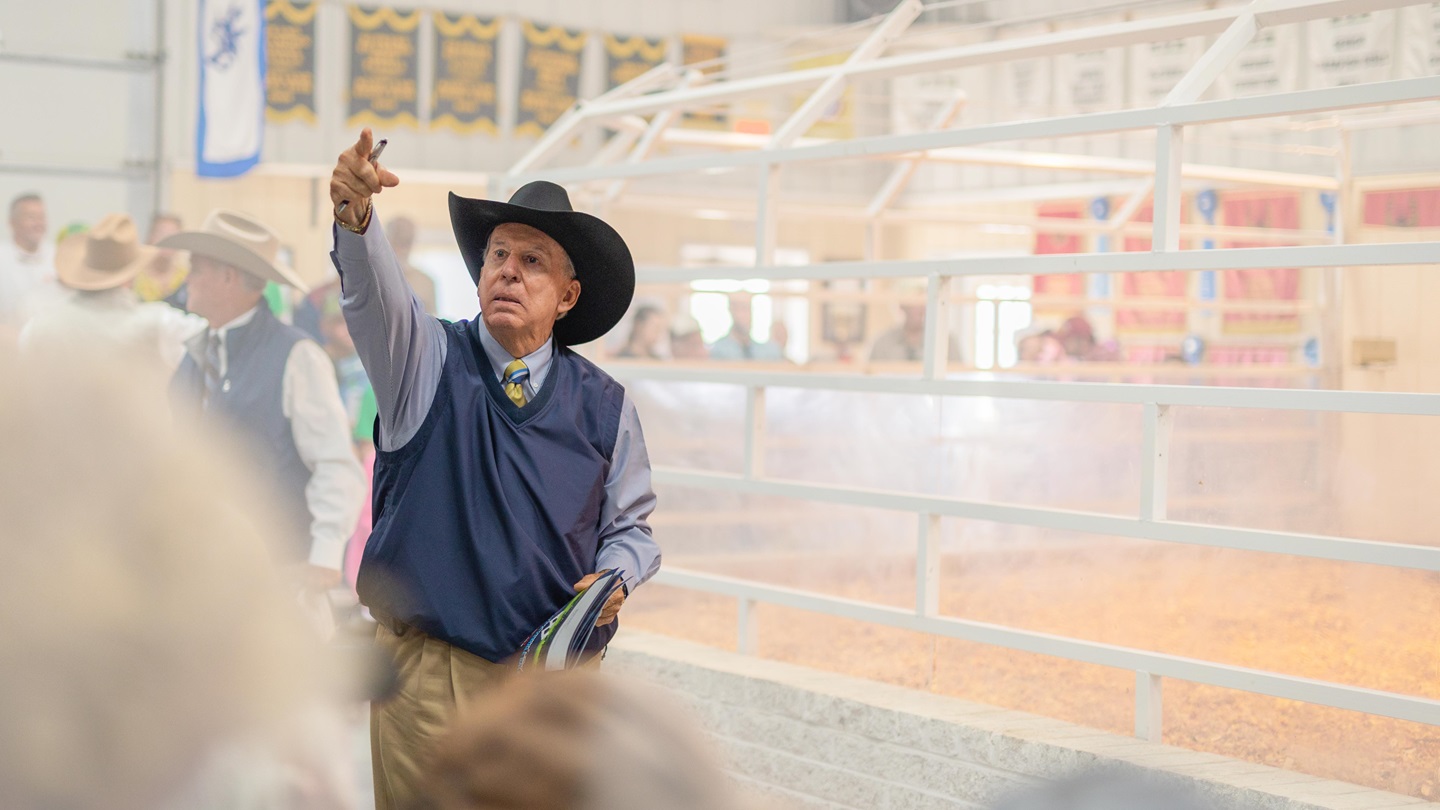

When Lanny Benson started Emilan Angus in 2000, he had a mission. He wanted his registered Angus cattle to catch the eye of fellow Georgia cattlemen, serving as a good option for commercial breeders looking to introduce a new sire to their herd.
He soon found out, however, it wasn’t as simple of a plan as he had originally thought.
“I found that trying to market them as higher-priced and higher-quality cattle was hard to do with a small operation,” Benson admits.
Nine years later, he found a solution.
“I began to see the effects of the sales through the University of Georgia,” Benson says, listing both the Heifer Evaluation and Reproductive Development (HERD) program and the bull test as events he’s participated in. “Over the period of time from 2009 until now, I’ve had a good market and a much better return for my animals than I would have just trying to use the genomics and so forth here on the farm.”
Hubert Hightower is a Florida breeder who made the switch from commercial cattle to registered Angus in 2012, but he faced the same challenges as Benson.
Bull tests at both the University of Florida and Georgia were the perfect form of advertisement for Hightower’s young sires, while simultaneously giving him a direct means of communication with other seedstock operations.
Some, like Michael Rister, have found those same benefits in a different option: a state consignment sale. Rister currently serves as the president of the Louisiana Angus Association, but in 2018 when he started his registered herd, he admits he felt a little lost.
He explains, “When I didn’t have a market for my cattle … [the state consignment sale] gave me the platform to get started and take that first step.”
Oftentimes, that “first step” is all it takes to create a lifetime of success. These seasoned cattlemen offer advice for others looking to sell their livestock through a new platform.

Put in the prep work.
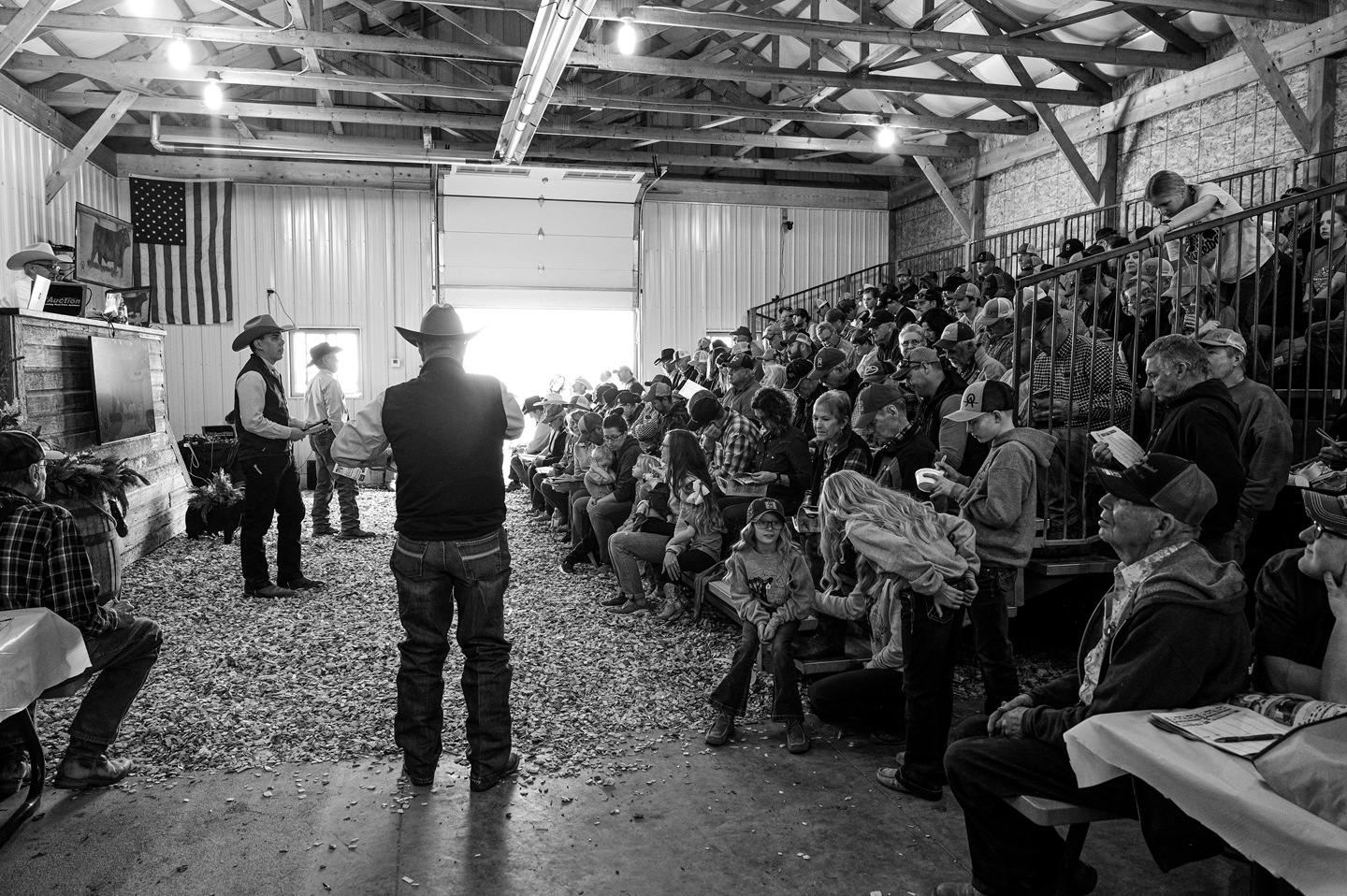
Before adding an animal to a test or sale lineup, Benson recommends attending another local operation’s auction.
“Go to the sale, get a [sale book], look at the breeding of the animals, look at the EPDs (expected progeny differences) and genomics on the animals, get an idea of what it takes to produce a good animal,” he instructs. “You can judge what animals are bringing the top prices at the sales, and then you can begin to see the threshold for having an animal that’s going to make the sale.”
When you know what potential customers are searching for, you can ensure your herd will meet those needs. Hightower adds that making strong breeding decisions — creating good cattle — is the foundation all breeders should start with.
As those calves hit the ground, Hightower says he watches for growth. Knowing he’s nominating his sires to a bull test means he also knows they have to be gaining weight.
“You can’t carry a weak bull over there,” Hightower advises.
Benson places the same emphasis on his cattle.
“You want to look for animals that have superior growth,” he agrees. “I think growth is one of the biggest criteria for a bull test.”
Don’t try to save your best animals for private treaty, either, Benson says. Both he and Hightower are firm believers that the best animals should be put on a platform like a bull test or a consignment sale.
Measure the costs against the profits.
Though he’s a strong proponent for their benefits to cattlemen, Hightower says there are fees associated with events like these.
Most events have some sort of vaccination standards in place, but Benson says some other states require tests such as anaplasmosis.
A producer also has to transport the animal to the facility or event, a cost that can quickly add up when you include potential health certificates, gas and more.
For instance, he’s paid nomination fees of $1,250 each bull he’s put on test, and the university includes a 10% fee in that for handling the money. Hightower lists feed, labor, breeding soundness exams (sometimes referred to as a BSE), and carcass ultrasound testing as expenses included in that initial cost, but notes that there’s still more to consider.
Bulls that don’t pass a breeding soundness exam have to be brought home without selling, and Hightower says that can become an expensive process. Even if the animal passes the exam, he still has to index above 89 to be included in the test sale at the University of Florida. For that bull test, the index is calculated by adding each bull’s weight per day of age (WDA) to his test average daily gain (ADG). Bulls are ranked from highest to lowest numbers.
When the bull does qualify for the sale, Hightower says there’s another cost of $350-450. This covers the creation and postage of the sale book, various auction costs, and the registration and transfer fees once the bull has sold.
“To get a bull over there and sell him, it can cost about $1,650,” Hightower says, noting that it’s a set of charges far outweighed by the benefit. “It is worth going through these bull tests to get good advertisement at a very cheap cost.”
Benson shares that sentiment.
“At sale time, there’s usually a good profit on the cattle, much more than you could get per animal at a livestock sale,” he explains.

Use the event as a benchmark.
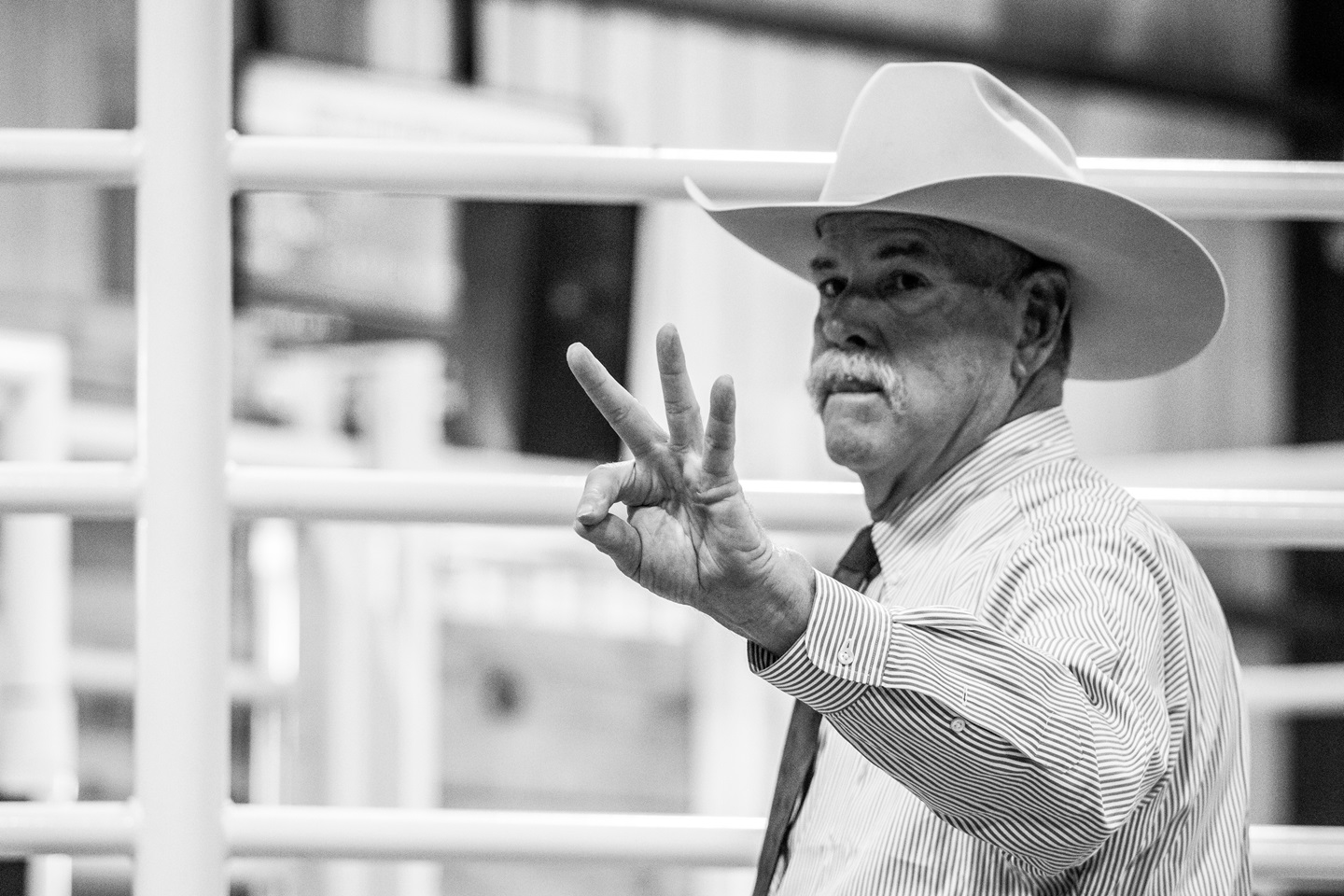
Though the fall of a gavel sometimes feels like the moment of success, Rister says a bull test or consignment sale can also set the standard for future transactions.
“We set our baseline with a consignment sale,” he says. “I trust that auction better than I do myself, private treaty, setting the price on those animals. Usually, I’ll set myself too short and lose value based on my private treaty prices.”
Sometimes breeders fall in a rut of keeping their private treaty prices stagnant. With the Louisiana bull sale in January, Rister sets his prices for the year based on how that event goes.
“Prices are changing so much from year to year or month to month, and you’ll almost do yourself wrong if you sold for what you did last year,” he says. “You don’t know what the value of the animals are for that year until you go to the auction format.”
Remember these events are the business’ bread and butter.
For Rister, staying involved in events like this is all about giving back.
“[I want to] keep the association going so it can provide what it did for me,” he says. “It gave me that foot in the door.”
The consignment sales are more than just an auction, too. Rister says there’s often a shared meal and the inclusion of Louisiana junior members, sometimes even an educational presentation — all factors that help attract a crowd.
Benson has seen the same type of draw to similar events in Georgia.
“I think it’s a real benefit to the association to be able to present a good set of quality animals, and just the reputation of having their association sale to encourage new members,” he adds. “I noticed the Georgia Cattleman’s Association has [a] good, steady increase in membership because of the quality of the sales that they have.”
And while Rister says these events are often the perfect stepping stone of new breeders, no one ever truly ages out of a consignment sale or bull test.
“I think it’s good for all breeders at all levels because it does work as a showcase,” he explains.
When more experienced breeders participate, too, there’s a chance for shared knowledge. Big names can help fill the grandstands, but those wanting to learn have a chance to ask questions of others.
There’s no one way to define success, but these three cattlemen share elements of the same plot in their unique stories. New or familiar with the industry, running an operation big or small, it’s hard to deny the benefit of a bull test or consignment sale.
The Power in Transferring
How to welcome your commercial customers into the registered business.
It was a great sale day. Your bulls are all slated for new pastures, the checks have been signed and the barn is empty. You’re done worrying about that crop of sires — aren’t you?
Well, you shouldn’t be.
Taking the time to transfer registration certificates for your registered bulls to their new commercial cattlemen owners is actually another great part of your customer service endeavors. When those customers are officially listed as an owner with the American Angus Association, they can capture the value of the Angus breed downstream.
“A registration paper is more than paperwork — it’s the foundation of trust between seedstock and commercial producers,” says Troy Marshall, director of commercial industry relations with the American Angus Association. “When we transfer bulls, we’re not just completing a transaction, we’re preserving the genetic story so it can create value all the way through the supply chain. That’s the same principle we’re now applying on the commercial side with documented cattle and AngusLink®.”
Marshall says breeders should think of it like this. While the registration paper is documented genetics in the seedstock world, AngusLink is the equivalent in the commercial world.
With AngusLink, producers are able to validate breed makeup and quantify genetic performance potential. Thanks to the program, more than $94.9 million in premiums have been paid to producers.
The Genetic Merit Scorecard® (GMS) draws on the industry’s largest database to evaluate calf genetics. It projects calves’ performance potential from weaning to packing plant, and scores indicate how cattle will perform in the feedlot and on the rail.
Transferring certificates also allows commercial bull buyers access to AAA Login. There they can maintain their bull inventory and stay current with the EPDs of their animals. Marshall says more knowledge can allow these producers to make better breeding decisions to achieve their own goals and further elevate their program.
To ensure these customers are always in touch with The Business Breed, the Association will send them the Angus Beef Bulletin®. The publication comes out five times a year and serves as a mouthpiece of the Association to help stay engaged with commercial cattle producers. From industry news, management tips and to the advertisement of Angus genetics, this publication will help your customers make the most of their investment in the breed.
Marshall says transfers today are easier than they’ve ever been. Digital options make the process quick and manageable, he explains, but it’s more than just a checked box on the to-do list.
“The best seedstock operators don’t view transfers as a task,” Marshall says. “They view them as part of delivering a complete product.”
Watch Troy Marshall, director of commercial programs, talk about AngusLink and the GMS.
Topics: Business , Management , Marketing , Ranch profile , Seedstock Marketing , Success Stories , Sire Evaluation
Publication: Angus Journal
Related Publications


Current Angus Journal
Keep up on the latest stories of the people and programs in the breed.

Latest Podcast Episode
Don’t miss conversations with breeders and industry experts.