




ANGUS ADVISOR
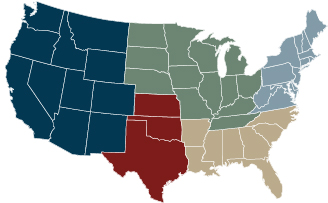
Angus Advisor: Southern Region
Our team of Angus advisors offer regional tips for herd management.
July 24, 2026
The next generation of cows
As producers look toward the future of their operations, replacement heifer decisions made today will influence herd productivity for years to come. In a time when females are historically valuable and costs remain high, every heifer retained represents a significant investment. But the goal is not simply to get heifers bred once. The real challenge is identifying females that will remain in the herd long term. Building the next generation of fertile cows starts long before a female delivers her first calf; and often comes down to a combination of genetics, reproductive management, nutrition and good cow sense.
One of the most important traits in a replacement heifer is not always easy to identify visually: fertility. Heifers that conceive early in their first breeding season are more likely to remain productive and stay in the herd longer than females that breed late. Those early-bred replacement heifers typically calve earlier each year, wean older and heavier calves, and remain in a better position to rebreed. Over time, these advantages compound and can have a major effect on herd productivity and profitability.
Building fertile replacement females starts with good selection decisions long before breeding season begins. Heifers born early in the calving season often have more time to reach puberty prior to their first breeding season and may remain at an advantage throughout their productive life. In addition, structural soundness, disposition, reproductive tract development and the longevity and fertility history of the dam can all provide valuable insight when selecting replacements. Proper heifer development also remains critical. Both underdeveloped and overconditioned heifers can create reproductive challenges, reinforcing the importance of sound management throughout heifer development.
Genetic selection tools can also play a role when building the next generation of fertile cows. Traits such as heifer pregnancy (HP), scrotal circumference (SC), and functional longevity (FL) can help identify cattle with greater reproductive potential and long-term productivity. While no single EPD guarantees fertility, these tools can complement good management and cow sense when selecting replacement heifers and sires. As genetic evaluation evolves, producers have more opportunities than ever to select cattle that combine performance, carcass merit and reproductive functionality.
Reproductive management tools can also help optimize replacement heifer performance. Estrous synchronization programs, artificial insemination, reproductive tract scoring, and early pregnancy diagnosis allow producers to make more informed selection and culling decisions earlier in a female’s life. These tools help identify heifers that become pregnant and females that conceive early within the breeding season. In many operations, the value of reproductive technologies can help build a more fertile, uniform and efficient cow herd over time.
While no single trait guarantees long-term success, prioritizing fertility, sound heifer development and reproductive efficiency can help build cows that remain productive and profitable for years to come.
by Pedro Fontes
University of Georgia
pfontes@uga.edu

Topics: Animal Handling , Business , EPDs , Equipment / Facilities , Feedstuffs , Foot score , Genetics , Health , Management , Nutrition , Pasture and Forage , Record Keeping , Reproduction , Sire Evaluation
Publication: Angus Journal
Related Publication Articles


Current Angus Journal
Keep up on the latest stories of the people and programs in the breed.

Latest Podcast Episode
Don’t miss conversations with breeders and industry experts.