




ANGUS ADVISOR
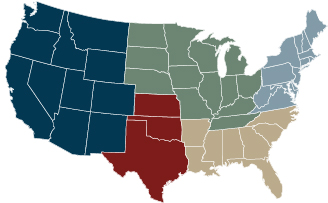
Angus Advisor: Southern Region
Current market conditions favor larger adoption of AI in commercial herds.
January 20, 2026
Estrous synchronization and artificial insemination (AI) have been part of the beef industry for decades, yet their full value in commercial cow-calf systems is still underrecognized. When implemented correctly, these tools tighten the calving window, increase the proportion of early-born calves and create a more uniform calf crop.
These advantages translate into heavier weaning weights and more pounds of calf weaned per cow exposed, which remains one of the strongest drivers of profitability. AI also gives operations access to a broad range of proven sires with dependable genetic information for a variety of traits, allowing producers to more precisely target their genetic improvement goals.
Every pregnancy carries a cost, and several key inputs contribute to the true cost of natural service. Beyond the purchase price of a bull, producers must account for annual carrying costs, bull depreciation and how many females each bull can reliably settle. Injuries, breeding soundness examination failures, and shortened longevity can increase the cost per pregnancy even further.
As strong cattle markets push bull prices higher while carrying costs remain steady or increase, these expenses accumulate quickly and alter the economics of relying solely on natural service.
Meanwhile, the cost of estrous synchronization products, semen and technician services has changed relatively less in recent years. Because these inputs have remained stable, the cost per pregnancy in operations that rely solely on natural service can often exceed that of operations that use a combination of AI and natural service. This does not diminish the importance of high-quality herd sires. Bulls remain central to commercial operations, and seedstock producers continue supplying the genetics that drive progress across the industry.
Yet, today’s economics do create an opportunity for commercial herds to integrate AI alongside natural service in a way that improves genetic improvement and manages overall breeding costs.
AI also provides practical flexibility. The ability to use multiple proven sires in the same breeding season adds another advantage, allowing commercial producers to diversify genetics, improve uniformity and reduce risk tied to any single sire. Periods of strong cattle markets create a unique opportunity for commercial producers to reinvest in reproduction and genetics.
These efforts can generate long-term returns by raising the genetic merit and value of the upcoming calf crop, as well as strengthening herd rebuild through higher-quality replacement heifers. Producers that are not currently using AI can start small by synchronizing and inseminating replacement heifers and/or a selected group of cows, allowing them to evaluate results within their own system.
If successful, they can expand the use of these technologies to the rest of the herd. Support from Extension agents, veterinarians, AI technicians and semen suppliers helps align estrous synchronization protocols and sire selection with each operation’s goals and labor capacity, while reducing the risk of suboptimal pregnancy rates when starting to use AI.
by Jason Duggin
University of Georgia
jduggin@uga.edu

Topics: Animal Handling , Business , EPDs , Equipment / Facilities , Feedstuffs , Foot score , Genetics , Health , Management , Nutrition , Pasture and Forage , Record Keeping , Reproduction , Sire Evaluation
Publication: Angus Journal
Related Publication Articles


Current Angus Journal
Keep up on the latest stories of the people and programs in the breed.

Latest Podcast Episode
Don’t miss conversations with breeders and industry experts.