




Investing in the Cow Herd to Rebuild for the Future
Economists say investing in the cow herd now using past data from all parts of the industry to guide decision-making will set the pace for the future of the beef industry.
September 21, 2026
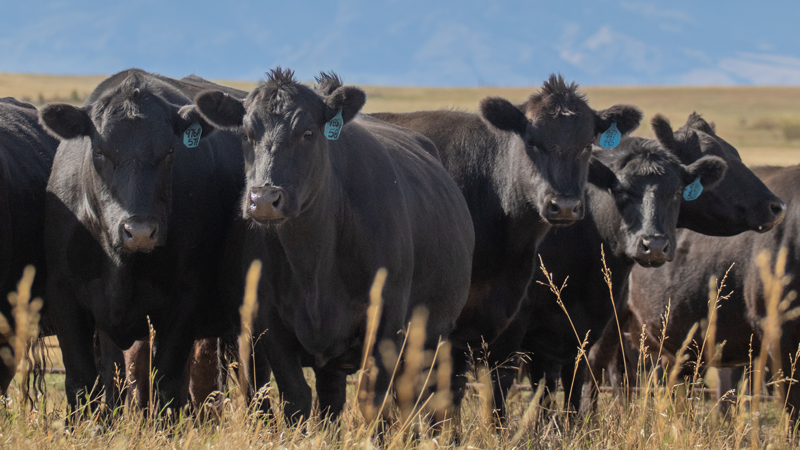

The current inventory of cattle in the United States is the smallest it’s been since 1951. The calf crop in 2025 was the smallest calf crop in the country since 1941. It is no secret that cow herds are getting smaller.
Cattle cycles have been a tool followed by economists for more than 140 years. They tell economists and producers alike what patterns affect the industry from cattle inventory to retail beef prices and where we are going.
“This last cattle cycle, the calf crop peaked in 2018 and has continued to get smaller for the last eight years,” said Derrell Peel, professor of agricultural economics at Oklahoma State University during a keynote session at the 2026 Beef Improvement Federation Symposium in June. “That’s important to keep in mind as we go forward.”
Peel noted the beef cow herd is the main driver of the cattle cycle and that the dairy industry doesn’t change a whole lot over time, contributing a part to the beef industry but not a lot.
“2014 was the previous low. That one was exaggerated by drought. This one is exaggerated by drought,” Peel explained. “We didn’t intend to be that small either of those two times, and we’re now 1.1 million head of beef cows smaller even than we were then.”
Consumer demand
Despite low inventory and high retail prices, improvements in quality grade over the years has resulted in a strong demand for beef this cycle.
“The National Beef Quality Audit helped us start to understand our consumer better and figure out what mattered to them,” said Dave Weaber, Terrain’s senior animal protein research analyst. “Taste and tenderness was the answer.”
Research inside retail stores has helped economists understand why consumers buy what they do and what factors influence their purchasing decisions. This data has greatly affected the beef demand despite high prices as well as the improvement in quality grade offered on shelves.
“There’s not a coincidence that the fine wine and French Cabernet is across the aisle from Wagyu, Prime and Choice Steaks,” Weaber said.
The forecast for consumer demand is equally as important as increasing inventory numbers. Weaber added something changed in 2023 that transformed beef demand.
“That was about the time our group really got concerned about what beef demand and beef spending was going to do because it’s paramount to our forecast,” he explained. “One of our charges is to forecast prices. The hardest component of any economist that’s trying to forecast is demand.”
Even with improvements in quality grade and strong beef demand from retail consumers, the feedlot inventory is just a snapshot, a stock number. Peel said data shows beef production fell 3.6% last year.
“We’re projecting at this point in time something like that again, 3.5% to 4% decrease in 2026,” he said. “But retail prices are high. Retail beef prices on average continue to increase, but beef demand is high.”
In the previous cattle cycle when producers were rebuilding the cow herd, genetics were changing rapidly with what would perform better in feedyards in terms of quality.
Rebuilding the herd
As we move through this cycle and lean on decades of data, historically producers have begun rebuilding the cow herd. Peel said cow herds have to expand, but it will come at a cost. In order to keep feedlots full, which they are often incentivized to do, we are feeding more heifers. This results in less replacements in the herd and older cows making up the majority of a cow-calf operation.
“When we’re actively trying to rebuild the herd, the heifers on feed inventory has to come down,” Peel said. “They get one calf at a time. If that one happens to be a female, we’ve got to decide whether we want to eat her now or invest in her for future production, and that’s the situation we’re in now.”
Cattle slaughter has also noticeably decreased in the last year. As heifer slaughter decreases because replacements are kept in the cow herd, we’ve offset some of that decreased slaughter with increased carcass weights. Peel added feedlots have done a great job of essentially turning fewer cattle into more pounds of beef.
In 2024 and 2025 carcass weights grew by 50 pounds, but Peel said some of that is a long-term trend.
“Cattle have changed over time, but it’s also driven by market conditions,” Peel said “Yield grade has gone up. A lot of the weight we’re putting on right now is not deep. It’s fat. There [are] market conditions that explain why that is.”
Due to New World screwworm, the Mexican border has been closed for about a year and a half. The result is 700,000 to 800,000 head of Mexican cattle not coming to our feedyards. It’s not the major driver of markets or prices in the United States, but it’s certainly a contributing factor at the margin, Peel stated.
Beef exports peaked at a record in 2022 and since have been coming down. Peel said we knew that would happen as we got into tighter supplies and higher prices.
With the mass amounts of data we have, what cow-calf producers do right now is going to determine the supply of the industry and where we go. Rebuilding the herd will come at a cost, though.
“Cow culling and slaughter will drop to as low a level as you can manage at least for a period of time,” Peel said of the effects of producers keeping cows in the herd longer to rebuild. “At the same time heifer retention goes up, and so the combination of slowing down the rate of pulling cows out of the herd combined with adding more heifers is what allows us to increase the herd on net.”
Cow culling is already fairly low when compared to recent years, but the main component of herd growth is heifer retention.
“In fact, the longer we go on with this, the more these cows have gotten older because we cut culling,” Peel said. “We need more heifers just to hold together what we have at this point.”
Looking back a previous cattle cycle, the lowest herd inventory was driven by drought. In 2014 we had been increasing the beef replacement heifer inventory for three years prior to the beginning of herd expansion.
“It’s a very slow process,” Peel added. “It takes about a 47% female slaughter ratio to be consistent with herd expansion. The last four cattle cycles, when we drop below 47% female cattle slaughter ratio, then that’s when we start herd expansion, and that’s been consistent. Those range from 14 months below 47% to as much as 49 months below the 47% threshold. We’re not there yet.”
Based on this data, Peel predicted it could take another six to eight months to see herd expansion due to multiple factors, like weather patterns and forage availability.
“There’s a long list of reasons why this cattle cycle is operating much more slowly, and part of it is the fact that we still have drought threats,” Peel said. “We’ve never been able to get a clean break from the drought, and certainly that’s true this year.”
Editor’s note: Maddy Rohr is a freelance writer from Weatherford, Texas.
Publication: Angus Journal
Related Publications


Current Angus Journal
Keep up on the latest stories of the people and programs in the breed.

Latest Podcast Episode
Don’t miss conversations with breeders and industry experts.