




Early Immunity
What new studies reveal about vaccinating young calves.
June 1, 2026
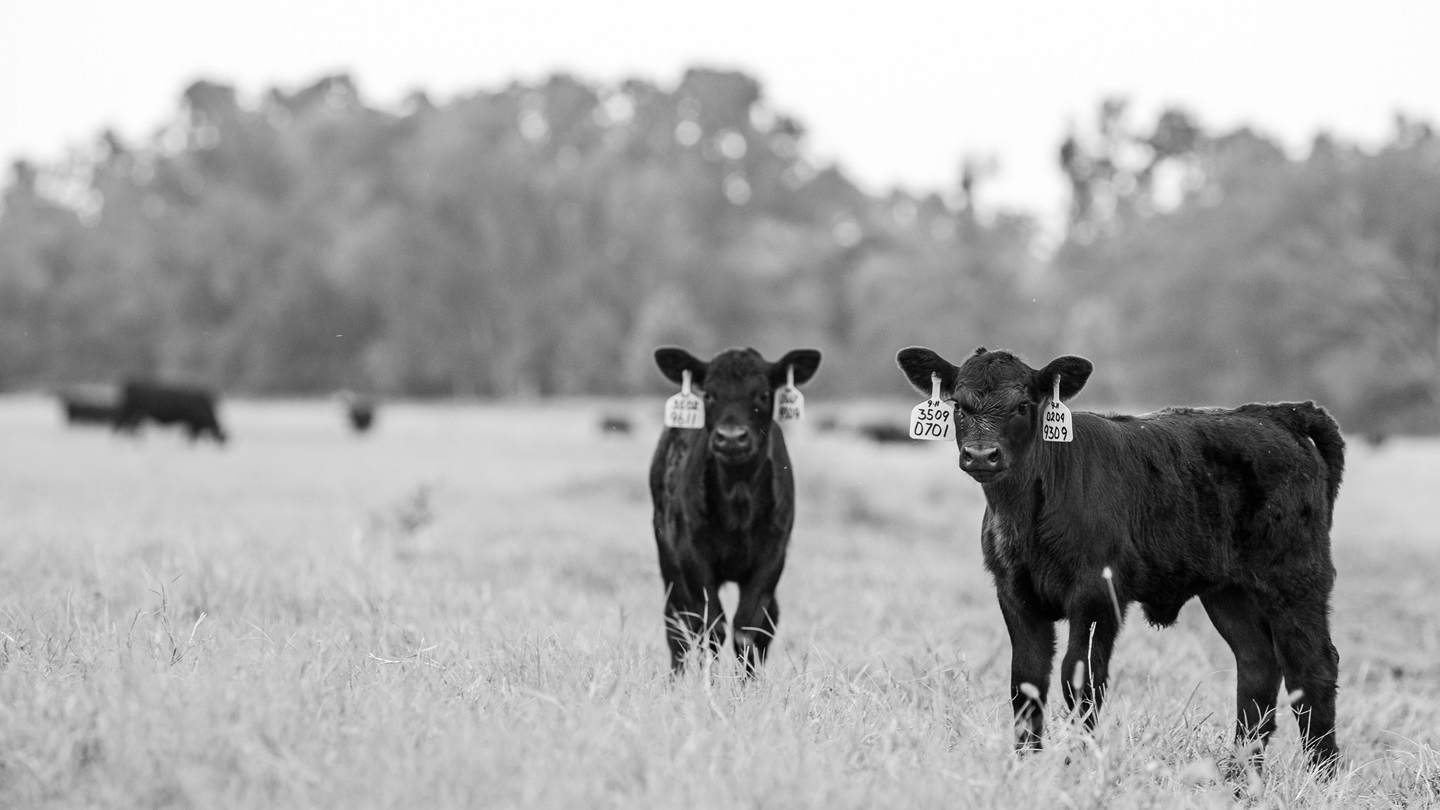

For years, the prevailing belief in the cattle industry has been that maternal antibodies passed through colostrum can interfere with how young calves respond to vaccines.
Because of that assumption, many producers have traditionally waited to vaccinate calves until later in the production cycle, hoping to avoid “wasting” a vaccine dose too early. But research presented at the 2026 Cattle Industry Convention and NCBA Trade Show suggests it may be time to revisit that idea.
During his session, “Vaccinate to Stimulate: Developing Protection in the Face of Maternal Antibodies,” Boehringer Ingelheim Senior Veterinary Consultant Jody Wade walked producers through new findings which challenge the conventional timeline.
Wade, who has nearly four decades of experience working with food animals, explained calves may be capable of mounting an effective immune response earlier than many in the industry once believed.
Wade’s discussion revolved around a familiar challenge: bovine respiratory disease complex (BRDC). Despite decades of research and improved management tools, BRDC remains one of the most persistent and costly health issues in the cattle industry. The disease is rarely caused by a single factor. Instead, it emerges when stress, viral infections and bacterial pathogens intersect at the wrong time.
Cattle have about 25% less lung capacity per pound than any other mammal we work with.” — Jody Wade
“We’re behind the eight ball when it comes to bovine respiratory disease,” Wade said, noting stress continues to be one of the biggest contributors.
Routine management events, such as weaning, transportation and commingling, can significantly weaken a calf’s immune defenses. Once stress compromises the system, viruses can gain a foothold, and secondary bacterial infections often follow.
Wade also explained cattle are naturally more vulnerable to respiratory problems because of their anatomy.
“Cattle have about 25% less lung capacity per pound than any other mammal we work with,” Wade said. “If you set the lungs of a thousand‑pound horse next to those of a thousand‑pound steer, you’d see the difference immediately. Because of that reduced capacity, cattle have to move nearly twice as much air, and they’re far less heat‑tolerant than other mammalian species.”
Viruses add another layer of complexity by damaging the respiratory tract’s natural defenses.
Wade shared research images showing how infectious bovine rhinotracheitis (IBR) affects the cilia — the tiny, hair‑like structures lining the respiratory tract — which help trap and remove inhaled particles. Within just a few days of viral exposure, much of this protective layer can disappear.
“When those cilia are gone, anything that calf breathes in is going straight to the lungs,” Wade explained.
Without that first line of defense, bacteria have a much easier time establishing infection.
While viral vaccination rates are high as calves enter feedyards, Wade pointed out that some calves still lack adequate protection against key bacterial pathogens. He highlighted Mannheimia as a particularly important consideration for cow‑calf operations, since stressful events often trigger disease outbreaks later in the production cycle.
“If we’re going to vaccinate for something, it needs to be prior to stress,” he said.
This point led directly to the central question of the session: Can vaccines still work effectively in calves that already have maternal antibodies from colostrum?
Historically, many vaccine challenge studies used calves that did not receive adequate colostrum, making it difficult to understand how vaccines perform under real‑world conditions where maternal antibodies are present.
To address that gap, researchers designed a study using calves with confirmed maternal antibody levels. Calves between 26 and 45 days old received vaccination and were later challenged with a virulent bovine viral diarrhea virus (BVDV) type 1B strain. Several days after the viral challenge, the calves were also exposed to Mannheimia to evaluate how well their immune systems responded under pressure.
Wade noted BVD strains continue to evolve. While most commercial vaccines include BVD types 1A and 2A, diagnostic laboratories are increasingly identifying type 1B in field cases. That shift makes understanding vaccine performance against 1B especially important.
The study’s results were encouraging. Vaccinated calves showed higher BVD antibody titers, lower rectal temperatures and higher white blood cell counts compared to unvaccinated controls. Researchers also observed increased interferon‑gamma activity, which Wade described as a clear sign that the calves’ cell‑mediated immune system had been activated.
“This made a difference for us in some of our recommendations on how early we can vaccinate them,” he said.
Additional university studies have supported these findings. When researchers compared traditional vaccination schedules with earlier protocols, they found that calves vaccinated at around 45 days of age and boosted at weaning responded similarly to calves vaccinated later.
For producers, this could open the door to more flexible vaccination timing, especially during routine handling events such as pregnancy checks, branding or other times when calves are already moving through the chute.
These findings do not suggest a universal vaccination plan. Every operation has its own management style, disease pressures and labor constraints. Working with a veterinarian to develop a herd‑specific protocol remains essential.
But the research does challenge a long‑standing assumption: calves may be capable of developing meaningful protection earlier than many producers once believed.
Topics: Management , Health
Publication: Angus Journal
Related Publications


Current Angus Journal
Keep up on the latest stories of the people and programs in the breed.

Latest Podcast Episode
Don’t miss conversations with breeders and industry experts.