



A Life of Accomplishment
Two Angus breeders build a life of faith and family.
January 5, 2026
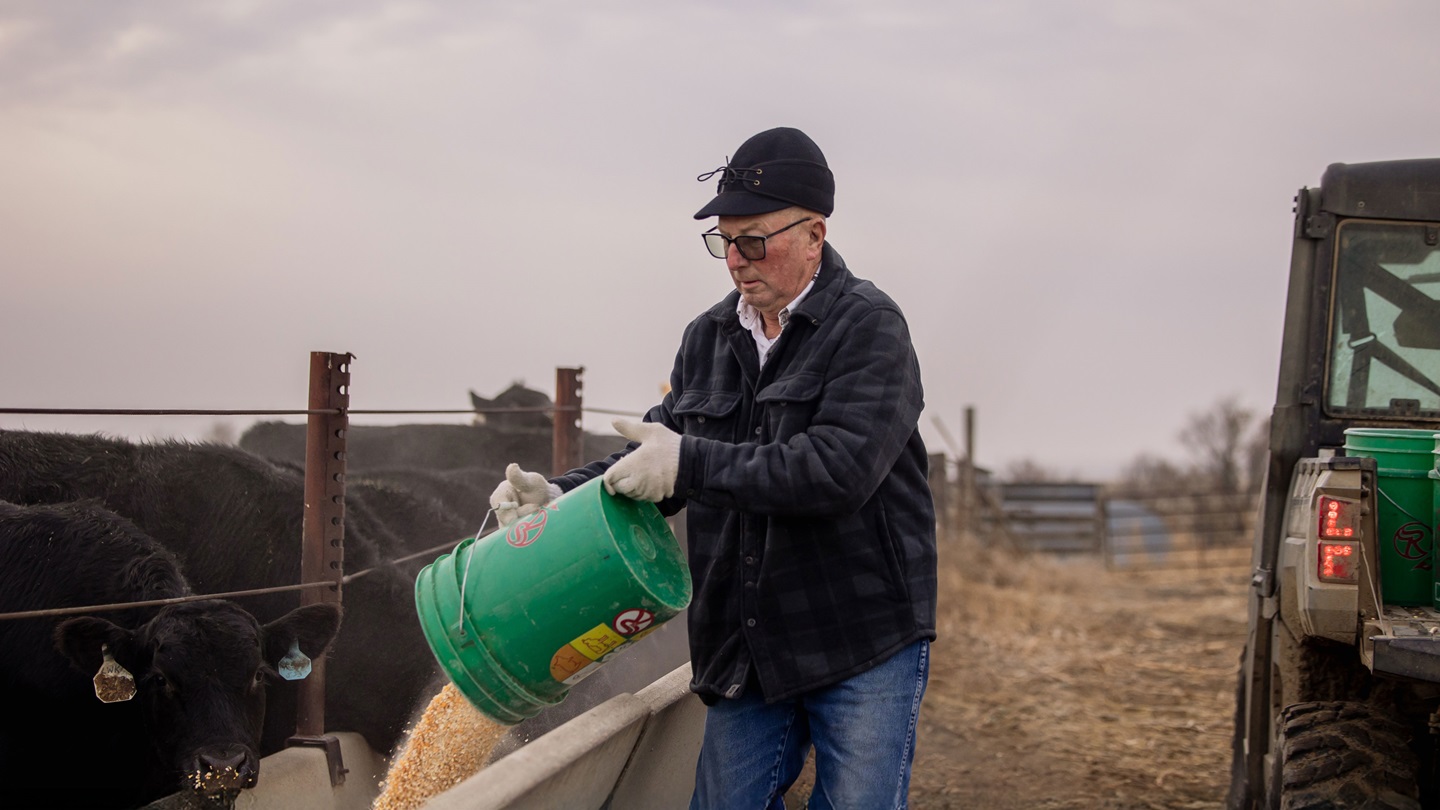

“What do you think your greatest accomplishment has been?”
With 61 years of marriage behind them and 51 years as Angus producers, LaVern and Alice Koupal take a minute to answer that question.
Alice says 2021 was a big year. As the couple behind Koupal Angus, they were named the South Dakota Angus Breeders of the Year. But the answer comes with a confession.
“We had to lie to get him there,” she laughs, patting LaVern’s shoulder.
He just shrugs.
“I’m not one to get up in front of people,” he admits.
The conversation flows on, but later, when Alice wanders to the kitchen, LaVern sits back in his chair with a soft smile.
“I was always proud when I got Athlete of the Year when I was in high school, and then I got Farmer of the Year when we were younger. I was very aggressive ... it was that aggressiveness that got us into trouble, but in the long run, it paid off. We held everything together,” he explains. “That’s what takes courage. So, my greatest accomplishment? It’s been her. My wife — she’s the best thing that ever happened to me.”
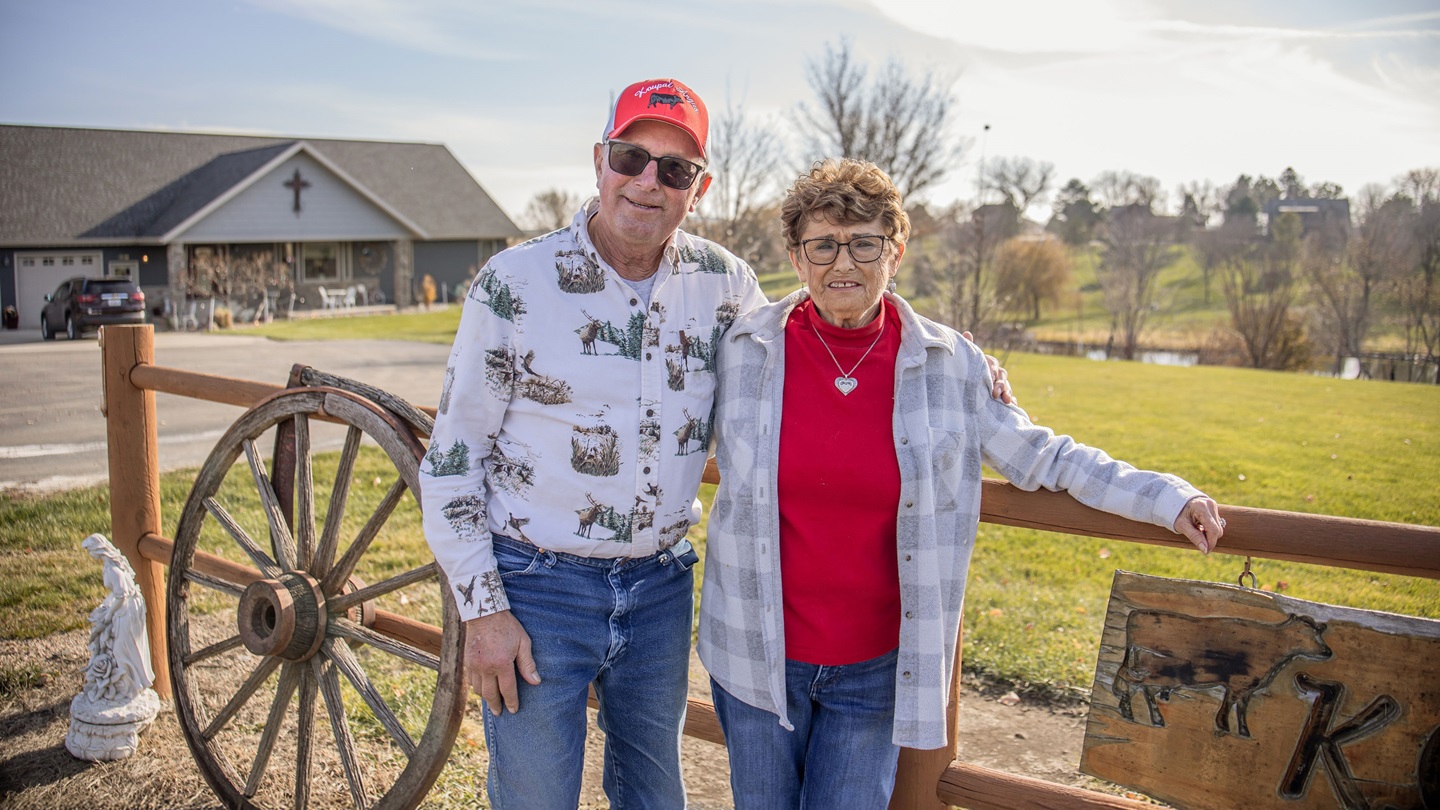

To LaVern, the ranch he’s built, the family he’s grown, it all traces back to Alice. He dubs her the “people person” in their partnership, the glue that holds the many Koupals together — and there’s a lot of them.
They have five children, Brenda, Vern “Bud,” Becky, David and Jenny; 18 grandchildren and 25 (soon to be 26) great-grandchildren. Holidays are busy and schedules are jam-packed with chores, football games, birthdays and more, but for Alice and LaVern, the full calendar is a sign of a life well-lived.
Built on faith
Alice might not have known she was talking to her future husband with their first interaction; LaVern, however, says he knew instantly he’d found his future wife.
“She walked up to me — I was wearing my letterman jacket — and said, ‘So you’re Vern?’” he recalls. “She took my breath away.”
At the ages of 17 and 20, the pair was married, and Alice came home to LaVern’s family farm. His grandfather had brought the Koupals to Dante, S.D., and his dad started a small Angus herd in 1949; but Alice wasn’t quite ready for life as a farmhand.
“I was from town,” she says, retelling stories of those early days spent milking dairy cows before they transitioned into the beef industry. “It was just the two of us greenhorn kids out there.”
LaVern laughs.
“She had them long nails and milked cows,” he jokes.
But it didn’t take long for her to adapt. When they replaced those dairy cows with Angus females, Alice found her stride.
While LaVern handled the day-to-day chores and feeding, Alice was the powerhouse behind their membership at the American Angus Association. She took on the role of registration, transfer and data management.
“It’s a true partnership,” Alice explains. “We’re always talking pedigrees — even after all these years, the interest we have in Angus cattle.”
LaVern likes to see traditional-type Angus head on a moderate frame. Good feet and legs are important, and the cows have to fulfill their purpose: they have to be good mothers.
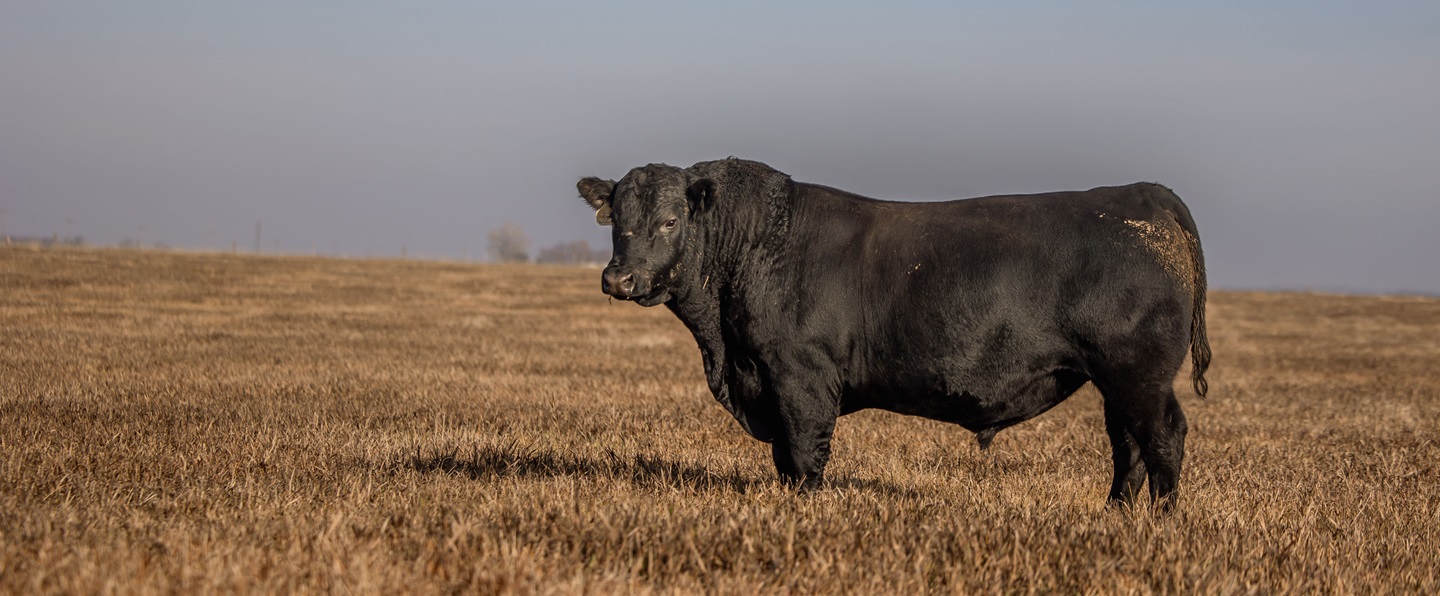

LaVern says for him, there’s one genetic line that stands out from the rest. With the Juneau bloodline, he’s been successful in linebreeding.
“We’ve used father, daughter, brother, sister, and it’s worked,” he adds. “It’s working.”
Even with a clear vision and a solid partner at your side, however, LaVern says life as cattle producers wasn’t always kind to them.
In 1977, the Koupals sold six bulls in their first sale.
At LaVern’s prompting, Alice admits, “We averaged $600 a head. That’s horrible!”
The pair laughs now, but even then, Alice says they were just excited to make the sale.
“We thought we had the world by the tail.”
For the first handful of years in the bull business, LaVern would haul cattle to Platte, sell them, bring the bulls back home and then hit the road to deliver them. It wasn’t long before they decided to build their own barn.
“We had no experience,” LaVern jokes about that time in their lives. “It was a tough first 15 years.”
There are stories of bulls escaping the night before a sale, accidentally slick-shearing the kids’ show animals, washing mud off sale cattle until 2 o’clock in the morning.
And yet, through it all, they prevailed.
“We learned from our mistakes,” LaVern says.
As if the challenge of starting a herd and developing a customer base wasn’t enough, the pair had to claw their way through a terrible economy, too.
“We lived through the ’80s,” LaVern says. “It was a hard time.”
They’d bought the land they wanted prior to the recession and eventual stock market crash, but things were dire. Interest rates hit 18%, and the bank kept rolling those notes year after year.
In 1986, things hit a different level.
“We had to file bankruptcy,” Alice says. “It was tough. We knew a lot of people looked down on us because of it, but it was the only way that we could stay in business.”
She took a job in town, and it was that salary that fed the couple and their five children. The $2.65 an hour pay wasn’t a lot; but somehow, the Koupals made it.
They know it wasn’t luck or their own capabilities that got them through those years.
“It was tough, but God prevailed, and we came through it,” Alice says. “It’s not something you brag about — having to file for bankruptcy — but it was something that we had to do to be able to stay on the farm. We worked together, did a lot of praying and God saw us through.”
Faith was the foundation for their family and their business, and LaVern says once they got through the recession, growth was at the forefront of his cattleman’s mind. He took the initial females he and Alice purchased together and eventually turned them into a herd of 700 cows — an all-time high for the herd recorded in 2010.
“My goal was a thousand,” LaVern says.
While he never quite got there, the couple found a lot to still be proud of.
Like many in the Angus business, Alice says the people they got to meet made the work worthwhile.
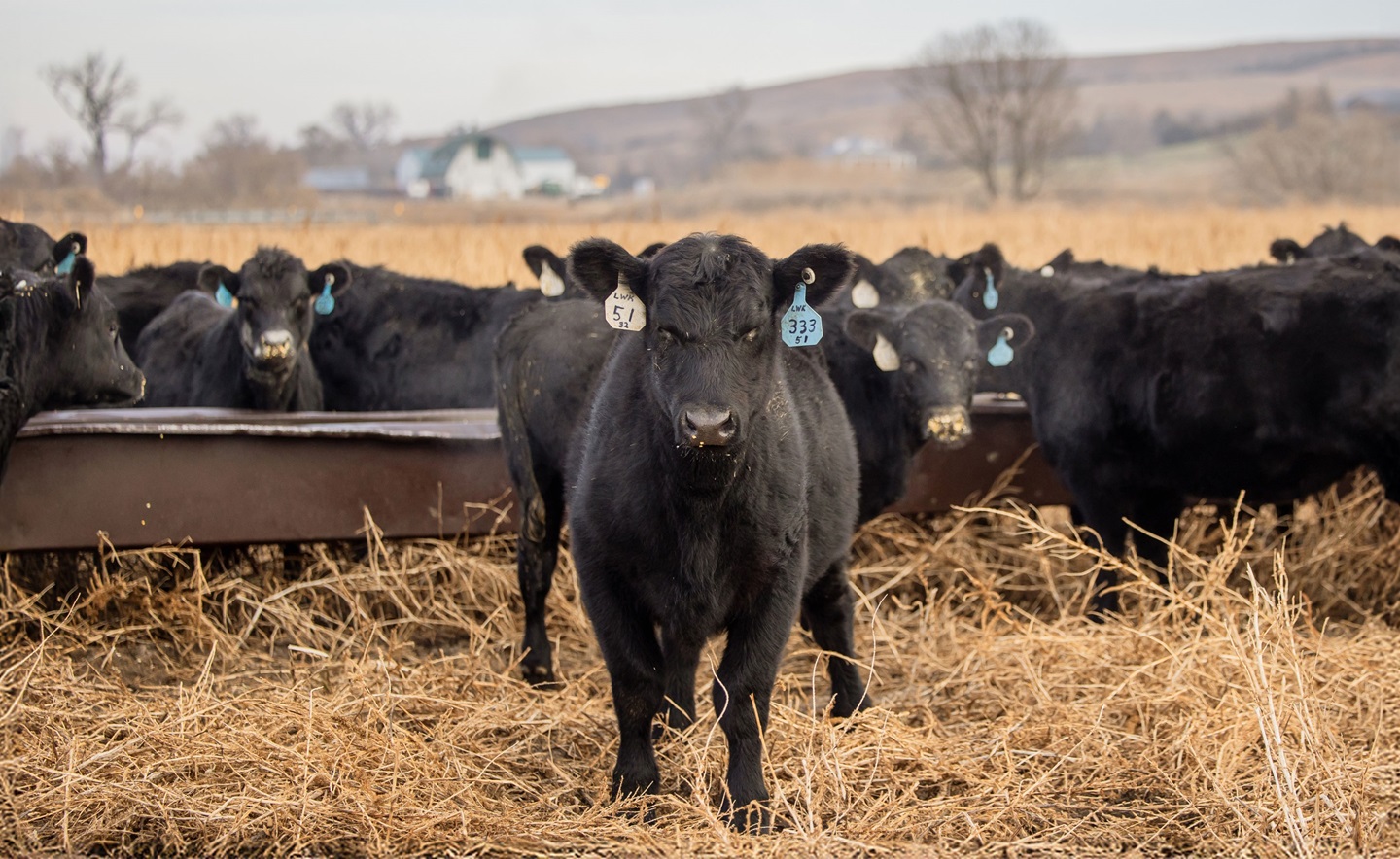

“What I feel our motto was, was to take care of your customers,” Alice explains. “Customers aren’t just a paycheck. They’re friends.”
LaVern proudly printed in each of his sale books, “Our customers are number one.”
He says they made connections with breeders from different countries, relationships that have lasted his and Alice’s entire lives.
“It’s more about friends than the cattle,” Alice admits.
Built on family
Friendships aside, one of the Koupals’ biggest sources of joy has been watching their love for the cattle become hereditary.
“It’s our family that have taken interest in it that’s the big joy, the big takeaway.” LaVern says. “We’re just proud that we have so many in the family that have continued to raise cattle. Basically we go from one end of the state all across the southern edge all the way out to Edgemont. A lot of family involved in that.”
Though LaVern and Alice moved to Wagner 11 years ago, they still run cattle in Dante. Son Bud and his wife, Bernie, operate B&B Angus just down the road.
Bud’s daughter, Kim, and her husband, Scott, are partners at B&B, and Bud’s son, Derek, runs Koupal D&K Angus with his wife, Kristi. Derek and Kristi took over the house on the main ranch after LaVern and Alice moved to the town of Wagner.
Bud’s two other sons, Joe and Dan, live out west, operating Koupal Midwest Angus in Winner, S.D., with wives, Sara and Aryn.
With so many Angus cattle located in a small radius, LaVern says they were faced with the best type of problem. The market was suddenly oversaturated.
“There were five of us selling bulls in one place,” he explains. “It’s hard to sell that many bulls in one area, [especially when] they increase their numbers every year.”
Thankfully, another of their children, David, also took up his own interest in The Business Breed. He and wife, Peggy, homesteaded in Edgemont and run their own herd, Koupal Lazy EY Angus. In 2022, LaVern and Alice took the opportunity to transition Koupal Angus bulls to David’s sale.
Like most families involved in business, LaVern and Alice say they all come together when it matters. But it’s never been the Koupals’ goal to form an LLC or come together under one name.
“We all have our own herds. We work together, but we make our own mistakes,” LaVern says. “That’s how you learn better, is by making your own mistakes and not blaming the next guy.”
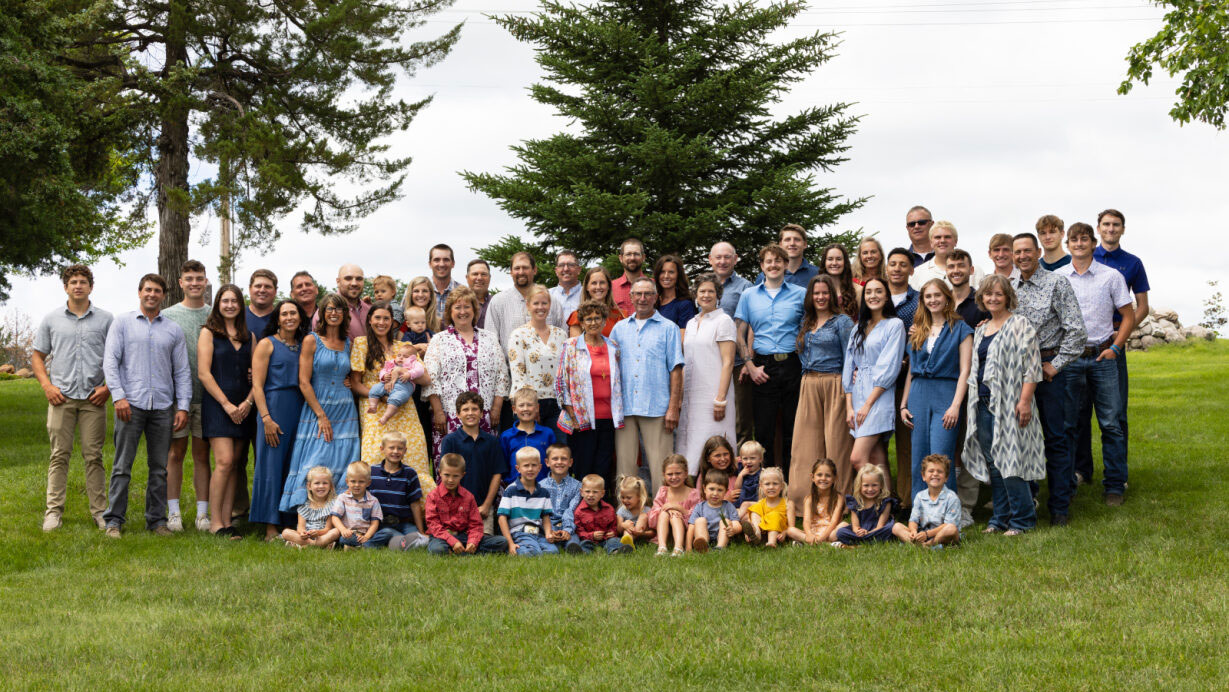
Alice and LaVern stand among their large family — they say it’s one of their biggest blessings.

Today, LaVern still runs close to 250 females.
“It’s my therapy,” he says. “[The] cattle are my therapy.”
Although those animals bring him peace, they’re not what LaVern sees as the highlight of his Angus program.
“We won’t say, oh this is what cow made us this or this is what cow made us that. It was family,” he adds.
Despite the breadth of their family tree, Alice and LaVern easily list off the accomplishments of their children and their families.
“They’re all assets to the communities that they’re in right now, and that’s what makes you proud,” Alice says.
Watching their grandchildren and great-grandchildren starting to fall in love with the cattle business has become a hobby of sorts.
“It’s like a rerun,” LaVern explains.
Alice just smiles.
“We’re reliving our lives again through them.”
It’s in that statement that Alice realizes exactly what her biggest accomplishment is.
“I would think our greatest moment is watching the next generation carry on,” she says.
When God calls them home, Alice and LaVern agree they hope their legacy lives on. They’re proud that legacy is bigger than a plot of land or a registration paper.
Alice says, “You want to leave faith to your family. Our good Christian family.”
There’s no doubt that legacy is one already in motion.
Topics: Management , Member Center Featured News , Ranch profile , Success Stories , Association News , Business
Publication: Angus Journal
Related Publication Articles


Current Angus Journal
Keep up on the latest stories of the people and programs in the breed.

Latest Podcast Episode
Don’t miss conversations with breeders and industry experts.