




In Tune
A Tennessee cattleman knows his herd is only as successful as his land allows.
August 5, 2025
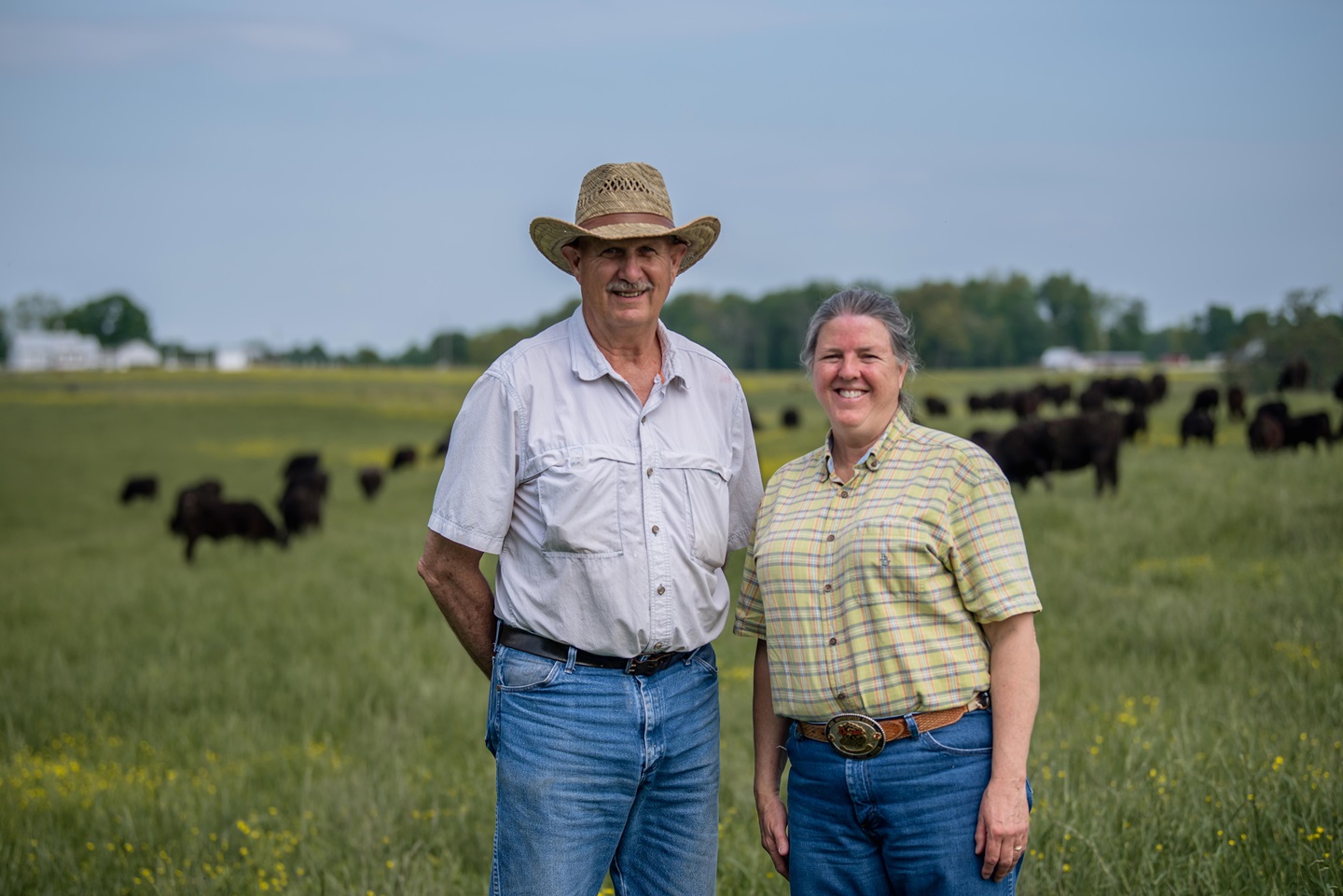

As he stands at the highest point on his operation today, David Hunter can point out the thin strip of pavement in the distance where the lights of cars on the highway shine at night. When the sun is high, he can direct attention to a mountain, visible on the horizon despite being three counties over.
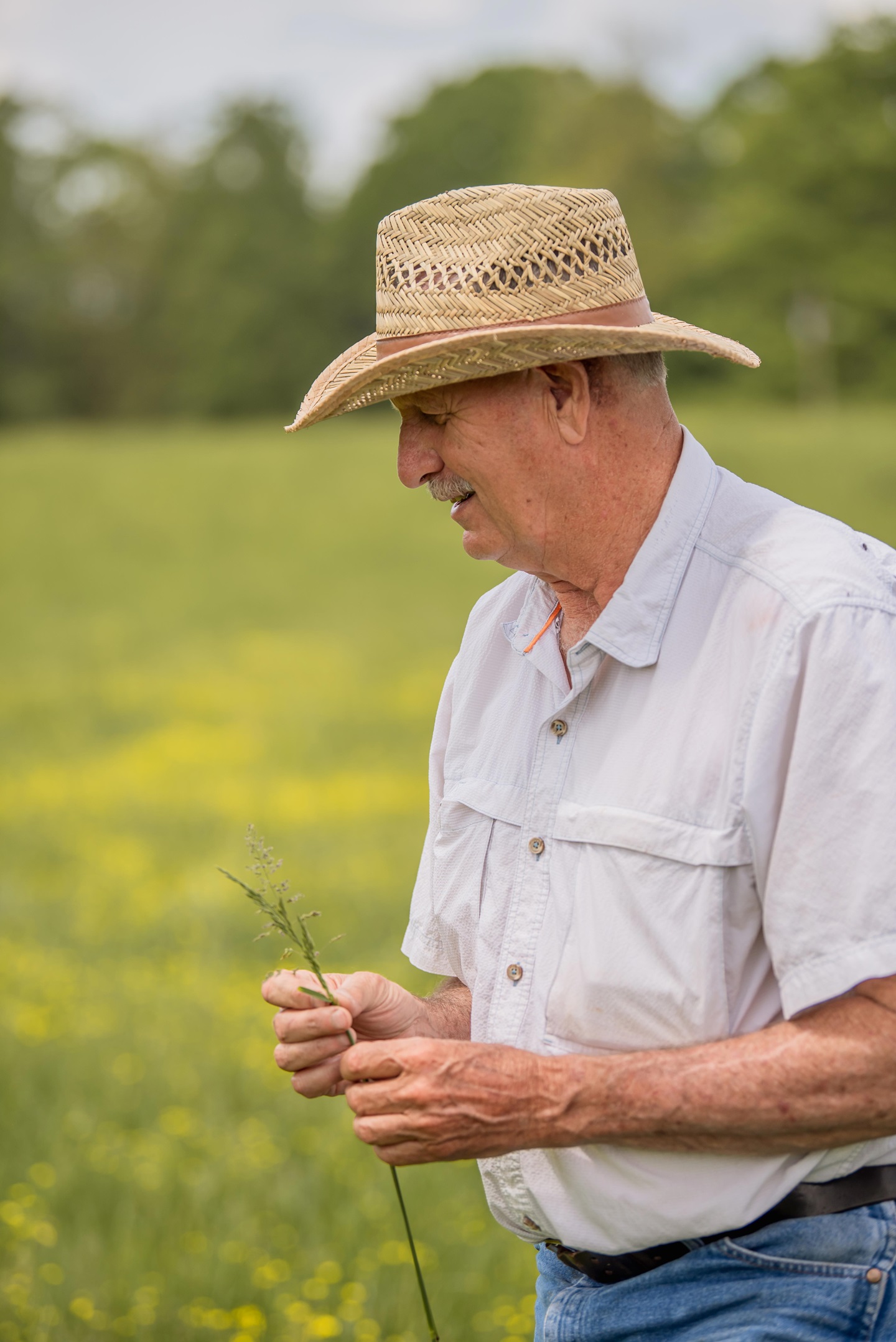
As he drives through the pastures of Hunter Farms today, he can reach down and snag a handful of grass. Hunter can sort through clover, Kentucky 31 fescue and “weeds” (any plant life he doesn’t want in the field) — just by sight alone. He can tell you exactly what changes he would make to the forage mix, perfecting the ratio internally for his Angus herd.
Most would see it as a talent.
For him, it’s just every day work.
“I’ve always been a farmer,” Hunter says. “I graduated high school with a third-grade education because I sat and looked out the window all the time — wondering what dad was doing.”
The passion for agriculture is arguably hereditary. Grandparents on both sides of his family made their living on a farm. The land David and his wife, Margie, call home today has a deep history with the Hunter family tree.
“My mother and father didn’t go very far to get married,” David says while smiling out at the view from his back porch.
Sitting on a wooden swing, he gestures out away from the house and explains the property was his maternal grandfather’s. Across the road, David owns land that was once his paternal grandfather’s, where he’s since added a chicken house, a blueberry operation and even a few strawberry plants in addition to cattle out on grass.
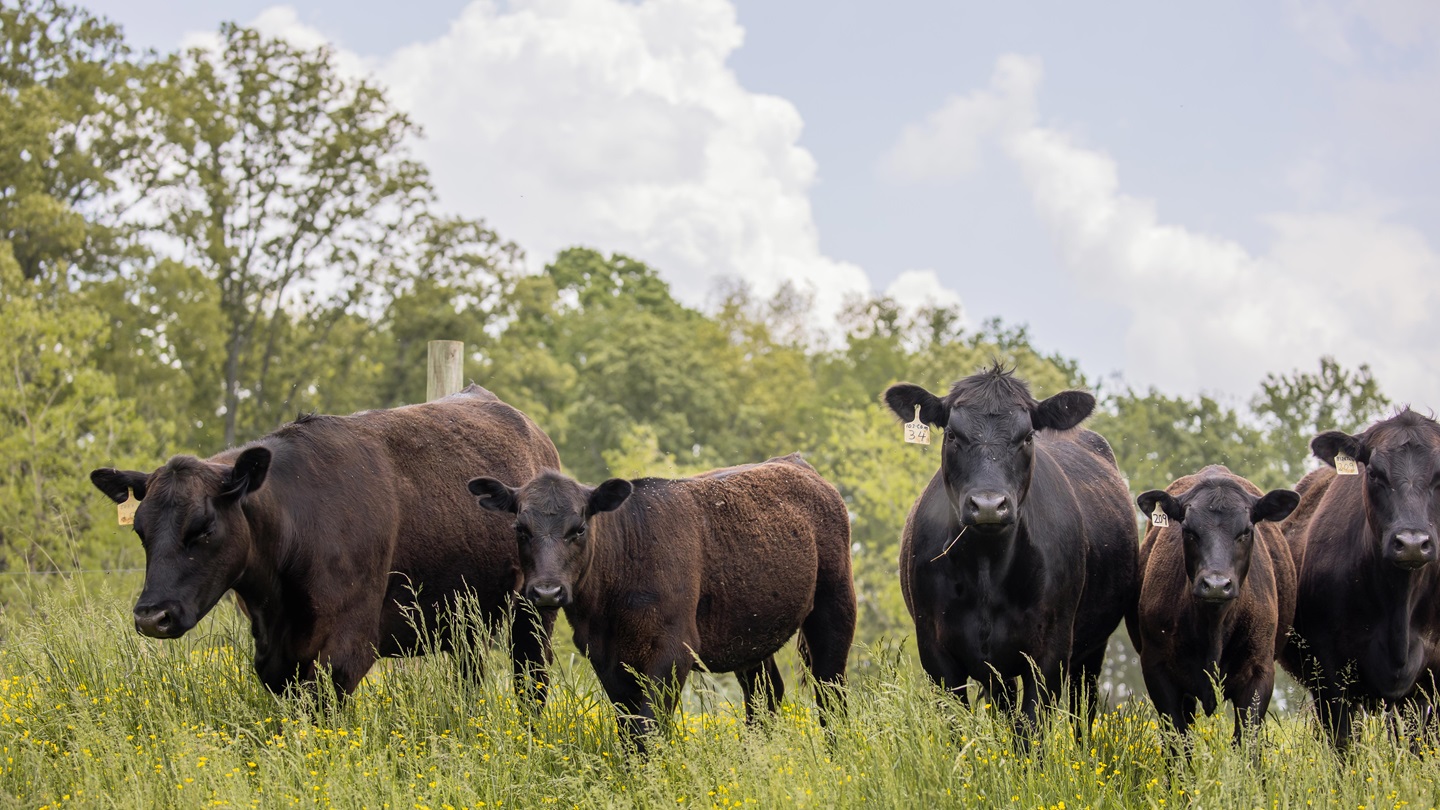

David’s first investment in the family farming business was purchasing the dairy operation from his father in the 1970s. He milked Holsteins for about 20 years, but had a deep interest in using expected progeny differences (EPDs) and genetics to improve the quality of his herd.
That mindset slowly pushed him towards the registered beef business, and David bought his first three papered females in 2005.
At the top of the hill behind their house, David remembers those initial bred cows taking a stand. With their solid black hides, Margie says the registered females separated themselves off to look down on the rest of the commercial herd.
Lucky for those cows, the Hunters continued to add to the registered ranks as the years ticked by, selling off old replacement females. This year, David bred nearly 80 registered Angus females.
All in all, he says the transition has been the best thing for the property.
“The only thing you can grow here is grass,” David explains. “It’s a cow farm.”
Working in harmony
David says success for a cattle producer doesn’t take place at the chute or even in the barn. It starts with the soil.
Being familiar with the area he calls home has allowed him to gain a true understanding of the care the land needs.
“You’ve got to keep this ground covered,” he says, noting he’ll use a hard land drill instead of working the ground. “You’ve got to keep cover on it and make it produce.”
When soil remains undisturbed, carbon dioxide is kept instead of dispersed into the atmosphere. Then, that carbon dioxide is stored within the organic matter, where it can turn into nitrogen. The nitrogen is used in photosynthesis, and top foliage can grow.
“It’s all about building organic matter in the soil,” David explains. “Anywhere you dig with a shovel [on my farm], you dig up earth worms in the soil.”
But the cycle doesn’t stop there.

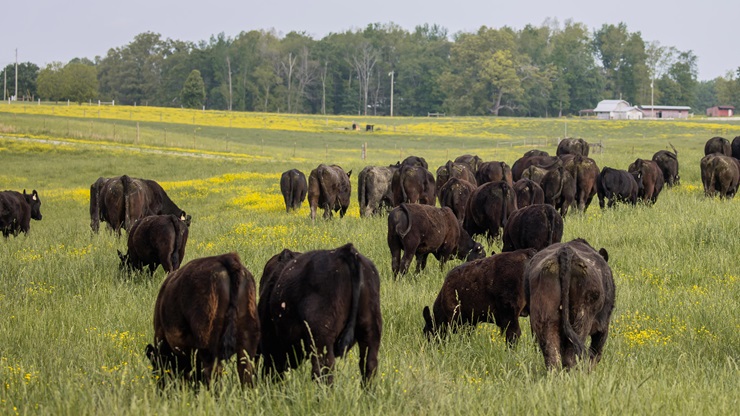
“There’s no market for grass,” David adds. “The only way you can market grass … is with a cow standing there.”
Though grazing cattle can encourage new growth and distribute manure, David says careful monitoring is required so foliage doesn’t become overgrazed. He encourages a rotational grazing program.
It’s another vital segment of the “full circle” process. When David first adopted rotational grazing, he mapped out his property, sectioning his land into chunks so he could push herds from segment to segment. The intent was to protect the grass while still providing the cattle with enough grazing material to stay in top condition.
“He reads extensively every night,” she says. “He’s reading and working with extension folks.”
For David, it’s also about keeping the right attitude.
“I’ve seen a lot of people throw the checkbook at [their grass],” he notes. “It doesn’t work. Be patient. You can’t buy grass. You’ve got to be patient and reseed, and it takes time.”
Much like he’s constantly looking to raise better cattle with genetic knowledge, David says he’s consistently prioritizing the land.
“Each year you try and improve,” he says simply. “It just gives an old man something to look forward to.”
That focus is vital to the longevity of Hunter Farms.
David says, “As long as you take care of the ground, take care of the cattle, they’ll take care of you.”
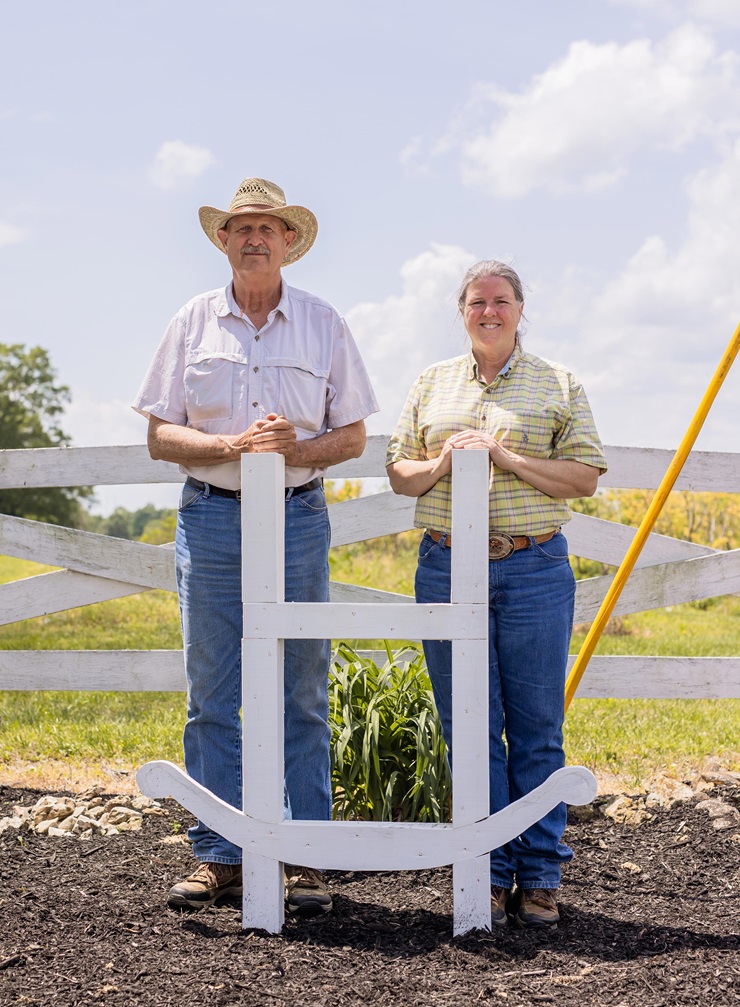
“It just boils down to education first,” David says of the decisions he makes for both his herd and the land.
Though he likes to joke about that third-grade education, Margie knows David as an untapped wealth of knowledge.
“He reads extensively every night,” she says. “He’s reading and working with extension folks.”
For David, it’s also about keeping the right attitude.
“I’ve seen a lot of people throw the checkbook at [their grass],” he notes. “It doesn’t work. Be patient. You can’t buy grass. You’ve got to be patient and reseed, and it takes time.”
Much like he’s constantly looking to raise better cattle with genetic knowledge, David says he’s consistently prioritizing the land.
“Each year you try and improve,” he says simply. “It just gives an old man something to look forward to.”
That focus is vital to the longevity of Hunter Farms.
David says, “As long as you take care of the ground, take care of the cattle, they’ll take care of you.”
Diversity: An Integral Part of Hunter Farms
 When David Hunter bought land from his family, he was also working off the farm harvesting pine trees in the area. But when the southern pine beetle arrived in Tennessee, that work quickly disappeared.
There was a chance to go into the chicken business, and when he paired the poultry operation with the cattle, he was able to go back farming full-time.
While the variety of livestock provided the operation some security, David knew like his family once grew tobacco alongside raising cattle, he, too, needed a cash crop.
The community had a handful of strawberry businesses, and after visiting some local farms, David and Margie made a choice.
“[Blueberries] seemed like a marketable crop,” David explains.
Since planting three different varieties of the fruit, the Hunters have been able to sell their produce at local farmers’ markets.
These two other legs of their business provide stability and added income, but David says they also keep his life as a farmer exciting.
The blueberries need pruned in the winter when weather can limit the work done in the pasture, and then those same berries are picked and marketed in June and July, a quieter period of time with the herd.
Though David says he enjoys staying busy, he describes the blueberry bushes as requiring “stand on your head, manual labor.” The extensive requirements of harvest put the Hunters in contact with a local family.
“They are the harvest machine,” Margie jokes. “If it wasn’t for them, we couldn’t do it.”
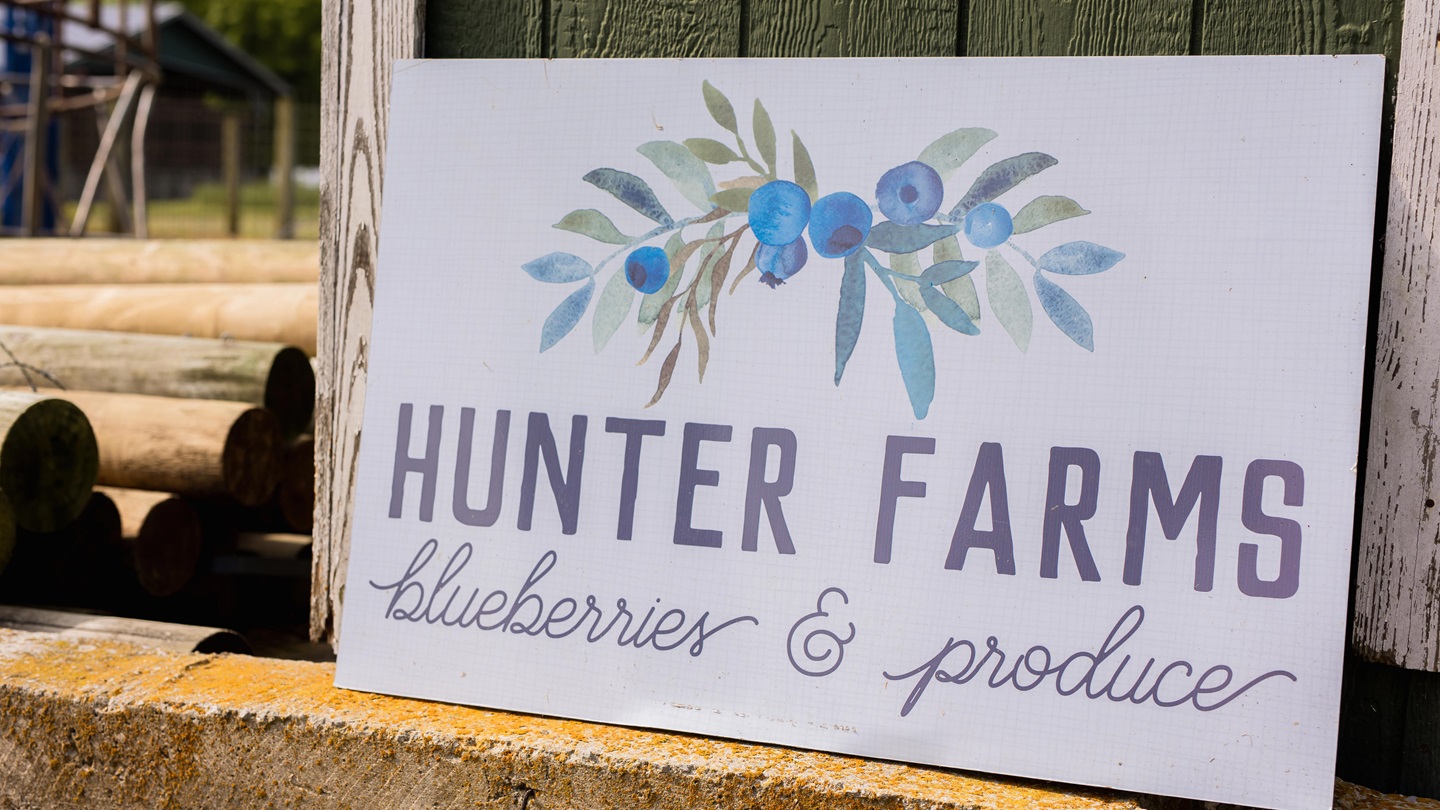

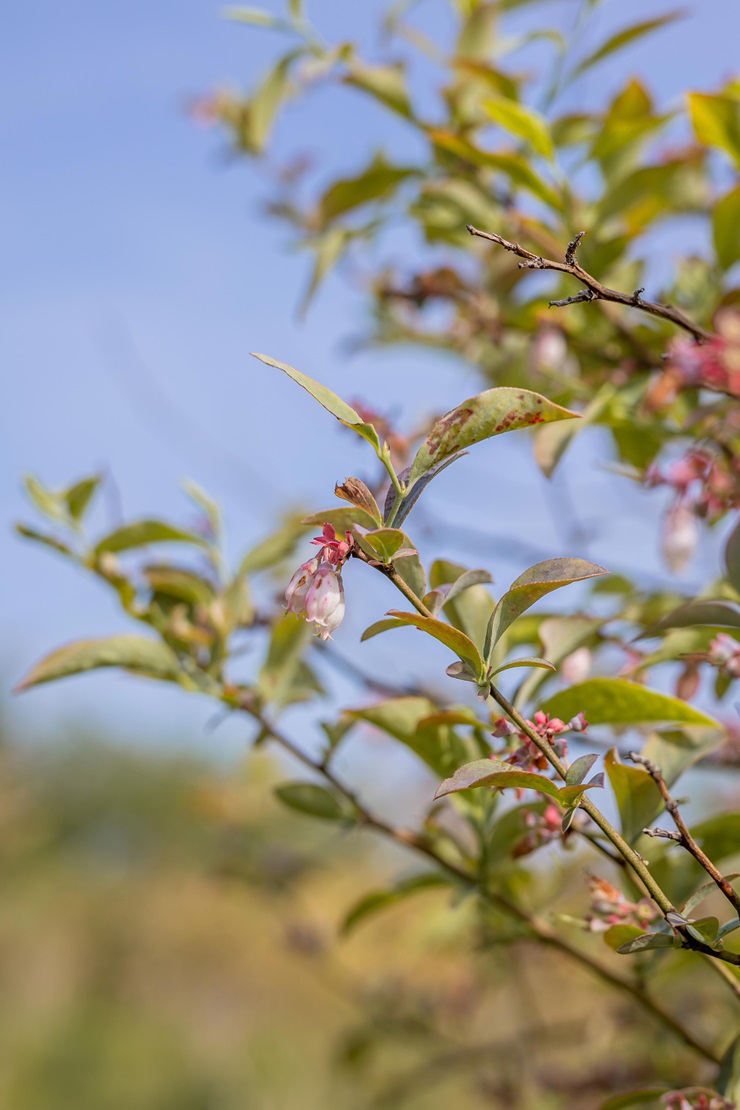
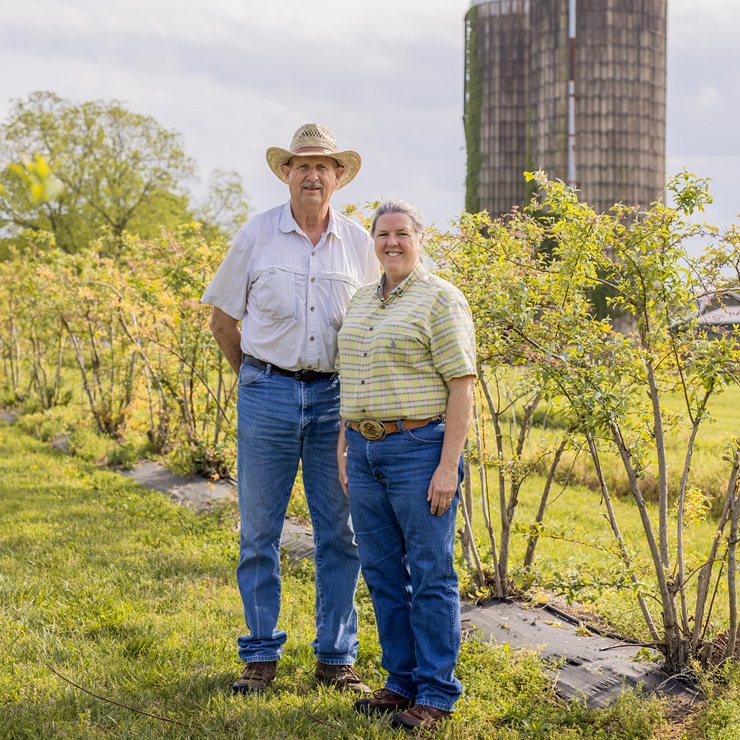
The Hunters have a refrigerated building not far off from the two acres dedicated to the blueberries, where they store and package the fruit prior to selling the berries at Cookeville and McMinnville Farmers’ Market and a local Food Hub.
Like his dedication to the grass and the Angus breed, David never stops his quest for knowledge about the products he offers. It’s testament to his dedication to agriculture and his desire to care for the planet.
Though it helps with the profit margin, it also accomplishes a bigger mission, one that hits close to home as David’s the fifth generation on his mother’s side of the family to call Sparta, Tenn., home: “You’ve got to take care of it for the next generation.”
Topics: Business , Equipment / Facilities , Management , Nutrition , Pasture and Forage , Ranch profile , Success Stories , Sustainability
Publication: Angus Journal
Related Publications


Current Angus Journal
Keep up on the latest stories of the people and programs in the breed.

Latest Podcast Episode
Don’t miss conversations with breeders and industry experts.