





The Influence of AI
Genetic trends, industry changes and progress from the bull studs.
February 4, 2026
Finding Angus outliers is both easier than it used to be and more competitive than ever.
Aaron Arnett, ST Genetics; Dick Beck, ORIgen; and Doug Frank, ABS, touched on that when they joined The Angus Conversation to share their decades of experience in the artificial insemination (AI) business.
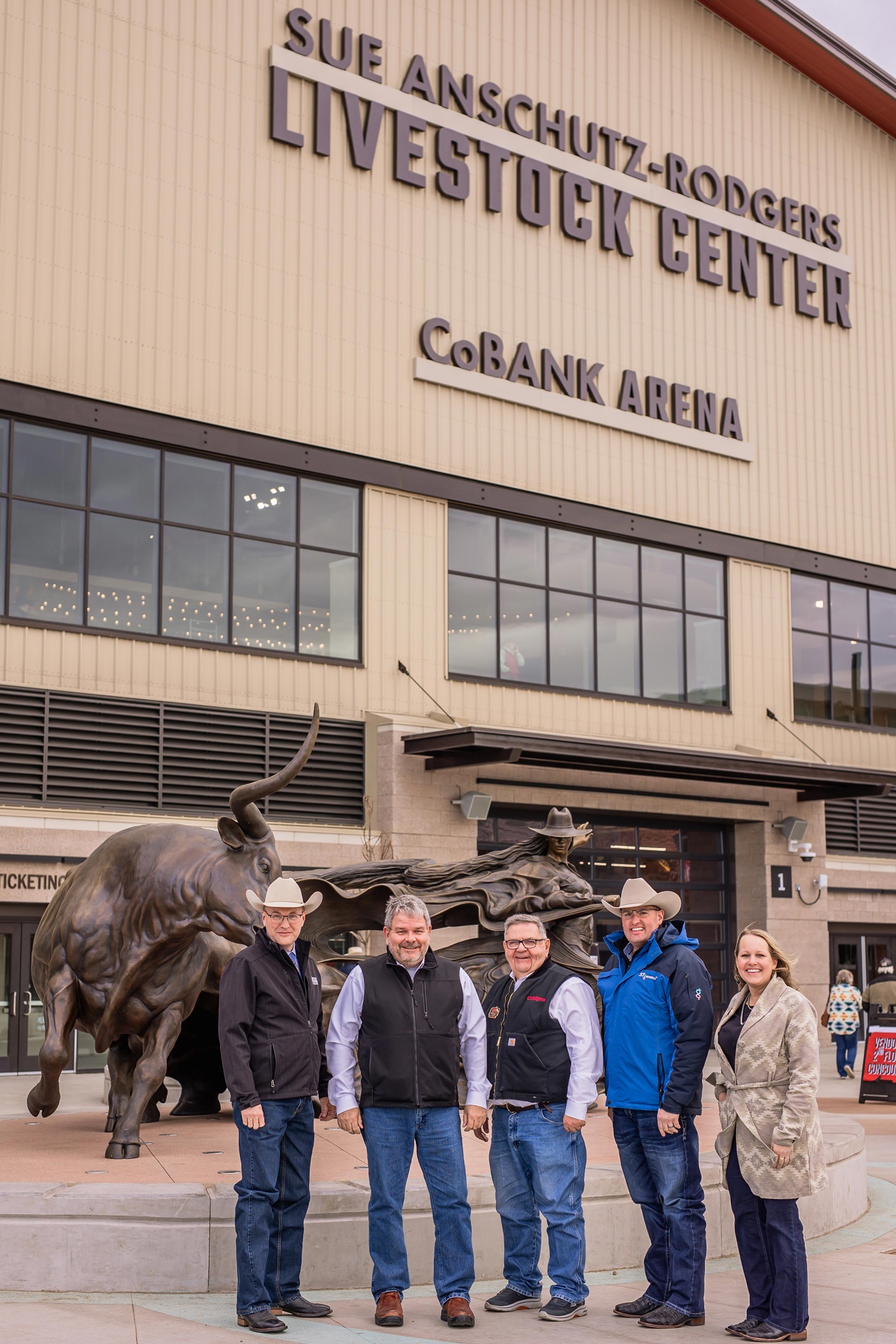

“The people that I crossed paths with that are using AI and using Angus genetics are the progressive people. They’re dreamers, they’re people that want to be at the top,” Arnett said. “To be able to interact with those kinds of people is really cool.”
That hasn’t changed over the years; but the way they do business has. With genomics and updated marketing, the bull studs know more about the animals they are interested in earlier than ever before.
“Today with the internet, all the tools that we have in front of us, there’s not many of them that aren’t found,” Frank said. “Back in the day you had to work really hard to find some of those bulls. Today that’s a lot easier, and there’s a lot more competition, too, because of that.”
They discussed everything from the ways they find bulls to trends in traits of importance.
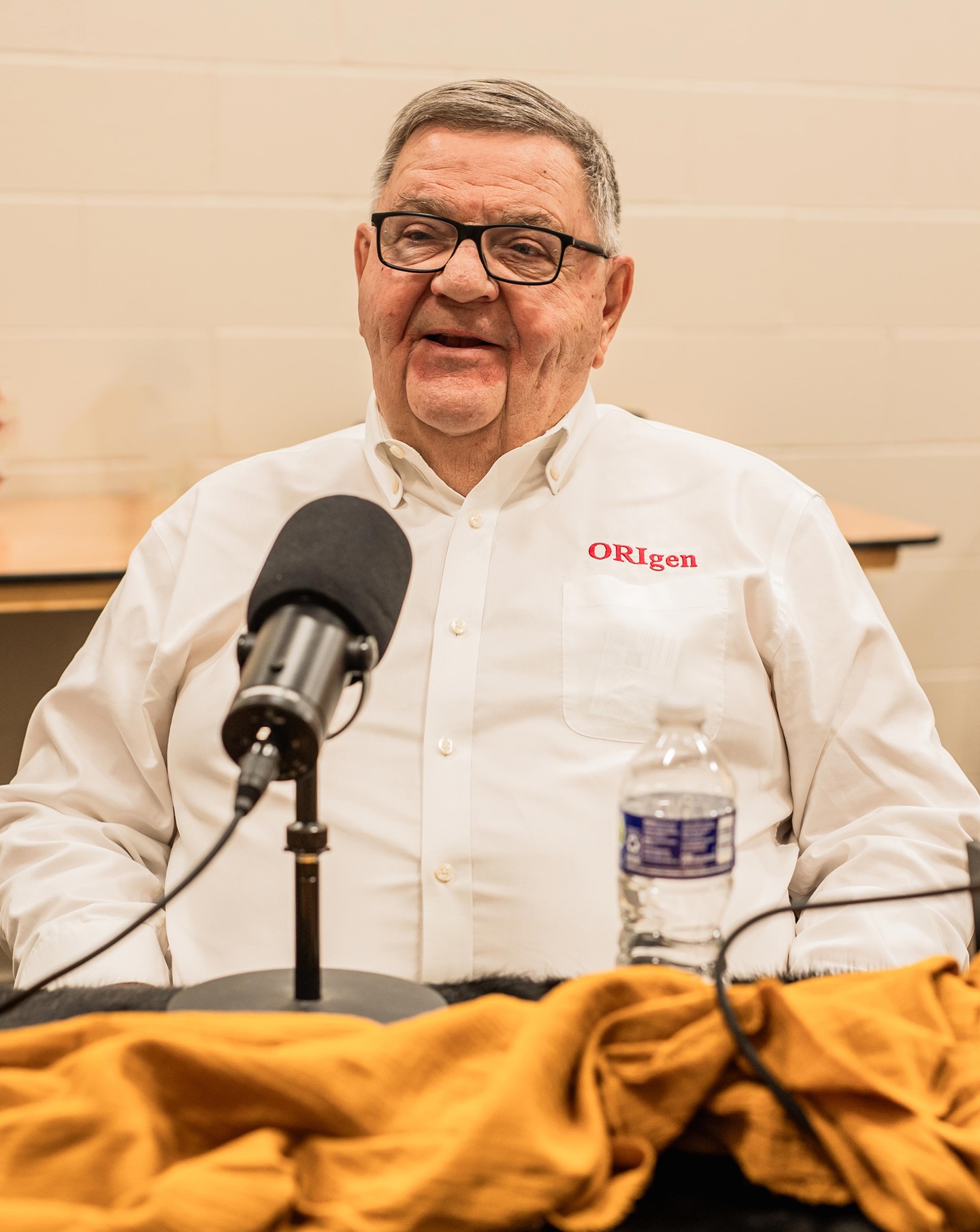

“We pride ourselves on being technology conscious, but if we step back for a moment and look at farming in general, precision agriculture puts us to shame ... We're miles away from getting there. We've got the tools we're starting in that direction.” — DICK Beck
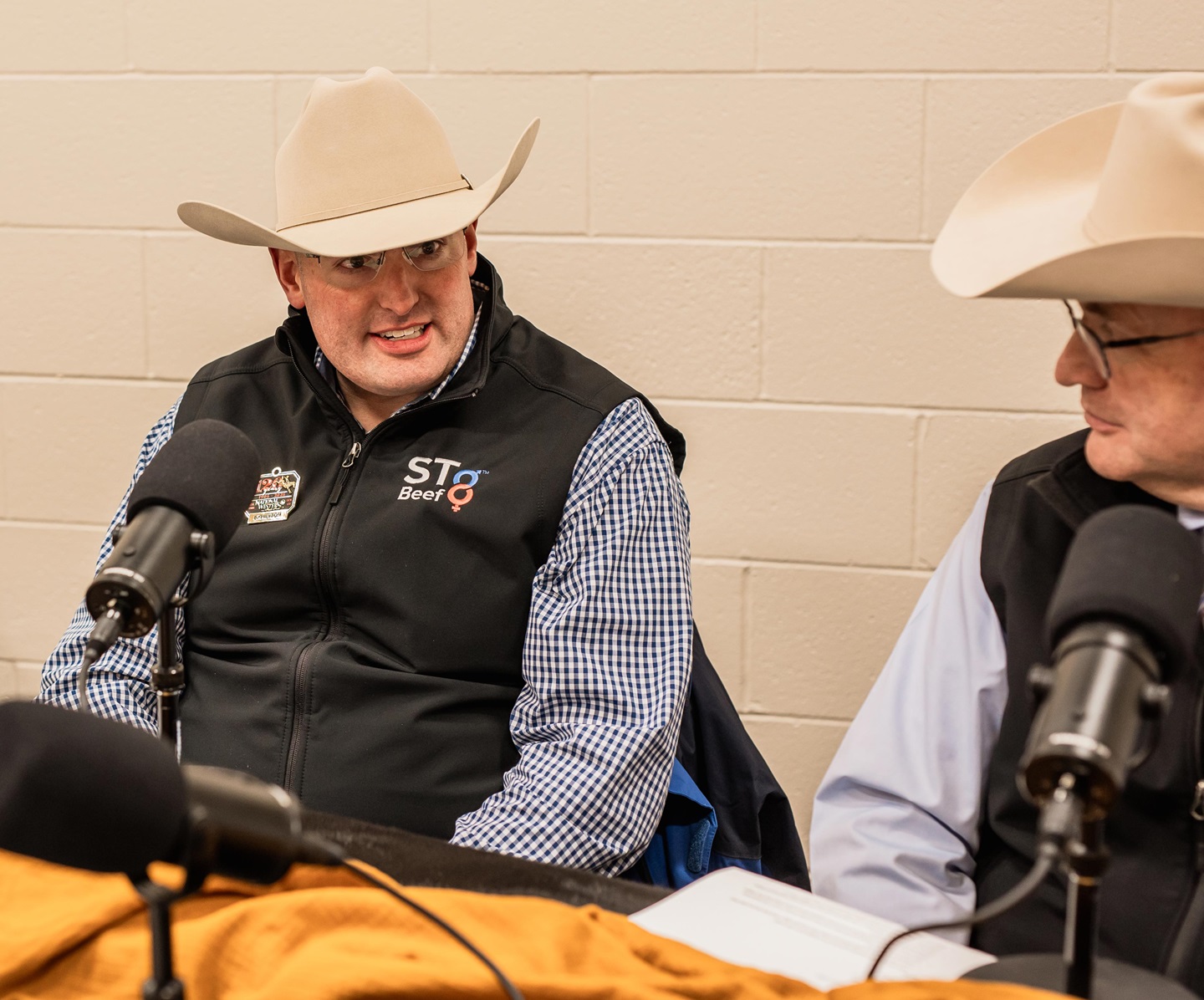

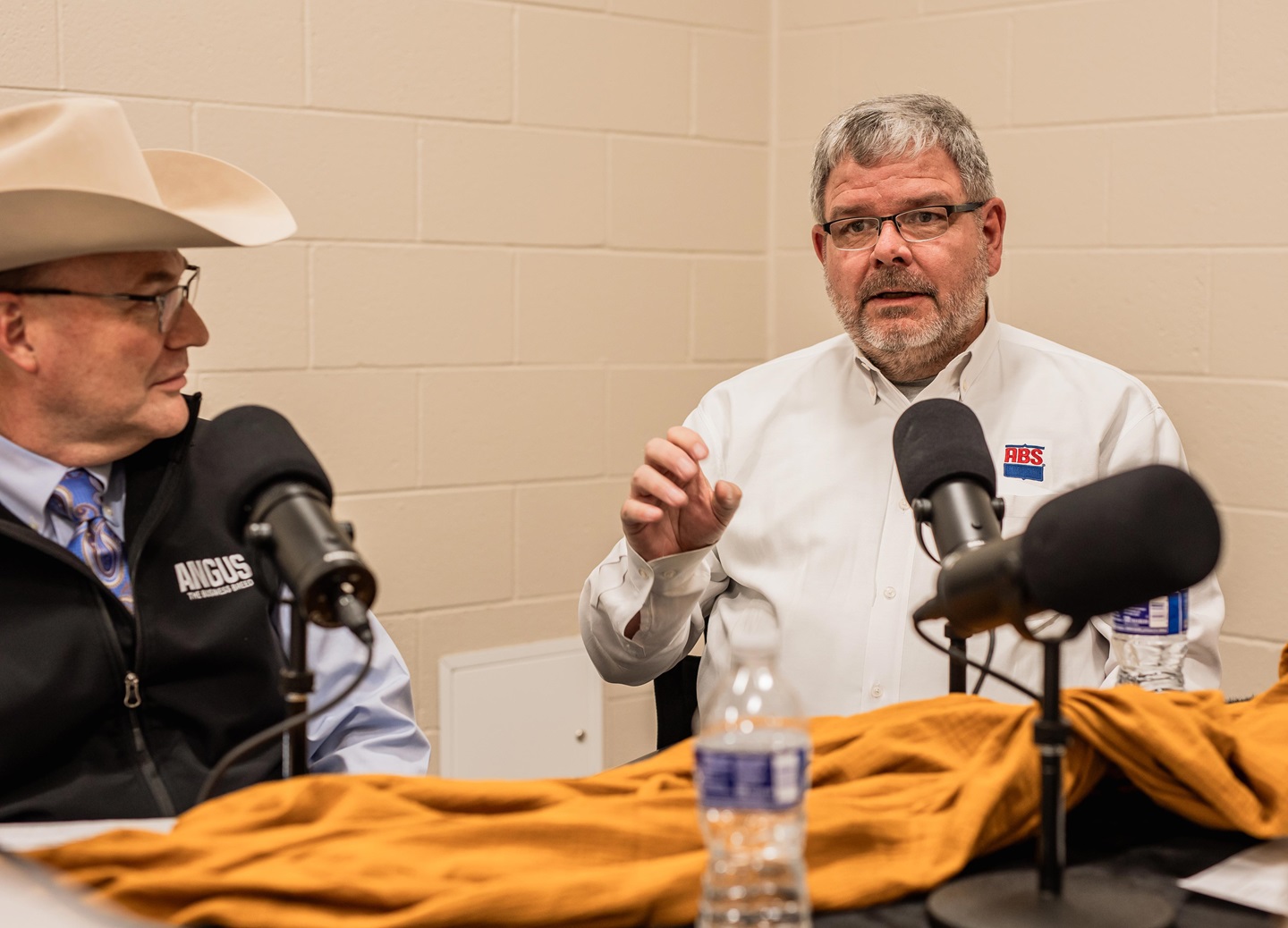

They discussed everything from the ways they find bulls to trends in traits of importance.
“From a marketing perspective, it’s easy to sell outliers on any direction. Moderation is a wonderful word, but unfortunately most customers can’t tell moderate from mediocre,” Beck said.
Frank suggests that even though people have moved to online platforms, nothing replaces face-to-face interaction.
“I think herd visits are a good thing, not just for AI studs, but I think for everybody to get out and see some of those cattle, see those environments, meet the people behind the cattle,” Frank said, “There’s so much value in that and part of it. There’s a little disagreement in the breed at times, and I think it’s pretty easy to have that disagreement when you’re sitting behind a computer versus getting in the truck and bouncing around in the pasture with those other breeders.”
EPISODE NAME:
The Influence of AI — Genetic Trends, Industry Changes and Progress From the Bull Studs
Finding Angus outliers is both easier than it used to be and more competitive than ever. Aaron Arnett, Dick Beck and Doug Frank share decades of experience in the artificial insemination (AI) business, describing the changes in both the breed and the beef industry. In this episode of The Angus Conversation, they discuss everything from the ways they find bulls to trends in traits of importance. Technology changes like AI protocols and sorted semen will continue to influence the breed.
HOSTS: Miranda Reiman and Mark McCully
GUESTS: Aaron Arnett, Dick Beck and Doug Frank
Aaron Arnett, director of genetic programs for ST Genetics, grew up on a cow-calf operation in Ohio. He graduated with a degree in animal science from The Ohio State University and began his career in the beef genetics business right out of college before starting with ST Genetics in 2015.
Dick Beck, vice president of sales and marketing at ORIgen, has been involved in livestock production and marketing his entire life. As a former regional manager for the American Angus Association and general manager of Three Trees Ranch, Sharpsburg, Ga., he brought a well-rounded view of the industry to his position at ORIgen. He and his wife, Diane, have two daughters who were active in the National Junior Angus Association, with the third generation involved today.
Doug Frank, U.S. Beef Product Manager at ABS Global, grew up on an Angus farm in Fulton, Mo., that he is still involved with today. He graduated from the University of Missouri and has worked for ABS for 37 years.
SPONSOR:
SenseHub: Cattle reproductive success has relied on visual observation for decades until now. Utilizing ear tag monitors, the SenseHub® Cow Calf system provides 24/7 collection of data and insights you can use to detect heats and more with custom alerts and reports sent right to your smartphone, tablet or computer. Learn more at www.SenseHub-CowCalf.com.
Angus Media: Are you ready to find your next influential Angus sire? Angus Journal subscribers will receive a free copy of the Angus Bull Book: Spring 2026 Angus Sire Directory, mailed right alongside their March edition. Visit www.AngusJournal.net to subscribe to the Angus Journal today.
Miranda Reiman (00:02):
Welcome to the Angus Conversation. I'm your host Miranda Reiman with my co-host CEO of the American Angus Association, Mark McCully. And Mark, we've recorded podcast number two from the National Western Stock Show where we know that there are a lot of the newest genetics on display here, so it was kind of fun to dive into an episode that is focused on genetics and where they're going.
Mark McCully (00:24):
Absolutely. And we get a lot of breeders that come on the podcast and we talk about the direction of the breed and the diversity of the breed, but one of the obviously influencers within the genetic direction tends to be over time, tends to be the AI companies or the bull studs. And so we were able to gather up a group of them today, a group of three guys that really represent some different perspectives and have been in the AI business and around the bull stud business for a long time. And so it was fun to pick their brain a little bit.
Miranda Reiman (00:56):
I wished before we started this intro, I would've added up the number of years of tenure, but quite a bit of tenure there too, and have seen a lot of changes over time.
Mark McCully (01:04):
No, absolutely. That was kind of fun to look back and talk about where the AI businesses come and then to maybe more importantly talk about where the AI business is likely going and these companies are involved in AI, what they're thinking about and likely how the business is going to change. And obviously things like beef on dairy and some of these things and sorted semen. We get into those topics in some depth and I think it's some pretty thought provoking discussion.
Miranda Reiman (01:32):
Something that I think our breeder listeners are going to enjoy hearing about too is we've spent some time talking about just the traits of importance and have we placed too much emphasis in areas and not enough and things like that, so that'll be kind of fun to listen to too.
Mark McCully (01:46):
Absolutely.
Miranda Reiman (01:50):
Today on the podcast we have Aaron Arnett from ST. And Aaron, you were just selling an animal and came right over here to the podcast.
Aaron Arnett (01:58):
Yeah, we had a good day for our family and a first for our family here in Denver. And so really a highlight day for us and glad to be with you guys.
Miranda Reiman (02:06):
Excellent. Why don't you tell us a little bit about what you do for listeners? I assume most of our listeners know, but just in case.
Aaron Arnett (02:12):
Sure. So I'm director of beef genetics for St Genetics and that includes sire procurement for the ST beef program, but also managing and supporting Global Beef Salesforce. And one of the neat things we've done at ST that I'm responsible for and really proud of is we've bought some donor cows in the last few years and we'll maybe talk about that, but that's also part of what I do is mating the cows for ST Genetics.
Miranda Reiman (02:41):
And of course we're here at National Western. Is this a normal stop on your yearly travels?
Aaron Arnett (02:47):
Absolutely. I mean, it's a highlight to be part of the new facilities here in a big year in Denver, and when we come here we see our friends and family, the industry, this is where everybody comes. So it's great to, I mean, you just get off the plane and you start seeing cattle people
Mark McCully (03:08):
Sometimes before you even get off the plane. Exactly on the plane.
Miranda Reiman (03:11):
That's perfect. Alright, and right across from you here at the table we have Dick Beck with Origen. Nice to have you here, Dick.
Dick Beck (03:17):
Great to be here. Thank you. My title would be the vice president of sales and marketing of ORIgen. I was actually part of the founding ownership group 25 years ago this week
Mark McCully (03:30):
Is it 25 years already?
Dick Beck (03:31):
We met here in Denver and a group of us decided it was time for cattlemen to take over the direction and the handling of the marketing of beef cattle semen. And so we started a new company owned strictly by beef cattlemen and operated by beef cattlemen and different from all the other entities in the industry. Our company doesn't own bulls, we don't procure bulls. We are a service platform that markets for breeders and we take a lot of pride in that. And over the years, 25 years ago when we started this concept and had visits with the other existing AI companies, they told us this couldn't be done. But unfortunately or fortunately, I guess I've got a group of partners who aren't very good at quitting. So we've survived some pretty big storms. We survived a TB quarantine of our whole facilities for two months.
(04:30):
Early on during the first couple of years of operation, we survived the identification of defects in the Angus breed in 2008 and 9 when our top sellers were all carriers of one or the other. So I'm real proud of the stick to itness of our group and obviously good friends with all these other people in the industry and we try to do business with as many of them as we can. We try to make our collection facility, which is different. We don't put beef bulls in a 12 by 12 dairy stall that most AI companies do. Our bulls have got nice big runs. We have the capacity for 200 bulls and our goal would be to make Origen kind of the Switzerland of beef semen collection. We have ABS bulls there. We have plans for some Select bulls to be coming there. We have had some over time and Aaron and his boss and I have had some discussions about ST bringing some bulls there. So we'd like to be as many things to as many people as we can because we're a whole different kind of company. Yeah.
Mark McCully (05:40):
Obviously you got, well all you guys are Angus guys too and pretty deep roots. Obviously Dick in the Angus business is all you guys do. I think when I first met you were down in North Carolina, but you've been in sales and management and marketing, but also a former regional manager.
Dick Beck (05:57):
Yep. Started my career in 1978, I believe. If I,
Mark McCully (06:02):
Do I have it right that you took the picture or you were at where the picture was taken of the first pound sold at Renzettis IGA of Certified Angus Beef?
Dick Beck (06:12):
I was the last person Lloyd Miller hired. He hired me to replace Mick when Mick left to start CAB. So that was my territory. Mostly what I did was I went to the airport and picked up CK Allen, those kind of people and brought him to the store. Keith Evans actually took the picture.
Mark McCully (06:30):
Okay, that's right. I think I've given you credit for that picture a couple times. I didn't quite get the story,
Miranda Reiman (06:36):
But we've used that picture so often and I'm like, does that lady, if I would went to the store that day and knew my picture was going to, she's probably like I'd have done my hair different. I was just shopping for groceries, picked up some beef.
Dick Beck (06:51):
It was an interesting day in history. Yeah,
Miranda Reiman (06:54):
That's really neat.
Mark McCully (06:55):
Renzetti's IGA.
Miranda Reiman (06:55):
Very good. Well, now are you going to be able to top that, Doug?
Doug Frank (06:57):
Oh no, I don't think so. I'm not even going to try.
Miranda Reiman (07:00):
We've got Doug Frank here with ABS. Give us your little spiel of who you are and what you,
Doug Frank (07:05):
So I've been with ABS for I think 37 years now. Somehow all of a sudden I'm one of the old guys in the room. I always felt like the young guy in the room. Started as a beef specialist. They needed somebody young, dumb and likes to travel a lot. And I fit that really well to start with. I've been the beef product manager. I was the acquisition manager for a while and I've been the US beef product manager since 1994. So again, great career at ABS. Also Angus breeder myself as Mark and I talked during the week, I had to get my MaternalPlus annual renewal done before I could come out here.
Mark McCully (07:34):
We weren't sure we were going to get you out here, you had to get your paperwork done
Doug Frank (07:37):
So our family has about 300 Angus cows in Central Missouri as well, and we're really proud to be partners with Origen from the formation of that. And again, it's a great place for us to collect all of our new bulls go in there, they start out there, get into the CSS protocol and then move into our system from there.
Miranda Reiman (07:55):
Very good. Very good. Well, we've got quite a bit of experience here around the table, so we're really excited to do this chat. Last year at Cattleman's Congress, we were able to bring in some folks from various different parts of your guys' industry, but we didn't catch everybody, so this was kind of round two I guess we'd say.
Mark McCully (08:16):
Let's just start with the AI business, you guys. I mean, it's more than just the AI business, right? It's the genetics business. But maybe just talk about some of the biggest changes you guys have seen over your career and when we think about artificial insemination from back when we first figured it out and started with ampules to maybe where we are today,
Miranda Reiman (08:33):
Everybody's pointing at Dick
Dick Beck (08:38):
Well. They understand I've usually got a story or an anecdote for most any situation.
(08:44):
And 25 years ago when we started the Origen group as a service platform and a custom collection facility and then expanded it into a marketing facility through our arrangements with the ABS and third party salespeople, when someone went to an Angus sale and bought a 25,000 or $30,000 bull, they had a habit of sending to an AI facility collecting semen as opposed to buying an insurance policy. And they also had the dream that maybe they could make him famous and become a semen sales bull. Now 25 years later, when somebody buys a 25,000 or $30,000 bull, they turn him out with their commercial cows. So the world has changed and it's changed our business.
Doug Frank (09:34):
I might go back even just a little bit earlier when I started in the business, ABS's cover had Simmental bulls on it. That was back at the end of the exotic era, and I think most everybody's catalog Simmental would've been the breed that led things off. And part of that transition, I guess if I've seen, it's been a really nice partnership and it's been because of the data. I mean AI and the data really work well together and it's because the Angus breed has solved customers' problems, solve problems, and created economic opportunity. When it started, it was trying to fix calving ease was the big deal because we had all these big birth weight cattle, calves that wouldn't get up. We had maybe a lot of continental cattle in the feed yards that weren't going to grade and weren't going to finish, and customers were looking for that opportunity and the Angus breed because of the data behind it and because all the contribution from all the breeders in the breed I think has been what's made it so successful
Dick Beck (10:29):
And the size of the database, the magnitude, the predictions that St. Joe can generate for us have so much more inherent accuracy because we have so much more data.
Aaron Arnett (10:42):
Well, and part of that data comes from the heavy adoption of AI by the Angus breed. One of the things that I think is unique about Angus and they publish this on a yearly basis is the percentage of registrations that are the result of AI and ET. And they are by far and away the number one breed for incorporation of that technology. And I think that has driven a lot of success.
Mark McCully (11:06):
Well, not only do you think, I think maybe an overlooked benefit of that is the connectivity of our database because of that, right? Because 57%, I think was the number this last year of our registrations were a result of an AI mating. And so think about the connectivity of the data from our breeders that are submitting data and the ability to build a stronger, more powerful genetic evaluation because of that.
Doug Frank (11:29):
Those two things have gone hand in hand.
Mark McCully (11:31):
Talk about the customers of AI. Would it be fair to say early, early in the AI, it was largely the purebred breeders, registered breeders? Obviously we do a lot of heifers today.
Aaron Arnett (11:43):
Yep. I'll let these guys talk
Mark McCully (11:45):
You take a stab and then they'll correct you if you're wrong.
Aaron Arnett (11:47):
Absolutely. I am blessed to be the young guy at the table, but I'm also blessed to good mentors in this industry. I was an intern for Roy Wallace and Doug and Dick and others have paved the way for people like myself and we're really grateful for their leadership. But yeah, the customers, it's really interesting because I would say in my career, the people that I crossed paths with that are using AI and using Angus genetics are the progressive people. They're dreamers, they're people that want to be at the top. They're people that want to be the best they can be and they don't want to be average. To get to work with people like that who call you on a daily basis saying, what about this bull? How should I incorporate this bull in my AI program or my ET program? To be able to interact with those kind of people is really cool.
Dick Beck (12:43):
What Aaron described, I think the IT industry calls early adopters and those people are pretty critical. We still have worlds of room for growth. I mean, the beauty of the evolution of beef on dairy is we're getting so much more data because people touch those dairy cows twice a day or three times a day every day. We don't have that contact with beef cows, so we don't get the same amount of data. It may be different data, but there's a volume of information that's coming down the pike that I think will help us a lot. I mean,
(13:22):
We pride ourselves on being technology conscious, but if we step back for a moment and look at farming in general, precision agriculture puts us to shame. They have bred corn and beans and wheat that are drought resistant, pest resistant, all those kind of things. They put on fertilizer and they put on herbicides with precision in different parts of the field. We're miles away from getting there. We've got the tools we're starting in that direction. And thanks to Aaron's boss, Juan Moreno and his company have brought the sorting technology to the Angus, to the beef industry, but in a big way to the Angus industry. ABS is now providing that service as well. So we have tools out there to target our product far better than ever, but we still need... The demise of the land grant institutions, and the research that they've done. We don't have any decent male fertility research for beef cattle. They have it for dairy cattle, they have it for both females and males and they have made huge progress in the last five years. They've short, they've taken the average life expectancy of a Holstein cow, maybe doubled it Aaron, I don't know, but I would say close to it. And they've done that with genetic selection. We don't have the database to get that. It's not going to come from our registered database. It's going to have to come from data collected across the entire industry from
Mark McCully (14:59):
The whole system.
Miranda Reiman (15:03):
And we're going to pause right there to take a quick 30 seconds from our sponsor.
Speaker 1 (15:08):
Cattle reproductive success has relied on visual observation for decades until now. SenseHub Cow Calf provides a new approach to breeding success and time management. Utilizing ear tag monitors, the SenseHub Cow Calf system provides 24-7 collection of data and insights you can use to detect heats and more with custom alerts and reports sent right to your smartphone, tablet or computer. You can keep closer tabs on your herd and win back personal time. This changes everything. Learn more at SenseHub-CowCalf.com.
Doug Frank (15:39):
I might back up just a bit just to give, I think ABS might be a little bit different. As you talked about the history of AI back when I started, I mean we've had a large foundation of commercial customers, especially through Nebraska and that part of the world that have historically, I think a lot of them started back in the exotic era. They were commercial customers, they were those progressive customers at that time, but they stuck with it because they see the value of it. And I think primarily for the calving ease part of it and to build a cow herd, they want to make sure that they're building the best cow herd that they can. And I know in our business, probably half to two thirds of our volume has always been those rock solid commercial producers
Mark McCully (16:19):
On that and a big chunk of those. Would they be breeding their heifers or heifers and cows both?
Doug Frank (16:23):
So I think that's one thing that's changed a lot. I mean, back in the day when I started, we had good heifer protocols and everybody, well not everybody, but most of what was happening AI was heifers. And now I think that's switched a lot. We've got a lot better cow AI protocols. We've got so many more calving ease bulls maybe it's not quite as important there, but I think it's more of a 50 50 mix today in terms of the number of cows that are bred, but, where we're at today, we all are starting to see signs of heifer retention and so forth. That's when our business gets really good because we start to AI a lot more heifers.
Miranda Reiman (16:56):
Are you guys surprised that there hasn't been more commercial adoption over your careers?
Aaron Arnett (17:01):
I am. To Dick's point earlier about adoption of technology and agriculture in general or other industries, I very definitely am surprised at the low adoption right now. The other side of that coin is there's a lot of inputs that go into that. It takes a lot of labor and so on, and the model of the beef cow compared to the dairy cow is very different. And the opportunities to AI that female are few and far between. So in a way, yes, surprised and wish there was more. I think there's a lot of opportunity compared to other industries, but at the same time, I think the real progressive breeders have figured it out.
Miranda Reiman (17:44):
You guys talked about calving ease obviously is one of those traits. Have you seen that mix change over time? What people are using?
Doug Frank (17:52):
I have as I go back, historically the phone would ring and the first question was always, what's the calving ease like on that bull? And as we made those cattle really good calving ease cattle, then it was, well, how much growth do they have? We started to make some curve benders and then it was probably marbling was probably the next question. I'd say today, the second question I get is, what's the docility on these cattle? So I think some of that's changed a little bit over time maybe
Dick Beck (18:18):
Probably 75% of the bulls that any of the beef bulls, anybody markets in the Angus breed can be used on heifers. There is a place for the extreme added muscle bull, the extreme added growth bull that isn't calving ease conscious. But I think the concept that creating a bull that someone can use on their virgin heifers while he is a yearling or a 2-year-old but still have a broad enough based EPD profile, they can use him on their cows as long as he's functional. That didn't happen. Used to be different bulls used for calving ease.
Aaron Arnett (18:57):
I do think it's changing a little bit though in terms of how, the extremes, right? So we would've been a decade ago or more that was top of mind and often asked, what is the calving of this bull? I think we go down to what a lot of people would consider breed average calving ease now in the Angus breed, and a lot of people would call those heifer bulls, whereas 10 years ago maybe that wasn't the case. So we've a lot of, we've made a lot of progress on calving ease as this industry has bred a lot of heifers as we've talked about. And I think as a result of that, we've got some things that have happened that are side effects of selecting for calving ease, like shorter gestation for example, that have really allowed Angus cattle to excel in AI.
Mark McCully (19:45):
Have we put too much emphasis on calving ease?
Aaron Arnett (19:48):
Well, that's a million dollar question and it is one that has been talked, it's talked about a lot in our industry and I think it
Mark McCully (19:55):
Seems like it's a more frequent conversation over the last two years.
Aaron Arnett (19:58):
I think we have back to the point of I think a breed average calving ease Angus bull is very heifer safe and I think that's the mindset we need to adopt with our breeders. Over the years we've really chased some extremes and you've gotten to the point where we've got calves that are too small and in some environments those baby calves are coming early. I mean, talk about gestation length. If you were to synchronize a hundred cows or a hundred heifers to calving ease bull, I think using a traditional 283 gestation day calculator, those cattle would be done calving, all of 'em be done calving pretty much
Mark McCully (20:38):
By your first due date.
Aaron Arnett (20:40):
Exactly. So I don't know if it's maybe too much, but it's definitely a, we are there. I think people are realizing we've got plenty of calving ease in the average Angus bull.
Doug Frank (20:55):
We are in America. We tend to find something that works well and take it to the extreme. And I think we've done that with a whole lot of traits and I mean, I'll take some of the blame for that. And Dick, I'm going to put some of it on you though too. As I remember back in the days, I think we were,
Miranda Reiman (21:09):
He's even pointing fingers.
Doug Frank (21:12):
I knew this question would get good. We were the first ones to start to put all those little circles on the EPDs that were at the top. And Dick, I think you suggested that to me when we had our genetic manager program. I thought that was a great idea and we started doing that. It almost got me killed because you had to put all those on manually, on every ad, on every sire directory back in the day that all had to happen manually. Now with Angus Media and so forth, you put your criteria in, all happens easily. But I guess, I mean that's something like at our company we're looking at, I don't think we need extremes in very many traits today. I mean back in the day we were trying to push, we were trying to make curve benders, trying to make 'em lighter birth weight, trying to get growth to go with it, to bend those antagonisms.
(21:54):
We've made some wonderful cattle doing that. But I've talked to a lot of producers and I think we're starting, we've maybe started to exceed what our environment can handle in terms of growth. In our deal, we started, we highlight bulls two different ways. We've got our multipurpose more extreme bulls, and then we've highlighted bulls from a maternal perspective and a lot of those traits are highlighted. It's the middle part of the population that's highlighted instead of the extremes. So I think we have to help ourselves from ourselves. We tend to, even if we don't want to, we tend to look at some of those extremes sometimes. Sure,
Miranda Reiman (22:26):
Yeah.
Dick Beck (22:26):
Doug said it well a while ago. We are Americans, we like it bigger, faster, better. That's who we are. And from a marketing perspective, it's easy to sell outliers on any direction. Moderation's a wonderful word, but unfortunately most customers can't tell moderate from mediocre,
Aaron Arnett (22:49):
And we talk about this all the time in our business is we really like this bull. We like the cow he's out of, we like the breed, the program. I mean all these things are in place, but if that bull isn't a needle mover in one spot, his semen sales are very mediocre. And so we talk a good game about balanced traits, but when you look at the sales data, we sell a lot of extremes.
Miranda Reiman (23:14):
It's not sexy. That's the problem.
Mark McCully (23:18):
Exactly. So think about your customer base. We're talking about calving ease and that commercial customer and Dick, I think you mentioned first beef on dairy, right? That's obviously a different customer, a different inventory of product that you need. I know you guys operate internationally and globally rather, so probably the bulls that you're needing for some of your international customers are different. So what do you guys think about that and how do you manage the diversity of what your customers are looking for?
Aaron Arnett (23:47):
Well, I think it's our boss, Juan Moreno. He says it well all the time. He says, it's not our place. It's not my place to say you need to use this kind of bull. It's our job to have a menu of bulls and let the customer choose what kind they want. And so one of the challenges that I am tasked with and our team is to make sure that we have a little bit of something for everybody, and that's important because we're not the pig or chicken industry. These cattle are raised in a lot of different environments and even more so as you consider it globally. And so it takes some very different types, biological types and genetic types of cattle to fill that catalog.
Miranda Reiman (24:32):
Yeah. Dick, is that different for you with your business model? I mean,
Dick Beck (24:35):
Well slightly different because the majority of our semen sales are to seedstock producers. We do not have a field staff, so we're not out there reaching out and synchronizing cows or synchronizing heifers and providing services which allow that technician to have some influence on the product. We tend to be the opposite of that. We tend to try to do what Aaron says his boss likes. We like to try to have that menu of options and have something that fits the needs of most any kind of customer. Again, because we're a service platform, we don't exactly choose the bulls.
(25:19):
People come to us and say, can you help me market my bull? And what I tend to do is give 'em a list of who the top 15 sales bulls for our company have been for the past year in no particular order, not disclosing information they shouldn't have, but let them look at the bulls and then I send them along a spreadsheet that has the EPD profiles on those bulls and I said, you can see the pictures. Here's the data. Here's the bulls that our customers have purchased. So we are not going to ever tell you, no, you can't be part of our system. We charge for including a bull in the catalog. We basically sell that space in our sire directory just like the Angus Journal sells an ad in the magazine, so we don't turn someone down, but we also try not to take money from people that we don't really believe will see a return on that investment because I'm big on repeat customers. Those onetime hits are no fun.
Mark McCully (26:23):
True. Looking at you Miranda. We sometimes have outlines and then we just go and this is kind go off. That's all right. So as you guys think about acquiring genetics, I know we've been in acquisition and I know Dick, you've I'm sure bird dogged a lot of bulls for a lot of people over the years. Think about how that has maybe changed of finding the bulls to go into the studs and the information available. Yeah,
Doug Frank (26:49):
I might start because we did it back when it was hard. In the old days, it was hard to find these bulls. I mean, I still remember we'd get the green and white computer paper twice a year in an envelope that was delivered to everybody at the same time, and you would scour those and then you'd wait for phone calls from your guys in the field that said, Hey, there's this yearling bull. But today with the internet, all the tools that we have in front of us, there's not many of 'em that aren't found. I mean, back in the day you had to work really hard to find some of those bulls and today that's a lot easier and there's a lot more competition too because of that.
Miranda Reiman (27:21):
I was just going to say that you say easier, but if you found them,
Doug Frank (27:24):
Everybody else has found them too.
Aaron Arnett (27:28):
I would speak to genomics maybe a little bit in this question. I think it's uplifted smaller breeders. It's allowed people from all walks of life, so to speak, to have a chance to have bulls in the AI industry, and I think that that's good. That's a positive. It's diversified the population. It's been a unique tool and it's helped us go faster, but there are no secrets anymore.
Mark McCully (27:54):
All pull in the same driveway
Aaron Arnett (27:58):
We all land on the same doorstep and some days it's just about who has the biggest checkbook, but it is amazing the tools that we have today.
Mark McCully (28:07):
Do the bulls find you? I assume folks are ringing your phone and want you to come take a look.
Aaron Arnett (28:14):
Absolutely. Yeah. I wouldn't self proclaim being a great bull finder by any means. There's been a lot of great bulls in our catalog that have come to me and I appreciate the breeders that believe in those bulls, believe in the cows behind them, the people who have the confidence to reach out and say, I've worked my career, my life. I've invested in this to make this bull and he's really special and I want you to consider him. And that's cool. When that happens,
Miranda Reiman (28:45):
How much did the weekly genetic evaluation change the way you were doing things that you were able to get that information in as close to real time as we could get it?
Dick Beck (28:56):
Well, I think it certainly, it's a wonderful tool where you can see change happening. You can follow the pattern of a bull who's getting stronger each week, and you can follow the pattern with bull who's going the wrong direction and instead of waiting six months and hitting a wall and saying, this bull's over with and this bull's a new star. Those dramatic, the twice annual reruns of the National Cattle Evaluation aren't nearly as painful because if you've been paying attention, there are very few surprises that happen when that update happens.
Aaron Arnett (29:35):
I always joke with Kelli about, I tell her she salts it in, the data, so over weeks or months, you see a bull go up or down, she salts in the changes and that's probably a good thing.
Doug Frank (29:48):
It sure saved us a lot on performance pedigrees because we used to in between we'd buy those performance pedigrees and watch those ratios and how they were moving and try to make an estimate of where that bull was going.
Miranda Reiman (29:58):
Sure. What do you do with all your extra time now? Yeah,
Doug Frank (30:01):
Exactly.
Miranda Reiman (30:04):
Do you guys think that that has at all changed the life cycle of a bull? How long one is a star for and how,
Mark McCully (30:10):
Or is that the marketplace, I mean, or the way we're turning generation, I guess?
Miranda Reiman (30:14):
Yeah, who changed it, but has it changed? I think the answer is yes,
Dick Beck (30:17):
Absolutely.
Doug Frank (30:18):
I can speak. I mean, you go back and look at the top three bulls for registrations, EXT 878 and In Focus, I mean those bulls did up to 10, 11,000 registrations a year, and those bulls would do it for three or four years. I mean, it was really built around those highly proven bulls like that, and that's very different today.
Dick Beck (30:38):
Yeah, the leading bulls for registrations these days are four to 5,000, and that may be a good thing because it means we're seeing more diversity because AI has continued to hold steady or continue to grow just a little bit, but we've diversified instead of concentrating on those two or three bulls, ABS had an impressive run of those bulls 20 years ago that were very dominant. Today, that shifts around quite a little bit and it doesn't take nearly as many progeny to come to the top of the breed. That doesn't mean it's any less of an achievement. It may be a bigger achievement because there are more options than there once were,
Mark McCully (31:24):
But it changes the value proposition as you guys are looking at.
Dick Beck (31:26):
Without question
Mark McCully (31:28):
How that bull's going to play out.
Aaron Arnett (31:31):
I was predicting this question a little bit when you invited us. If you talk about what is the biggest change that I've seen in my career in this industry is how fast we're going. I mean, when that auctioneer says sold, the clock starts ticking, and I mean you've got 18 months at the most to make that bull a star before they're onto his sons and the bulls cost more today and there's less shelf life. And I'm not saying that's a bad thing. I think there's a lot of good in that in turning generations fast, but it's a very different value proposition than it was just a few years ago.
Dick Beck (32:10):
Well, that generation turnover, Mark mentioned earlier, we haven't gone as far as the dairy industry, but if you follow the dairy industry, there are more than a few females that by the time they freshen as a 2-year-old, they have grand progeny being born, not progeny, grand progeny before they've ever actually calved. And we have some pretty aggressive generation turnover programs going on in the Angus business today. Hopefully we'll slow down just a touch and verify just a little more. Genomics has been phenomenal and it has led us to make better decisions and higher accuracy decisions at a young age than ever before in IVF. Yeah, IVF, knock on wood, we haven't had a wreck to my way of thinking yet, but it's certainly possible.
Doug Frank (33:09):
Yeah, that's where I'd step back in for our commercial customers. I mean, they're benefiting from the genomics as well and getting these good young bulls, but I think they're a little bit more tempered in how quick they want to turn some of those generations and they'd like to know a little bit more about what that bull's daughters are going to be and so forth. So I think it's not bad that kind of turnover as long as, again, back to that deal about extremes, if we're not doing it just because we're chasing the next shiniest most extreme object, if those bulls are doing what we want them to do across the board, then I think it's a great thing. Yeah.
Mark McCully (33:40):
Doug, I think you and I have talked a little about is there a way to take those, well, we'll call highly proven bulls that honestly probably to our commercial producer, it's probably a little safer place for them to be where we got a little more proof on what those daughters are going to be and somehow kind of recognize those to kind of help. Yeah.
Doug Frank (33:56):
I've even got a name for it, landmark sires. And again, I think the other reason to do that is to recognize the bulls that contribute to the database, those bulls that sire thousands of calves and have a lot of information that goes in the database. I still think there's value in that and recognizing some of those highly proven sires.
Dick Beck (34:14):
But remember those progressive breeders that Aaron mentioned, the early adopters, they're risk takers. That's why they started doing AI. So they like having the opportunity to use those genomic young sires that reach out there. And we still haven't tested all that. Genomics has brought us a long way and we'll see what we still have to refine over time, but I don't think we're going to reeducate people who are early adopters of technology to say that they should slow down.
Doug Frank (34:54):
Right? That's where I think it talks about having a wide range of products, a wide range of bulls and types of bulls, I think to meet the overall market needs.
Miranda Reiman (35:05):
I think that Ben Eggers was on a podcast early in our Angus conversations, and his caution was just that if you get to that wreck quicker, he said, we haven't wrecked yet, but same ones that are going to wreck, you're going to wreck, but you're going to get to it quicker.
Mark McCully (35:19):
You get a little further down in the ditch.
Miranda Reiman (35:21):
Exactly.
Dick Beck (35:22):
You've been doing the podcast long enough. His confidence level in genomics back then wouldn't be the same as our confidence level in genomics today. That's true.
Miranda Reiman (35:32):
And we're going to push pause to hear a few words from Angus Media that could help your operation.
Speaker 2 (35:38):
Are you ready to find your next influential Angus sire? Angus Journal subscribers will receive a free copy of the Angus Bull Book, Spring 2026 Angus Sire Directory, mailed right alongside their March edition. The Angus Bull book is your resource for some of the top genetics in the breed. Don't miss a chance to find your herd's perfect fit. Subscribe to the Angus Journal today and view some of the top genetics in the industry. Visit angusjournal.net to subscribe.
Aaron Arnett (36:12):
Another change related to this conversation that I think has been interesting is the valuation of animals at a different age. So when I started my career, it was, oh, I like this bull. We think there's some unique things going on in this sire group, but we got to wait until we get their yearling data. We've got to let a little more water go under the bridge and we'll find out if they're good or not. Today, it's not uncommon for all of us to be going after calves that are not even weaned yet. These calves that have genomics done by 30, 45 days of age by being procured into AI. And it's kind of like NASCAR. You want to go as fast as you can, but you hope that car doesn't flip over in the turn, but that has changed. The value of Angus cattle at a different age is a big change in the last few years.
Miranda Reiman (37:10):
Sure, that's a great point.
Mark McCully (37:11):
What do you think as you guys look down to the future of this business, if you could think about, I'm thinking about we have, well, gosh, we went from ampules to straws, but we've got better synchronization programs that have advanced AI. We've got sorted semen, I'm sure storage and handling things in the business I would not even have awareness to, where have we made maybe some of the biggest, the technologies or advancements that have moved us forward. And where do you think the next, are there some things coming that you think could really, is it in synchronization programs, is it in, will we see more use of sorted semen? How do you see the future?
Doug Frank (37:51):
I mean, I think the last one you said, I think more use of sorted semen, more precision.
(37:56):
As I talked about earlier, we've been able to breed multipurpose cattle that are really good that combine a lot of antagonisms, but I think more customers are starting to say, do I want to add more growth here? Do I want to make this mating that's going to make my bulls and my females, or do I want to target and make the most maternal females I can to my heart's content, make those females exactly what I want them to be on a portion of my herd just like the dairy guys are doing whatever that portion is, and then come back on the rest of the herd and add more performance, add more end product merit. In that case, you can make them as terminal as you want them to be and gain that value on the backend. And I'm not saying that's right for anybody or everybody, but I do think a lot of people are starting to look at that.
(38:40):
Can we introduce more system efficiency by making those matings exactly what you want them to be and get the most value out of them? I mean, our guys, we were talking last night over dinner and one of our field guys, he said since the first of the year, he said, I've taken more phone calls asking about sorted semen than I have conventional semen. Now it's not sales, and it's nowhere near that from a sales volume standpoint, I guess our experience here and for the first few years, our sorted product, it was kind of a novelty and it didn't change a lot, but for the last three years, we've seen a pretty good trajectory upward on the uptake on sorted product.
Aaron Arnett (39:22):
Yeah, I think Doug's comment of system efficiency is a really good term. I think that gender control is a big deal right now. When you start thinking about types and kinds of bulls that can be used. It used to be where you'd drive down a producer's lane and you'd see daughters of this bull or whatever at everybody's place, but now there's more precision, there's more silos of types and kinds of bulls and gender-sorted semen has helped produce that. I think when producers realize that a 50-50 heifer bull ratio is probably not the ideal combination in their herd when they realize that there can be great strides made and it can be done both on the maternal side and the terminal side. For example, one of the things that's always fascinating to me is if genetics, environment, everything's the same, those steers are going to outweigh their heifer mates by what, 40, 50 pounds
Dick Beck (40:23):
At least
Aaron Arnett (40:24):
Or more at three, four, $5 a pound. I mean, just think about the magnitude of that in today's cattle market, and that can be huge. And then combine that or dovetail that with, I love talking to producers about you tell me what are your favorite cows, you define it, the big weaning ratios are the most fertile. They have the nicest udder. You define what are your favorite cows? Let's go and replicate those cows with sexed, heifer semen and make your cow herd reflect your favorite cows. And we can do that with precision.
Dick Beck (41:04):
The academics that American Angus Association relied upon to define and create $Combined value index, they figured in 20% replacement heifers. What Aaron and Doug are talking about is why not make those 20% with precision and instead of have steer mates for the rest of those that are worth 150 more a head or more for a short time here, yet, when heifer retention does begin and it'll begin, but it probably won't happen nearly as quickly as traditionally because we've got 5 million head of beef on dairy cattle in feedlots today that are in the beef supply that were marginal and grinding product three or four years ago that today is a high-quality, uniform product. So we're able to meet the demand for beef, and fortunately for us that demand continues to grow, but we're meeting it without having to rebuild a larger native cow herd in the short term, I think over time we'll improve the quality of that native cow herd. We'll upgrade those cows and continue to do that. So I think laying awake at night dreaming about people retaining lots and lots of heifers,
Mark McCully (42:33):
32 million cows or something, right,
Dick Beck (42:37):
It's not going to happen very quickly because unfortunately, a whole lot of the cows in America are still owned by people my age and older, and those people have never sold cattle for what they're worth now, and they're taking the money. They're not going to spend the money developing replacement heifers. So we're in a different economic, socioeconomic part of our time in our industry than we've ever been before.
Mark McCully (43:06):
Take some of those old cycle things and
Dick Beck (43:08):
The old cycles, information moves too fast. There's cycles that we grew up being trained to believe in. They're at least dramatically different today if they really exist at all.
Mark McCully (43:24):
I'd be curious real quick on the gender sorted, gender controlled, I like that. I haven't been using that term, sorted semen, on the beef on dairies, which obviously that's where it has an obvious publication you use sorted to get your replacement females. What percent do you think of the semen going in beef semen going into dairy cows today would be sorted for steer calves or for males, and I know conception rate. Conception rate is everything I believe in that program. So anything that deviates from the best, if it knocks you at all in conception rate, but the economics of it in terms of you look at it from a complete supply chain of converting that heifer to a steer is enormous. So you guys have some guesses or if it's trade secret, I don't want you to share.
Dick Beck (44:13):
The other two guys in the room have companies that have focused on the beef on dairy thing and they focused on producing that gender selected product that ABS is making their own trademark kind of bulls selling lots of male semen. Obviously ST owns the technology they're doing of it outside of the two of them. I don't think there's a whole lot of it being used. I think those two companies are driving quite a bit of that usage. But the other standalone places producing beef on dairy semen probably are doing very little sorting. And unfortunately, we all thought that beef on dairy was going to be a great thing for the entire membership of the American Angus Association. The reality of it is there's about 10 producers that are going to sell most of that semen because they have relationships with the dairy industry in one way or another. While we always like a new index, the Angus Holstein and the Angus Jersey Crossbreeding Index has probably outlived its usefulness because those 10 entities producing those bulls today could give a darn,
Mark McCully (45:26):
Or they're building some of their own.
Dick Beck (45:27):
They have their own
Aaron Arnett (45:28):
Or using other indexes that are in place by Angus, I mean, but to Dick's point, I do think it's interesting how much value the dairy industry has added to the Angus seedstock world in the last five years. I mean, it's incredible. Incredible.
Dick Beck (45:43):
Well, think about it, four or five years ago, they were selling straight bred dairy bullheads for 50 to a hundred dollars. If they could get someone to take them, they're now selling those beef on dairy bull calves for 17 and a half, $1,800. That's a different equation.
Miranda Reiman (46:01):
As we've talked about changes in the industry, we haven't addressed the changes in the, if we would've done this 20 years ago, the companies we would've been calling on to come to the table would look different and different players in the room. What do you think about the future of the AI business on the business side of it?
Aaron Arnett (46:19):
I guess for me, I see consolidation is probably the main point. If you look at the companies that we've been with or worked for now, I would say we've all experienced consolidation in one form or another, and it's going to continue the margins of marketing. Genetics are not large. It's going to concentrate the ones that can do it well and do it efficiently.
Dick Beck (46:46):
It's all about economies of scale,
Mark McCully (46:48):
Maturing of industries, right? These things,
Dick Beck (46:50):
There's a reason the packing industry consolidated. There's a reason the feeding industry consolidated. The same logic applies to the semen distribution industry. You've got to make those economies of scale work so you could live with the margins that your customers are willing to pay.
Mark McCully (47:10):
So you guys have got, I'm sure, some good stories of, stories from the road. And so what are some of your favorite stories? Maybe the bull you got, the bull that got away, the bull, the bull you found in a back alley somewhere and turned into something special. Any good stories you can share on public record?
Doug Frank (47:32):
I'd have to give that a little bit more thought. I don't know that I have one of those.
Miranda Reiman (47:36):
Not one at all?
Doug Frank (47:37):
I probably had some on Lorna, but she was not here today.
Mark McCully (47:41):
Just tell stories on Lorna.
Miranda Reiman (47:41):
I'm pretty sure that when Cody was on here, it was like the bull he stole from Lorna, wasn't it? Or it was something like that. We'll have to go back and listen.
Aaron Arnett (47:50):
That would fit well with Cody.
Miranda Reiman (47:52):
That's right.
Mark McCully (47:52):
We didn't fact check all those.
Miranda Reiman (47:53):
That's right. We'll talk a little bit about how you go. Has that changed over time? The amount of time you spend on the road, the time you spend looking at the bulls, that kind stuff?
Aaron Arnett (48:05):
Yeah, I mean some of those points have been touched on earlier, but the availability of data to sort bulls today is tremendous. I mean, it is absolutely amazing how we can zero in, we can find sons of a specific bull, look at sire groups or all kinds of sorts that you can do. And there's no doubt that the efficiency built into sire procurement is much greater today than it's ever been because of that. So you take, we're in the process right now this time of year as we get ready for the bull sales season to kick off, our team is actively doing sorts, having conversations, do we need, would we like a son of this bull, this sire group seems to be popular. Those kinds of conversations are happening and the first place we start is on the computer before you ever buy the plane ticket or go to the bull sale, we really zero in on those bulls genetically.
Dick Beck (49:07):
And the video platforms in auctions today make it so much easier when you find that one on paper, you go check for that sale catalog and link to the videos. And in many cases that'll help make those decisions whether you buy that plane ticket or not. Again, I'm not going to tell you, I'm necessarily a proponent of the video auction approach that has evolved in our industry because I mean, having talked to breeders and managed sales for 30, 40, 50 years, I guess I know for sure that no one will give me the same amount of money to spend on their behalf or spend on the video that they would if they were there in person in the heat of the moment. And we've seen crowds decrease. And so there have been positive effects like I mentioned to start with. But there are also a negative side to that.
Doug Frank (50:11):
One thing that I kind of reflected on is coming in here, I was the acquisition manager for about four or five years. I think that was the best job I ever had. I spent so much time on the road doing a lot of herd visits. Every place I went, I learned something I picked up. I think we've gotten away from that. I mean, at our company, Ben still does that. I don't travel as much as I used to. I don't do as many herd visits. I think as a breed, we don't do as many herd visits and I think there's so much value in that and part of it, there's a little disagreement in the breed at times, and I think it's pretty easy to have that disagreement when you're sitting behind a computer versus getting in the truck and bouncing around in the pasture with those other breeders. And I think you'll find you've got so much more commonality with them and you see cattle, a lot of the same things about those cattle. And I just advocate, I think herd visits are a good thing, not just for AI studs, but I think for everybody to get out and see some of those cattle, see those environments, meet the people behind the cattle. Yeah,
Mark McCully (51:11):
Absolutely. It's been said a million times. This is still, we're probably all here because it's a people business. We love the Angus cattle, we love the data, we love the technology. But you said it earlier, we come here to, it's just start reconnecting with folks you haven't seen. And we still enjoy the people side of things
Dick Beck (51:29):
And the social media presence of this era changes that, when people can sit at their computer and be faceless and not have to look you in the eye. They can say lots of things about your cattle or about you as a person.
Mark McCully (51:45):
We don't know anything about that.
Dick Beck (51:49):
I wasn't trying to open that up, but the reality of it,
Aaron Arnett (51:53):
We're going to talk about a different kind of AI today.
Dick Beck (51:55):
Yeah, there's way too much of that that happens as a society. What Doug's talking about is the way it used to be done. And unfortunately, none of us have ever seen very many things go back in time. We all like our cellphone and none of us hitch up our horse and buggy except my Amish neighbors in Montana.
Miranda Reiman (52:21):
I mean, Dick was just telling us earlier that his cellphone costs more than his first car. That's correct. Very
Mark McCully (52:28):
Good. So as you guys get your crystal ball out, what will be most different about, again, I say the AI business, but it is truly the genetics business, right? I mean you guys both referred, you also have breeding programs. You're raising these, not just acquiring. So as you think down the road in the next decade, are there some big things that you would be bold enough to make predictions around?
Doug Frank (52:55):
I don't know about predictions, but maybe a wishlist I guess. I mean, I think knowing more about system profitability and efficiency, knowing more about these cows. Again, I think the MaternalPlus program, we're gathering more of that data, but learning more about these cows, and again, I think across environments, maybe there's some differences there.
Miranda Reiman (53:17):
That's a good wishlist.
Aaron Arnett (53:18):
Yeah, I think it will be focused on maybe less extremes. We referenced earlier in our conversation, if I had a wishlist, I would definitely put health traits on there. Things that, disease resistance, for example. If we can genetically create a set of cattle that are immune to respiratory disease or pinkeye or what you name it, I think those are great things and I think those are on the horizon.
Miranda Reiman (53:46):
And Dick, when you answer
Mark McCully (53:49):
You've never been shy about bold predictions.
Miranda Reiman (53:51):
When you answer last, you've kind of got the, you already took the easy ones.
Dick Beck (53:56):
Yeah, the world's going to change. I mean, I think my generation has always had nightmares thinking about beef genetics following the path of poultry and pork genetics. Those are created and controlled by a few big companies. People like Dave Nichols used to enjoy talking about how that was going to come to our industry. Well, it hasn't gotten here. We're probably way closer than most people believe we'd ever get, but that's going to continue to evolve. You just mentioned these big companies, the two representative here today, they've all got breeding programs that are happening. It's certainly been a big factor in the Holstein and Jersey genetics, and it's going to become a continually bigger factor. Whether those cattle will be purebred Angus cattle or not, I think that's still open to discussion. I mean, obviously all of us here have our roots in Angus, so we believe that way. But I think if you really believe in Doug's system, efficiency concepts, you can't ignore heterosis, particularly maternal heterosis and how you harness those things and use them. Because I remember as a young kid going off to college, I remember a professor saying, the only thing in the world that's absolutely free is heterosis. Everything else in the world will cost you something.
Mark McCully (55:34):
Well, and I think you guys all referred, I think the data will take us there, right? Yeah, exactly. If we get to more of a systems approach and we have that data, the data will expose what that right path is versus tradition maybe.
Miranda Reiman (55:49):
Well, we promised we were only going to take an hour of your time, and I think we got there. Got there, Mark. So is there anything we haven't asked you about before? I jump to a random question of the week.
Doug Frank (56:02):
I don't think anything you haven't asked about, but you did ask the question earlier. Are we disappointed maybe that we haven't seen more AI usage? I guess I'm optimistic that I think we're headed in a direction, and I think sexed semen is probably the next level that, again, can really add more economic value and maybe make AI used more the seedstock. Again, it's really good today, and I don't think there's a whole lot to gain there, but at the commercial level, I think that gives me some optimism, I guess, going forward.
Mark McCully (56:35):
Well, and I think about the breed, we talk about this all the time. The diversity in our breed and cattle that are more designed for terminals, traits more that are designed for maternal traits, sorted semen allows you to really maximize those genetics. And to some degree, it probably makes breeding Angus cattle even easier as opposed to trying to find the ones that have to do everything, which we love those, but it gives us maybe a little more flexibility to dial in precision. I think your word, that precision breeding.
Miranda Reiman (57:04):
Absolutely. So random question of the week, since you didn't get into any tales from the road, I want to know the best place to eat along your travels. Very best place.
Mark McCully (57:14):
The one you would never drive by, the one you'd have to stop
Miranda Reiman (57:17):
You'd have to stop when you go there.
Aaron Arnett (57:20):
I'll go first. I enjoy eating at a lot of places, obviously, but North 40 Chophouse in North Platte Nebraska.
Miranda Reiman (57:28):
Oh, that's a good one.
Aaron Arnett (57:29):
That's a good one.
Miranda Reiman (57:30):
Also, living very close to that. You can't stop there very often though, where your expense account, you've busted it right away.
Aaron Arnett (57:37):
Yeah. Maybe we should edit this part out.
Miranda Reiman (57:39):
Yeah, that's right. You're doing that on your own time, right?
Aaron Arnett (57:42):
Salad bar. We just have appetizers.
Miranda Reiman (57:45):
Yeah, that's right. All right. That's a good one. And I've been there, so that's great.
Doug Frank (57:51):
I know there's so many. I guess I don't know that I've got one. And a lot of those seem like they're closer to home than they used to be too. I don't know why that is.
Miranda Reiman (57:58):
Places you pick. I was going to change this to, I wanted to know your favorite meal at a sale, but I thought you guys would be too PC about not wanting to pick a favorite person's cooking. Is that right?
Aaron Arnett (58:10):
That's exactly right.
Miranda Reiman (58:11):
You being too PC about the restaurants too? You don't want to hurt anybody's feelings.
Aaron Arnett (58:14):
No. I think the sales that offer pie are, would be a favorite. Yes,
Miranda Reiman (58:21):
High on your list. I would agree with that.
Dick Beck (58:24):
Well, I've been traveling for 50 years, Miranda, so I've been in a lot of towns and in most any city or town I can tell you the two or three options that I'll go to. But to say that one of them is any better than what my wife cooks at home would be a dangerous statement.
Miranda Reiman (58:45):
You could have said that differently and won a lot of brownie pointss, you could have said, nothing beats Diane's cooking. That's the way to say that. I think
Mark McCully (58:53):
He kind of did. I think that was a professional move right there. That's right. Professional move. Well, guys, thank you for joining and thank you for making this happen. I know you guys worked around schedules, made special trips, Doug, to just be here and be a part of this, but we appreciate it. I know admire all three of you guys and fortunate to get to call you friends. And so thanks for coming on and just sharing your thoughts, you're all thought leaders in this business and things we need to be thinking about and talking about. And I know stimulated some great additional conversations that'll happen because of this. So thank you all.
Doug Frank (59:31):
Thank you.
Dick Beck (59:31):
Thanks. Thank you for having us.
Miranda Reiman (59:34):
And that's a wrap and another really fun episode. If you're enjoying this podcast, I have a small favor to ask. Go to your favorite podcast platform and leave us a review or rate the podcast or even share it on your social media channel. This will help other Angus breeders just like you get into the conversation. Thanks for listening today. This has been The Angus Conversation, an Angus Journal podcast.
Topics: Association News , Business , Industry Insights , Industry News , Management , Genetics , News , Sire Evaluation , Seedstock Marketing , Selection
Publication: Angus Journal
Related Publications


Current Angus Journal
Keep up on the latest stories of the people and programs in the breed.
Daily Angus e-News
For the latest news as it happens, delivered straight to your inbox.
