




CATTLE CULTURE
An Inheritance of Soap and Shells
Keepsakes hold a special place in a family's heart.
June 25, 2026
My grandma passed away more than six years ago, and I still find myself waking and wondering if I could squeeze in a trip across the state line to see her. She left a void that will never be filled. Shortly after her death, three generations cleaned out closets, looked under beds, rehomed oak dressers, rediscovered childhood toys, and even found a record player with Bob Wills and the Texas Playboys still paused midsong.
On one of those days, the kids and I drove out to Grandma’s to sort through things we might want to keep forever. In Granddad’s old room, Caroline eagerly rummaged through a filing cabinet, our own version of a treasure hunt, and pulled out a bag of seashells. She was delighted. I was confused. But I took those shells home with us that day.
My grandparents weren’t vacationers; like each of us, they had livestock. When hundreds of animals depend on you for their food and their milking, twice a day, you don’t leave often. You can’t. Still, there were exceptions. Sometimes Granddad would come in from the barn and tell Grandma to pack a bag; they were leaving tomorrow. They visited friends in the rolling hills of Virginia’s Shenandoah Valley. Once, they drove clear to western Nebraska to see how farming differed from Ohio. And apparently, at least once, they went to a beach.
Finding seashells tucked among vehicle titles surprised me, and then it relieved me.
Seashells meant they took a break from the farm. Seashells meant they traveled far enough to see new land and meet new people who became part of their story. Seashells meant that somewhere between feed schedules and endless on-farm decisions, they rested — perhaps long enough to put their feet in the ocean. I hope they at least took off their boots.
That afternoon, I also took soap.
I have a terrible habit of bringing home unopened hotel soaps, along with lotions, shampoos and coffee. It’s a widely experienced genetic disorder, poorly researched but easily diagnosed. Most who suffer from it are children or grandchildren of those who lived through the Great Depression. Anyway, while cleaning out Grandma’s house, I found more than one bathroom drawer filled with hotel soaps: Pony Soldier Motor Inn, Urbana–Lincoln Hotel, and one anonymous bar that proudly advertised “wall-to-wall carpet” and a “24-hour switchboard” — whatever that is.
Each tiny bar marked a place they had been, a moment they stepped off the farm and onto the road.
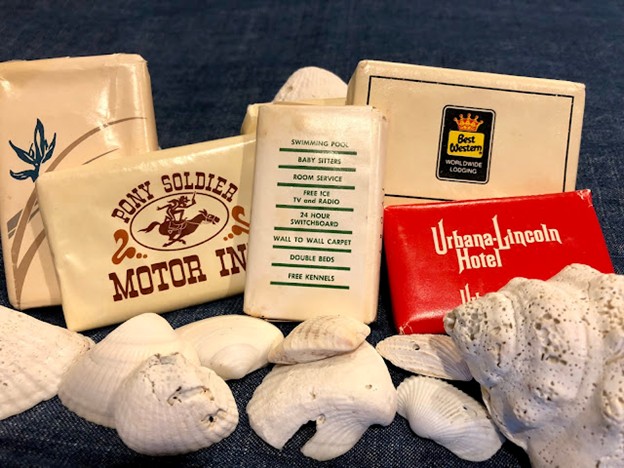
To me, these soaps represent the freedom of unfamiliar places where grandma didn’t have to cook for family and hired help or wash milkers. She just had to read the map and be able to hold it until Granddad was ready to stop for gas. In her 89 years, those soaps represent courage — the kind it takes to leave your livestock in someone else’s care and trust that the farm will survive without you. Even if you’re sleeping at the Pony Soldier Motor Inn.
Grandma and Granddad left many legacies, but today I think about the lessons they taught through soap and shells.
No matter how hard you work, how steady your grit or how heavy the pull of the daily routine, everyone deserves to rest. To step away. To look past the next fenceline.
Maybe it’s picking up a pastime you set aside years ago — fishing poles, a writing pen or a woodworking bench gathering dust in the corner. Or maybe it’s loading up the truck and heading down the road for no reason other than curiosity, trusting the farm will hold steady until you come home.
Go.
The work will still be there when you get back. Experiences won’t wait.
And if you find something worth packing home, take it. You never know when those small tokens will serve an entirely new purpose.
As I wrote this, our daughter asked what the tiny bars of soap were. I told her they were part of her inheritance. She looked confused, but I hope one day, she’ll understand.
Editor’s note: Lindsay Sankey is a freelance writer from Economy, Ind.
Publication: Angus Journal
Related Publication Articles


Current Angus Journal
Keep up on the latest stories of the people and programs in the breed.

Latest Podcast Episode
Don’t miss conversations with breeders and industry experts.