




Saved by the Kitchen
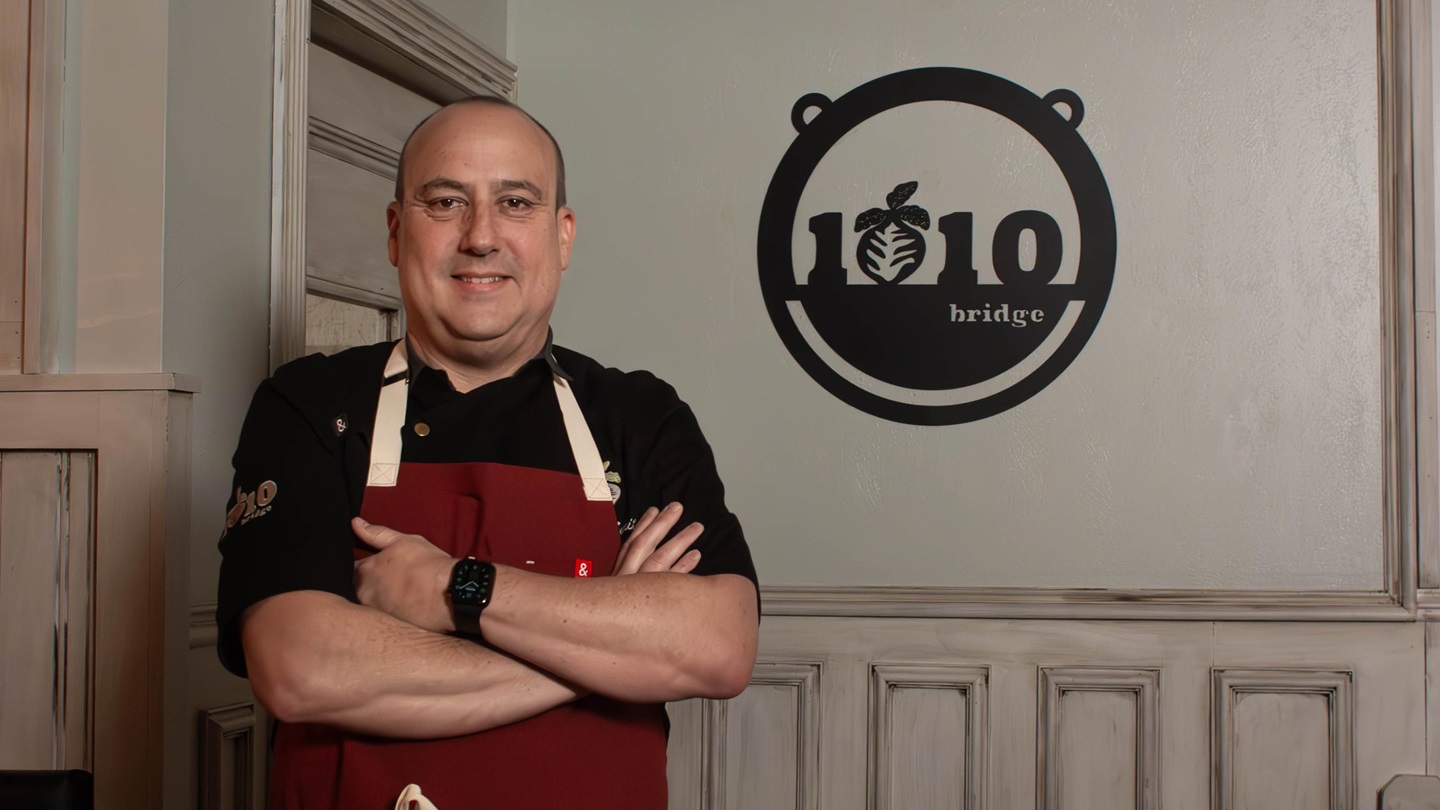
For Chef Paul Smith, the kitchen didn’t just shape his career, it saved his life.
May 18, 2026

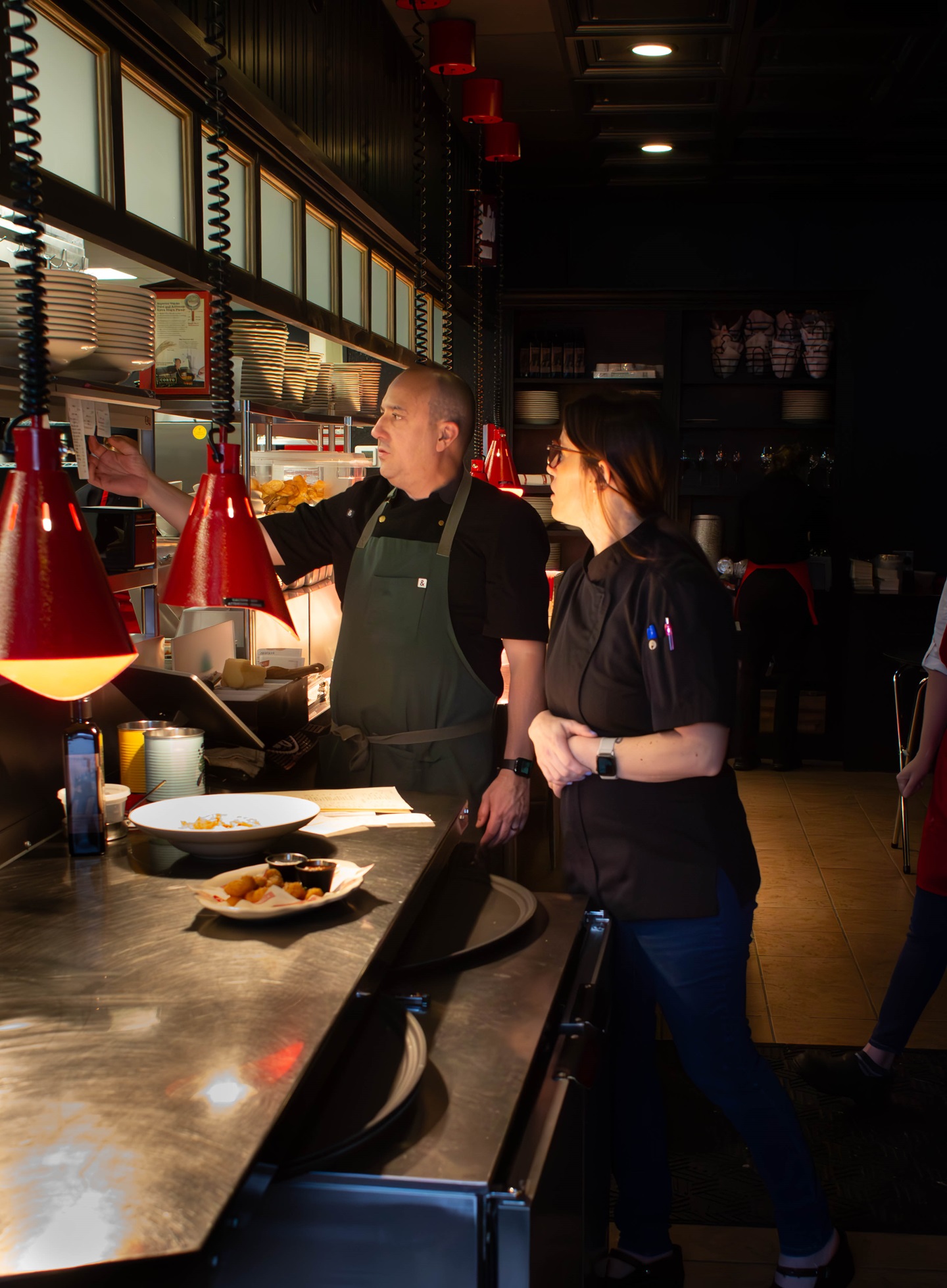
The kitchen is loud by design. It demands attention. Pans collide. Oil crackles. Voices overlap. There’s no place to hide, and no room to drift.
For years, that pressure felt unbearable.
Like many chefs, Paul Smith came up in kitchens where alcohol was part of the rhythm. A drink after service. A late night that bled into the next day. It wasn’t reckless, it was routine. It was how people unwound, bonded, and kept pace in an industry that rarely slows down. For a long time, it worked.
Until it didn’t.
Smith is open about being a recovering alcoholic. He doesn’t frame it as a dramatic turning point or a moment of revelation. It unraveled slowly, quietly. Until it was impossible to ignore.
“The kitchen saved my life,” he says.
What saved him wasn’t stepping away from the heat. It was learning how to stand inside it without numbing himself to the weight of it.
Today, Smith leads two restaurants in Charleston, W.Va. He also was named the 2025 Certified Angus Beef (CAB) Chef of the Year.
The kitchens he runs now are intentional, structured and demanding, but built to challenge people without breaking them.
Learning how to stay
Recovery didn’t arrive as a clean break. It arrived as routine. Accountability. Responsibility. The same things that make a good kitchen work.
“There’s something grounding about it,” Smith says. “You have responsibility, to your team, to the food, to the guest. You don’t get to check out.”
That responsibility became non-negotiable. Showing up mattered, as well as being present. There was no place to disappear anymore. The only option was to keep showing up clear-eyed and accountable, day after day.
“We don’t take ourselves too seriously,” he says. “But we take the craft seriously. We’re creating experiences. This should be fun.”
He knows what happens when kitchens become places people disappear into instead of grow within; he lived it.
Now, he’s intentional about enforcing a structure that gives people something to hold onto. His kitchens are dry. Alcohol has no place on the line, before or after service. If an employee is caught drinking, they are fired.
Smith doesn’t apologize for the standard. He knows how quickly the culture of a kitchen can slip, and he’s unwilling to let the environment he leads become one that costs someone their health, their career or their life.
“The kitchen saved my life,” he says again. “I want to give other people that chance, too.”

The kitchen saved my life. I want to give other people that chance, too.” — Chef Paul Smith
Rewriting expectations
Smith grew up in Charleston, a city often underestimated. He’s spent his career pushing back against assumptions about West Virginia, its food, and its potential.
“There are preconceived notions about this state,” he says. “But the food is not what you think.”
At 1010 Bridge, Appalachian comfort food is handled with restraint and respect. Local ingredients, thoughtful technique and care for ingredients guide his menu.
CAB has long played a role in that philosophy. Smith says he gravitated towards the brand early, before fully understanding the standards behind it, simply because of its consistency and quality.
“I’ve always used it,” he says. “I could taste the difference.”
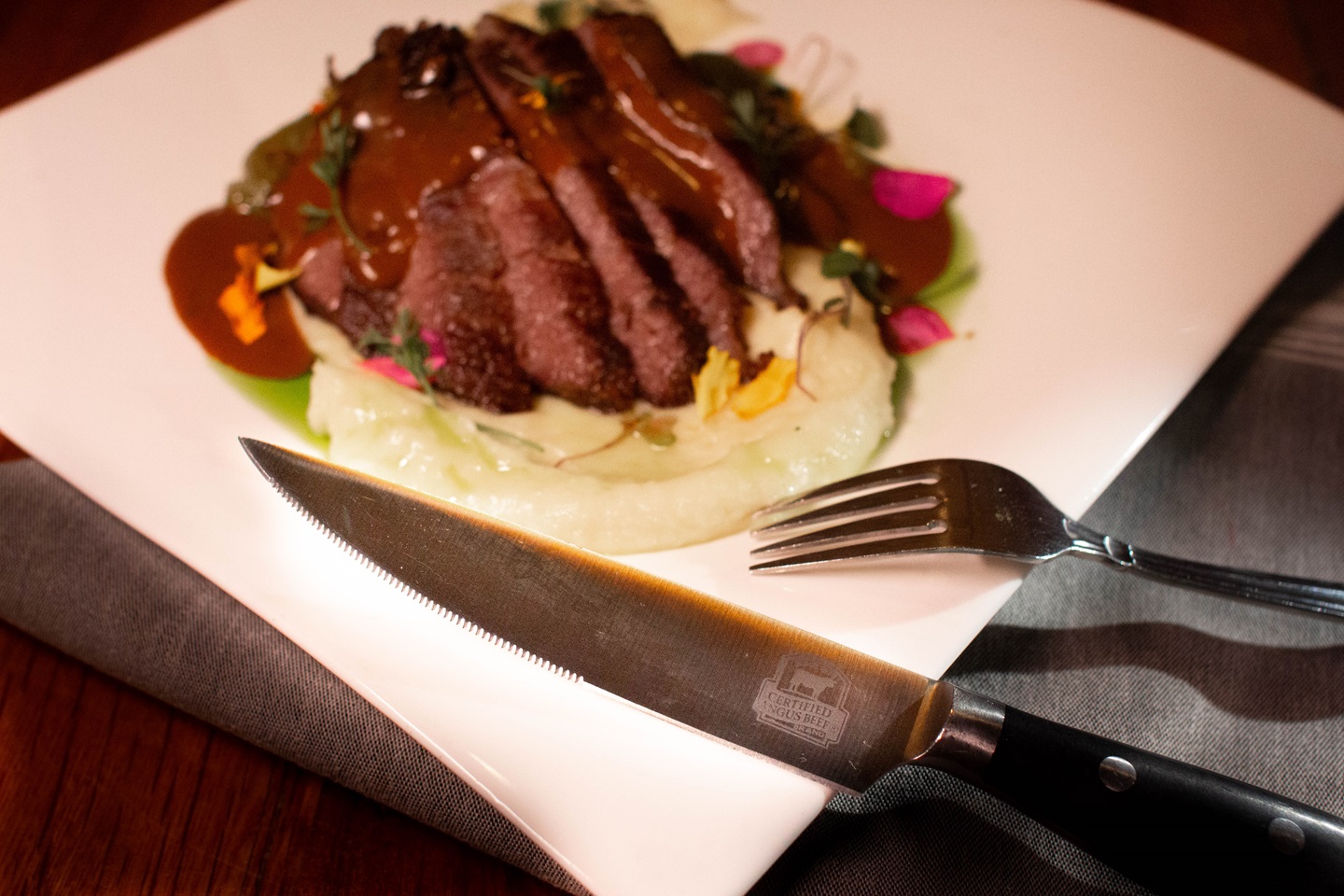
Rather than defaulting to familiar center cuts, Smith highlights underutilized options, including CAB cuts like the teres major, which is featured at 1010 Bridge as the “1010 cut.”
“I learned how to use those cuts at The Culinary Center,” Smith says. “Anybody can cook a tenderloin. The question is, can you take something like a teres major or chuck flap and make it the star of the plate?”
That mindset carries into Paulie’s, his newly opened Italian restaurant across the street from 1010 Bridge. Different cuisine, but same standards.
Across both restaurants, Smith leads with consistency, care and intention.

What success looks like now
Smith’s résumé includes James Beard nominations and national recognition that place him among the industry’s most respected voices. But what does success look like once those boxes are checked?
“When the food hits the table, and there’s six seconds of silence before anyone speaks,” he says, “that’s how I know we did it right.”
Those moments are brief, but revealing. Silence means people are present. It means the work held. It means the kitchen did what it was supposed to do.
Smith knows recovery isn’t a finish line, it’s daily practice. Much like cooking, you show up every day. You respect the process. You accept limits. You take responsibility for what is in front of you.
For Smith the kitchen didn’t just shape his career. It gave him something to hold onto when everything else fell apart. Now, night after night, amid the clatter and heat, he keeps showing up.
The kitchen didn’t save him because it was easy. It saved him because it gave him something worth staying for.
Topics: Association News , Award winner , Business , Human Health , Industry News , Member Center Featured News , News , Success Stories
Publication: Angus Journal
Related Publications


Current Angus Journal
Keep up on the latest stories of the people and programs in the breed.

Latest Podcast Episode
Don’t miss conversations with breeders and industry experts.