



Heat, Hair & the Bottom Line
Prepare for summer pasturing through nutrition and soundness.
April 23, 2026
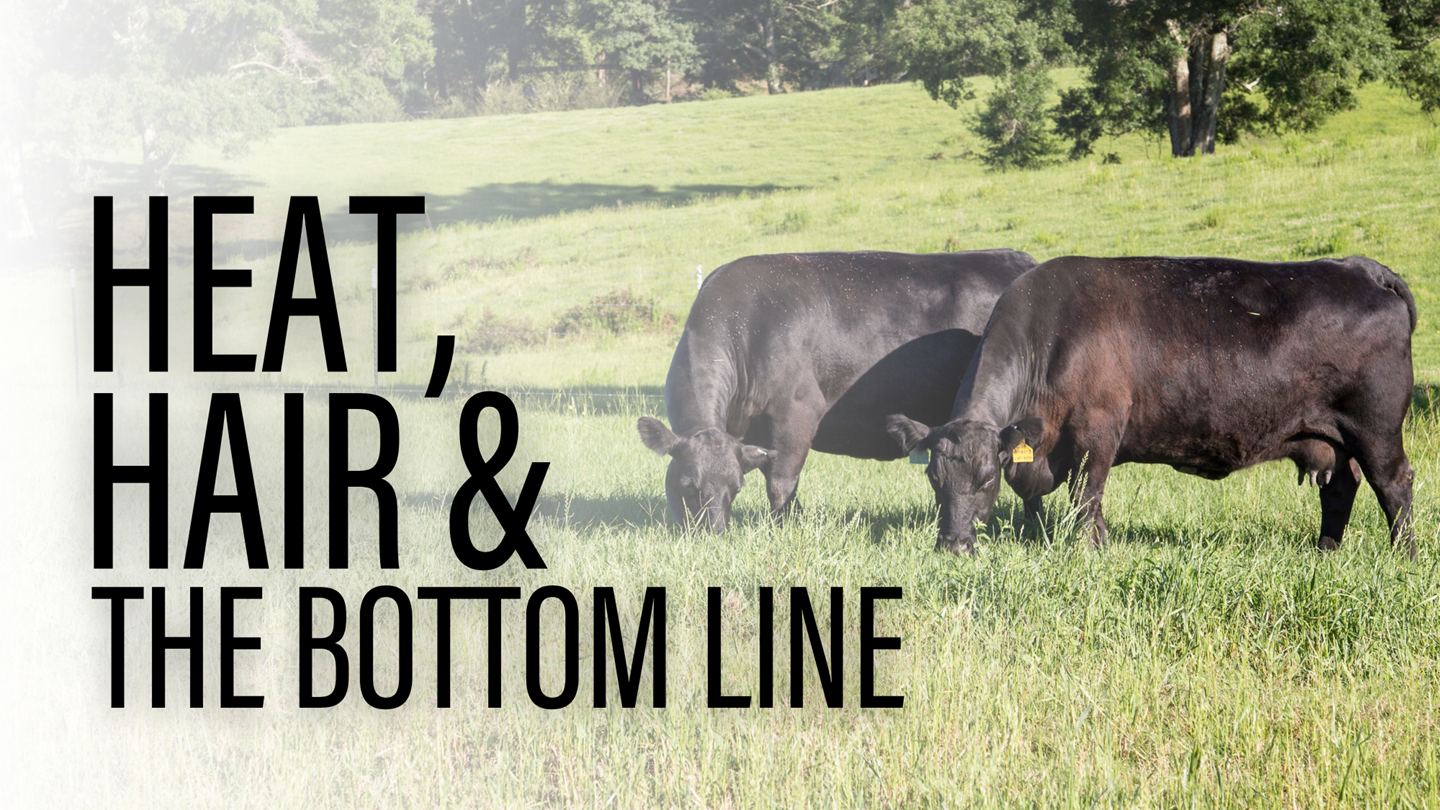

As cattle producers, there are many factors we are constantly monitoring to ensure our herd's success. A couple that are top of mind as we prepare for summer pasturing: nutrition and soundness.
One that might not float to the top as readily is the state of our cattle’s hair coats. However, research suggests that the lingering of a cow’s winter hair coat may be connected to a producer’s bottom line.
According to research done by the University of Missouri, reduced or late hair shedding can result in a lower calf weaning weight and a dam's failure to rebreed. This is especially prevalent in regions that graze toxic fescue or where high humidity and heat can lead to heat stress.
While the impact on the bottom line is obvious when mentioning fewer pounds and disruptions to the breeding cycle, the not-so-obvious financial impact is the cost of feeding cattle that are heat stressed. They require more inputs as they burn more energy to try and stay cool.
So, what can be done to ensure the cattle we are raising are right for our environment?
Collecting annual hair shedding scores can help producers identify cattle that shed their winter coats earlier, which is an indicator for better heat tolerance and tolerance to fescue toxicosis. Higher heat-tolerant cattle are more likely to outperform their counterparts during the dog days of summer.
Once submitted to the association, the data is used in the calculation of the Hair Shed (HS) EPD. Research has shown hair shedding is a moderately heritable trait and cattle with lower HS EPDs tend to produce progeny that shed their winter coats earlier in the spring.
Hair shed scores should be collected between mid-April to mid-June. Animals need to be at least yearling-age (320 days) or older and can have a score submitted each year. All the animals within a group need to be scored within a seven-day window by the same person.
Cattle should be given a score between 1-5 with one identifying cattle who have 100% shed-out and five indicating little to no shed-out.
Producers can refer to this PDF guide or video tutorials for examples of each score.
As always, members can call the association for further help collecting or submitting the data.
Hair Shed | WEBINAR - May, 28, 2024
How-To: Hair Shedding Scores
Topics: Member Center Featured News , Member News , EPDs , Genetics , Management , Record Keeping
Publication: Angus Journal
Related Publications


Current Angus Journal
Keep up on the latest stories of the people and programs in the breed.

Latest Podcast Episode
Don’t miss conversations with breeders and industry experts.