





Progress and Consistency
Nathan Spickler uses registered Angus as recipient females to help uphold high standards.
February 13, 2026
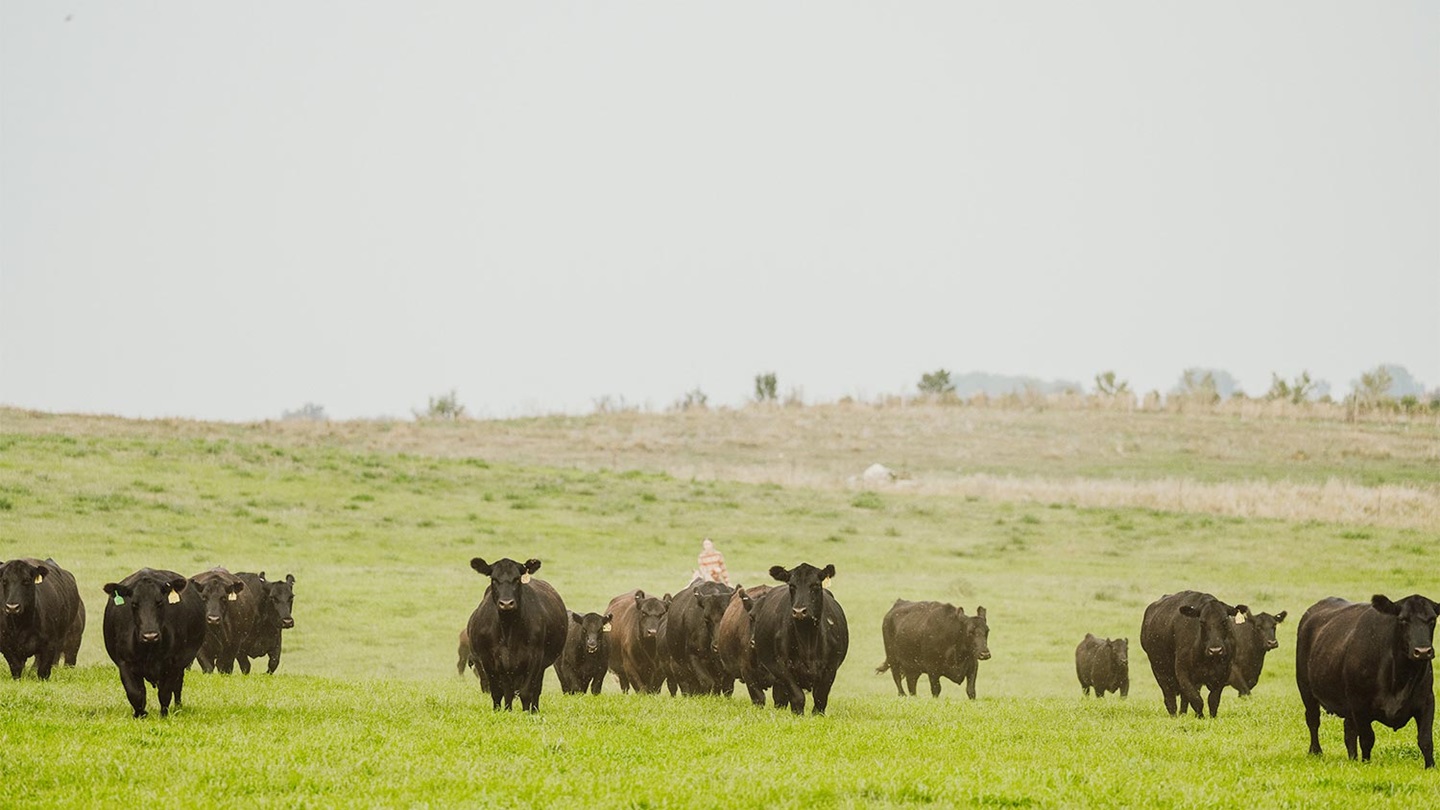

At Spickler Ranch South, Nathan Spickler looks out on lush pasture. Registered black Angus cows graze, side by side with uniform calves. To the eye, it’s your typical herd of quality cow-calf pairs. But those calves? They’re actually the result of embryo transfer (ET).
The ranch has seen ET calves hit the ground for the past 20 years, but it’s been the most recent eight years that Spicker said they’ve used the technology to rapidly enhance their herd, helping produce the 200 head of Angus bulls and heifers they sell in May.
“We really decided that the fastest way to improving our cow herd was going to be through propagating our elite females and being able to key in on specific matings that would make elite females.”
It’s a strategy many breeders utilize, although Spickler’s choice to use registered females as recipient females might seem like a fresh take.
“There’s maybe not that many registered cows that are recips [in the industry],” he admits when he starts to think about his own strategy.
But for his family? It’s been the best choice.
“The value that I see is kind of twofold,” Spickler adds. “One, you get ratios, so you can see how those ET calves do ratio against their ET contemporaries on the other registered dams. The other component is the recip dams that are good visually — are a good cow, but maybe just not as relevant genetically — you could still market a registered calf out of our females.”
He estimates nearly 70% of his recipient herd could turn around and actually raise an animal he could market in his operation’s sale.
To put it simply: there’s long-term value in owning females with a registration number.
“There’s a definite value, I think, to not just be stocked with commercial cows.”
Spickler’s breeding objectives center around creating cattle for commercial customers, most of which are local or located in the upper Midwest.
“We are extremely mindful of the maternal component of the cattle that we’re after,” he explains. “We put a high emphasis on udder quality, mothering ability, maternal temperament, foot quality and … phenotype.”
The strategy
All cows on the ranch have a fair shot at raising their own progeny.
“Everybody gets a chance to raise their own calf. I wouldn’t have kept them as a bred heifer if I didn’t think they were worth it,” he says.
Once those calves hit the ground, Spickler makes hard cuts.
“We sort our recips as we’re calving, so that way it is firsthand, fresh, in your mind what her feet looked like, her udder looked, how she acted,” Spickler added. “It’s really easy 70 or 80 days postpartum to forgive a cow for something she did at calving that was frustrating.”
Beyond the visual evaluation, EPDs, pedigree and production record also play a part.
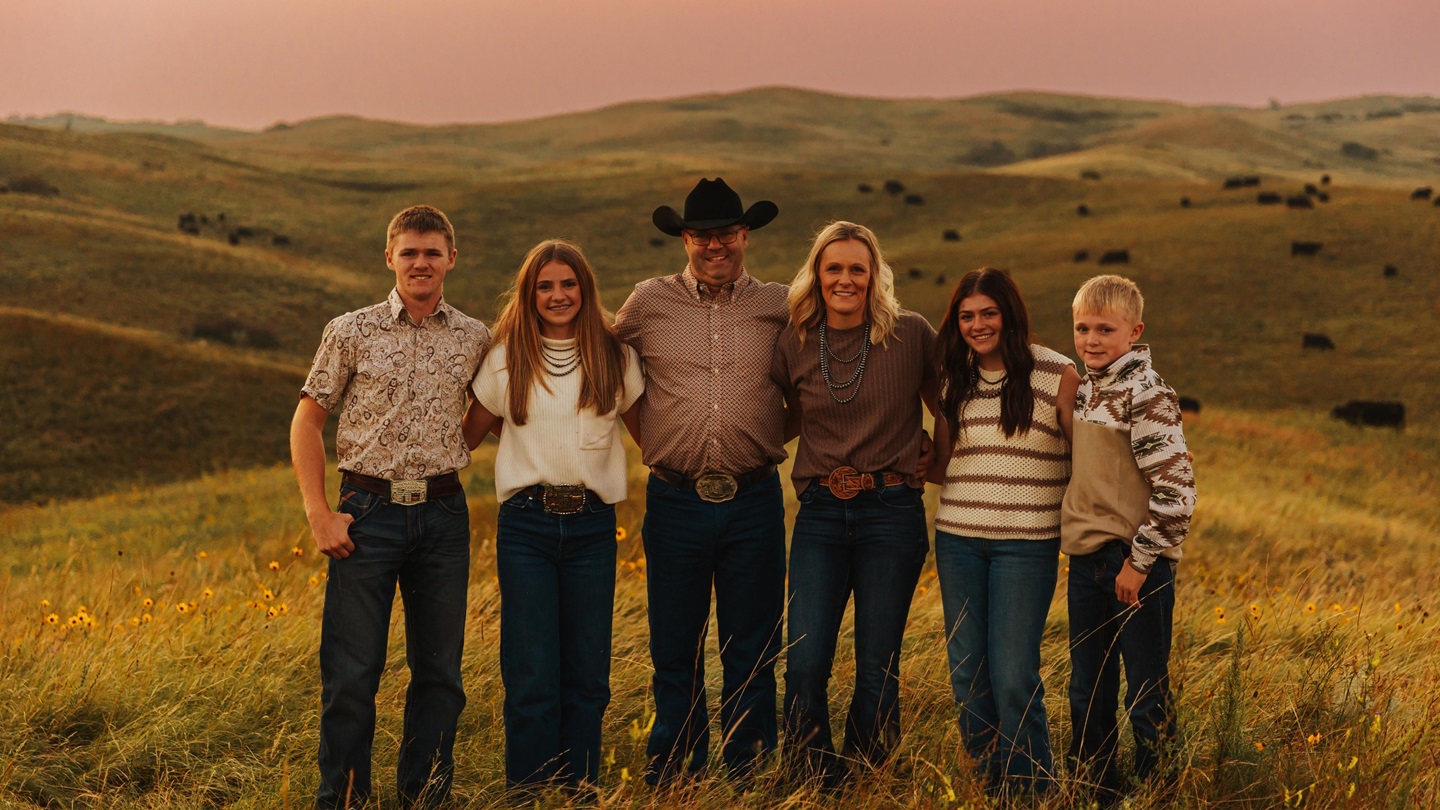

“It really helps tighten up our cow herd in terms of the cows that are actually remaining to be [bred by artificial insemination (AI)] — they really have passed a pretty tough grading scale to get to that point,” he explains. “There’s cows that will sort into our recip herd that maybe have really good feet, good phenotype and good udder, but maybe they’re lacking a little bit in terms of current marketability based on their pedigree or maybe they’re just a little bit underperforming as far as calf weaning ratio, etc.”
But just because they weren’t quite up to par for Spickler’s standards on passing their own genetics on doesn’t mean they need to leave the herd entirely.
For Spickler, there’s big benefit to keeping those females as recipient females.
“They’re cows that are right here on the ranch that are adjusted to our environment, our management,” he says. “They’ve lived here their whole life. They’re adapted to what we’re doing versus just bringing in cows and trying to fit them into our system.”
But his biggest benefit is the calves’ marketability.
“I could still get a second-cycle calf out of her if it performs and meets the requirements that we need to market something,” he explains.
For others who see potential value in this strategy, Spickler has a few pieces of advice.
Find donors that fit your production goals.
“Whether it’s from a carcass standpoint, performance or maternal, know where you want to go and really seek out the females that are going to best get you there,” he shares.
For the recipient side, he says if there’s registered cows that don’t meet your selection criteria as breeding females, consider putting an embryo in them.
“You don’t want to put forth this effort and expense and time and be implanting into cows that are going to give you some form of a problem,” Spickler says. “You just want to make darn sure that they’re females that are still going to produce and be able to raise a calf well for you.”
He urges producers to be honest when evaluating their herd.
“Find the females you know will propel your genetics, and identify which females aren’t,” he adds. “The ones that aren’t — why continue breeding them when they can raise an embryo calf that is more valuable?
Having guests recognize quality in both the donor pen and recipient herd — that’s a goal any cattleman can get behind.
Topics: Association News , Business , EPDs , Genetics , Management , Member Center Featured News , Ranch profile , Record Keeping , Reproduction , Selection , Success Stories
Publication: Angus Journal
Related Publications


Current Angus Journal
Keep up on the latest stories of the people and programs in the breed.

Latest Podcast Episode
Don’t miss conversations with breeders and industry experts.
