




The Long Game
Strategically thinking about heifer selection and management.
November 8, 2025
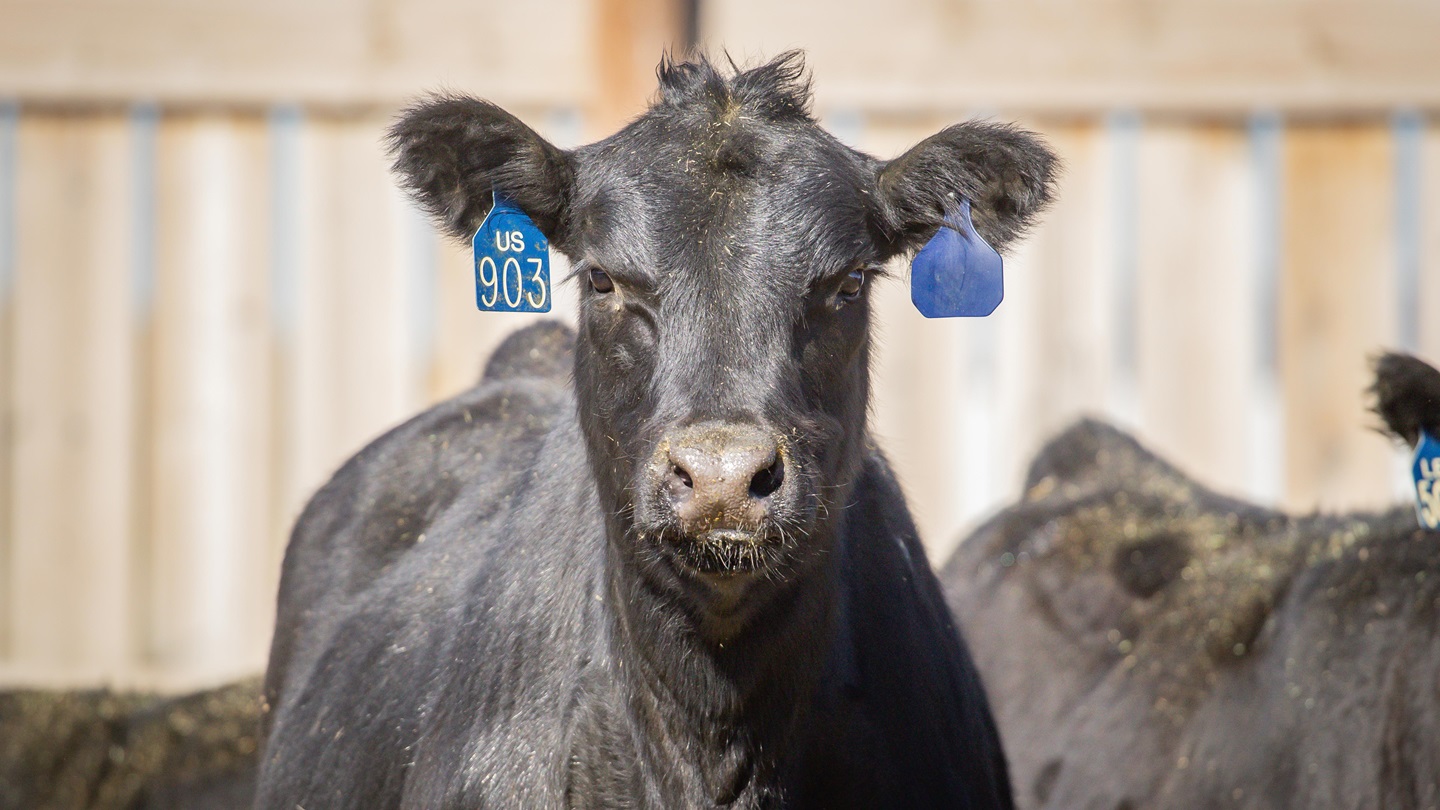

Strategic. That’s always been the name of the game in the cattle business; producers trying to think about what the market will want two, five or 10 years in the future.
Unfortunately, there’s no magic lamp to rub, no fortune teller to spill all the secrets. But luckily, the industry has market analysts, which could be considered a close second.
During the last few years, American beef producers have seen record-high prices, which have led to high sell-off rates and record-low herd numbers. None of this is shocking to the economists who have watched this pattern repeat for decades. But still, many have wondered when the rebuild part of the cycle will become a reality.
Now, market analysts are predicting the cattle cycle is ready to enter the next phase, which means strategic thinking is more essential than ever.
There are a million factors to consider in a ranching operation. But according to Lee Jones, a professional services veterinarian with Boehringer Ingelheim who has more than 40 years of experience in the beef industry, developing healthy heifers should be at the top of the priority list.
“If we look at heifers today, they’re going to be the genetic basis, the performance basis for our cow herd when the market is lower,” Jones explains. “When the market is really low, we’re going to have to be super-efficient to be able to have the kind of margins where these cattle still are profitable.”
Whether producers are creating their own replacement heifers or in the market to purchase some females, Jones says there are two critical stages: selection and development.
“Heifer retention is a very calculated decision, which it should be,” Jones says. “We can’t afford to keep extra.”
Selecting the best
The first step in creating a productive herd is good selection, but Jones acknowledges selection today doesn’t look the same as it did six or seven years ago. With the looming rebuild, cattlemen are thinking less about short-time financial considerations and shifting to a long-term perspective. That process starts with ranchers knowing what traits are valuable to their herd.
While Jones recognizes every operation has its own priorities, he believes one trait stands out above the rest: the calving date.
“She needs to deliver that calf at the very beginning as a 2-year-old and stay early. If she can do that, then she’s going to be a very productive cow in our herd,” he says.
Heifers that calve earlier in the season tend to rebreed more efficiently and maintain a tighter calving interval. Calves born earlier typically have access to better forage conditions and longer growth periods, resulting in heavier weaning weights.
Over time, these advantages compound, contributing to greater profitability and herd performance.
Sounds like a great way to put more money in the pockets of producers. But how can producers identify which heifers are likely to calve on time and stay productive for years to come?
Jones points to the growing toolbox available to ranchers. When he began his career, technologies like ultrasound weren’t widely available. But now, he explains, tools like expected progeny differences (EPDs) and genomic testing are more accessible than ever.
These tools allow producers to make more informed decisions, but Jones cautions selection shouldn’t rely solely on data. A heifer must also be phenotypically sound. Structural correctness, temperament and maternal instincts all play a role in her long-term success.
Courtesy of Boehringer Ingelheim

Courtesy of Boehringer Ingelheim

Development never stops
Each selected heifer is an investment in the future of a cow herd, but the decision to keep her is just the start.
It’s like buying a car. It’s important to pick one that suits lifestyle needs, but more important is the regular maintenance that comes afterwards. A car won’t run smoothly for long without regular oil changes, tire rotations and filter replacements. Heifers are the same way. The initial investment is important, yes, but the health and development program that comes after is even more crucial.
“Development never stops,” Jones says. “We’re developing that heifer from the days that she’s conceived until she’s 3, 4 or 5 years old.”
Jones names two things key to creating and maintaining productive heifers: balanced nutrition and disease prevention protocols.
From a nutritional standpoint, it truly is a balancing act. Overdevelopment can be just as harmful as underdevelopment. Maintaining a healthy body condition score is important.
For heifers, Jones recommends aiming for 60% of mature body weight at breeding, with careful attention to body condition and growth trajectory.
To get her there, implementation of a good nutrition program plays a starring role.
“We want to make sure that we’re meeting all of her nutrient requirements,” Jones explains. “Energy, protein, carbohydrates, trace minerals, an appropriate level of fat in the diet and making sure that we’ve got adequate vitamins.”
No nutrition program is one size fits all, but Jones says it’s important to start by knowing what’s in your forage base and to supplement based on what’s missing.
Preventing disease is equally vital.
“To go through all that work [with a nutrition program] and then to leave cattle at risk of preventable diseases is just silly,” Jones says.
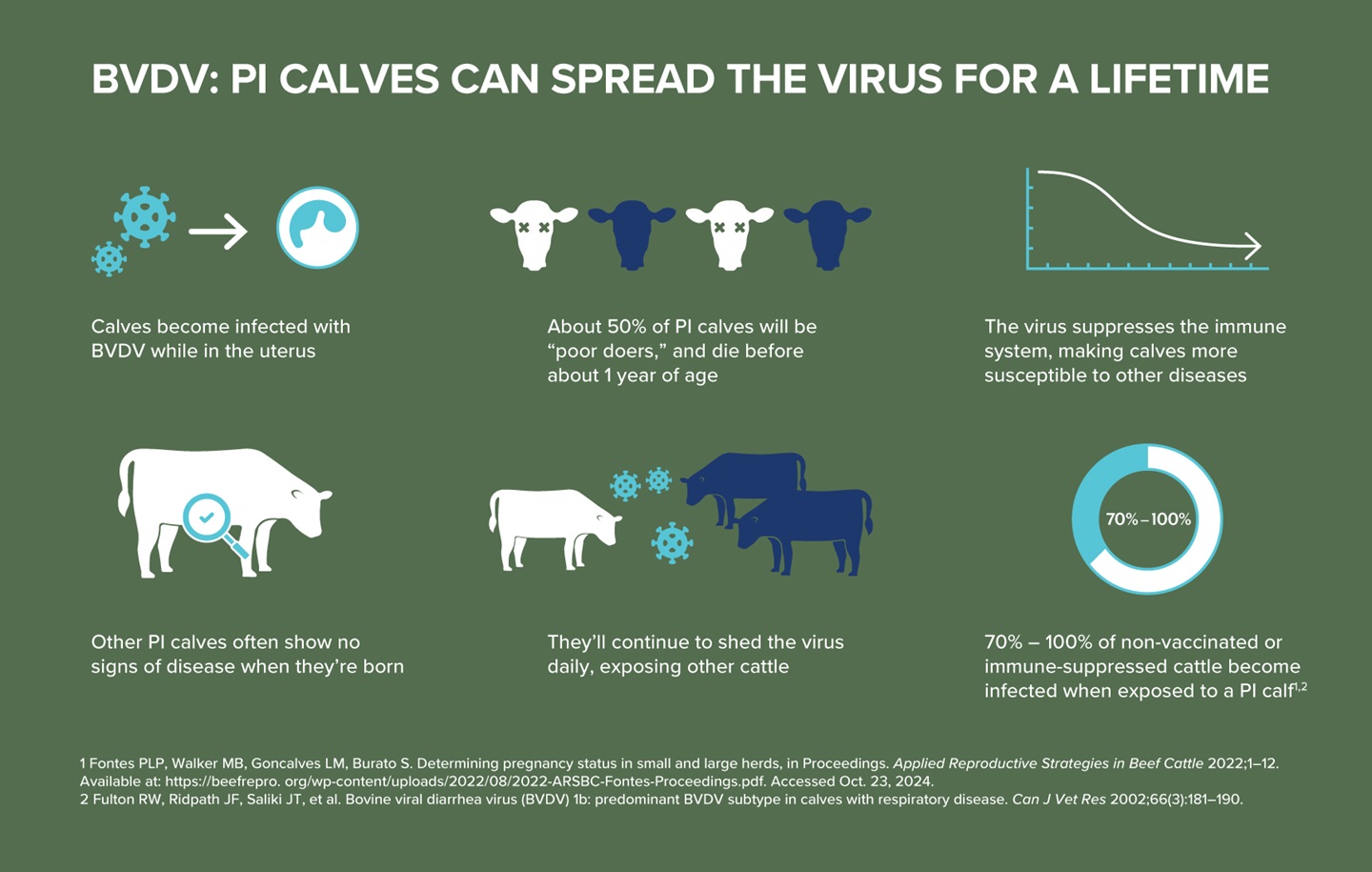
A comprehensive vaccination protocol is one essential piece of the puzzle.
Jones is adamant: “Absolutely no ifs, ands or buts … everybody needs to have a modified-live virus vaccine. They give us stronger, quicker and more robust immunity.”
He recommends vaccinating against bovine viral diarrhea virus (BVD) types 1 and 2, infectious bovine rhinotracheitis (IBR) virus and leptospirosis, with emphasis on a vaccine that contains the Singer strain for BVD cross-protection.
“Our vaccination program protects our fertility program,” Jones says. “We get individual as well as herd protection through a good vaccination program.”
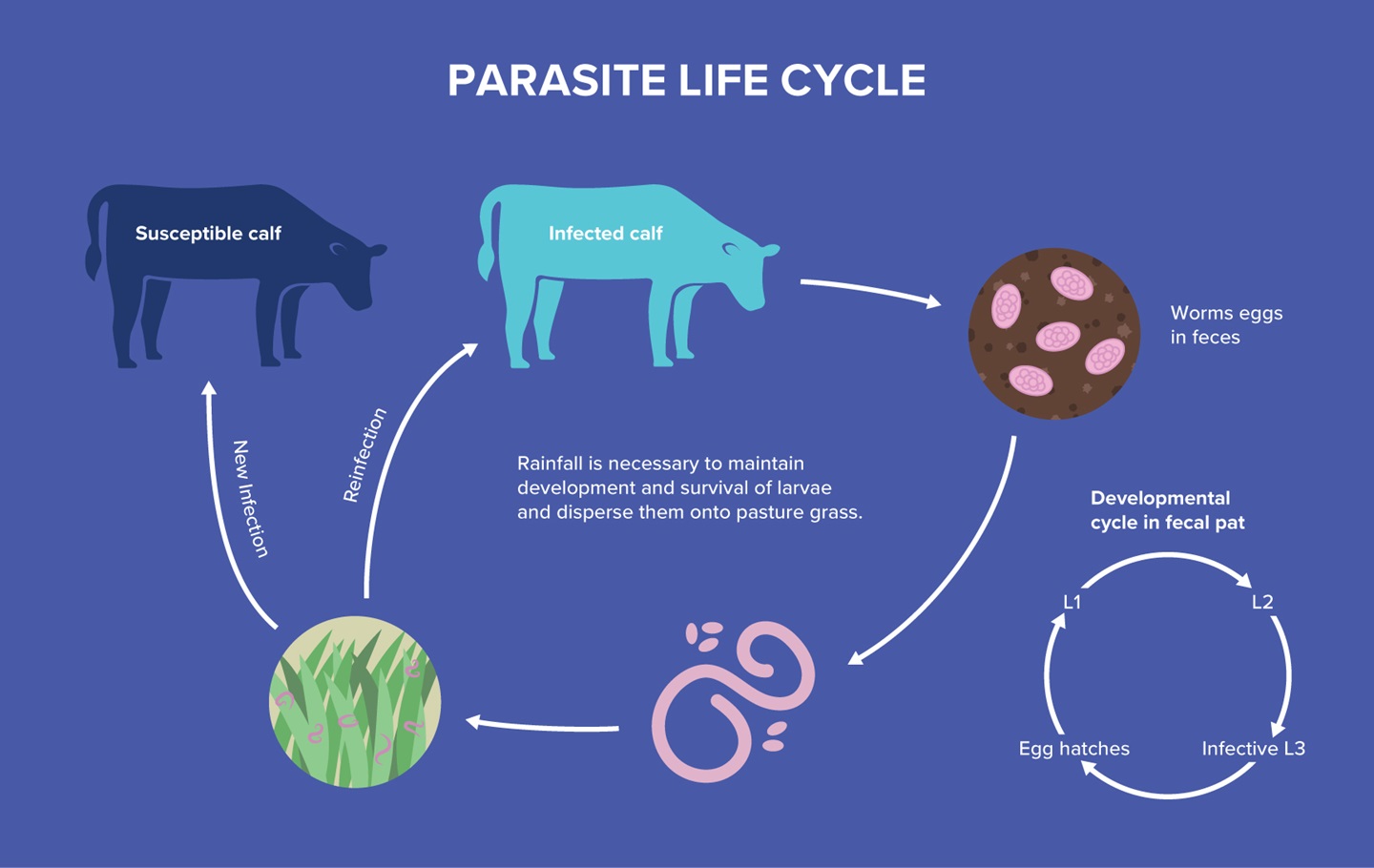
Finally, Jones says not to forget about parasite prevention.
“Parasites just rob cattle of nutrients,” he warns. “Heifers that are without parasite control breed later and don’t reach the target weight when they are supposed to. It just sets them up for risk of reproductive failure.”
Eyes forward
It can be hard to justify spending money to invest in heifer development when market prices are high, but Jones encourages producers to keep their focus on the future.
“It really is the long game approach,” he says. “I mean, if you’ve got somebody that wants to be in the cattle business, wants to keep their family in the cattle business for years to come, the decision that we make every year has to have that element of that long-term plan.”
Ultimately, Jones sees heifer health as the foundation of herd sustainability. When it comes to playing the long game, it’s important to start by taking care of the ones who will be with you for the long haul: the heifer.
“She represents the future of the herd,” he says. “If she gets sick, then that puts her reproductive future at risk. We have to protect her health and we have to protect her fertility, because that is our future.”
Topics: Management , Reproduction , Selection
Publication: Angus Journal
Related Publications


Current Angus Journal
Keep up on the latest stories of the people and programs in the breed.

Latest Podcast Episode
Don’t miss conversations with breeders and industry experts.