




Research
In cooperation with Angus families and the beef industry, AGI develops science-based solutions through research.

CURRENT PROJECTS
Angus Genetics Inc. (AGI) is helping to advance beef cattle genetics through through targeted research initiatives. Current projects include:
- Genetic evaluation optimization to continually improve selection tools
- Collaboration with the University of Illinois using commercial data to further validate $Value indexes
- A multi-institutional effort to better understand Bovine Congestive Heart Failure, aiming to improve cattle heart health
- Fertility research focusing on both bull and female reproductive traits, enhancing longevity and productivity
- Methane efficiency research project explores genetic pathways to reduce emissions, supporting sustainability in beef production
Interested in a specific project?
Click below to jump to current research projects.
Resources
View all AGI Research News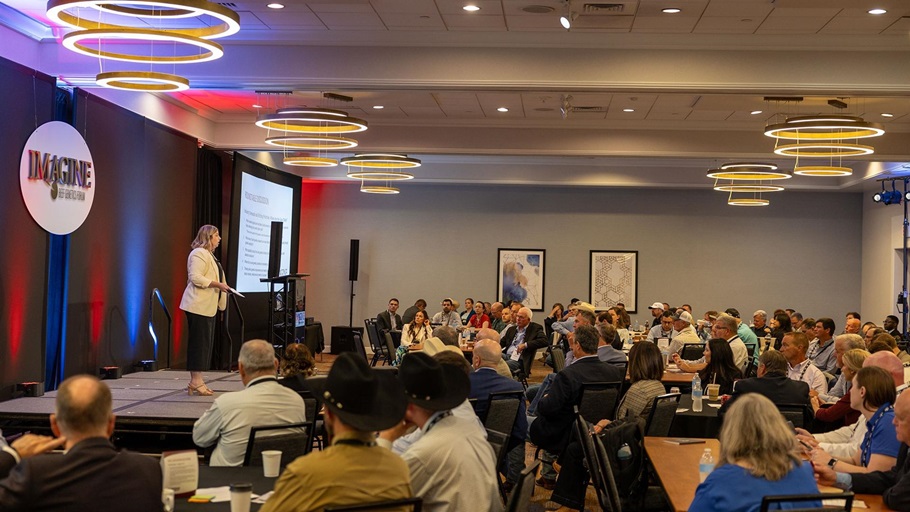
Article
Angus Genetics Inc. Gathers Breeders, Industry, Academia
Imagine: AGI’s Beef Genetics Forum hosted a cross-section of the beef industry to discuss optimizing genetics and management for full supply chain profitability.


Ongoing Research | AGI-Led Research Projects
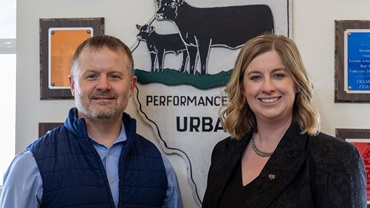
AGI collaborates with a variety of public and private partners on research projects - all with the intent of empowering the Angus breed and the broader beef industry to drive genetic progress. This October 2025 video showcases types of projects AGI is involved in as well as data security measures.
METHANE EFFICIENCY RESEARCH
Although significant progress has been made in developing selection tools for feed intake during the postweaning gain phase to describe efficiency, accurately measuring intake in grazing cattle remains a major challenge. Selection for methane and other emissions in combination with other important production traits may pose a potential solution. The study will investigate the genetic influence of methane and the ability to select for the trait, especially among cattle on pasture and forage-based diets.

AGI White Paper
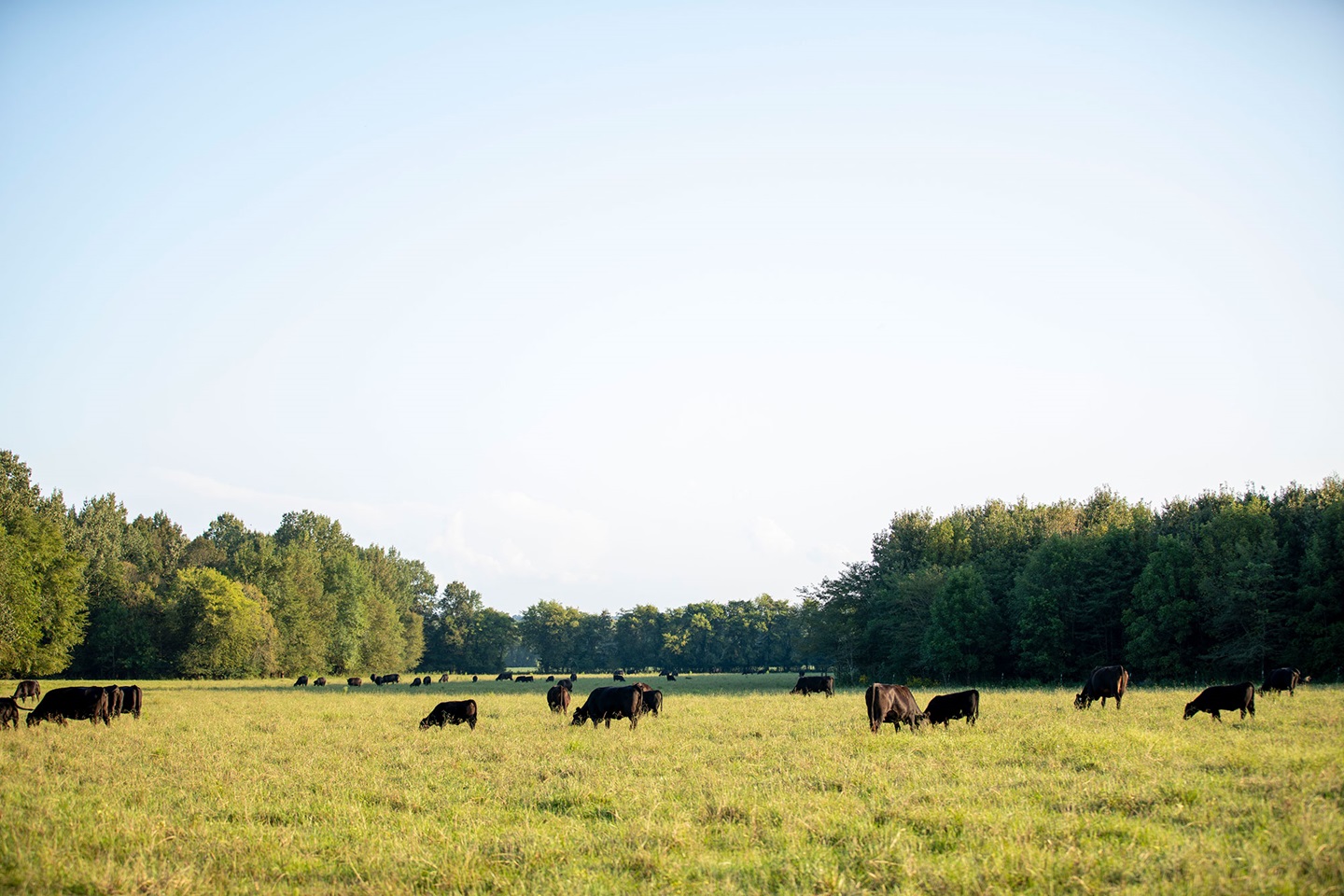
A new white paper, released by Angus Genetics Inc. (AGI) on Jan. 28 with support from the Angus Foundation, discusses the future of phenotyping and expansion of data collection into the commercial sector. Written by Troy Rowan, assistant professor of beef cattle genomics at the University of Tennessee, Knoxville, the paper examines industry research and results from Imagine: AGI’s Beef Genetics Forum, which took place Sept. 25-26, 2024. The event was attended by professionals from academic, research, allied industry and ranching backgrounds
CONTRIBUTE TO RESEARCH
Breeder survey
Complete a survey aimed to help better match genetics to the environment. The survey is part of a collaborative project between AGI, Michigan State University, the University of Wisconsin–Madison, the University of Tennessee, University of Georgia and Purdue University aimed at developing new genetic prediction methods that can help match animals’ genetic potentials to unique production environments. Responses provided will only be used for research purposes.
Breeder Form FAQ
This survey aims to characterize the diversity of management practices implemented across seedstock Angus herds. It asks a series of questions regarding the nutrition, grazing, reproductive, health, marketing, and breeding practices on your operation.
It should take 15 minutes or less to complete.
It is part of a collaborative project between AGI and four land-grant universities aimed at developing new genetic prediction methods that can help match animals’ genetic potentials to unique production environments. Responses will help disentangle the management and environmental components of phenotypes. While this is foundational work, it is the first step toward a delivering EPDs tailored to individual operations.
Responses provided will only be used for research purposes. Any data shared publicly will be summarized and anonymized.
Haplotypes Research
The Fertility Haplotype Project aims to detect haplotypes with lethal potential that affect the fertility of cows in the Angus population. Haplotypes under investigation may have different effects based on their location including stillbirths or early calf death. Having a DNA sample on those calves allows us to be more precise on the identification and better understand the haplotype effect.
Haplotype Research FAQs
The report is a page to record basic information to go along with the sample being submitted. While the information is basic, it is hugely helpful to the project, because it provides additional details about the sample.
All DNA samples collected to test deceased cattle for this project will be processed free of charge. The American Angus Association and Angus Genetics Inc. are committed to assisting the membership with the collection of this valuable data.
No, the reporting and sampling of the calves for this project is voluntary and you will not be penalized if you submit or don’t submit your samples, even if we identify a deficiency in your reported calf’s DNA in the future.
You are welcome to submit samples from calves from stillbirth, and calves that died before weaning for any reason. Some examples are deaths due to physical deformities, disease or infection, and weather conditions. Some genetic problems might appear as an invisible condition so any death can help us learn and study haplotypes.
Your sample contributes to a long-term research project, so do not expect to receive results back. Parentage information can be provided, but no EPDs will be predicted.
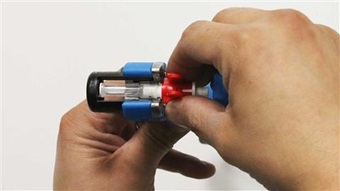
How to Collect TSU's
Set yourself and your samples up for success by following these DNA sampling instructions. Whether you’re new to sample collection or just want a refresher, we’re here to help.
Looking for additional research?
The American Angus Association supports research projects in an effort to continue to drive progress in the breed.