



Angus Women Connected — Focusing on the Future, Creating Ambassadors and Relationships That Last
Three cattlewomen share their experience fostering relationships, encouraging the next generation and advocating for the Angus business.
May 12, 2026
Three cattlewomen recently returned home from the three-day conference, which is supported by the Angus Foundation, and shared their experiences on The Angus Conversation. Tammy Weaver, Dani Brach and Emma Collins Powell talked about how important it was to have shared experiences to build on and unique stories to learn from.
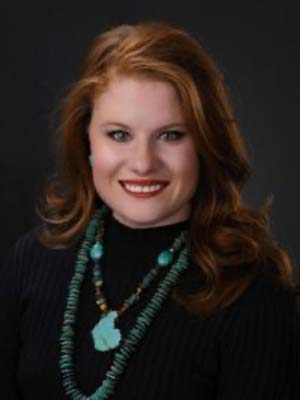
Emma Collins Powell

As a mom, you put your kids first and this is a chance to put yourself first and to get to know other people and for your own personal development. I just feel like no matter what we're doing, whether it's in our careers or in our personal life, if you're not growing, if you're not moving forward, then you're going backwards.”— Emma Collins Powell
“The conference is a way to get [female Angus breeders] together to learn more about the industry, to get together and to trade ideas back and forth about what they might be doing at home at their individual operations,” Collins Powell said.
She is a product of the National Junior Angus Association (NJAA) and currently leads the Angus Auxiliary as its president.
Many of the women agreed, it’s never an easy time to be gone and they juggled a lot to be there, but it was worth it, Weaver said.
The topics ranged from education to inspiration, and Weaver noted it’s vital to have an in-person meeting for networking.
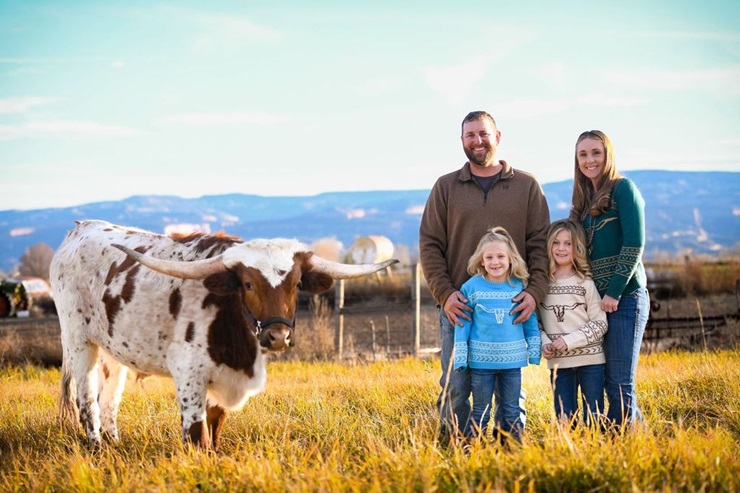
Danielle Brach and family
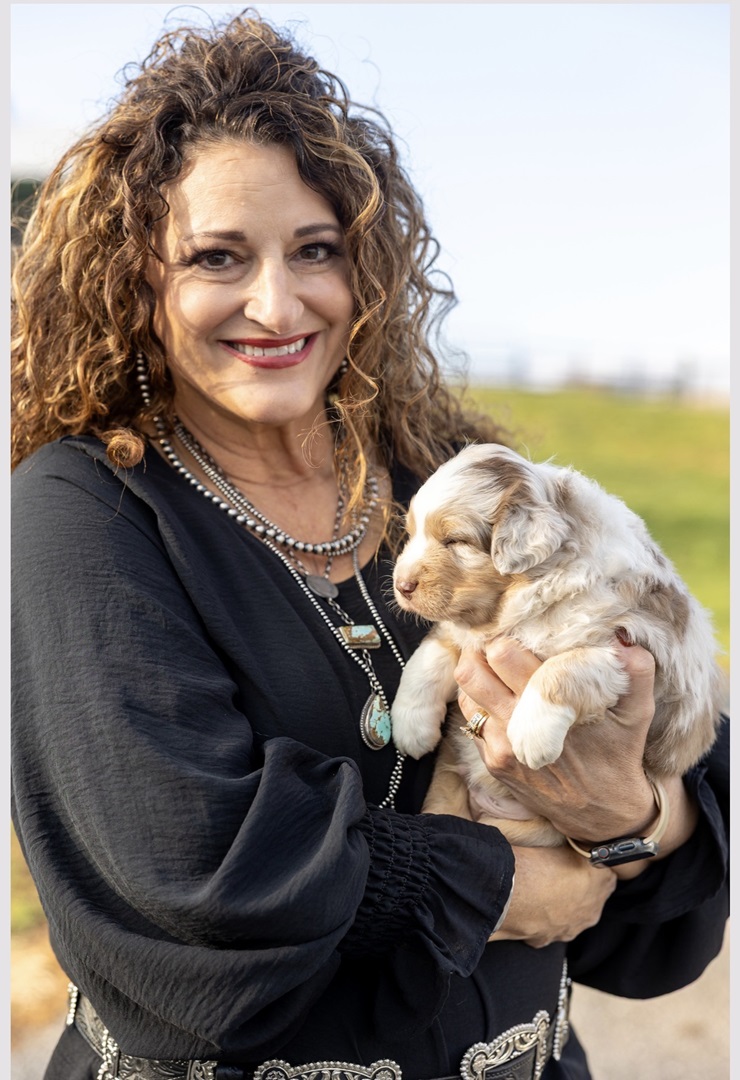
Tammy Weaver
“There was a synergy, almost an electricity going on in the room that you won't pick up through a video,” she said.
Brach said she learned practical take-home lessons and grew her contacts.
“I know that my friends list definitely grew after Women's Connected, which is pretty cool because the friendships that were started on a personal face-to-face basis are still active and now we're even planning to come over and see the other operations or ranches,” she said.
The breeders touched on everything from ways to encourage young people to get involved to advocating for agriculture, wherever you’re planted.
EPISODE NAME: Angus Women Connected — Focusing on the Future, Creating Ambassadors and Relationships That Last
The Angus Women Connected Conference intends to do just that: foster relationships among breeders from across the country. Three cattlewomen share their experience of getting off the ranch to learn from both invited speakers and each other, creating a community of people they can now call on when they need outside expertise. From encouraging the next generation in agriculture to advocating for the Angus business to those on the outside, this episode covers what they’ve done and might even inspire you to make a difference in your own sphere of influence.
HOSTS: Miranda Reiman and Mark McCully
GUESTS: Emma Collins Powell, Danielle Brach, Tammy Weaver
Emma Collins Powell has a rich history with the Angus breed. As a former member of the National Junior Angus Association (NJAA) and the current president of the American Angus Auxiliary, this Mississippi native is giving back daily to the cattle and producers that helped shaped her into the woman she is today.
While she was a junior member, she grew up on her family’s farm, Kiani Angus, and served as the Mississippi Angus Queen. She lives in Flora, Miss., with her husband, Robert, on a registered Angus and commercial cow-calf operation.
From western Colorado, Danielle Brach is a cattle producer and agricultural educator. She and her husband, Jayton, operate a commercial beef cattle ranch and run their generational operation through the summer and fall utilizing BLM and National Forest permits. Recently, they started a seedstock Angus herd.
The couple’s focus extends to spring calving, herd health, genetics and sustainable ranch management. Additionally, Danielle is passionate about agricultural advocacy and youth education, helping develop the next generation of producers through hands-on livestock and leadership programs. With a self-funded youth beef breeding program, she brings a practical, real-world perspective on the beef industry, rural business and the importance of preserving the ranching way of life.
With a herd of registered Angus cattle in Pennsylvania, Tammy Weaver and her family operate Weaver Show Cattle, raising cattle for the show ring and replacement females. As a beef industry sales representative, she’s able to serve the cattle business in her day-to-day career as well. She and her husband, Fred, live in Ephrata. They have two children, Madison and Hayden, who were both active in the NJAA and 4-H, exhibiting multiple species up to the national level.
Tammy lives on her family’s farm where they have a small herd of Angus cows and raise corn, soybeans and tobacco. She is active in the Pennsylvania Angus Association, Pennsylvania Holstein Association, PA Livestock Association, Keystone International Livestock Exposition and several local agriculture groups. Tammy currently serves as the secretary/treasurer of the American Angus Auxiliary.
SPONSORS:
Are you ready to level up your herd’s genetics? With the Angus Bull Book Spring 2026 Angus Sire Directory, you can find your next great sire. The spring issue went live in March, but you're able to view the book online all breeding season. Live EPDs will help you pair the right bull with your breeding objectives. Search for the Angus Bull Book Spring 2026 Angus Sire Directory on the sale book search page on Angus.org.
Help your customers maximize the return on their Angus investment. Give commercial cattlemen access to the management, marketing, health, and attrition news they need to know. With a transfer of a registered Angus bull, they're automatically subscribed to the Angus Beef Bulletin, a premier publication committed to ensuring they make the most of their purchase. Go to www.angusmedia.org/subscribe today.
RELATED READING:
Miranda Reiman (00:00:03):
Welcome to the Angus Conversation. I'm your host, Miranda Reiman with CEO of the American Angus Association, my co-host, Mark McCully. And Mark, we just got off a podcast with three guests that kind of helped really illustrate one of the main points or part of the mission of the Angus Foundation. We've got those three pillars, research, education and youth, and we spend a lot of time talking about youth and maybe a little less than those other parts of the Angus Foundation mission.
Mark McCully (00:00:34):
Yeah. Sometimes I think I always say sometimes youth is the easy one to illustrate. We get to illustrate through and through scholarships and impact is so easy to see and such an important part. I think people talk about the next generation wanting to contribute and give back. That's an easy one. I think education sometimes is one that we maybe don't think about.
Miranda Reiman (00:00:57):
We think about school.
Mark McCully (00:00:58):
We think about school, right? Maybe we don't think about Beef Leaders Institute or the Beef Academy programs or some of these other ongoing education either focused towards youth potentially or for the adults. And then of course, research. And research is one of those things that we know is a pillar to what we do in animal science and genetic improvement. And the Foundation has really an important role to play in all three of those pillars. But today it was really kind of, also illustrated partnership and meaning where the Foundation could support the Angus auxiliary in the great work that they're doing.
Miranda Reiman (00:01:39):
Absolutely. We had three guests on that are Auxiliary members from across the United States, very different operations, very different experiences on how they got into the Angus breed. So I think that'll be super fun for everybody to hear and to, I guess, go from Colorado to Pennsylvania to Mississippi. But before we jump into that, just want to remind folks that as you think about the mission of the Angus Foundation, that you have a chance to really be part of that mission coming up here, gosh, less than a week.
Mark McCully (00:02:10):
Yeah. May 17th is the day of giving for the Angus Foundation. And of course we have generous donors 365 days out of the year, but on May the 17th is, just really a special day as a day of giving to focus and highlight the generosity behind the Angus Foundation and the impact it can have with gifts literally of any size. So if folks are interested, I'd encourage them to check out the Angus Foundation through social media, through our website, or just make a call into the office.
Miranda Reiman (00:02:44):
And even if you're not able, we said gifts of any size. If you're not able to give a large donation, sometimes just giving a voice to that, being a repeater of the message or go on social media and talk about your experiences and what the Angus Foundation has helped support you in either your business or your youth experience. If you share some of those stories, that just gives other people an opportunity to help and be part of the mission as well.
Mark McCully (00:03:10):
Absolutely. Great point. Great point.
Miranda Reiman (00:03:13):
So we're looking forward to this next episode. It's kind of everything from beef breeding to alligators. Today we have a special episode in that we have three guests that we are getting to join from kind of all parts of the United States. So first on the podcast, we have Tammy Weaver with Weaver Show Cattle at Euphrata, Pennsylvania. Did I say that right?
Tammy Weaver:
Ephrata.
Miranda Reiman:
Dang it. I knew I should have asked ahead of time.
Tammy Weaver (00:03:42):
Close. You're good.
Miranda Reiman (00:03:44):
Very good. And Tammy is actually, I think you said down in Florida today, so you're not even up in the —
Tammy Weaver (00:03:49):
I am. Yeah, sunny Florida.
Miranda Reiman (00:03:51):
And you and your family have an Angus operation there, had kids grow up in the National Junior Angus program.
Tammy Weaver (00:03:57):
Yes
Miranda Reiman (00:03:57):
Give us just kind of a litle bit of your background.
Tammy Weaver (00:04:00):
Sure. So my husband, Fred and I live in Southeastern Pennsylvania, Lancaster County to be specific. And we're there with our daughter, Madison and our son, Hayden. And Fred and I are first-generation Angus farm. We've both always grew up with cattle in our lives, but for registered cattle, we're a first generation, so our kids would be second. And I know for many of our Angus breeders, Angus cows have been in their family for a lifetime. So we're just a little bit uniquely different. We have a small farm in Lancaster County. We grow corn, soybeans, and tobacco. And yeah, I grew up actually in the dairy industry. And when Fred and I met and we decided to get married, Fred said he would do a lot of things for me, but he would not milk cows. So here we are in the Angus business and loving it.
(00:04:52):
I still have my dairy cows, but luckily my family takes those. I work off the farm full-time with Balchem Corporation and my territory is Pennsylvania to Florida. I sell feed ingredients. So you probably don't hear of any of our ingredients, but you might be using them in your mineral mixes or things like that. My love for the Angus industries come from the involvement and the opportunity that the Angus industry has given my children and they both have aged out of the junior program and are still incredibly active in the industry. So love that.
Mark McCully (00:05:30):
Madison, former Miss American Angus.
Tammy Weaver (00:05:33):
Yes. Yes. Yeah.
Miranda Reiman (00:05:35):
But you probably got to travel quite a bit with that experience and see different-
Tammy Weaver (00:05:40):
Oh yeah. So we started out just with our kids being involved on a local level and then they caught the bug and Junior Angus Association did so many of the contests and we're in the show ring and our kids said, "Hey, we want to continue this. " So we have some donor cows based on those initial investments. And so we're still in it and we're providing cattle to other juniors to get involved. And it's so fantastic to see all this come full circle and yet also participate in shows like all of your Roll of Victory Angus shows and go to Denver and see the car loads and the bull shows and that sort of thing and just see everybody's differences in their genetics and looking at things from a performance standpoint. There really is a place for everyone in this industry.
Miranda Reiman (00:06:33):
And so those early show animals that you had, are those the basis for the heifers that you're selling yet today?
Tammy Weaver (00:06:38):
Yeah, they were the foundation. We started out with genetics from used to be Gambles, which is now 3ACES, and some of theirs goes back to Champion Hill Genetics and a bunch of Prairie View genetics and a lot of genetics from the Stertzbach family. And my husband grew up as a fitter working for Paul Hill for years and years. So yeah, Paul Hill has been a dear friend, the Hill family for a long time.
Miranda Reiman (00:07:13):
What an experience. We had him on the podcast. Oh, it's been a little while now, Mark, but stories upon stories, that was really fun.
Tammy Weaver (00:07:22):
He is, PH is so much fun to sit down with. Prepare yourself for a few hours.
Miranda Reiman (00:07:28):
Yes, very good. And before we leave your, I guess bio, I should mention that you're the current Auxiliary secretary treasurer and also a Pennsylvania Livestock Association Hall of Fame inductee. Is that-
Tammy Weaver (00:07:42):
That's correct. ... you've done your homework. Wow. Yeah, that is correct.
Miranda Reiman (00:07:47):
So I feel like we have kind of royalty joining us here today.
Tammy Weaver (00:07:50):
Oh, I don't know about that.
Miranda Reiman (00:07:51):
Thanks for joining us. I guess I'll flip next on my screen. I have Emma Collins Powell and Avery Farms at Flora, Mississippi.
Emma Collins Powell (00:08:02):
That's right.
Miranda Reiman (00:08:03):
And Emma, I must say you are the only person that I have ever emailed about a podcast given a couple of options of times and you said, "Well, the Tuesday one will work because Thursday I will be gone alligator hunting." Yep,
Emma Collins Powell (00:08:16):
I will be.
Miranda Reiman (00:08:16):
I feel like I must lead with that because this is never going to happen again in my career.
Emma Collins Powell (00:08:22):
Actually starts on Friday.
Miranda Reiman (00:08:24):
Okay, very good. Well, I think that that will make you probably one of the more unique breeders that I have talked to because that is not something that we say in Nebraska.
Emma Collins Powell (00:08:35):
Yeah. Yep. I'll be alligator hunting on Friday. It's a special season that we have here in Mississippi in Pelahatchie Bay. They're overrun completely with alligators over there and it's a lottery draw where they give out six tags. The six tags then go participate. It's only the six boats will go participate in alligator hunting season where we can get four gators. That's got to be over certain length. So yeah, that's what we'll be doing this weekend.
Miranda Reiman (00:09:03):
And if they're not over a certain length, you throw the alligators back.
Emma Collins Powell (00:09:07):
Yeah, we'll put them back where they are. Yep.
Miranda Reiman (00:09:09):
See, this is all very foreign to me. It doesn't sound like ... I don't know about throwing alligators back. Very good.
Emma Collins Powell (00:09:19):
They have to be over seven feet long, but most of the ones out there are over 11 to 12 feet. So we've got our hands full for sure.
Miranda Reiman (00:09:27):
Then I guess this is a stupid question, but do you keep the meat?
Emma Collins Powell (00:09:32):
We do keep the meat. We keep the hide. I actually have one hide and a head inside my house right now. We do keep the meat. We'll keep it for ourselves or we can sell it back to the processor, one of the two, but we'll keep it for sausage and we keep the belly meat and the tail meat.
Miranda Reiman (00:09:46):
So how much meat is actually on a 12-foot alligator?
Emma Collins Powell (00:09:49):
I'm not sure. It's a very, very large amount.
Miranda Reiman (00:09:53):
Yeah. It kind of just depends. There's maybe not as much as I would think. It's probably a dressing percentage on an alligator. Can't be like, "I'm going to go look it up after this. "
Emma Collins Powell (00:10:05):
My biggest goal that I want to do is get a pair of boots made because I've been alligator hunting for a few years now and I don't have a pair of boots I'd have to hide. But fun fact, it takes two seven-foot alligators to make a pair of boots. So I'm hoping that this round I can actually get me one.
Miranda Reiman (00:10:20):
Wow. That does explain their cost a little bit. Yeah. So to get more to the cattle side of this, that's fascinating. But tell us a little bit about how you got involved in the Angus business. I believe had some roots in the junior program as well?
Emma Collins Powell (00:10:37):
Originally, my family's originally from South Louisiana. I am actually the seventh generation of a lot of beef producing family, fifth generation Angus producing family, like I said, from South Louisiana. I grew up predominantly in Mississippi my entire life. My grandfather managed Lena Farms here in Lena, Mississippi, back in the '90s and that's how we came to Mississippi, big at registered Angus herd there. Moved to Morton, Mississippi where I was just a very, very small registered Angus herd with my parents. Grew up very, very actively heavy involved in the 4-H and FFA here in the state of Mississippi and on the national level. Was on the state leadership team. I was state FFA Sentinel for a few years. Mississippi Cattlemen's Association, won a lot of awards and scholarships with them. And then with the American Angus Association and the National Junior Angus Association was able to travel to every national show that there ever was in that my entire career as a junior member.
(00:11:42):
I was able to compete in a lot of the contests that the National Junior Angus show offered, which led me to have some success there. I was able to come full circle from where I am now, but I was the first place winner of the American Angus Auxiliary Scholarship and was able to compete for Miss American Angus in 2007. So that was something that I'm very honored to be able to say that I was one of those contestants and honored to go through that program. But now I live in Flora, Mississippi, with my husband. We run predominantly everybody thinks that we have Angus cattle. We do have Angus cattle, but we run commercial cattle with Angus bulls on them mostly. My family's my husband's family, they had commercial cattle growing up. So I brought in the Angus side of it where they had all the commercial cattle on it, so we kind of run both sides of it now.
(00:12:35):
So that's pretty exciting to have what we have. And my husband bales hay almost year round because the weather here is so nice in Mississippi except when it's not raining so he can be baling hay in November if he wanted to. So that's some of the things that we do.
Miranda Reiman (00:12:51):
Excellent.
Emma Collins Powell (00:12:53):
Besides hunting and alligator hunting.
Miranda Reiman (00:12:54):
Yeah, besides alligator hunting.
Mark McCully (00:12:57):
Yeah. That idea of being able to bale hay year around, I'm sure something some of our listeners would be quite envious of. Yeah, we can.
Emma Collins Powell (00:13:05):
Yeah, we sure can.
Mark McCully (00:13:06):
And I love that a product of the system. We talk about that all the time and now full circle all the way back to currently serving as the president of the auxiliary. So from a recipient of the scholarships and such all the way to that. So that's cool. We love those full circle stories. Yep.
Emma Collins Powell (00:13:24):
Thank you.
Miranda Reiman (00:13:25):
And then our third guest on the podcast today is Dani Brach. I should have asked this ahead of time too. Brack or Bratch?
Dani Brach (00:13:32):
Brach, just like the candy.
Miranda Reiman (00:13:34):
Okay. See, this is why I should do this ahead of time. Season 8, you think I would learn, Mark, but, at Loma, Colorado. So Dani, you are probably the newcomer to the breed on this podcast. So give us a little bit of your background.
Dani Brach (00:13:50):
So I'm a sixth-generation rancher to Western Slope, Colorado, outside of Grand Junction. And my family came over and decided to raise cattle here in the Uniweep Canyon, which is a pretty special landmark because it is the only canyon that water flows out of both sides. So it comes down in the middle and it flows out of both sides and there's rivers on both ends, so that's pretty unique. And we are commercial based, actually predominant in Charolais cattle right now. And then 13 years ago when I married my husband, he is the whole other spectrum. He is a sixth-generation farmer. They actually raised potatoes, hay and wheat and a little bit of corn. And so we took two great entities and merged them together here. And his family also owns a feedlot as well at back then a sale barn. And so he wanted to raise black-hided cattle.
(00:14:51):
And so I do still dapper in Charolais. We still have a little bit of that one, but we were using then registered black Angus bulls on our operation. And then my daughter who just turned 8, I lead a youth beef breeding program and she brings her notebook and her pencil with us to every meeting. And then she came up a couple years ago when she was 6 and said, I want to raise bulls. I want to do what our neighbor does. I want to raise bulls. So my husband and I bought her a couple of registered heifers and I held her on my hip and she got to place the CIDRs and do that. So she's heavily involved now in seedstock. So we are very new to the seedstock operation, but my family runs 1,200 head of Charolais up on the Uncompahgre plateaus.
(00:15:42):
We utilize both BLM and Forest Service permits and we're out there nine out of the 12 months of the year. And then we utilize private ground during the winter months and try not to feed hay, but unfortunately we're in an extreme drought over here. So hay is going to be our friend if we can find any.
Miranda Reiman (00:16:05):
Might have to get some from Mississippi.
Dani Brach (00:16:08):
Yeah, I might have to get some.
Miranda Reiman (00:16:11):
Yeah. You're not getting any from our area this time of year.
Dani Brach (00:16:14):
No.
Mark McCully (00:16:15):
Dani, you were telling me at Women's Connected about your daughter selling some bulls here recently.
Dani Brach (00:16:21):
Yeah, she raised four of her bulls for her first year. She picked the semen and did the whole thing and she was there when they were born all the way through everything. And we were around some friends and some families and some other people and she was very excited telling people about our bulls. And so we had a guy walk up to her and say, "I'll give you 5,500 bucks right now for your bull. Let me go... And as an 8-year-old, she was just so excited and so beaming and she has her favorite bull and she says, "You can have any one but my favorite bull." So she got to come over and tell them all about it. And that was pretty special.
Miranda Reiman (00:17:03):
I love that. And is this your oldest daughter?
Dani Brach:
Yes.
Miranda Reiman:
You've got two. So it might become a sister project before long.
Dani Brach (00:17:13):
I think the sister really likes her white cattle, so we might have two herds. Yes.
Mark McCully (00:17:20):
Yeah, we'll give her some time.
Miranda Reiman (00:17:21):
Yeah, that's right. We'll let that older sister work on her.
Mark McCully (00:17:26):
That's awesome.
Miranda Reiman (00:17:28):
Well, we are so glad to have you in the breed and connecting with the Angus Auxiliary program and appreciate that all three of you could be on the podcast today. I guess that's maybe where I'll start the conversation with all of us is, where did you guys meet or how long have you guys known each other?
Dani Brach (00:17:47):
Well, I met them briefly at the Women's Connected Conference. I didn't know anybody before that conference and so I kind of came in
Miranda Reiman (00:17:58):
So just this year?
Dani Brach (00:18:01):
Yeah.
Miranda Reiman:
Very good.
Dani Brach:
Just what, a month? A month is all? Not even a month yet.
Miranda Reiman (00:18:06):
Very good. And I guess that conference that we're talking about is the Women's Connected Conference that happens every two years. I'm looking for confirmation on that. Yeah, there you go. Tell us a little bit about that program. Maybe Emma, since your president will let you be the one to take it?
Emma Collins Powell (00:18:25):
I can take it. So yeah, it's a biannual conference that they have each year. Biannually, I should say it's either going to be around the St. Joseph area this year. It was in Excelsior Springs, but we got to go to St. Joe because we visited the American Angus Association, or it's going to be around Wooster, Ohio, around the CAB headquarters out there. The conference is a way to get Angus women breeders, Angus female breeders together to learn more about the industry, to get together to trade ideas back and forth about what they might be doing at home at their individual operations, it's to learn ... this year, the name of the conference was Blazing Trails, Leading Legacy. So we had some speakers that came in and talked about what would be our legacy if we left behind that we would leave behind, whenever we're not necessarily here.
Mark McCully (00:19:30):
I would say it's, Emma, as I was sitting there thinking about it's motivational, but it's educational, celebratory, making connections and new friends. So there's social elements to it. It's really multifaceted. Tammy, had you been before to Women Connected?
Tammy Weaver (00:19:49):
I was. The first one I attended was in Wooster at Certified Angus Beef, which is an experience all of itself. We're really fortunate just as an association, we have so many great people on staff and a lot of those people spoke at our conferences this past Women's Connected conference and then you have the Certified Angus Beef facet of it. We have our leadership individuals like yourself, Mark, and just so many people in the industry, that's it in a nutshell, Women Connected and we connect. The conference is meant to engage women, which was fantastic. Some of us, like Dani started out with the commercial side of things, there's a place for everyone at that table. Again, there were so many things shared. I don't even know how to sum it up best. I guess I was kind of selfish. I went once and I'm like, oh, I've got to get back there again.
(00:20:49):
I get to go. It's an honor for me to go as one of the officers or being on the board for the American Angus Auxiliary, but we accept applications and it's fully funded. You just have to provide your transportation and it's basically like 20 seats or 20 scholarships that are open for women to go. So I would encourage anyone to apply for that. I go and my involvement with the Women's Auxiliary, it's kind of full circle to give back because my kids have gained so much from the Association. I have one who once Madison, who was Miss American Angus and competed in so many contests and loves to be out there and helping and is now giving back. So I have a special place in my heart for that when it goes full circle, like you mentioned, Mark, and to see your kids giving back.
(00:21:41):
And then I have my son Hayden, would rather not be in the limelight and we need those people behind the scenes. So Hayden does a lot of fitting, is traveling the country and meeting so many great people on that aspect, but he still had that opportunity because he was involved in the association. So again, there's room for everyone. And I'm just going to be honest, I love going now and it's completely selfish reasons. As a mom, you put your kids first and this is a chance to put yourself first and to get to know other people and for your own personal development. I just feel like no matter what we're doing, whether it's in our careers or in our personal life, if you're not growing, if you're not moving forward, then you're going backwards. I guess that's just the way I look at it.
Miranda Reiman (00:22:28):
And with that, we're going to take a quick timeout for this word from Angus Media.
Speaker 1 (00:22:33):
Are you ready to level up your herd's genetics? With the Angus Bull Book Spring 2026 Angus Sire Directory, you can find your next great sire. The spring issue went live in March, but you're able to view the book online all breeding season. Live EPDs will help you pair the right bull with your breeding objectives. Search for the Angus Bull Book Spring 2026 Angus Sire Directory on the sale book search page on Angus.org.
Miranda Reiman (00:23:01):
Dani, what motivated you to want to apply given that you're so new in the Association and maybe didn't know as much or have that history that the other women had? What made you apply?
Dani Brach (00:23:12):
Honestly, I feel like Tammy does. I think an opportunity not taken is an opportunity missed. And so I applied and honestly, I didn't even think I would get it. I didn't tell my husband. I just applied for it and I was like, "Well, if I get it I'll cross that bridge when I get there." And then I was like, "Hey, so there's this thing and it's in Missouri and I got accepted. What do you think about it? " And he's like, "Are you joking me? We are breeding. We're putting CIDRs in. We have all these other things going on. You picked a great time to go." But he was very supportive of me going, but that was just kind of like a maybe. And so I just did it. I don't regret it by any means. It was fantastic. I loved every moment of the women's conference and I highly recommend it.
(00:24:10):
One of the biggest take-backs that I have is the different stories that all the women had, but we were all the same. We were all mothers, we were all wives, we were all leaving at a busy time of the year. And again, what Emma said is the legacy of what you leave behind. I always get hammered on, it's just a joke between my dad and my husband that, "What are we going to do without Dani here to tell us what to do?" And it's just kind of funny because it's literally like we're all having multiple conversations a day about what needs to get done, even though my dad's operation is completely different than my husband's and I'd, we still share the same qualities and the same land. And so there's a lot of stuff that goes hand in hand together. And so leaving all of that behind and not just coming a couple hours away, but many hours away from home and then being able to just say, be in the moment like I'm here and then relate to all the other women and their duties on the farm or the ranch was probably my biggest take-back of the whole entire conference.
Tammy Weaver (00:25:22):
Dani, you're a rockstar. That's just what this program was put out there for is for women to get together, to help each other, build each other up. And yeah, I'm excited for you. I mean, you're just at the beginning of this and your kids are just getting started. It's fantastic.
Dani Brach (00:25:38):
And when you talk about kids like that, you know what? I came home and I told my husband, I was like, it is crazy what the Angus Association does for the youth. And I'm so excited to stumble in to this breed and to everything that is available for my kiddos and what they can go... So if they want to pursue a life in the Foundation, are you getting ready to go to school? ...
Mark McCully (00:26:08):
On cue, that was so awesome.
Dani Brach (00:26:10):
They're getting ready to go to school, but what they can accomplish and what is out there for them to accomplish if they do so. And I guess that's why I'm most excited is just for my next generation and what they can do and the opportunities they have.
Miranda Reiman (00:26:31):
So of all of the speakers that you guys heard from or maybe people that you met, what were some of the high points or was there something that you took back that you thought, "That's a nugget that's going to maybe change something I do day to day or a quote I'm going to hear in the back of my head."
Mark McCully (00:26:48):
Aside from my presentation, which I'm sure was a highlight for everybody
Miranda Reiman (00:26:51):
Yeah, I was just going to say, you can't say, Mark,
Mark McCully (00:26:52):
Let's just put that awkward moment off the table.
Miranda Reiman (00:26:54):
Yeah, you can't say Mark. No, I'm kidding.
Tammy Weaver (00:26:57):
Well, Mark, weren't you referred to as the only dude in the room for, several times?
Emma Collins Powell (00:27:03):
For about two days. Yeah.
Tammy Weaver (00:27:05):
So Mark, you were right at the top. Yeah. Absolutely.
Miranda Reiman (00:27:11):
You paid her to say that, didn't you, Mark? But I mean, you covered a pretty wide variety of topics from marketing to Association to motivational, like Mark said. Is there anything that really particularly struck you?
Emma Collins Powell (00:27:28):
It's very interesting to see what all the American Angus Association does. I think every year and I've had the opportunity to attend a few Angus Women Connected conferences, but just seeing everything that the Association does is just mind-blowing, everything from groundwork all the way up to the top. I really appreciated getting to have all those aspects of it to learn, to see how we can bring it back to our own individual herds. So I'm very thankful for that and then actually getting to go tour the Association as well, too.
Miranda Reiman (00:28:08):
And you guys would've gotten to see the fairly newly debuted, Mark, timeline there in the office or got to see some of the Angus history, as well, displayed. That's kind of one of my favorite parts of coming to St. Joe these days is all the history there is kind of neat too. What did you guys feel like you got from being all in the same room together that you maybe couldn't have gotten if this was say a webinar series or something delivered virtually?
Emma Collins Powell (00:28:37):
The connections that we made
Tammy Weaver (00:28:38):
There was a synergy, almost an electricity going on in the room that you won't pick up through a video. COVID has trained us all to jump on Teams calls and Zoom calls or pick up the phone and not meet in person. And that's fine if it's something quick, but for something like this, you need to be one-on-one to feel that energy just to ... And then it's contagious and it's fantastic. Yeah.
Dani Brach (00:29:12):
I know that my friends list definitely grew after Women's Connect, which is pretty cool because the friendships that were started on a personal face-to-face basis are still active and now we're even planning to come over and see the other operations or ranches. And it's pretty cool, especially I guess, I'm very blessed. I started a youth beef breeding program called Next Gen Producers and I started it seeing the need for the next generation to be able to have that boost and to go forward and have the tools that they need to be successful. And so one of the biggest things for me from the Women's Conference was the connections that I made that are now affecting my program, the next gen. And I mean, I'm having ranch invites. So to be able to take my group to Montana or down south or just across the mountains here in Colorado, because Western Colorado is significantly different than Eastern Colorado.
(00:30:17):
And so just to be able to have that opportunity to say, "Hey, why don't you, bring you and bring some kids and we'll show you our operation?" I think you wouldn't have been able to do that if we didn't meet in person and get those personal connections. So that's huge for me.
Miranda Reiman (00:30:36):
I was going to ask how these friendships will live on beyond the event, but it sounds like that's already happening.
Emma Collins Powell (00:30:44):
Yeah, I think we've all pretty much stayed connected with each other after the event. We were lucky enough that when they gave us our packet, we got everybody's phone numbers and emails and looked up each other immediately on Facebook. So I think it's been fun. And after all the photos and everything were posted after the Angus Women Connected that we were able to share some of our fun moments together on social media and were able to reconnect after the conference, just getting to see each other's photos and memories that popped up. So yeah, we've connected in a whole different way than what we did whenever we were in person too.
Tammy Weaver (00:31:22):
Absolutely. You had asked about some of the speakers and like Emma said, I never cease this to amaze me all the different opportunities, whether it's through Angus Media, if you're prepping for a sale, or if it's just for some of the programs we have for the commercial cattlemen, I would encourage everybody to go to the websites for the American Angus Association or the Auxiliary to see all the programs that are there. But it's a good reminder of what we have. And sometimes we take some of these things for granted, but there's a lot out there, that's for sure. And I would say I'd be remiss if we didn't mention one of our speakers was Kayla Josefiak and she opened up about your brand and the legacy you leave and that sort of thing. And Kayla got pretty deep on some of her topics, but it was something that I think just brought us all together and we appreciated her sharing her vulnerability and that sort of thing.
(00:32:22):
So it was absolutely fantastic.
Mark McCully (00:32:26):
One of my favorite parts was right at the ending as we were wrapping up and it was a panel with our customer service reps from AGI and our member service representatives from the Association really kind of talking about some of the things that maybe some tips and tricks, but the questions and I mean, it was clear this was a group that one was quite diverse and because of the questions they asked, they got down into some very specific like, is there an easier way to turn in foot scores or whatever? We were getting into some of those details, but then also questions about junior programs, some of the new junior rule changes. And so I think it just reflected the diversity that was in the room just from the questions and the depth of involvement in the operations from that group of attendees. So that was, I thought kind of a fun way to end some of the tour there at the Association.
(00:33:18):
I know that Q&A went on much longer after we shut that program down.
Miranda Reiman (00:33:25):
Talk about the importance of livestock production is always a little bit, you're independent and you're out there doing your own thing and you're running your own business, but how important is it to have a community, and what can we do to build that sense of community among Angus breeders?
Mark McCully (00:33:45):
In this new virtual world
Tammy Weaver (00:33:48):
Getting involved. Yeah. I know from this Women's Connected program, just staying in touch and seeing what other breeders are doing and what's working for them and bringing those ideas back to our operation and seeing if my family would like to incorporate those or try those, that's part of it. But at the end of the day, we've got a huge population to feed. Agriculture represents what, 2% of our population here in the US and we've got to feed everybody. So keeping those lines of communication open, working together, collaborating together, that's going to be key. I know we all have differences of opinion, but being able to work together or agree to disagree at the end of the day, we've got a responsibility.
Miranda Reiman (00:34:41):
I tend to find in my own world, you can Google things and find a lot of answers. You can go on the website and find a lot of answers, but sometimes it's nice just to pick up the phone and have somebody who's been there done that. So you guys now have a, I guess, Rolodex of people you can call if you want to.
Tammy Weaver (00:35:03):
Yeah. Those coffee shop conversations or the conversations over a glass of wine at the end of the day, they're important. You get to say, like a lot of people will say in other industries, a lot of business is done on the golf course. Well, we could say the same and we can do a lot of business at the show ring. And I would say when you're attending shows, whether you're showing or you're not, we're fostering some collaboration over competition, we're going to win. Competition is important. It makes us all better. Iron sharpens iron, but I think the collaboration between breeders and those relationships is going to be what's key and just modeling that behavior for our kids. At the end of the day, we're not just raising cattle, we're raising kids and they watch what we do, they emulate our behaviors. So if we're going to have bad behaviors, no wonder the kids might emulate some of that.
(00:35:58):
So I know I'm preaching to the choir, but it comes full circle. I guess I was raised in an ag community and I'm just so thankful for that.
Miranda Reiman (00:36:10):
I do laugh sometimes when around parent-teacher time of year or something and people are surprised when they hear their kid did something and I'm like, "Yeah, but I bet you as a kid did the same thing or I've seen you out in the community," so you're exactly right that kids are always watching and it's good to emulate that community for sure. I think that's one thing that the Angus auxiliary that I always appreciate about you guys is that you are so invested in that next generation between the scholarships and the Cook-off and all of the things that the Auxiliary support. So that's definitely something that unifies all of you, but why is it so important to you to invest in that next generation? I'll start with a simple question.
Dani Brach (00:36:54):
Well, because I founded a program for the next generation, I think this is so incredibly, incredibly important just to further ... I mean, we're changing so much and evolving so much every day that bringing it back down to the roots and the true American meaning is so important. I mean, you have families out there that are so generationally far from the meanings of farming or ranching or raising your own foods and it never seems to amaze me that ... I make my program go out, we have local farm and ranch days here at our co-op and the general public comes out and we bring our heifers. This year they all had CIDRs in them. So everybody's very curious about the little blue string poking out the back, but it sparked a lot of conversation. It's a youth program. So I have 11-year-olds all the way to 18-year-olds in my program and they were on a same-age basis, talking.
(00:38:00):
It's different when you have an adult talking to a kid and saying, "Hey, this is why we do it. " But to have that pure conversation straight across like, "Hey, this is what we're doing." And just sparking like, "Oh my gosh, I had no idea. You don't even realize how many kids live in apartments and one bag of trash to them in a week is nothing where it's like one bag of trash a day in my household just with everything that we're doing, but they live on such a different spectrum that we do. So teaching that next generation about farming, where your food comes from, how it's made, all of that is so generally important to do so that I will invest everything every day into that next generation to keep everything moving forward on our standpoint here at the ranch.
Miranda Reiman (00:38:52):
Let's hold that thought for just a minute as we hear from Angus Media.
Speaker 2 (00:38:58):
Help your customers maximize the return on their Angus investment. Give commercial cattlemen access to the management, marketing, health, and nutrition news they need to know. With the transfer of a registered Angus Bull, they're automatically subscribed to the Angus Beef Bulletin, a premier publication committed to ensuring they make the most of their purchase. Go to www.angusmedia.org/subscribe today.
Mark McCully (00:39:30):
So Dani, and you've talked about your Next Gen program and I think it's probably ... It was one of the things when we sat down there in the morning, the first time I met you, we were drinking coffee, you started talking about it. It's like, what a cool program. Maybe just real quick, give us the elevator speech of what it is and what you're trying to get accomplished there.
Dani Brach (00:39:51):
Okay. So Next Gen is a two-year program and it is for youth from 10 to 18. So we run it kind of on our 4-H based ages here, and what they do is if they get accepted into the program, we have local producers that donate a heifer to them and it's 600 to 750 pound yearling heifer. And then with that, they bring that heifer home and they raise it over the course of two years to a bred cow-calf pair when they have to graduate that program. So they get the hands on, breeding, raising, the whole aspects of bringing up a successful cow calf. And then every month or the course of a little over two years, we have monthly meetings. And then at the end of their program year, they have to do, I call it their Dream Ranch presentation. And there they have to give a location of their dream ranch, how many head of cattle, if they're commercial, if they're seedstock, they can even do a feedlot if they want.
(00:40:59):
They have to give me a vaccination program, a breeding program, their financials, just a whole little neat package and present that. And then they are judged from a panel of judges, accordingly. So that way when they do graduate, if they want to retain that cow calf from the program, they just started their own herd. The really cool thing that I guess I'm most proud about is that 90% of my kids that have graduated the program have retained those and already have a herd of five plus in there and they are doing it. I have Red Angus, I have Black Angus, I have Charolais, and they're doing the things and now they're coming back to my program and saying, Hey, I want to be a junior leader for your program and I want to share. I have kids graduating the program to be large animal vets majoring in farm and ranch management.
(00:41:55):
I had one that I just sent this last weekend to Akron, Colorado, to become AI certified to start breeding cattle. And so it's sparking the interest of staying here. It's retaining the cattle. They have the tools to do so. They can say, Hey, I'm having a financial bum. And they'll look back through all of our notes and stuff and be like, Hey, I know exactly what to do in this situation. Or I have a management question. They can go back through the notes, they can call me and with my connections through you guys now I can be like, "Hey, you know what? This is a question for so- and-so who I met here. Let's give them a call." So yes.
Miranda Reiman (00:42:31):
So if you have a question about alligators, we know who to call.
Dani Brach (00:42:34):
We're going to call Emma. So next time I want to be invited.
Miranda Reiman (00:42:37):
Yeah. What an incredible program and what an incredible start for those kids. I mean, what made you decide to just, you just thought about it one day and decided to start it or you had people that were interested?
Dani Brach (00:42:52):
When I was 11 years old, we had a program called Catch a Heifer and it's very similar. It wasn't very in depth. I don't remember a whole lot from it, but what I do remember is it sparked my love for the cattle. I always have had a niche for horses. In our cattle ranch, we ride eight-plus hours a day moving cattle. Nothing is moved on a four-wheeler, a side-by-side, nothing. It is rough country in Western Colorado and I just loved horses. I was always on a horse. My grandma would try to make me sow or knit and I was out the door faster than you could see and on the back of a horse and gone so she couldn't make me knit.
Miranda Reiman:
I agree with that.
Dani Brach:
And so then when I had taken that program, I was like, "Oh my gosh, I fell in love with it.
"
(00:43:39):
Well, I went to college to be a teacher and then I was like, "What the heck am I doing?" I really figured out I don't like other people's kids like, that much. And so I'm like, I don't know what I'm doing with my life, but I love beef. And then I was like, "You know what? I love youth. I love teaching and I love beef. Let's add them together." And it has been the best decision I've ever made.
Mark McCully (00:44:01):
That's awesome. Awesome.
Miranda Reiman (00:44:03):
Incredible.
Mark McCully (00:44:04):
I was totally blown away by your story and your program when we met there. And I think one of the conversations I get in most frequently with people in this industry is, how are we going to get the next generation back in our business? And then we kind of kick the dirt and we go, "I don't know. " And really, I think what you're saying is, well, what are we individually doing? Because what you hit on is, it sparked a love.
Miranda Reiman (00:44:28):
But Emma, honestly, you're an example of what did happen. You were involved in the program and you've come back and you're full circle now serving. So what was it that lured you back to the Angus business or did you never leave, I guess?
Emma Collins Powell (00:44:42):
I never left. I honestly never left. I had been getting dragged to Angus Auxiliary meetings since I was a little girl. My aunt, my grandmother and my mom were very involved in the American Angus Auxiliary. Like I said, as I can remember my entire life growing up, I never left it. By the time that I was aged out as a junior member, I immediately joined the American Angus Auxiliary as a junior member aging out. Yeah, never left. I remember sitting in the office, I worked at the Mississippi Braves Stadium for the baseball team, which is the AA affiliate of the Braves before they left. And sitting in the office, then I got the phone call asking if I'd wanted to be secretary-treasurer of the American Angus Auxiliary. And I remember I started getting teared up. I said, "I can't believe I'm actually getting this phone call." It was something that was just so honoring to be able to, like you said, come back full circle because I was heavily, heavily involved in the National Angus Association and 4-H and FFA and the local cattlemen's associations here.
(00:45:45):
So being able to see the side of everything that the American Angus Auxiliary does, like I said, it's truly something to see. It's beneficial to the youth members and it's exciting to be a part of it.
Miranda Reiman (00:46:04):
So I guess your message in there is partly just call people and ask them to stay involved or invite them to the thing or encourage them to apply. I guess Tammy, I've heard you say that a couple of times in here. Is it really as simple as that?
Everybody's nodding. It is?
Tammy Weaver (00:46:21):
It is. Yes, as simple as that. It's just that everybody has something to offer. We all have a different story. Yeah, everybody has something to offer.
Miranda Reiman (00:46:29):
Do you guys have any advice for young producers what they can do to stay involved or to grow their business or what are some of the, I guess, first steps? How do we keep them once they've graduated? I guess as you said, Dani, once they've graduated, what's that first step to staying involved in the business?
Dani Brach (00:46:50):
Connections. Big thing is connections and asking questions. The only dumb question is one that's not asked. And just to stay involved, you don't have to own cattle to be involved. You can promote cattle without having cattle. You can design websites, marketing for cattle without owning cattle. There's so many things outside of owning cows that you can do. It's just making that connection and being like, "Hey, you know what, Emma, Tammy, you guys are my best friends. I don't own cattle, but what can I do to support you? Look, you're in the cattle business.You are there." So just knowing, I guess, and the connections is huge and just your passion for agriculture.
Tammy Weaver (00:47:43):
Yeah. Dani, that's a great point. All our kids aren't necessarily going to come back to the farm or to the ranch. For some of us, we have too many kids for that to be an option. So if they want to be involved in agriculture, just ask them. And there's so many of our kids that are involved in other professions. I know juniors who've gone through our program that are now doctors and lawyers and economists and bankers and teachers, there's so many ways to bring them back and just we have to ask them. I know from our standpoint, we ask those individuals, "Hey, would you serve as a judge for our speeches? Would you serve as a judge for our Miss American Angus contest?" Things of that nature, bringing them back, it keeps them connected, but it also gives them an opportunity to share what they're doing so that, hey, maybe some of our youth want to do something different.
(00:48:37):
But I feel like not everybody has to own cattle. Dani's exactly right. But man, wouldn't this be easier for us in the cattle industry if we have connections outside of our immediate circle, building that rapport?
Emma Collins Powell (00:48:53):
I don't have any kids myself. And like I said, I predominantly, we have Angus bulls, we have a few Angus cows. This is my old show heifers that I had grown up that we still have and some of their old genetics. So we do run Angus, but we do have a lot of commercial cows as well, too. And one of the big things that I look at is when the Auxiliary was first started, it was to not only to promote youth, but to promote the Angus breed itself, to tell people why they needed to run those Angus bulls, why you need to have those Angus cows, what's the importance of it? So I look at it a little bit on that side of it as well too, not having any kids because I don't have kids in my household that I'm having to favor to get to these programs, to get to these contests, to get to scholarships and stuff like that.
(00:49:49):
Not that I don't have people reaching out to me to help write recommendation letters and do that kind of stuff, but I look at it as to promoting the welfare of the breed as well, too, as the Angus breed as a whole, not just the youth part of it as well too.
Miranda Reiman (00:50:05):
Yeah, absolutely. That's a good point.
Mark McCully (00:50:07):
Yeah. I think Auxiliary was probably ambassadors before ambassador was a thing, right? I mean, we really, spokespeople and putting a face and a voice in many ways into conversations where we needed to be. And again, now advocacy is something that I almost get almost tired of hearing about, but it's so important within our community and at times outside of our community, even more so. So absolutely.
Miranda Reiman (00:50:37):
I looked at that list of the Angus Women Connected and so many of you had, I guess Tammy'd be an example of that, have outside jobs in addition, off the farm jobs. And I wonder if that puts you in any unique place to be advocates in the sense of the word of those around you in that career or at your town job, those kind of things that maybe not everybody has that opportunity.
Tammy Weaver (00:51:02):
Yeah, I would say it definitely does open that up. Now, I've always worked in the ag industry, it's just my passion. And as you said, Mark, being an advocate before that was a cool thing to do. Yeah, it's really important, that's for sure. I like to spread that Angus influence on my coworkers who might dabble in the beef industry outside of what they're doing in their full-time jobs and put that Angus influence out there when I say, "Hey, I'm taking off and I'm going to an Angus conference," they'll tell me, "Yeah, I'm kind of envious because the Angus Association really has their act together." So we should take a lot of pride in that. And Emma is a prime example of someone who's grown up in the industry or in our organization and now has cows but is working outside and maybe not in agriculture, but gosh, we need that.
(00:51:59):
We need that so much. If anything, wouldn't it be awesome to influence, have more and more people, I don't want to get into politics, but wouldn't it be great to have people who have grown up in our industry and our association out there being our representatives on the local township level, on the state level, representing our industry in the House and in the Senate? Boy, ag would be in a much better place, that's for sure.
Emma Collins Powell (00:52:28):
Yeah, I work in the courthouse. I'm a deputy clerk for the Circuit Clerk's office. So anytime, this is people that have never left the county that I work with, which I know that's not uncommon, people not leaving the county or anything like that, but these people have never left the county, have never seen a farm, have never, that, honestly think that your groceries, your beef comes from a grocery store and that kind of stuff. So me coming in with my boots and my turquoise everywhere and they immediately started asking questions, "What do you do? How do you live? Oh my gosh, that's so interesting." So like Tammy said, I'm really educating people on the beef industry as a whole, but then you get to throw in the Angus Association and the Angus breed and why it's so important and especially Certified Angus Beef and what we do with them, it's very eye-opening to people because they'll meet individuals like myself or individuals like the other ladies from different aspects of it and they'll remember, I met this girl one time that said that we need to try Certified Angus Beef, so let's try it.
(00:53:39):
Just from a small conversations like that, they can remember conversations and I need to try out those different things. So that's kind of an exciting part of it. And it's not only promoting the beef industry, the Angus Association, Angus breed, but it's promoting agriculture as a whole because like I said, some people have no idea where their food actually comes from.
Miranda Reiman (00:54:02):
Well, and it kind of goes back to that where we started this, the connections and that's something that you have been able to use your connection with them to, again, be an advocate. I have seen guest appearances once or twice from Dani's daughters that I don't know if they're off to school yet or not
Dani Brach (00:54:23):
They're gone, yes.
Miranda Reiman (00:54:24):
Now they're gone and I'm going to say, now we're going to wrap up. That's how it always works, isn't it? I can totally ID with that a lot around here, too, but I do want to be respectful of your guys' time and I guess hearing the stories of whether that's supporting youth or what you've done to be advocates for the breed and ambassadors, we thank you for taking on that role and filling a need that we have, especially a lot of times in an informal way, but also thank you for your service too as leaders in the Auxiliary organization. We always end on a random question of the week. Before I do that, is there anything else you guys would like to add about Women Connected or the importance of the next generation or fostering community in the Angus business?
Mark McCully (00:55:09):
Well, I wanted to give a shout out to Anne Lampe, who is your aunt, correct?
Emma Collins Powell (00:55:13):
She is my aunt, yes.
Mark McCully (00:55:14):
Yes, Emma. And Anne puts a ton of work. Of course, many would know Anne and all the work she does, but she put a ton of work into the Women's Connected Conference. So I just wanted to do a shout out to her before we leave that subject.
Emma Collins Powell (00:55:28):
I was actually going to say the exact same thing. I wanted to give a shout out to all the committee members of the Angus Women Connected Conference, especially my nanny Anne Lampe. She does a wonderful job putting that on and she puts her heart and soul into it. But then we'd also be remiss if we didn't mention the Angus Foundation because they totally fund the Angus Women Connected Conference for us. So thank you so much to the Angus Foundation. If anybody is interested in, I know we still obviously next year we will not have Angus Women Connected, but we'll have it the following year. But if anybody is interested in applying for that or finding out more information, feel free to reach out, look on the website from some of the past articles that they've had about Angus Women Connected, but reach out and ask us some questions if you'd want to apply or have some ideas about some different things that may be of interest of you of learning in the conference.
(00:56:24):
We're always open to different ideas about that as well, too. So yes, big thank you to the Angus Women Connected Committee, my nanny Ann Lampe and the Angus Foundation, and of course all the people at the American Angus Association as well, too. We couldn't do it without y'all.
Tammy Weaver (00:56:42):
And thank you, Miranda, for initiating this conversation.
Emma Collins Powell (00:56:45):
Yeah.
Miranda Reiman (00:56:46):
This has been a super fun one. So to end on the random question of the week, Dani was talking about how they have to give a presentation for their Dream Ranch. So I want to know if you could go ranch somewhere else for say a week or a month just to see what it was like, where would you be headed? Where would you want to go maybe intern for a week or two? What part of the country or part of the world, I guess, too?
Emma Collins Powell (00:57:12):
I'll start.
Miranda Reiman (00:57:14):
Okay.
Emma Collins Powell (00:57:14):
I'm super excited about this weekend. I cannot wait. So I think that one of the big things that I'd like to do is I think I'd rather go where Tammy is right now and go down to Florida and interact with all the ranches and the farms down there because they're a little bit different than what we are here, not that far away, just here in Mississippi, but they're a little bit farther. But I think I'd want to partake in all the extracurricular activities and not only getting to see everybody in the Angus breed and what they do as well too, but I'd like to know how the farmers and ranchers out there handle the other wildlife and maybe be able to take out a few turkeys and some alligators while we're at it, too.
Miranda Reiman (00:57:53):
Very good. So Florida. All right.
Dani Brach (00:57:57):
I would like to go to Europe and go back down to the grassroots and really see how they manage their herds and what they deal with and their climates over there.
Miranda Reiman (00:58:09):
My son went to Ireland a couple of years ago and he came back just a little bit in, well, one, how green it was. Of course, we're in central Nebraska, but two, the history, the rock fences and how small everything was too, was a little bit, and expensive, how small and expensive things were. He was quickly doing the calculations saying, "I don't know how you could make money there," but that'd be neat to see for sure. All right, Tammy, I'm giving you time to think about it.
Mark McCully (00:58:38):
You and Fred are going to go intern somewhere.
Miranda Reiman (00:58:40):
I didn't say you had to take Fred with you.
Mark McCully (00:58:42):
Or that's true.
That was optional.
Tammy Weaver (00:58:45):
No, I would drag him with me, but I don't know if he'd like it. There's two things. One, I'd like to go somewhere flat because we have a lot of rolling hills, so I think that would be fun. But thinking about it more and more, man, I want to go hang out with Dani and work cattle on horseback. Now, I don't know if Fred would like that, but I think I would love that just something different. And just you talked about going to Europe in small areas. In Pennsylvania, our farms are small. Most of our herds are small and everything's expensive. Land's 50,000 an acre. So yeah, it's ridiculous. So yeah, I'd love to head west.
Miranda Reiman (00:59:25):
Very good.
Dani Brach (00:59:26):
We would love to have you guys, so come on over. Yeah, I
Miranda Reiman (00:59:28):
Was just going to say- The next time Dani tells her husband she's going to be gone for a week, you're going to have an appointment to head west right about then.
Dani Brach (00:59:38):
We'll take you to cow camp and you can say we do have running water. That's an added addition, but ...
Miranda Reiman (00:59:45):
Oh, so fun. Well, it's fun to hear about your guys' operations across the United States as well and thank you for taking the time to visit with us and I wish you luck as you guys go into the rest of the year and all the activities that you have and
Mark McCully (01:00:00):
Appreciate your leadership in different ways and in different places, but your leadership. I think one of the takeaways for me of this group is take the step. Take the step, get involved. Sometimes Dani, in your case, I'm going to go to a conference. I don't know a soul and I don't really know. I'm not sure I know exactly what it's going to be like. Take that step and be bold, and don't look back with regrets. I think that's one of the things I definitely take away from this conversation, but thank you. Thanks for joining us and thanks for your leadership.
Miranda Reiman (01:00:31):
Thank you.
Emma Collins Powell (01:00:32):
Thank you. We appreciate it.
Dani Brach (01:00:34):
Thank you for having me.
Miranda Reiman (01:00:36):
To keep tabs on upcoming opportunities, visit angus.org or subscribe to the AJ Daily by visiting Angusjournal.net. This has been The Angus Conversation, an Angus Journal podcast.
Related Publications


Current Angus Journal
Keep up on the latest stories of the people and programs in the breed.

Latest Podcast Episode
Don’t miss conversations with breeders and industry experts.