





The Architect
The Architect
Robert Totusek’s legacy was built on the methodical pursuit of excellence.
May 13, 2026
“Well… what do you think?”
Robert Totusek asked this question so often that more than a decade after his passing, the question still brings a twinkle to the eye of an old friend or draws a soft chuckle out of a former student. Fondly referred to as “Dr. Tot,” the Oklahoma State University (OSU) professor didn’t ask the question because he lacked answers — rather he believed deep understanding had to be built, not delivered.
To Totusek, progress required curiosity, structure and the willingness to examine every angle. That simple question, repeated over decades, shaped generations of thought leaders and was the cornerstone of the quiet, expansive architecture he left behind.
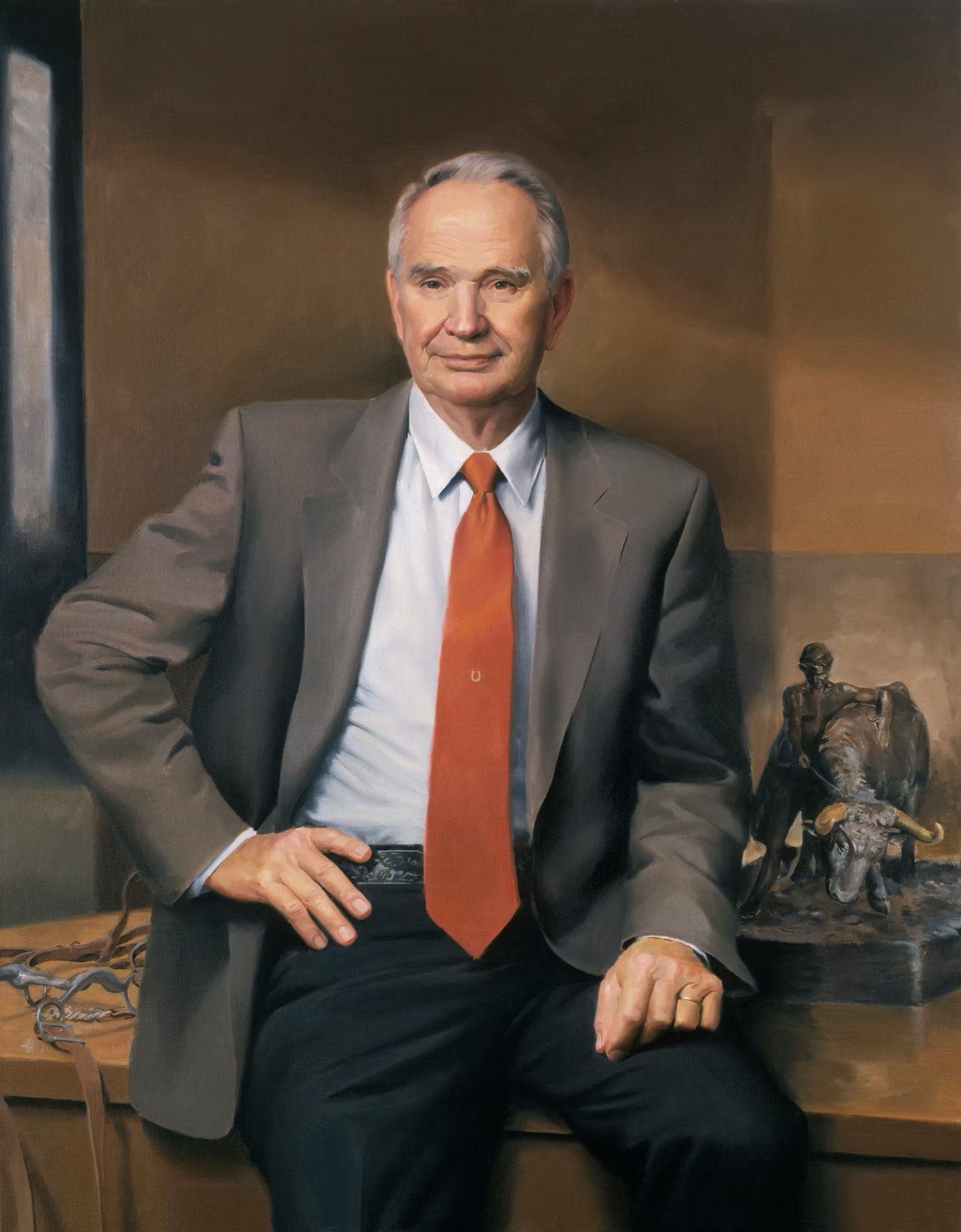
Dr. Robert Totusek

A foundation laid
Growing up on the edge of the Oklahoma Plains, Totusek was a first-generation American. His parents came from Czechoslovakia and faced the challenges of raising a family not only as immigrants but as wheat farmers during the Great Depression and Dust Bowl.
Those who knew Totusek can draw an easy line between his modest upbringing and the way he conducted himself in his career.
“He was a king in this state,” says Tyler Norvell, president of the Oklahoma Youth Expo (OYE). “Everybody wanted to know him, and everybody wanted to be him, but he made you feel important.”
Norvell had the opportunity to work closely with Totusek later in his life. A great supporter and advocate of youth programs, Totusek worked with Norvell to raise funds for OYE up until his passing in 2014.
Norvell’s relationship with Totusek, however, began long before their philanthropic partnership.
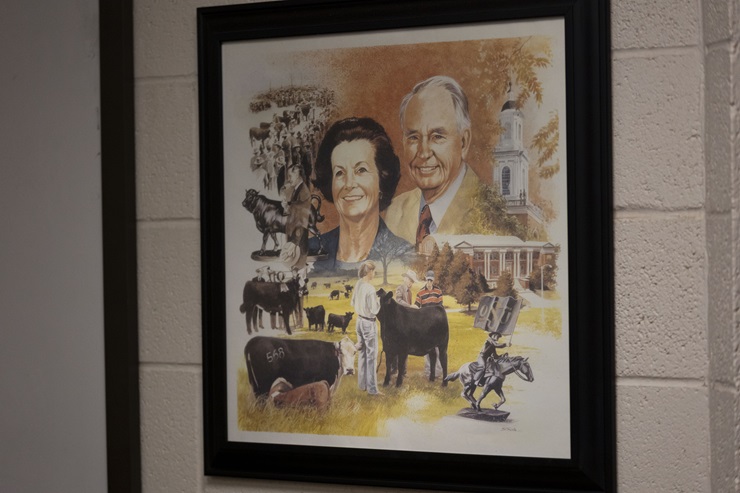
The proof hangs in the Totusek Arena just west of OSU’s main campus in Stillwater. Visitors will find a watercolor painting depicting a sharply dressed Totusek, the years of wisdom showing in the salt and pepper that peeks out from underneath a cream cowboy hat. He evaluates an Angus heifer with a member of the OSU Livestock Judging Team in a ball cap at his side. The student eagerly soaking in the moment is Norvell, who decades later still refers to that afternoon under a shady oak as a formative experience in his young adulthood.
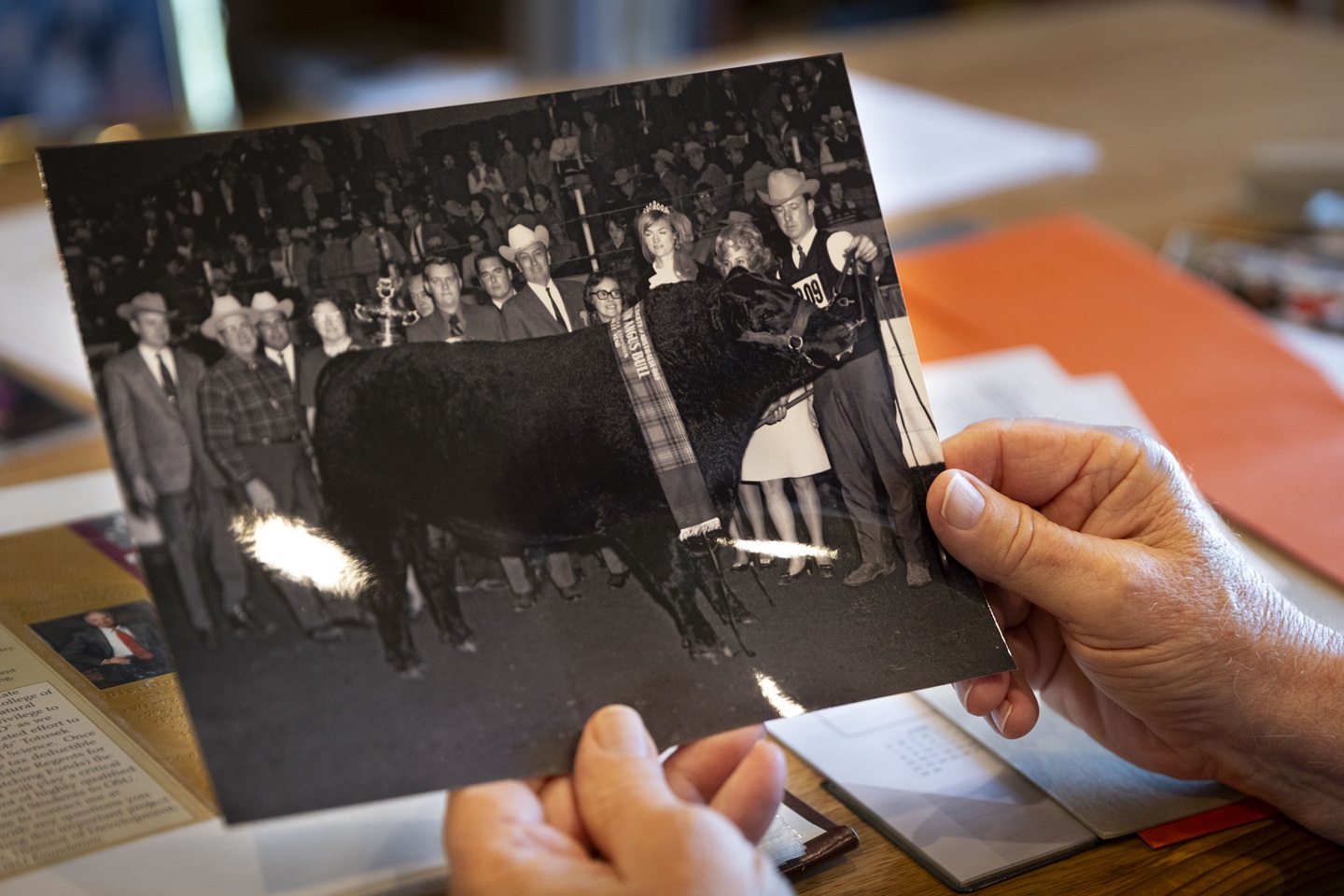
Totusek selected “Great Northern” as the 1969 Champion Angus Bull at the Chicago International.

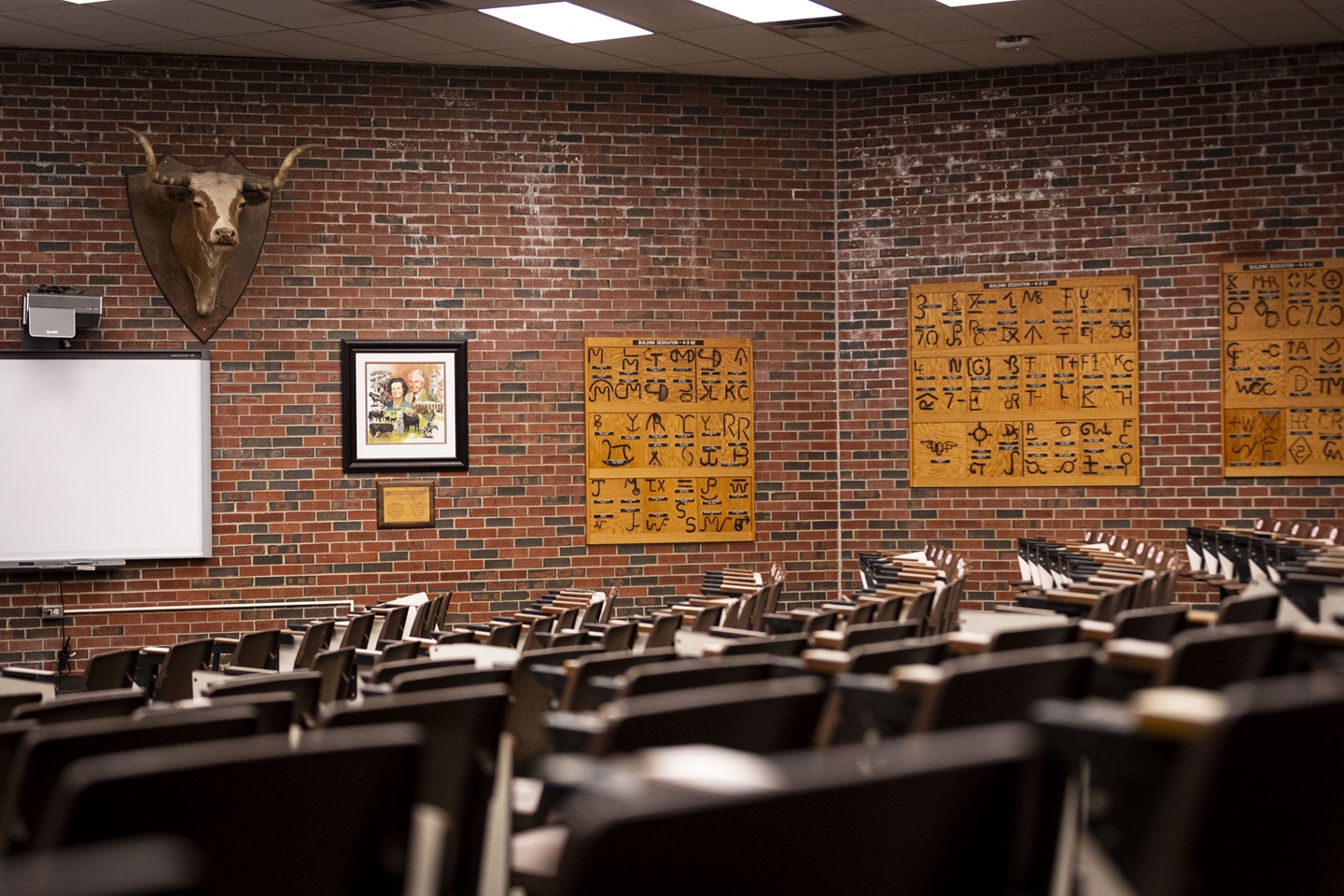
A copy of the famous Totusek watercolor hangs in a lecture hall in the OSU Animal Science building. In the artwork, Totusek and his wife, Nell, are surrounded by depictions of his life’s work.

The artwork is accompanied by dozens of photos of the livestock judging team spanning decades. From faded black and white images to the warm color tones of the ’90s, Totusek can be found smiling proudly in many of the snapshots. One of the program’s own alums, Totusek was a member of the 1948 National Champion team and returned just a few years later as the judging coach after earning his doctoral degree from Purdue University. He led the 1954 team to a National Champion title. It would be the first of 10 titles OSU teams would win during his time at the helm.
The key to that success? A relentless worth ethic.
His 1954 team often told the story of driving to the American Royal feeling underprepared for the draft horse portion of the contest despite hours of practice, only to have “Dr. Tot” suddenly pull the bus over on the side of a field, march out to the farmer driving a team and ask if they could evaluate the horses right there in the middle of the farm ground.
“That was Dr. Tot. If there was an opportunity, the amount of effort it took to do it and do it right was never a barrier,” says Mark Johnson, OSU professor and a member of the judging team in the mid-’80s.
Although decades removed from the head coaching position by the time Johnson or Norvell joined the team, Totusek would return each season to hear a set of reasons from the students and take each to lunch one on one.
“I remember how humble he was. ‘Why would a guy like him take time to want to learn about me?’” Norvell recalls thinking during his lunch with a man he describes as the Babe Ruth of the cattle industry. “Without telling me anything, simply by asking questions, he got me to the point where I understood what the future needed to look like.”
A blueprint sketched
As a renowned cattleman, Totusek was often invited to judge some of the most prestigious shows of the time. In 1969, with the forethought for an industry that needed to make a big change, Totusek selected Blacklock McHenry 13Y, a Canadian bull nicknamed “Great Northern,” to win the Angus show at the Chicago International. As the bull’s name suggests, Great Northern dwarfed his competition. The larger framed bull had more growth and muscle pattern than was on trend for the time.
“It was one of several pretty radical ideas he pursued,” reflects Johnson. “But he always had that ability to look ahead and could convince an industry that it was a better idea. And he was proven right.”
Totusek’s talents weren’t just tied to livestock, however. He also had a nack for understanding people, which allowed Totusek to draft a vision for the future and build consensus around the path forward.
“I always marvel at this part: he had an ability to save you from your own shortsightedness,” says Johnson, who was the first to hold the OSU Robert “Bob” Totusek Endowed Chair in Animal Science. “He could do that for you as a person; he could do it for the beef industry.”
A framework erected
The selection of Great Northern was one of several champion slaps in the ’60s that collectively resulted in the breeding of larger-framed beef cattle. What makes Totusek’s hand in history unique to fellow Saddle & Sirloin inductees like Harlan Ritchie and Don Good was how he assembled thought leaders and designed opportunities to lay a framework of influence.
Both Ritchie and Good were among those asked to speak at two pivotal industry events crafted by Totusek while serving as chair of the OSU Animal Science Department. The first, the 1982 National Steer Symposium, looked to solve a problem brought on by the frame shift of the ’60s and ’70s. Cattle had increased in size, but the quality of the carcass was leaving consumers with a pretty forgettable eating experience.
The second came just six short years later as a direct result of the success of the first. The Blueprint for the Right Kind Symposium would lay out a framework for seedstock breeders to produce the type of bulls that could support the new, consumer-driven needs of the commercial sector. This included supporting the use of a new genetic evaluation tool — expected progeny differences (EPDs).
“Those conferences were forks in the road; they were watershed events in our business that he really provided direction and a way to get better,” Johnson emphasizes.
The concept of these two national events was implemented on a slightly smaller scale in the form of the Dr. Robert Totusek Lecture Series hosted at OSU. Now in its 33rd year, the series offers space for students, faculty and industry leaders to discuss research projects continuing to drive change in the cattle business
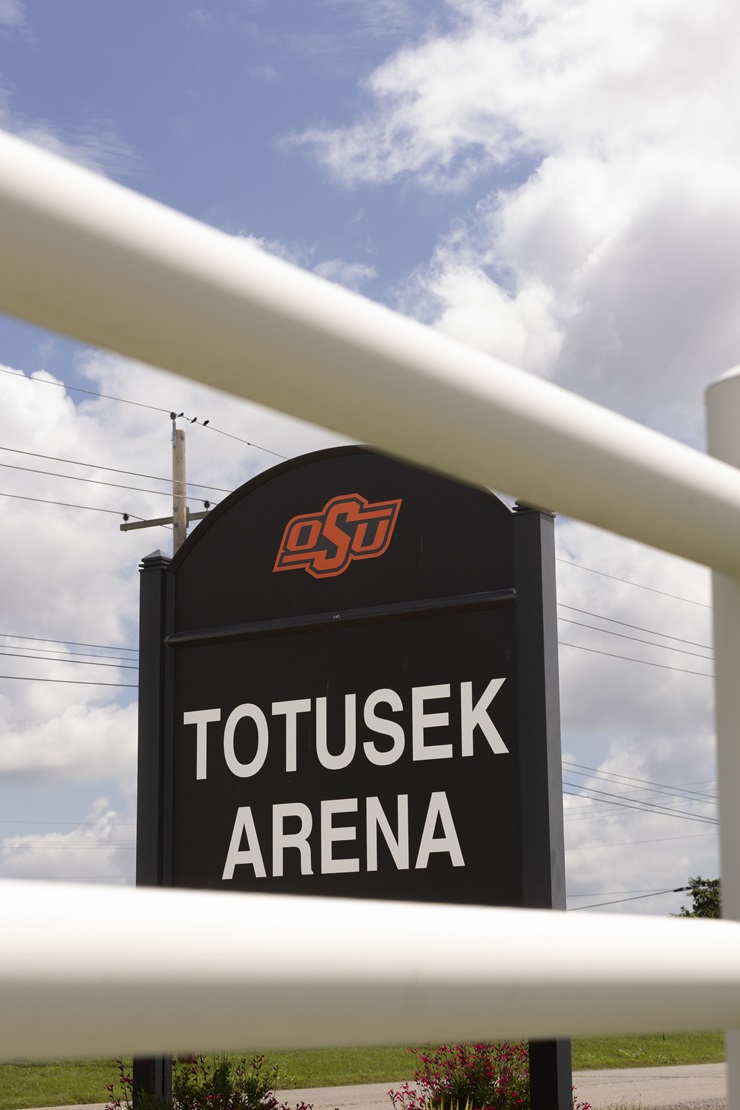
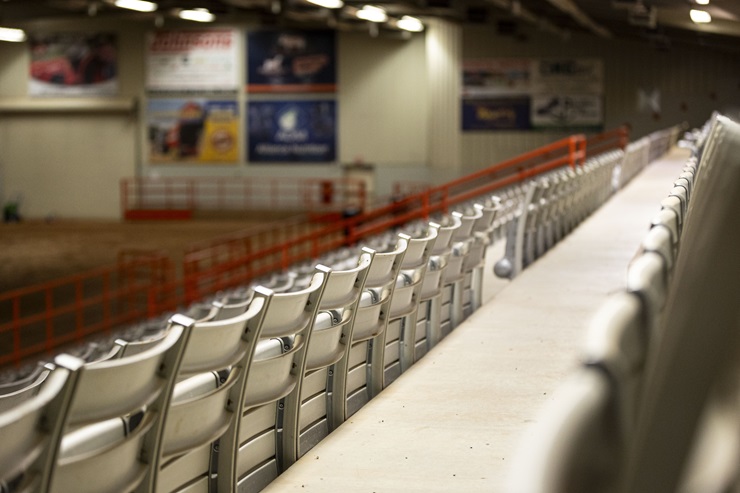
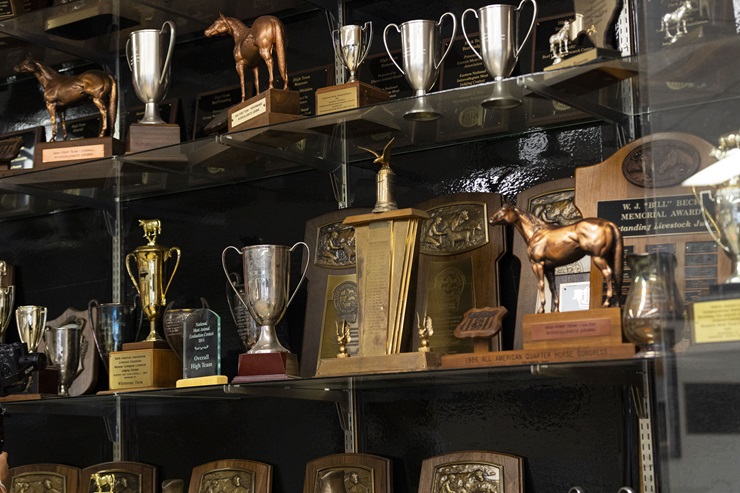
The OSU Totusek Arena was named after Robert Totusek following his passing. It continues to serve as a pivotal part of animal science education and houses OSU’s livestock judging memorabilia.
Tested by time
During his tenure in academia, Totusek would also publish upwards of 200 papers on various research and industry topics, many of which Johnson says he still points to in his teaching today.
Much of the research focused on finding balance at a time when crossbred and Continental cattle were gaining a foothold in the U.S. cattle population. Totusek studied the effects of both as they related to the ideal size and makeup of beef cattle — continually stressing the need to find an optimum trait combination rather than any one extreme. His sentiment is still weighed in current industry discussions.
While his work remains foundational, it is Totusek’s network that has truly endured the test of time. From the students who sat in his nutrition lab to the faculty he hired and the alumni he galvanized, there are countless connections throughout the agriculture industry that tie back to the mentorship of one man who asked a simple question: “What do you think?”
Topics: Association News , Award winner , Industry News , Member Center Featured News , News , Success Stories
Publication: Angus Journal
Related Publications


Current Angus Journal
Keep up on the latest stories of the people and programs in the breed.

Latest Podcast Episode
Don’t miss conversations with breeders and industry experts.
