





BEHIND THE BRAND
Not From Your Pocket
While Certified Angus Beef is a not-for-profit company, it does generate revenue.
April 22, 2026
It takes dollars to invest in the brand, our people, operations and marketing our premium product worldwide to create consumer demand and an economic signal that supports higher prices for registered Angus genetics.
When Angus ranchers ask how Certified Angus Beef (CAB) is funded, the answer isn’t dollars out of their pocket. No portion of American Angus Association membership dues or fees for cattle registrations or transfers goes toward the brand’s budget. Since CAB was first able to cover its own expenses back in 1983, the brand has evolved to be financially self-sufficient and, beyond its own business initiatives, able to invest back to support those of the Association.
If members aren’t funding the branded beef program solely owned by their Association, where does revenue come from? CAB is funded by licensed packers and processors that produce Certified Angus Beef® and directly tap into the added value and demand the brand has created. A very small portion of revenue comes from CAB store merchandise.
As explained in April’s column, every pound of beef packaged in a CAB bag or box is reported to the brand. The reports track where CAB product goes and whether circumstances around a sale merit trademark royalties. Reporting not only protects the brand’s integrity but also ensures we’re appropriately compensated.
Since its inception, the brand has used a commission-based revenue model that ranges between $0.01 to $0.07 per pound (lb.), depending on the cut and its relative market value. Middle meats such as ribeyes and tenderloins are on the upper end of that range, while the lower end is round cuts, bones for demi-glace production, or fat trim for tallow.
The average commission rate is approximately $0.027 per lb. Beyond the packer, value-added processors, such as those manufacturing deli meats or fully cooked items, pay an additional $0.05 per lb. on finished product.
The exception to this structure is our Ranch to Table program, where ranchers with direct-to-consumer beef programs become licensees. That commission is $10 per head.
Driving demand
Pennies add up. Last fiscal year, we reported roughly $33.5 million in commission revenue.
Logically, commissioned sales are constituted when our branded product is intentionally sold as CAB, such as fulfilling a retailer or distributor order for CAB ribeyes. If a packer fills an order with CAB based on a customer’s request for an upper-Choice, Angus product, that also merits a commission because CAB was intentionally used to fill the order, even if the customer didn’t explicitly request the brand. Commissions are not collected when CAB is substituted to fill an order for a lower quality product (i.e., subs), such as commodity USDA Choice.
This structure has remained constant. Some product-specific commissions have changed as fabrication style has evolved, such as bone-in to boneless, and the brand has created more value for various cuts over time. All packers and processors, independent of size, pay the same rates.
It’s a process where CAB creates demand and then collects commission. This only works if the demand created exceeds commission rates. If not, it would be logical for packers to direct attention toward their own branded beef programs that wouldn’t owe us a commission.
The marketing and sales team at CAB communicates the brand’s value to our partners. You — the rancher — are a prominent talking point for assuring we have the best-sourced beef on the market. The value we bring keeps packers locked in on CAB; not just in the United States, but internationally. We’re headed there next month.
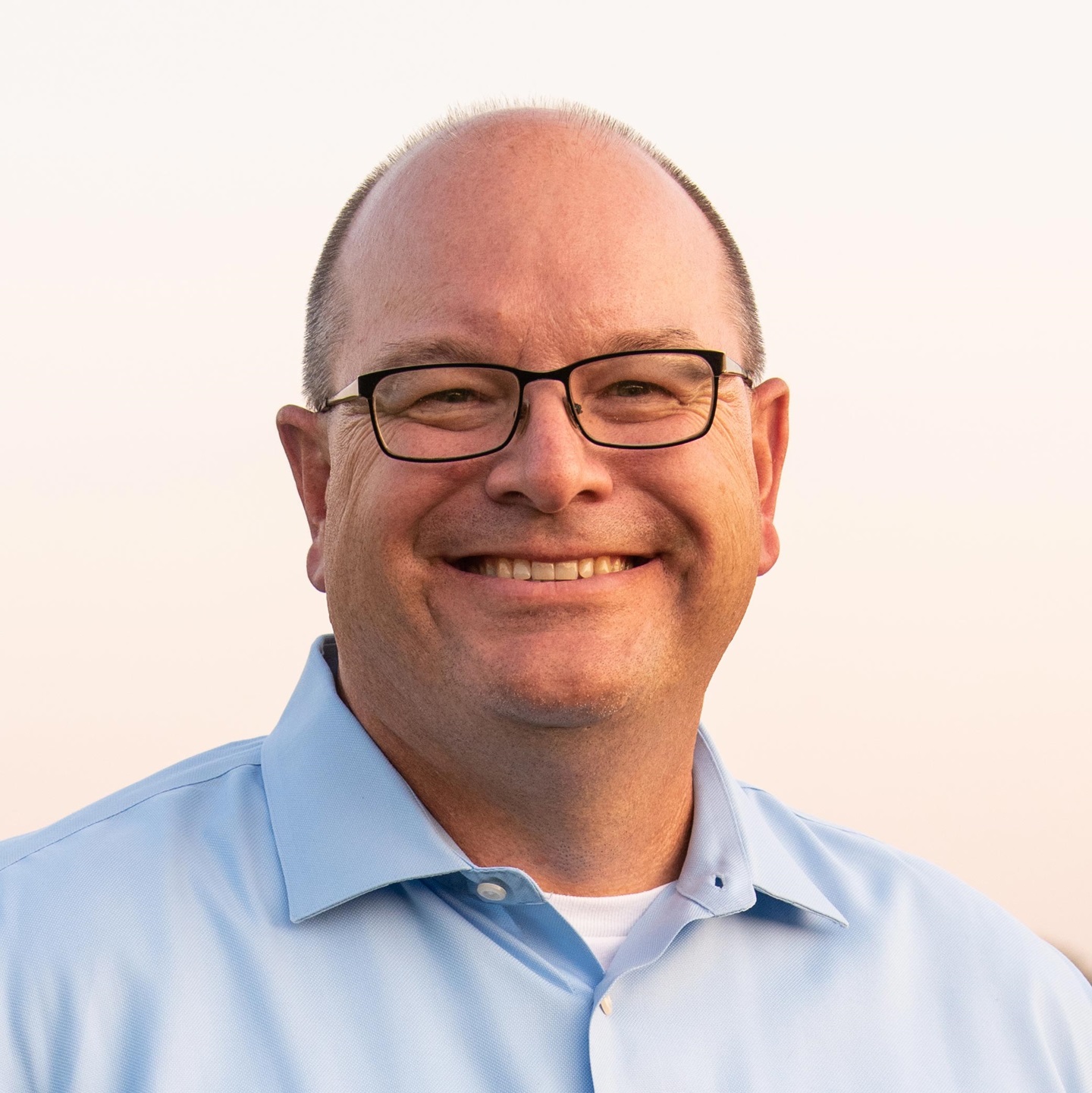
John Stika, Certified Angus Beef

Topics: Member Center Featured News , Consumer
Publication: Angus Journal
Related Publication Articles


Current Angus Journal
Keep up on the latest stories of the people and programs in the breed.
Latest Podcast Episode
Don’t miss conversations with breeders and industry experts.
