




Perilla Mint — Deadly Mystery
A new weed brings challenge to the Southeast.
November 12, 2025
Preston Helms didn’t know what was going on. In a four-year period, he lost four cows and two calves out of his 30-cow purebred Angus herd.
“It was usually in the fall; I thought it was acorn poisoning.”
The last cow that died was standing in a patch of dark green weeds, though, right before the Drasco, Ark., cattleman eased her into the lot.
“When I found her dead the next morning, I came to the house, got my phone and typed in what weeds in the state of Arkansas will kill cows,” Helms says. “The first thing that popped up was perilla mint. I knew the weed, and I’ve seen it several times, but I didn’t know it would kill a cow.”
When the pictures and description came up on his phone, especially details about the square stem, he went back to the pasture and knew for sure.
Unfortunately, with perilla mint poisoning, producers usually find a dead cow before they see symptoms. If she is still alive, those include breathing problems, liver damage and photosensitivity. There is usually nothing veterinarians can do, either, other than supportive care, in time to save her.
While Helms has been fortunate and hasn’t lost any more cattle in the last two years, Auburn University extension weed scientist David Russell says perilla mint, and most pasture weeds, could be more common this year.
While many weeds are annual pests, he says the late summer droughts in 2023 and 2024 may have weakened pasture stands and allowed weeds to establish and spread.
“Although perilla mint is a broadleaf weed, it produces a lot of seed and does fairly well in dry weather. It’s also very adaptable in where it grows and how it grows,” Russell explains.
He says this year, at least in the Southeast, there was rain in the early part of the summer, allowing the toxic plant to get a head start. Then it turned hot and dry.
“During the heat of the day, cows are going to the shade, and this is exactly where perilla mint often grows,” Russell says.
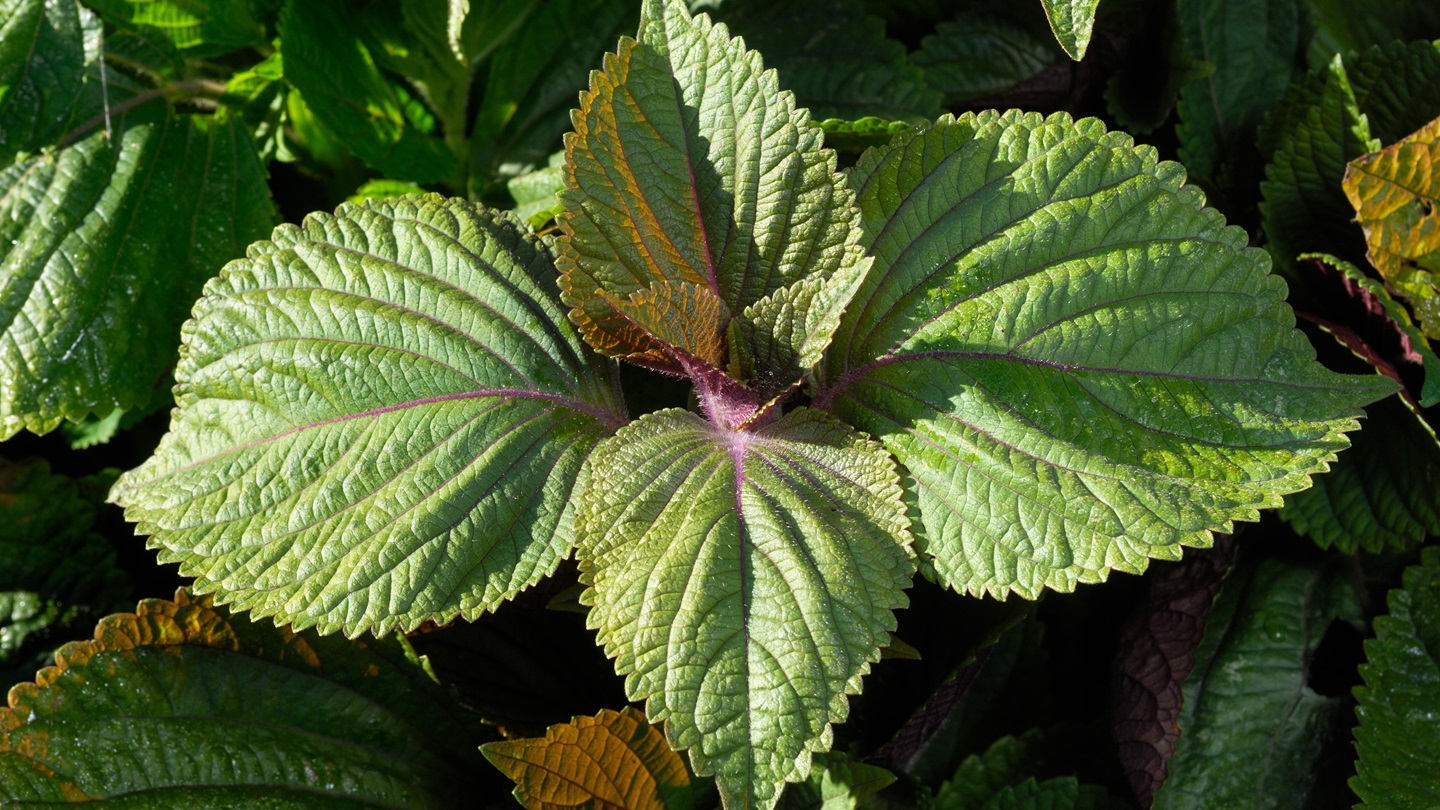

Managing pastures
To stay diligent, for starters, Russell urges producers to check their pastures and holding pens.
He suggests, “Scout at least every couple of weeks, if not more frequently, just to identify these toxic plants.”
The good news is he says it’s not that difficult to control.
“It is very susceptible to broadleaf herbicides like 2,4-D. We just have to be mindful of what else is growing in that area, for example, if we’ve got clover we’re trying to maintain.” However, Russell also says, “I would rank the threat of a toxic plant higher than trying to save clover on field edges. You can also mow perilla mint this time of the year before it makes mature seed. But remember, it’s an annual plant and if there’s any moisture left in the soil, there’s a very good possibility that plant may try to regrow before we get to the frost this fall.”
He also says the toxic weed likes to grow in protected areas along field edges or woodland understories, and it may take up to two or three frosts or freezes before it dies.
Russell says he can make an argument for spraying over mowing, because spraying can kill the plant to the root.
“Those plants that have germinated may not recover as easily from a herbicide application as they might if you just mow it.”
Cattle will still eat it and actually seem to prefer it when it is wilting after a herbicide application.
Russell also says, “Because perilla mint is such a prolific seed producer, if you’ve got a population this year, more than likely some seed is going to survive in the soil into next year and possibly the next, so we need to keep scouting our fields in those same areas.”
Diligent endeavor
Helms can vouch for that.
While he has some perilla mint in areas he can reach with a mower, most of it is growing under trees. For the hard-to-reach areas, he mounted a 15-gallon sprayer on a four-wheeler.
“I’ve sprayed, and it’ll kill it. But it’ll come right back.”
He still isn’t sure why his cattle started eating the toxic weed.
“It must be something they crave. We had dairy cattle before, and it wasn’t a problem.”
He also says he had plenty of grass available to the cows when they ate the perilla mint. Besides spraying, he approached the problem by upgrading his mineral program and providing his cattle with a protein lick tank in the fall and winter.
Russell says there are still a number of unknowns with the toxic weed.
“What kind of animals are affected by the toxicity? There really haven’t been a lot of studies on how toxic some of these plants can be to grazing animals. Typically, it results in death and you can’t have a whole lot of that at the research level. So, we don’t know how much perilla mint it takes to kill a cow. We don’t know if certain breeds or certain herds may be more inclined to eat it or susceptible to perilla mint poisoning.”
So, for now, Russell says to scout, spray, mow and hope for the best.
Topics: Health , Industry News , Management , Member Center Featured News , News , Pasture and Forage
Publication: Angus Journal
Related Publications


Current Angus Journal
Keep up on the latest stories of the people and programs in the breed.

Latest Podcast Episode
Don’t miss conversations with breeders and industry experts.