




SALUTE TO SERVICE
From Tanks To Pastures
From milk tanks to Army tanks to semen tanks, Pennsylvania cattleman builds successful Angus operation.
July 1, 2025
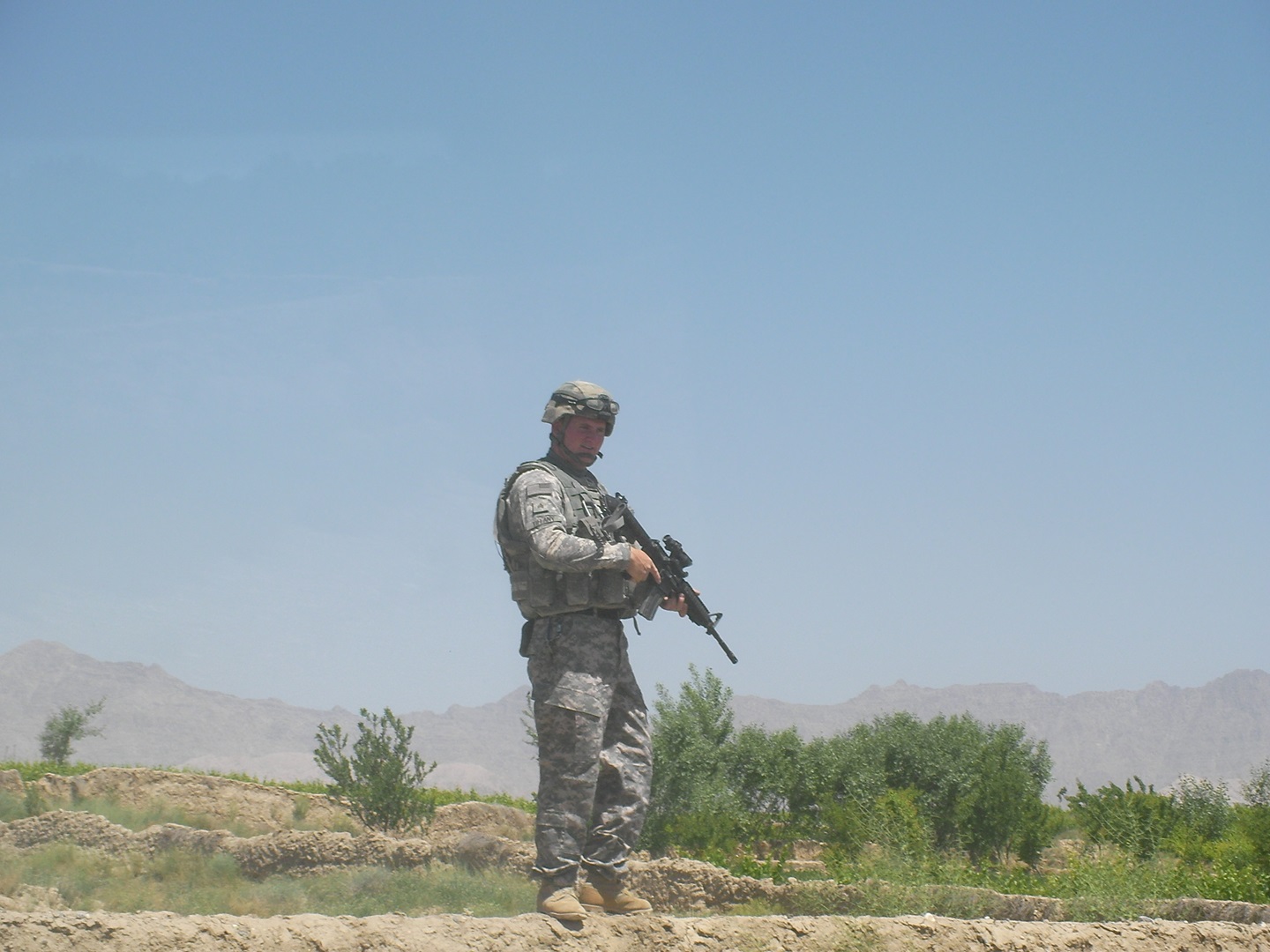

What do the tight interior of an Army tank and a Pennsylvania milking parlor have in common? For Fred Tiffany, they both represent his life before creating Bullard Creek Cattle in Litchfield, Pa.
Having grown up on a small dairy operation, Tiffany wanted nothing to do with agriculture as a teenager. He enlisted in the Army between his junior and senior years of high school in 2002 as a way to “get out and see the world a little bit,” he explains. 9/11 was a very recent memory at the time, and helped spur his decision.
Two Tours
Tiffany was a 19 kilo, which is a tanker, on an M1A1 Abrams tank. He deployed to Iraq in June 2005 to June 2006 — a hostile period.
He was stationed at a base called Habbaniyah and served as main supply route security. In 12-hour shifts, they patrolled stretches of the highway for IEDs or roadside bombs, so supplies could move from one base to the next.
Tiffany says his tour to Afghanistan was more laid back.
“When we were deployed to Afghanistan, we were part of what they called a provincial reconstruction team (PRT), which would go into the communities of Afghanistan and delegate projects or allocate money that needed to be spent in the community, like building hospitals. We were the security force for the PRT,” he explains.
Tiffany shared both of these tours with his older brother, Andrew, though Fred joined the military first. While he admits it was nice to have a piece of home during his tours, it was time to plant some roots.
“Being away on deployment was different when it was just Katie and me, but our oldest son was born in 2011. I didn’t want to be away with a young family,” he explains.

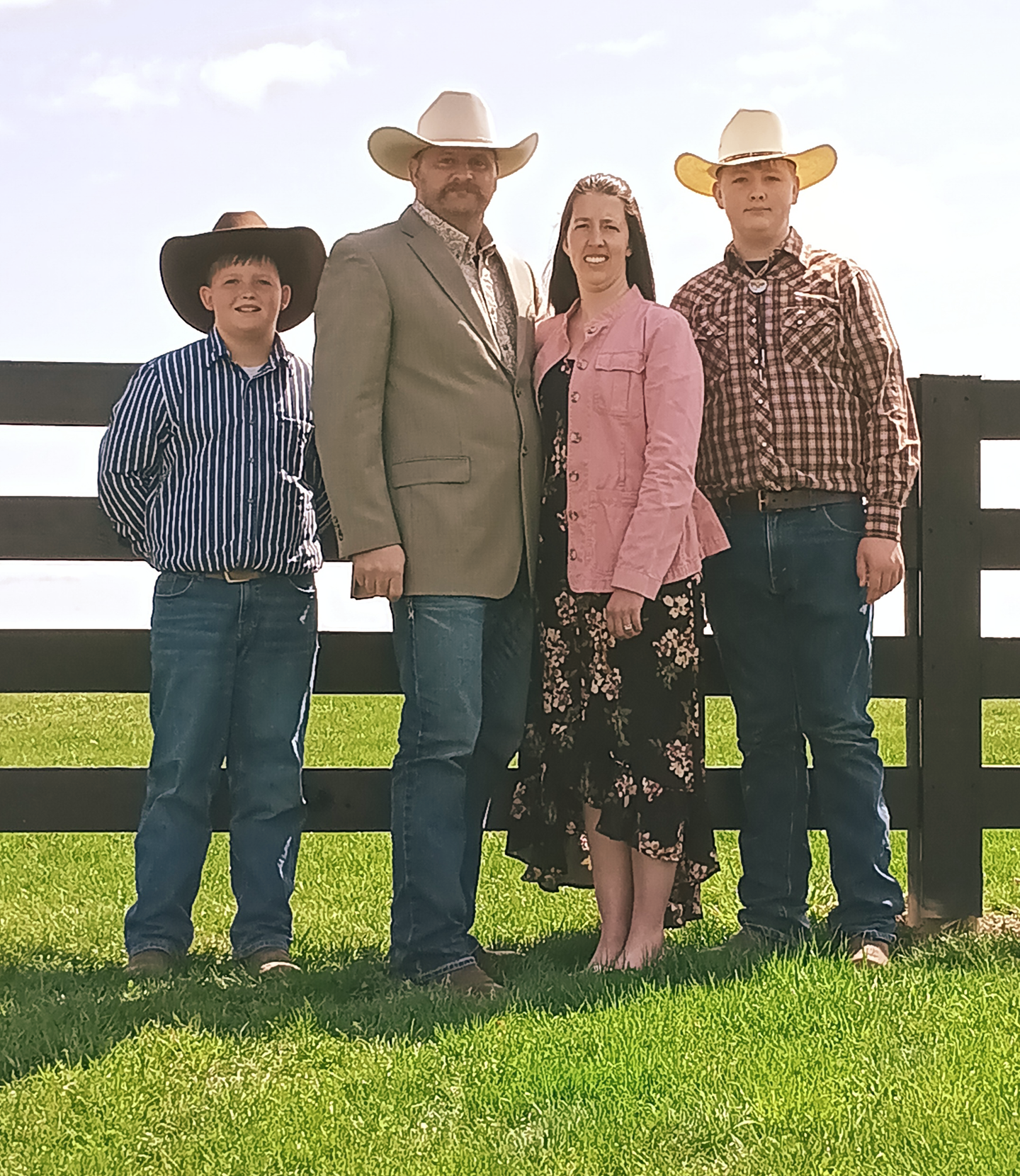

Being away on deployment was different when it was just Katie and me, but our oldest son was born in 2012. I didn’t want to be away with a young family” – Fred Tiffany

Life back home
He grew up a mile and a half away from his wife, Katie, who was raised on a dairy farm. They started dating in high school and have been together ever since, making the relationship work through 10 years of military service. They married in 2010, their oldest son was born in 2011, and Fred left the Army in 2012.
When he came home, he worked with a road construction crew, while his brother milked cows with their dad, Scott. He says he matured a lot during his military service and realized he took a lot for granted, especially agriculture.
“I realized it was a better fit than I thought,” he says, explaining he came back to the operation, too.
Dairy cattle predominate their area, but Fred decided to use a beef bull on some heifers.
“Hereford x Holstein crosses were not the beef cows we envisioned,” he laughs. “They took 2.5 years to get to size. Eventually, they just became excellent recips.”
By then, both Fred and Andrew had created their own commercial beef operations.
“It took time to turn the wheel from that Hereford x Holstein cross. It took us from 2010 with that Hereford bull to having registered Angus calves in 2019,” he says. “My brother started down the registered road a little bit before I did and said, ‘Hey, you know, I’m going to this sale. Why don’t you come along with me?’ So we both have our own herds, but we are both in the Angus business.”
That sale was in 2016, and Fred says it was a turning point for him.
“That was when I realized, ‘This is what I want to do and how I want to do it.’”
He credits the Angus community for teaching him so much, noting you can pick up the phone and anybody will help you. He says the tight-knit Angus community helped fill the void from leaving the military.
Since becoming a registered operation, Fred realized he needed to market his calves differently. For the last two years, he has concentrated on pushing the envelope genetically. He realizes he’ll never be big enough to compete with larger herds farther west, so he focuses on providing the right bulls in a predominantly dairy region. The Angus x dairy market is undoubtedly growing in his area.
Fred also concentrates on creating genetically superior females, admitting that can be difficult as technology improves so much faster than the cattle life cycle. Though it’s not for lack of trying, the average cow on his place is 2 years 9 months.
Two years ago, his dad sold the dairy cows, so they converted those facilities to house feeder calves. They can finish calves in 18-20 months and hang 1,000-pound carcasses.
“This lets us see our operation with a complete picture. We get to see the EPDs (expected progeny differences) at work,” Fred says.
With three different sets of goals, he doesn’t ignore any EPD. Since he has such small contemporary groups, he can select the bull for each cow specifically. Ninety percent of his calves are from embryo transfer.
He credits the growth of Bullard Creek Cattle to skills he gained in the military: people skills. Growing up, he says he was pretty quiet. The military forced him to work with people from different backgrounds, which made it easier to open up and talk to people — a key skill in learning the Angus business.
Plus, military service and Angus cattle run in the family.
He grew up hearing a story about his great-grandfather, Walter Tiffany, boarding a troop ship in the New York Harbor headed for France during WWI.
“He saw a man loading cattle onto a railroad box car and was curious about what breed of cattle they were,” Fred reflects. “He asked the gentleman, and with a thick Scottish accent, he was told they were ‘Aberdeen Angus, the finest cattle in the world!’ Hearing that story from my grandfather [also named Fred Tiffany] about his father definitely played a role in pursuing Angus cattle.”
Editor’s note: Kasey Brown is a freelance writer from St. Joseph, Mo.

Topics: Salute To Service , Success Stories , Ranch profile
Publication: Angus Journal
Related Publications


Current Angus Journal
Keep up on the latest stories of the people and programs in the breed.

Latest Podcast Episode
Don’t miss conversations with breeders and industry experts.